Paris Photo 2026

Poklong Anading
Grand Palais, Booth D49

About

    Silverlens participates in Paris Photo for the first time in over a decade, with a solo presentation of Poklong Anading. As one of the most vital force-multipliers from Southeast Asia, Anading brings a remarkable body of work to the Grand Palais, Main Sector, Booth D49, on 12–15 November.

    Spanning nearly thirty years of the artist’s practice, the presentation brings together anonymity (2004–present), flash back, and mother of corals, tracing Anading’s exploration of presence, light, and the gradual dissolution of the recognizable figure. Faces vanish into light, portraits become encounters, and discarded materials take on new forms, revealing how seeing is never quite as straightforward as it first appears.

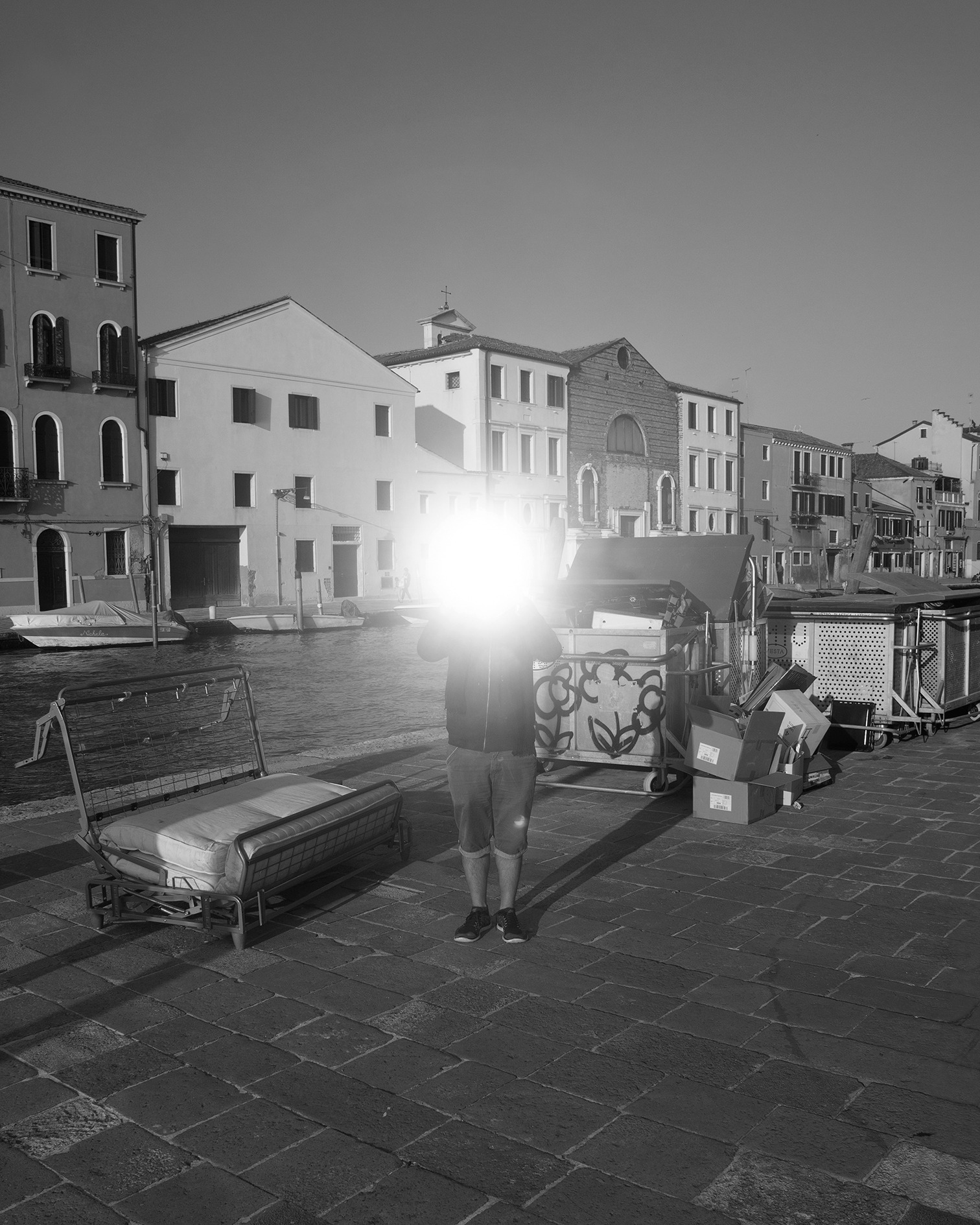
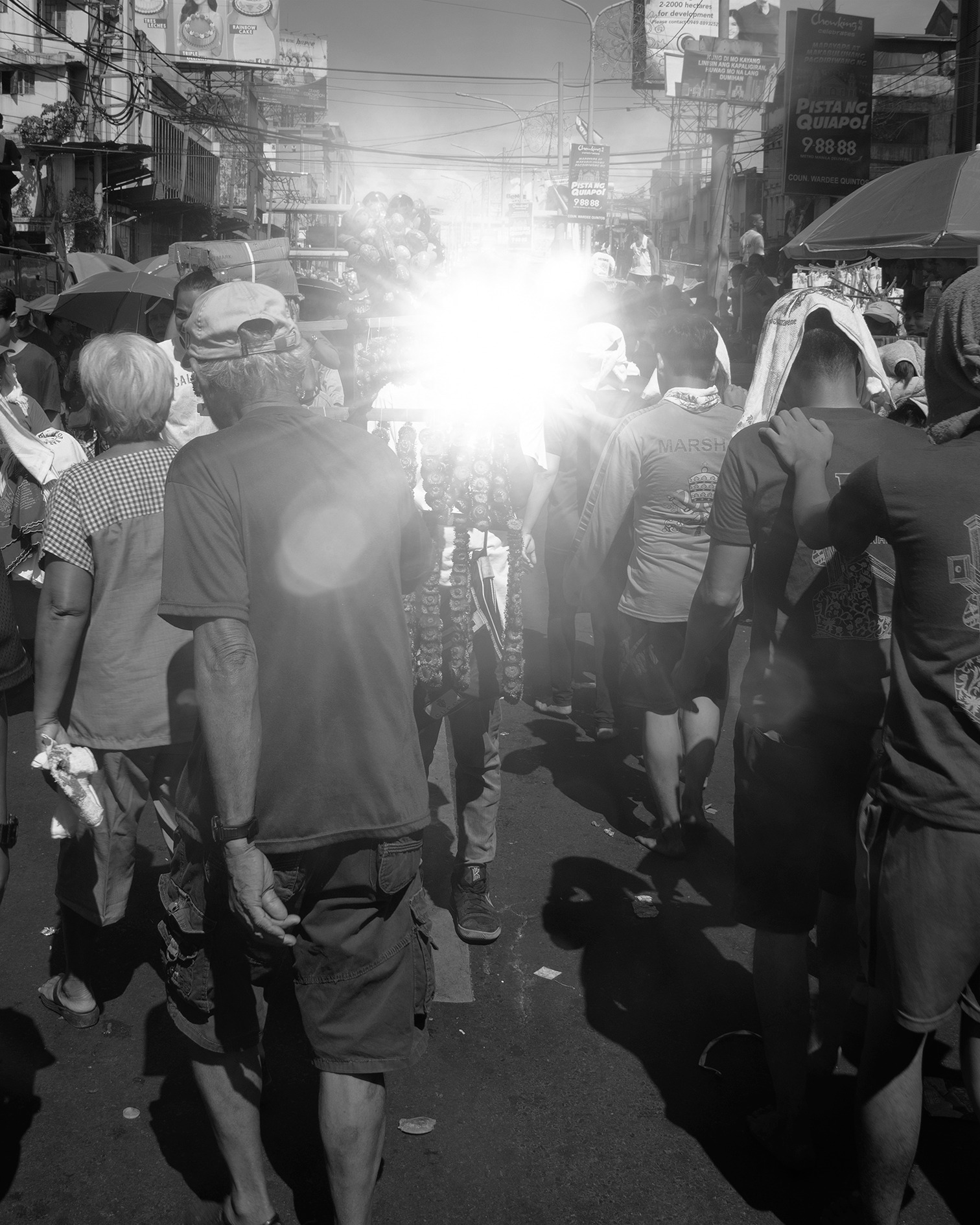
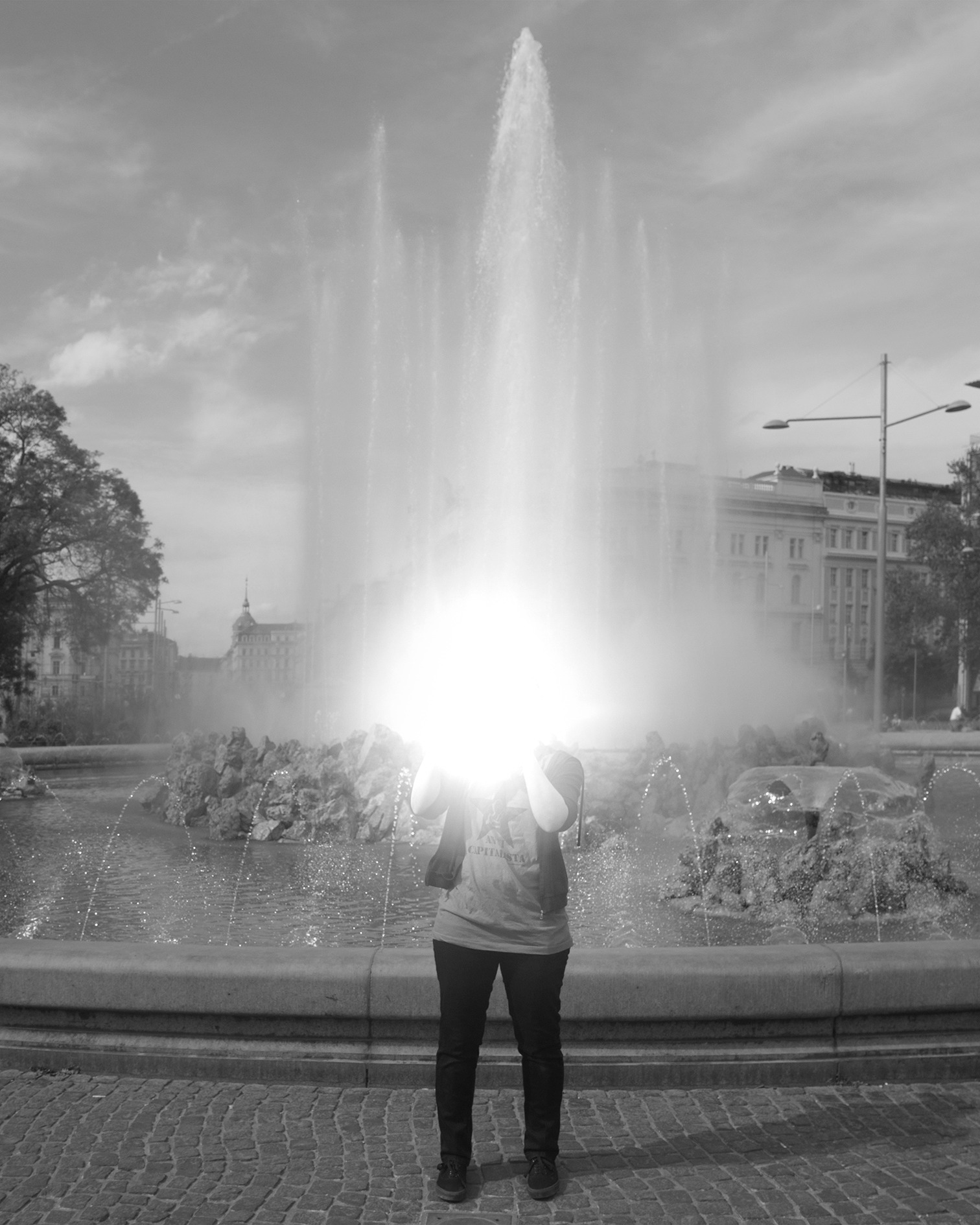
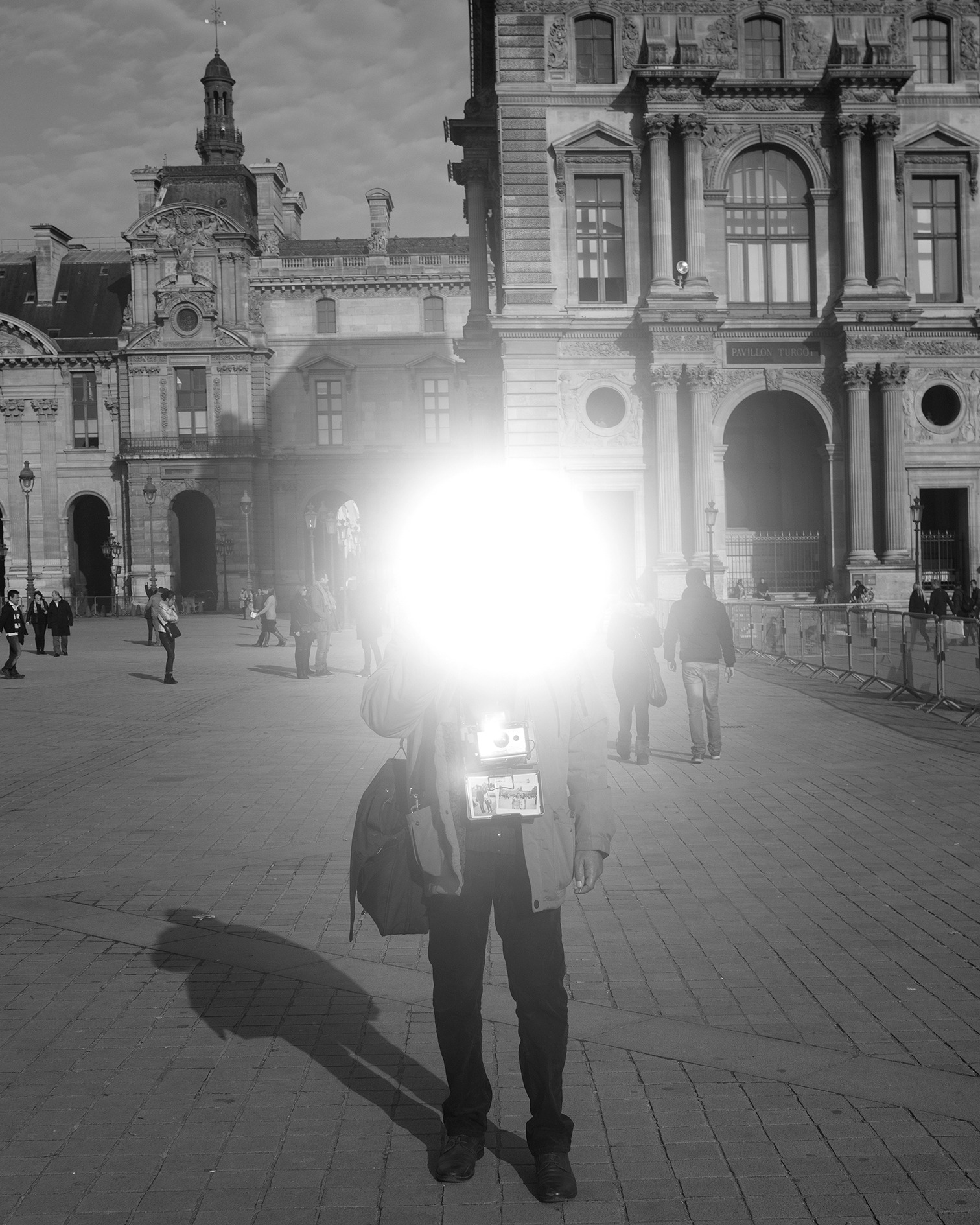
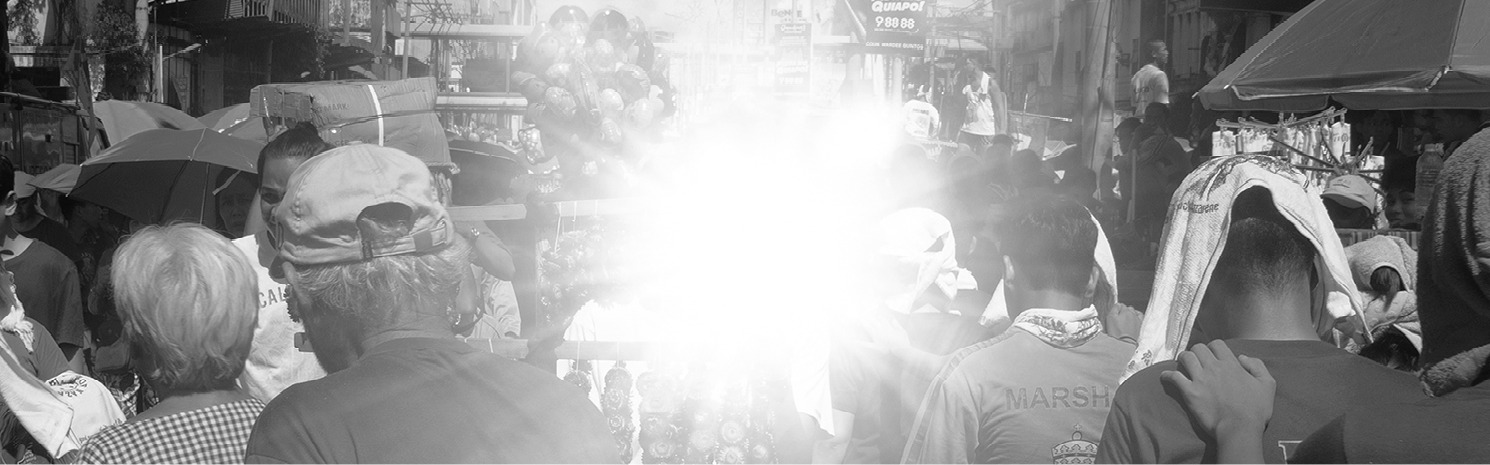
    Anading often begins with one of photography’s most familiar subjects: the human face. But instead of offering recognition, he interrupts it. A figure turns away. A face is covered by light. A mirror sends the sun directly into the camera. The resulting image is beautiful, but also slightly unsettling. We know we are looking at someone, yet the photograph withholds the very information we expect it to provide.

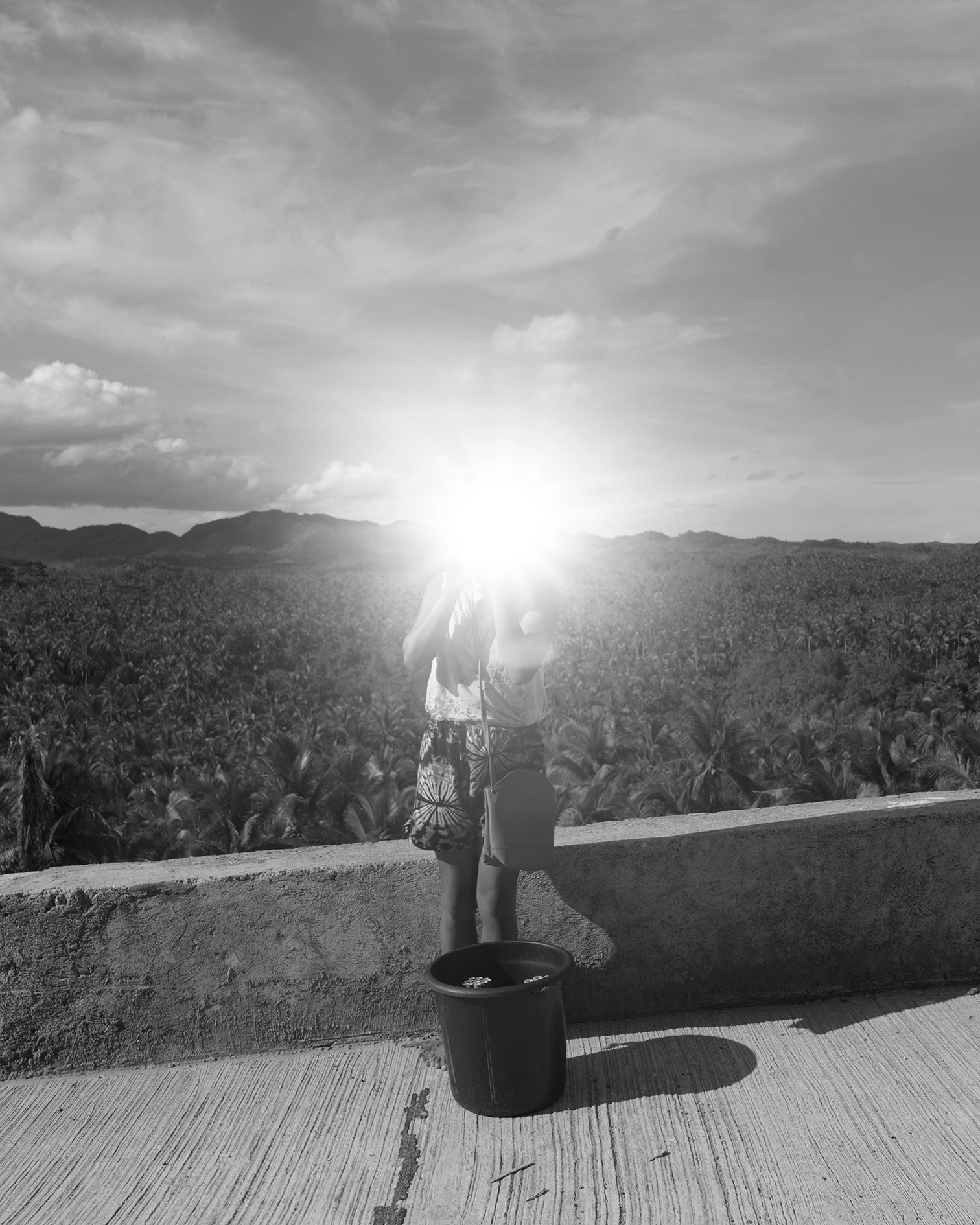
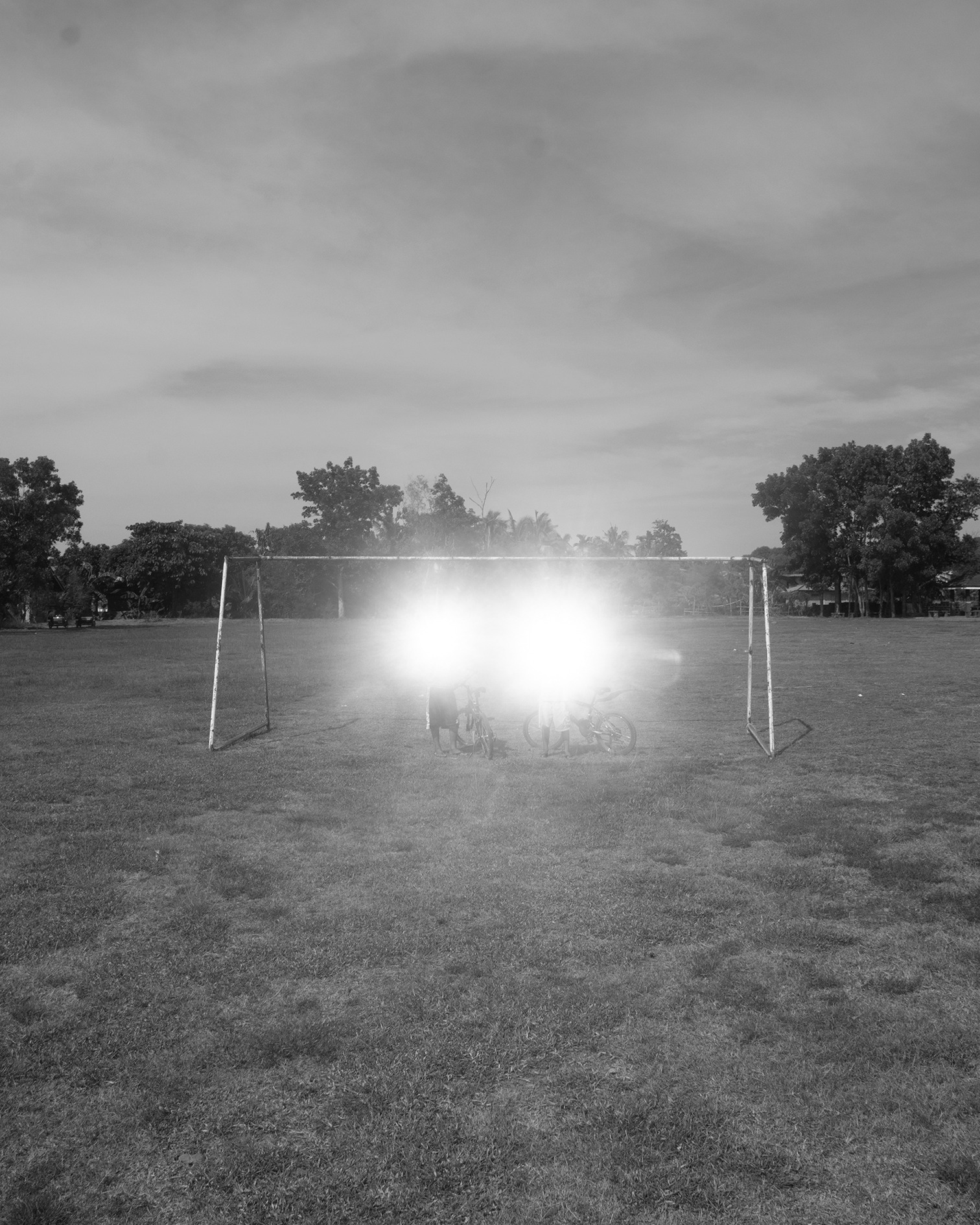
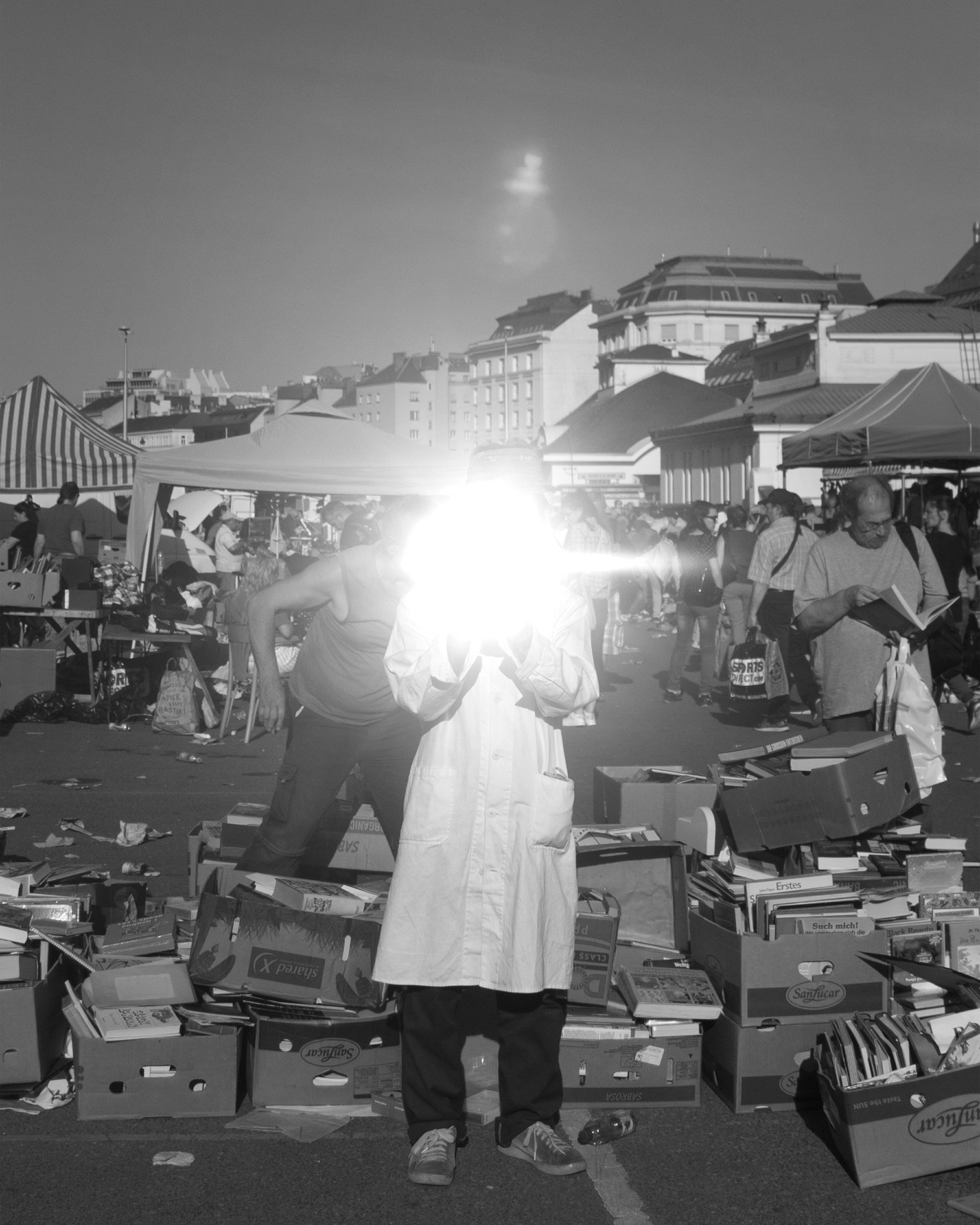
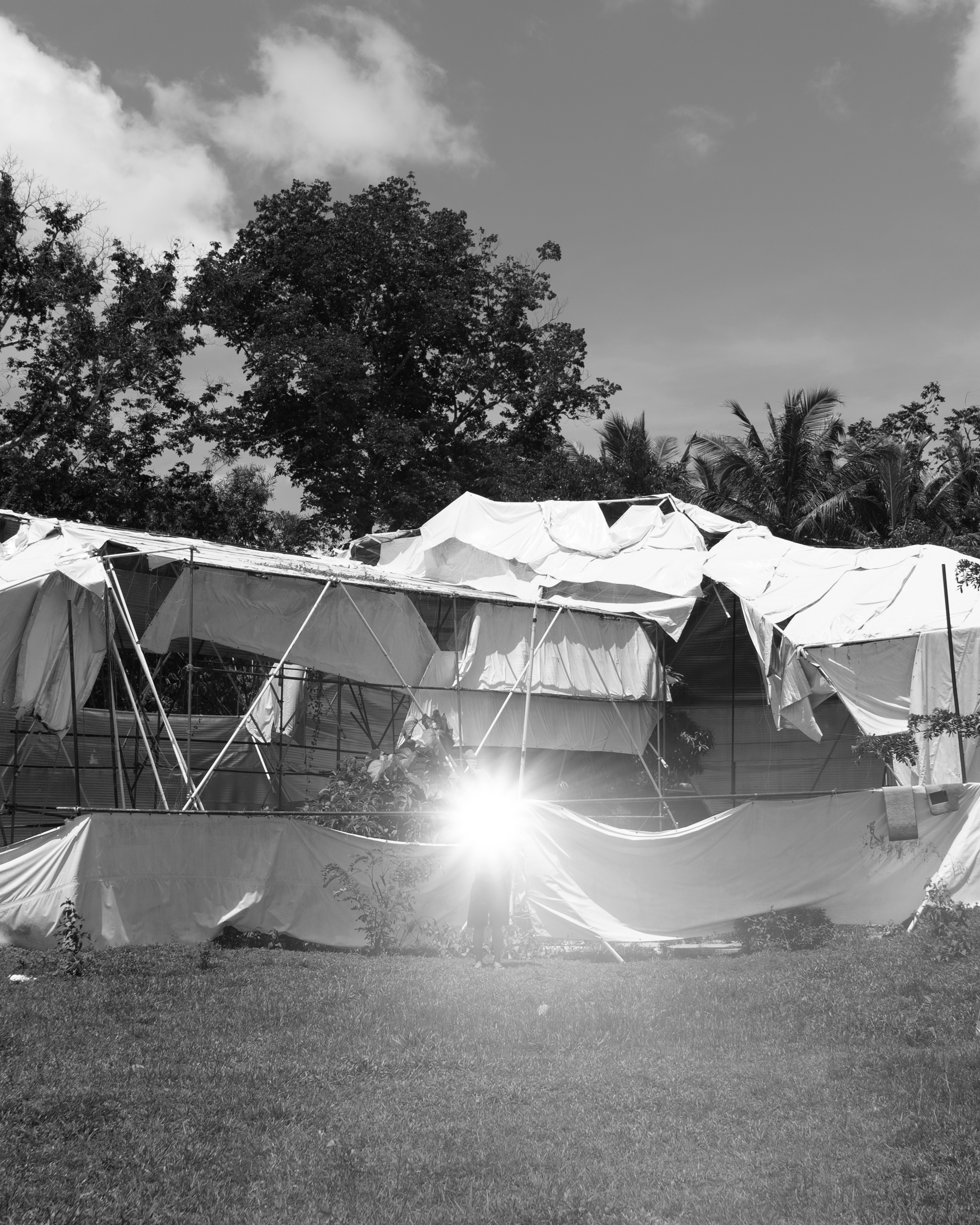
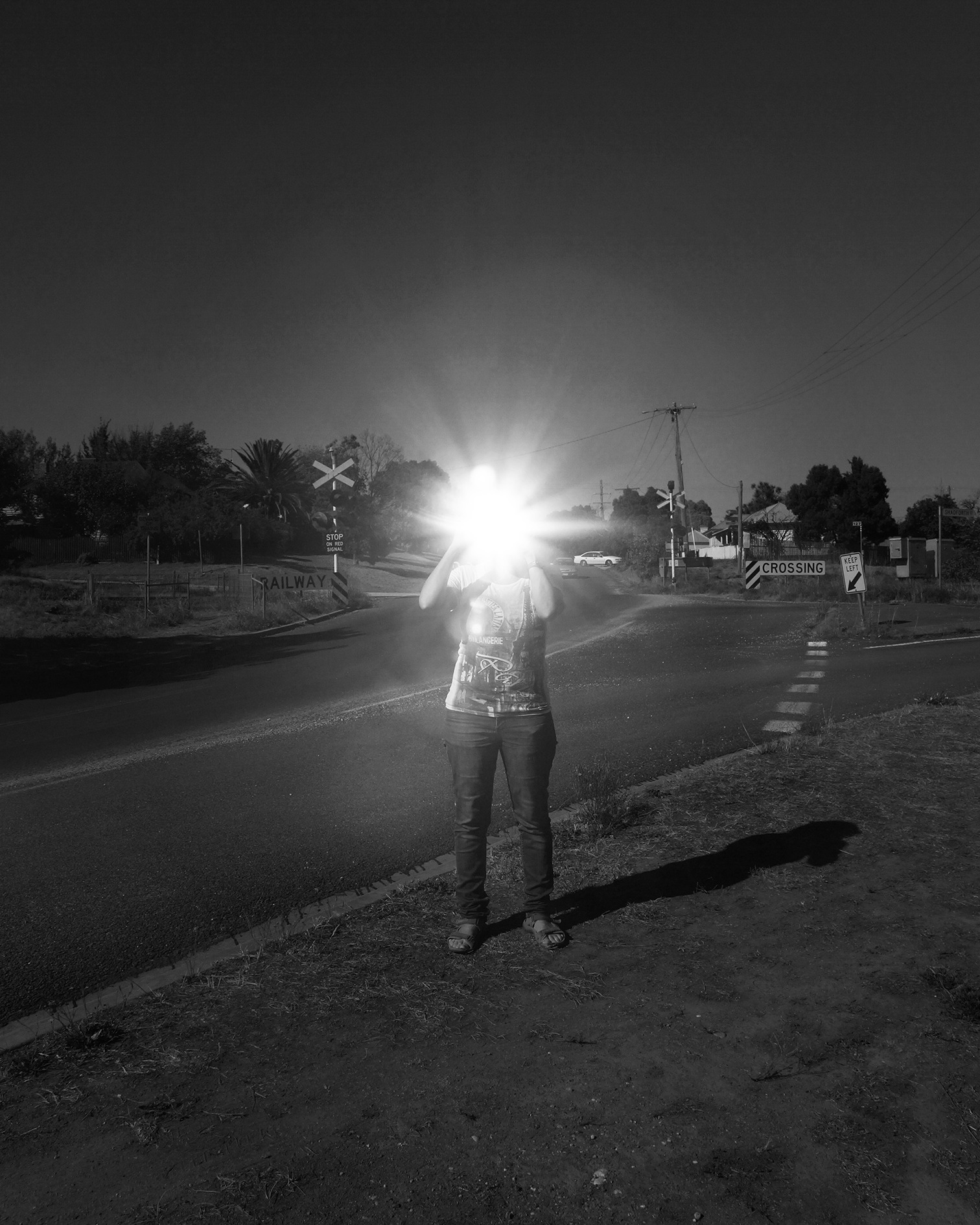
    This tension has defined anonymity, begun in 2004 and still evolving. In the series, subjects hold mirrors toward the sun, directing reflected light into the camera until their faces disappear. The flare can feel almost theatrical: a sudden flash that both announces and conceals the person in front of us. The more we look, the less certain the image becomes.

    The photographs also resist easy identification through their circumstances of making. Anading works spontaneously and intuitively, responding to the weather and to whether someone is willing to pose. As he explains, “Part of the fun is guessing where each picture was taken.” The photographs span Baler, Castlemaine, El Nido, Manila, Paris, Siargao, Venice, and Vienna, though the artist admits that he cannot always remember exactly whom he photographed or where each image was made. These details become part of the work’s open-ended character: the images retain traces of particular encounters while withholding the certainty of a fixed identity or place.

    The gesture also changes the balance between subject and viewer. These are not passive sitters waiting to be photographed. They determine what can be seen. The viewer, in turn, becomes aware of looking, and of being looked back at through the image. What might have been a conventional portrait becomes something more intimate and ambiguous: a negotiation between two people, separated by the camera.

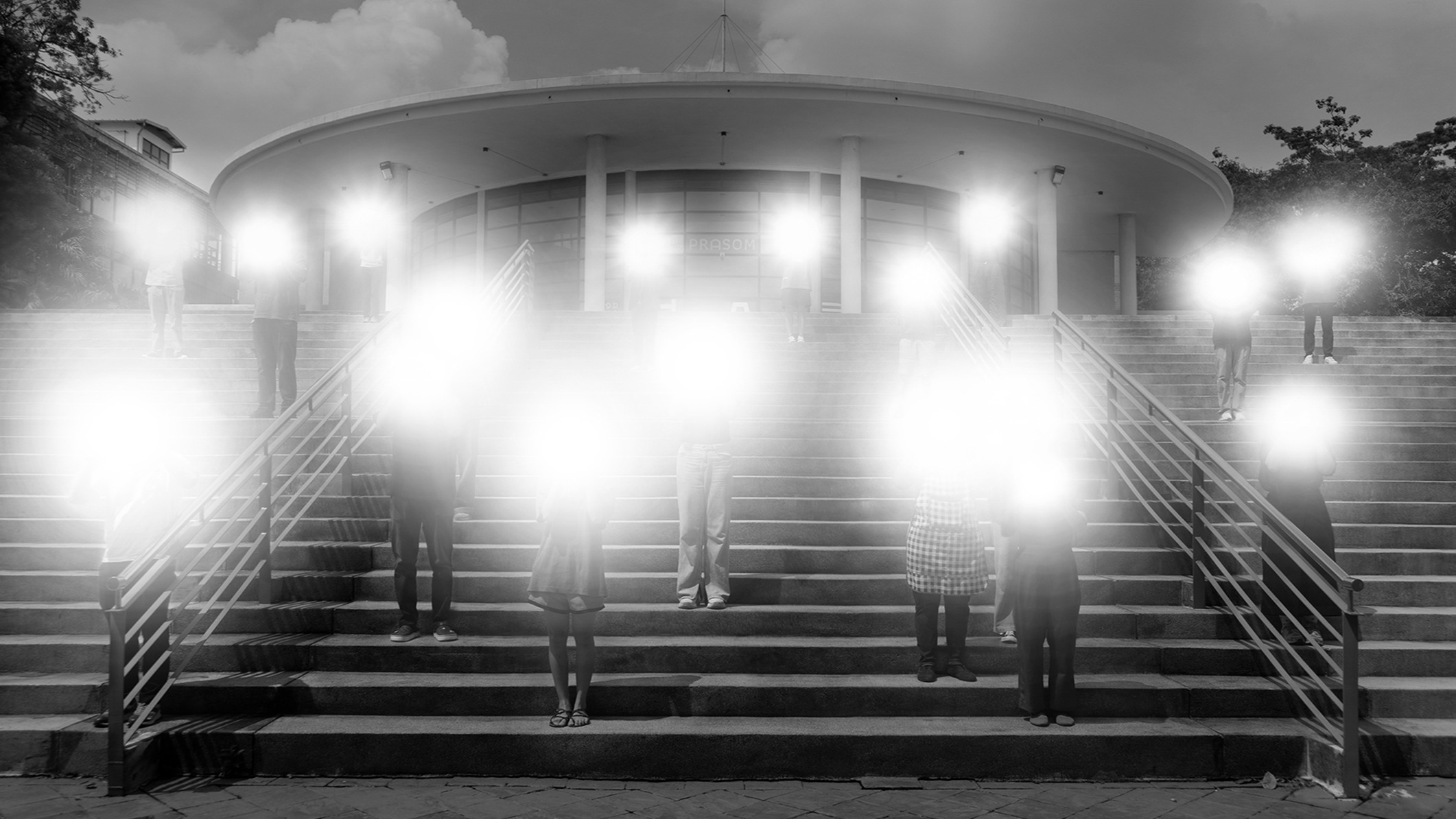
    That exchange becomes communal in flash back, an evolving series developed through workshops with students and faculty of KMITL in Bangkok. Participants use mirrors to redirect sunlight toward the camera, creating portraits in which their faces are again overtaken by light. Made behind the Prasom Rangsiroj Conference Hall, the photographs carry the atmosphere of a shared place: a school, a gathering point, a space where people encounter one another.

    Here, the making of the photograph becomes part of the photograph itself. The participants are not simply represented; they take part in deciding how they will appear. The resulting images retain something spontaneous and performative. There is a pleasure in the gesture, but also a quiet refusal: the sitter is present without becoming entirely available to the viewer.

    In the series’ sensor-driven installation, this relationship continues into the exhibition space. The portraits appear and disappear in response to the movement of visitors. The work waits for someone to enter. A viewer activates the image, and then becomes part of its fleeting life. The photograph exists somewhere between appearance and disappearance, depending on the presence of another person.

    Light is therefore more than a visual device in Anading’s work. It is a way of thinking. It can reveal and conceal within the same instant; it can make an image vivid while making its subject unknowable. Anading takes this basic condition of photography and turns it into a source of possibility. The photograph does not have to tell us everything. Its power can lie precisely in what it leaves unresolved.

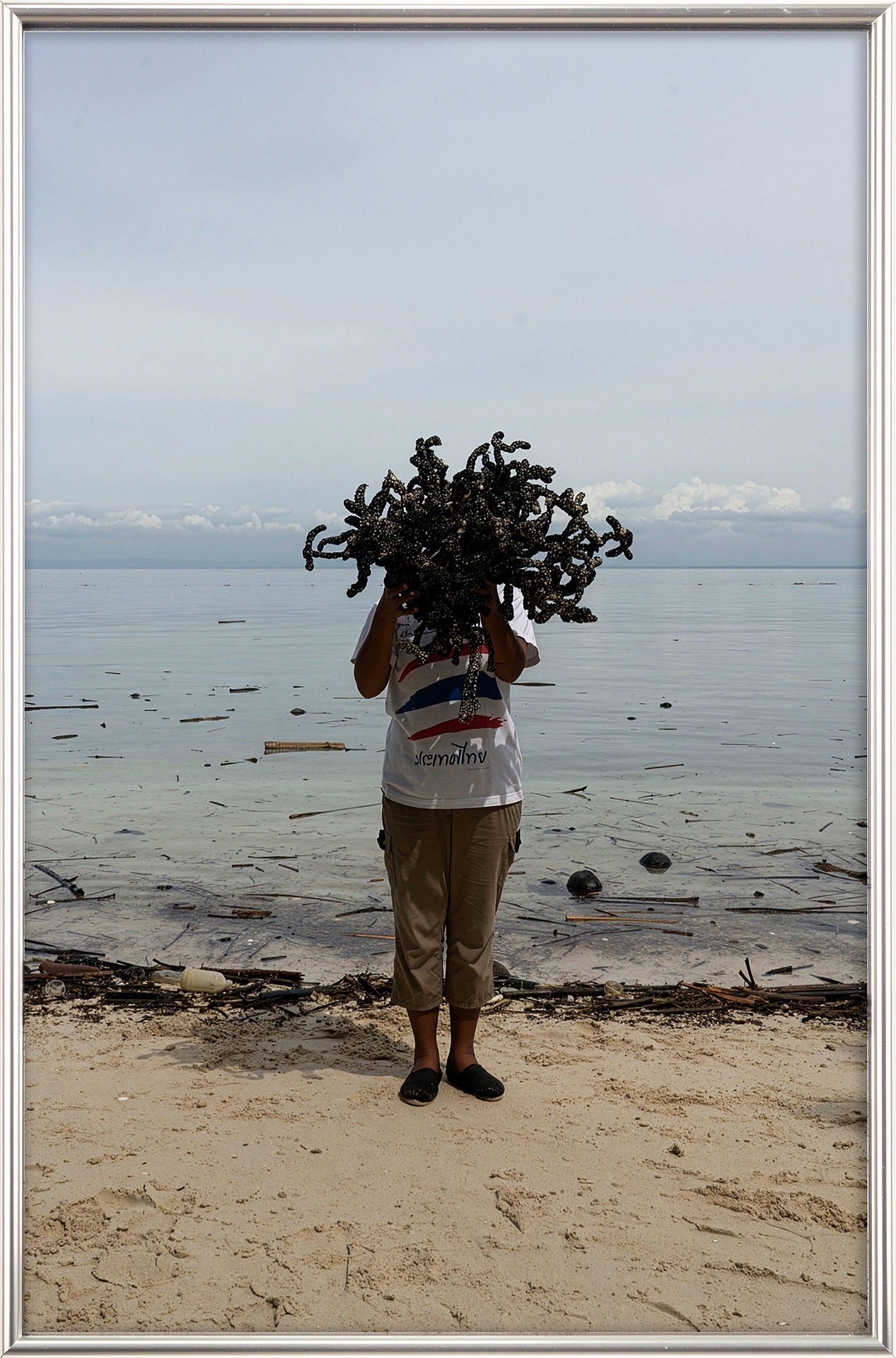
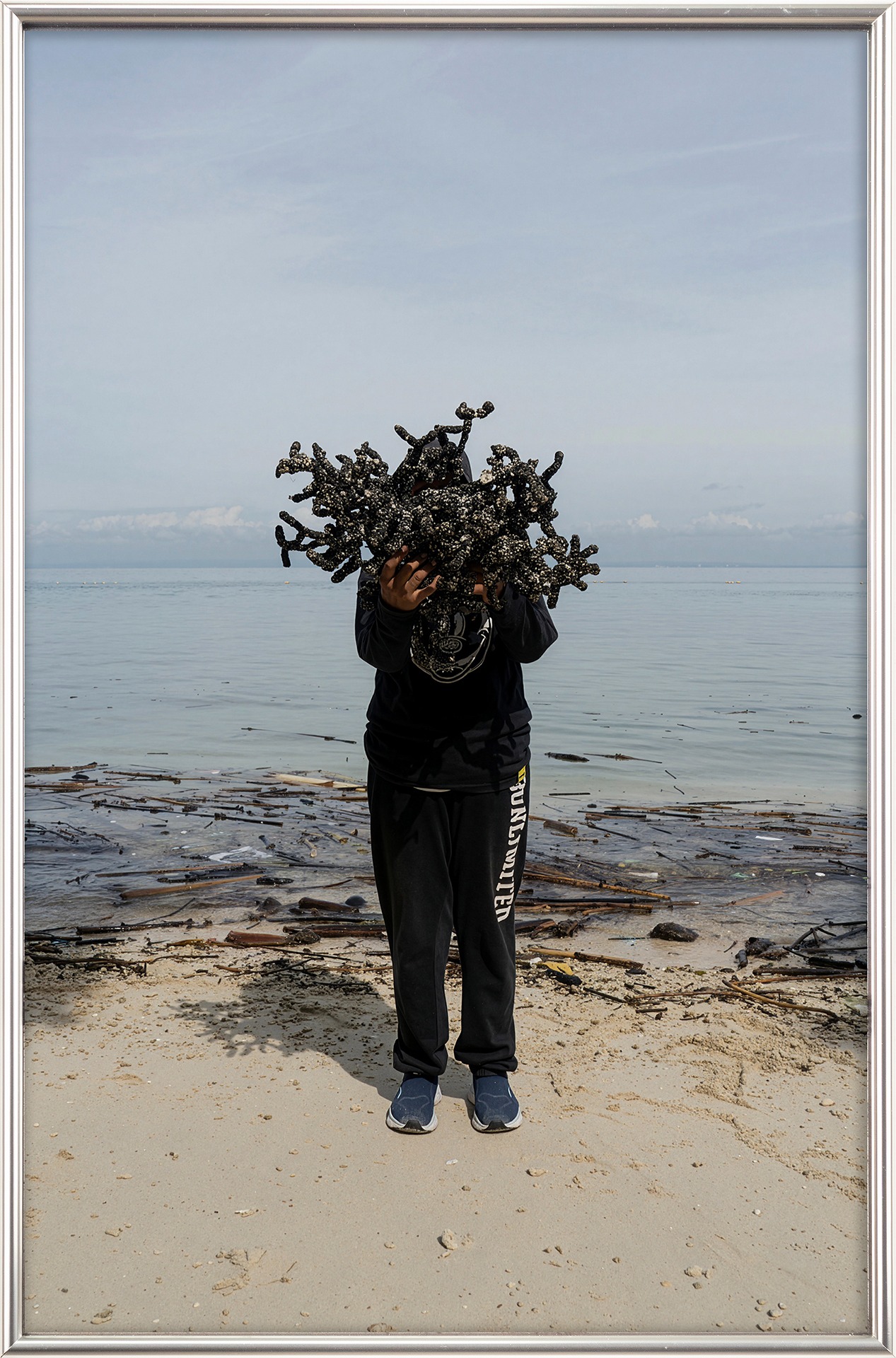
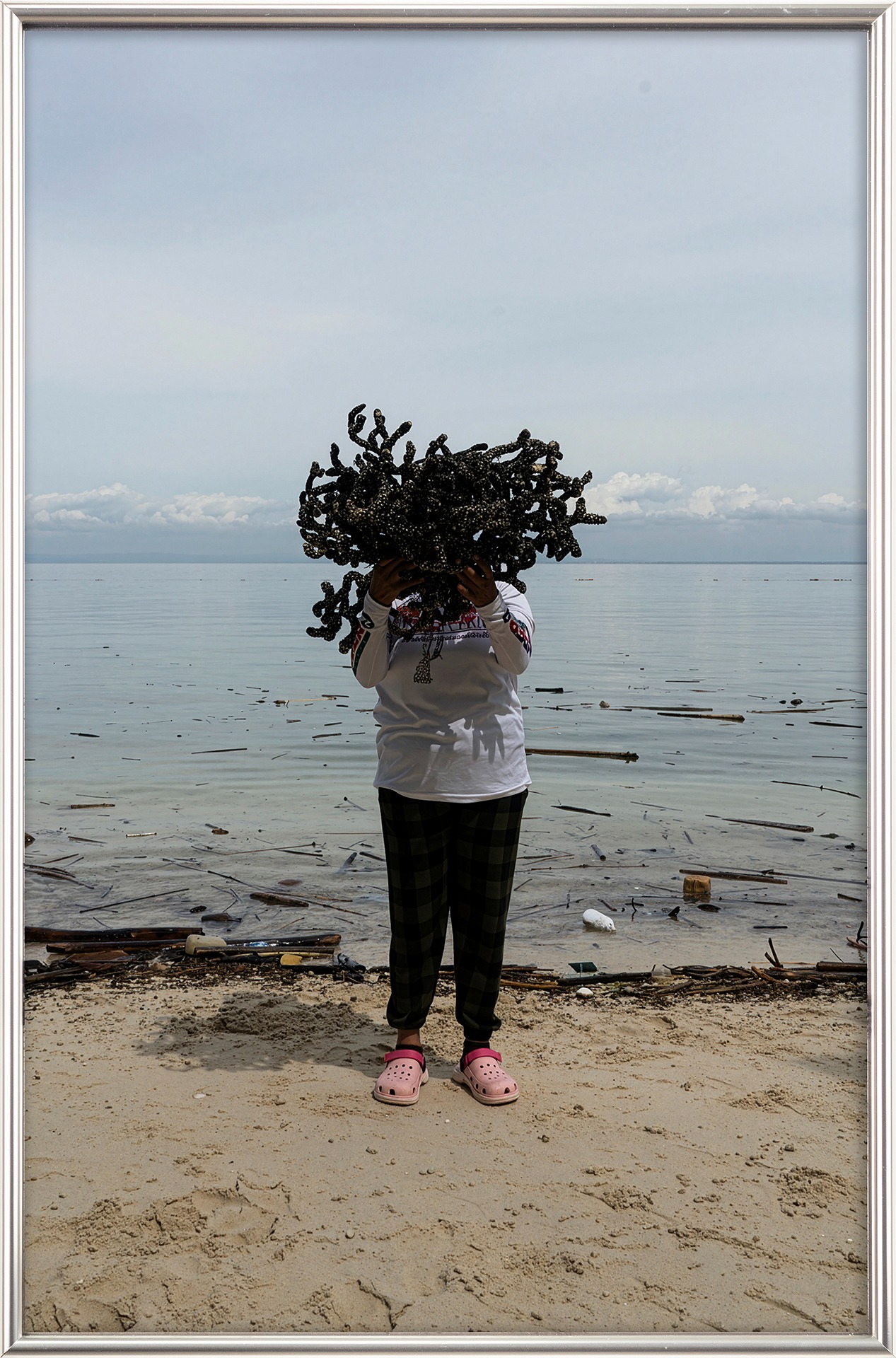
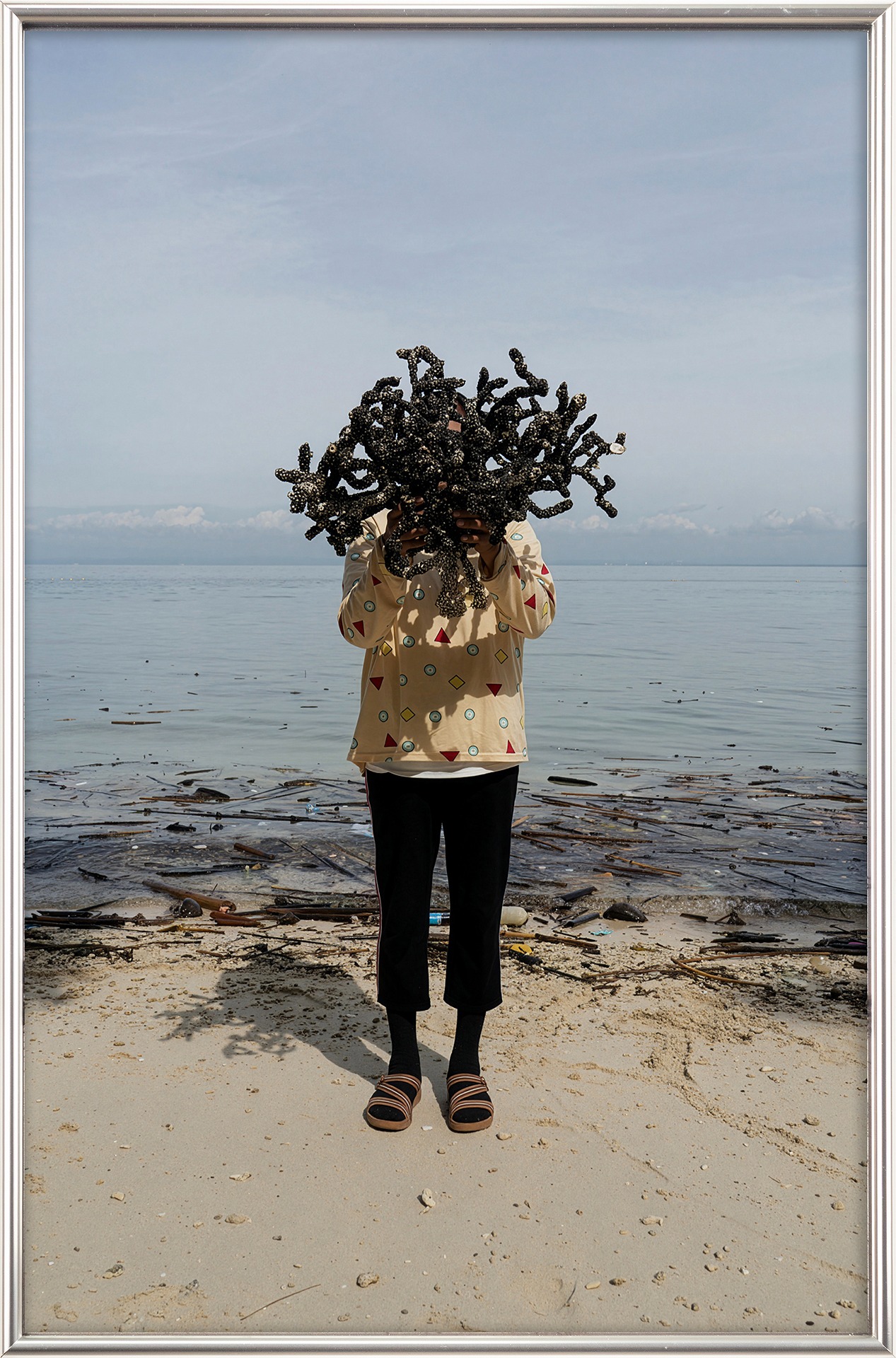
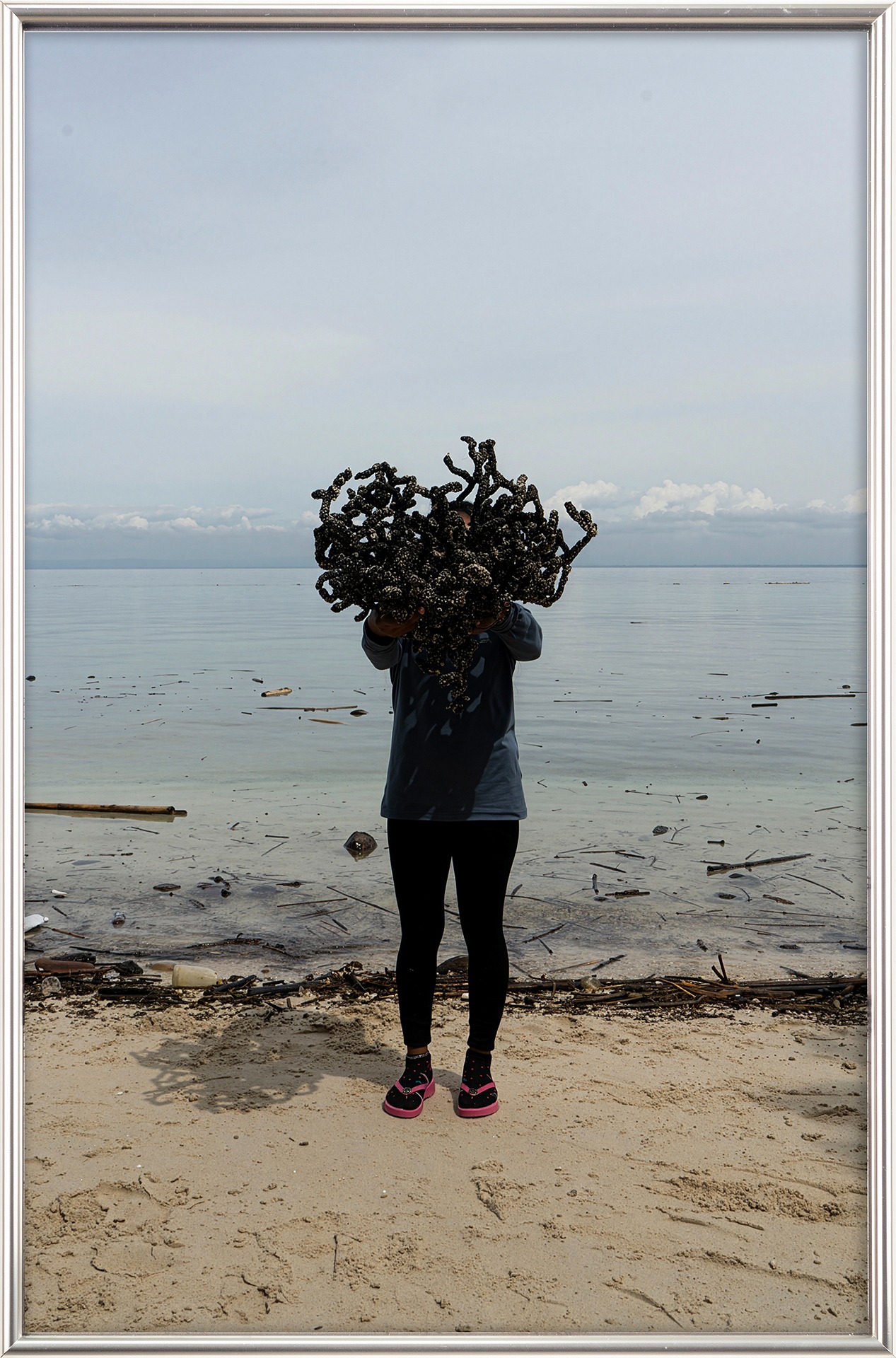
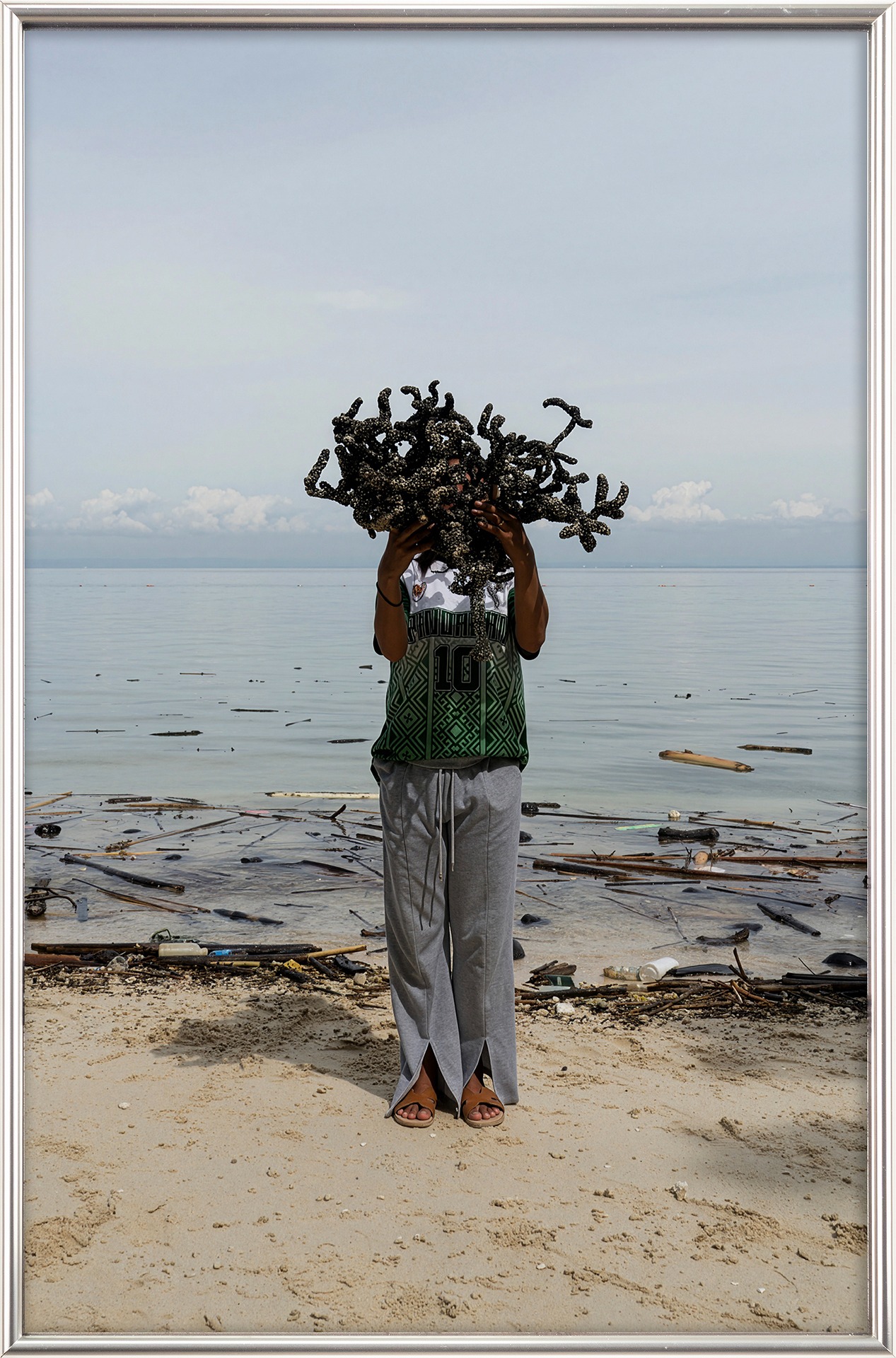
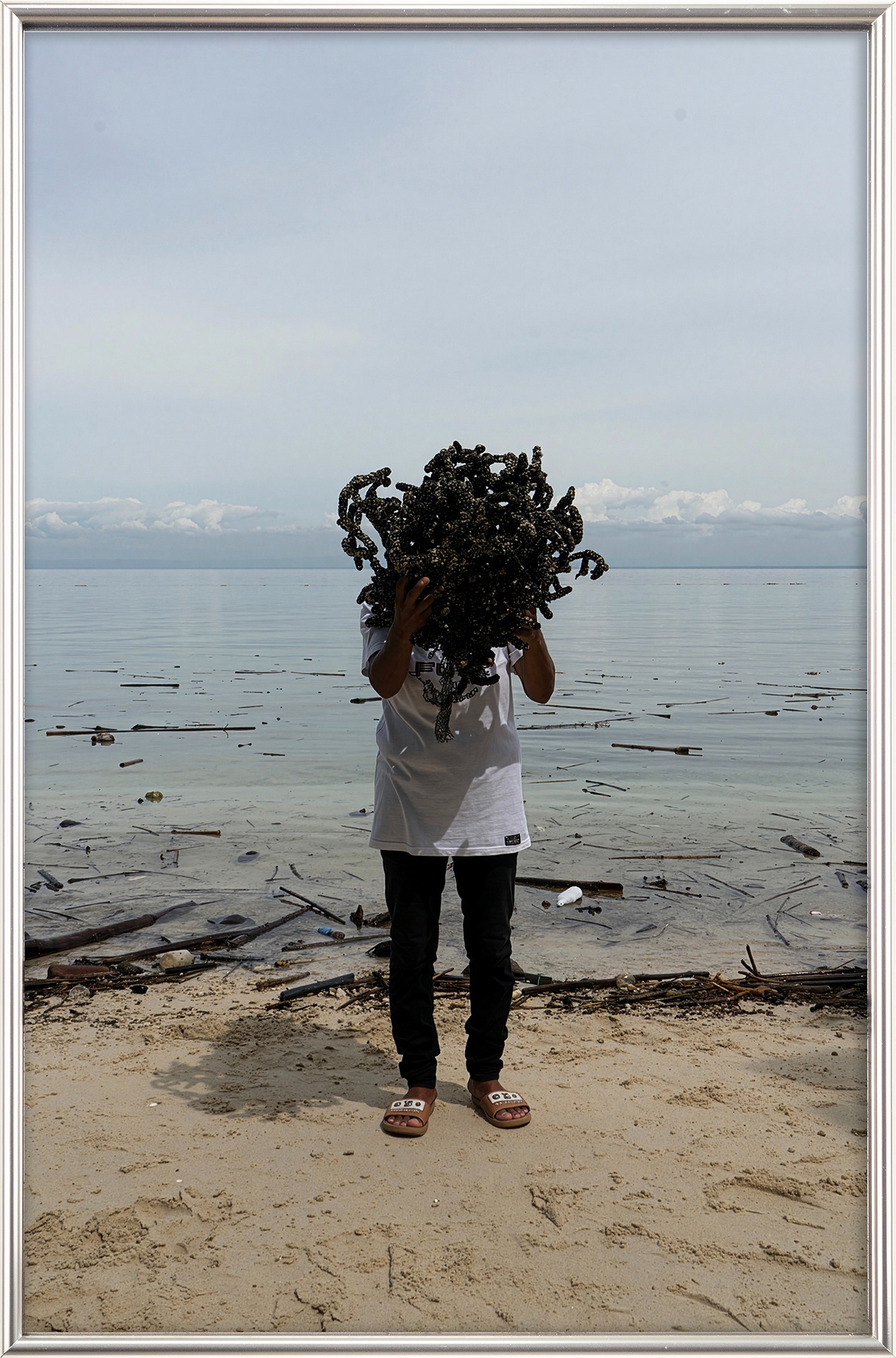
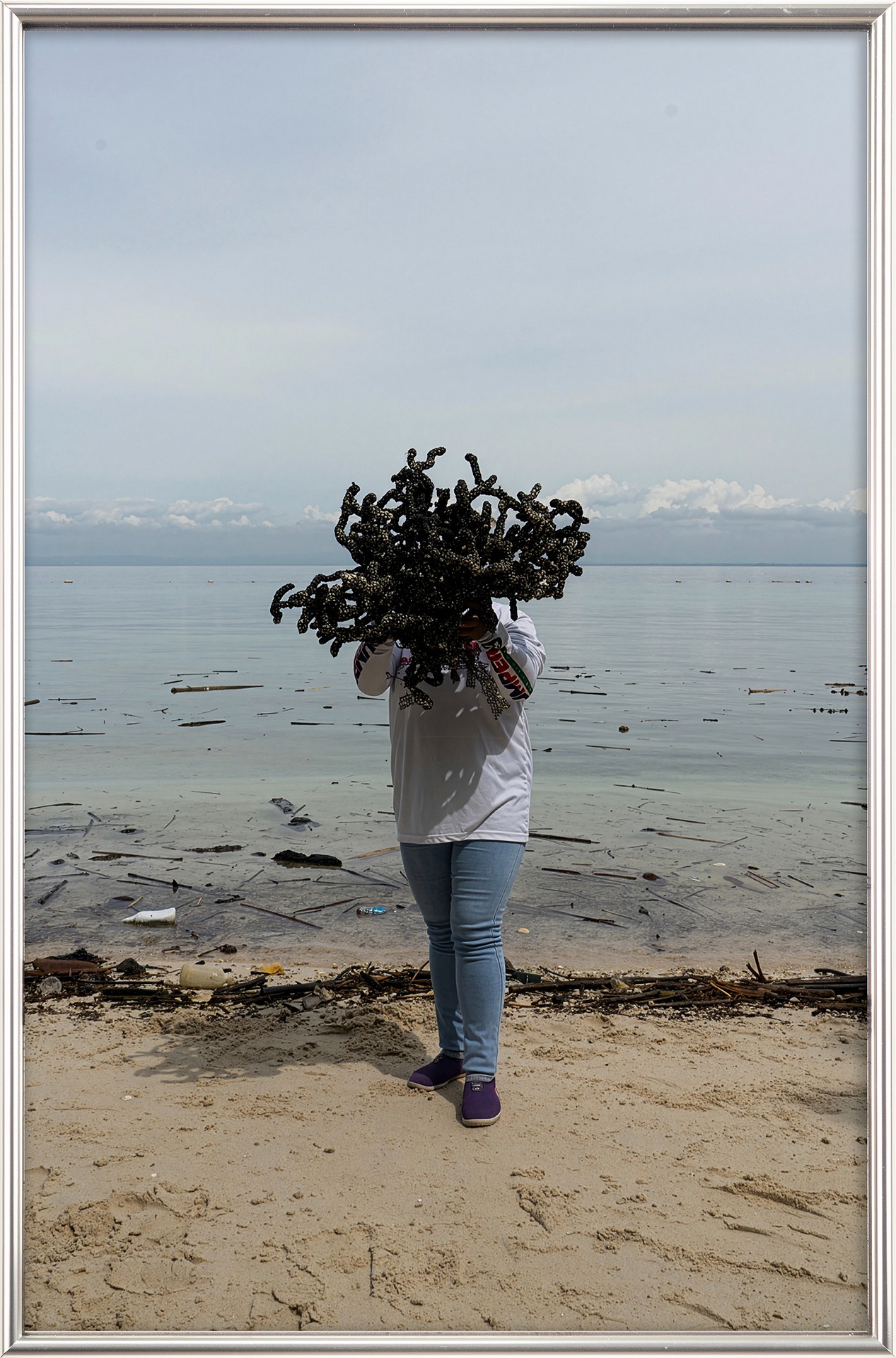
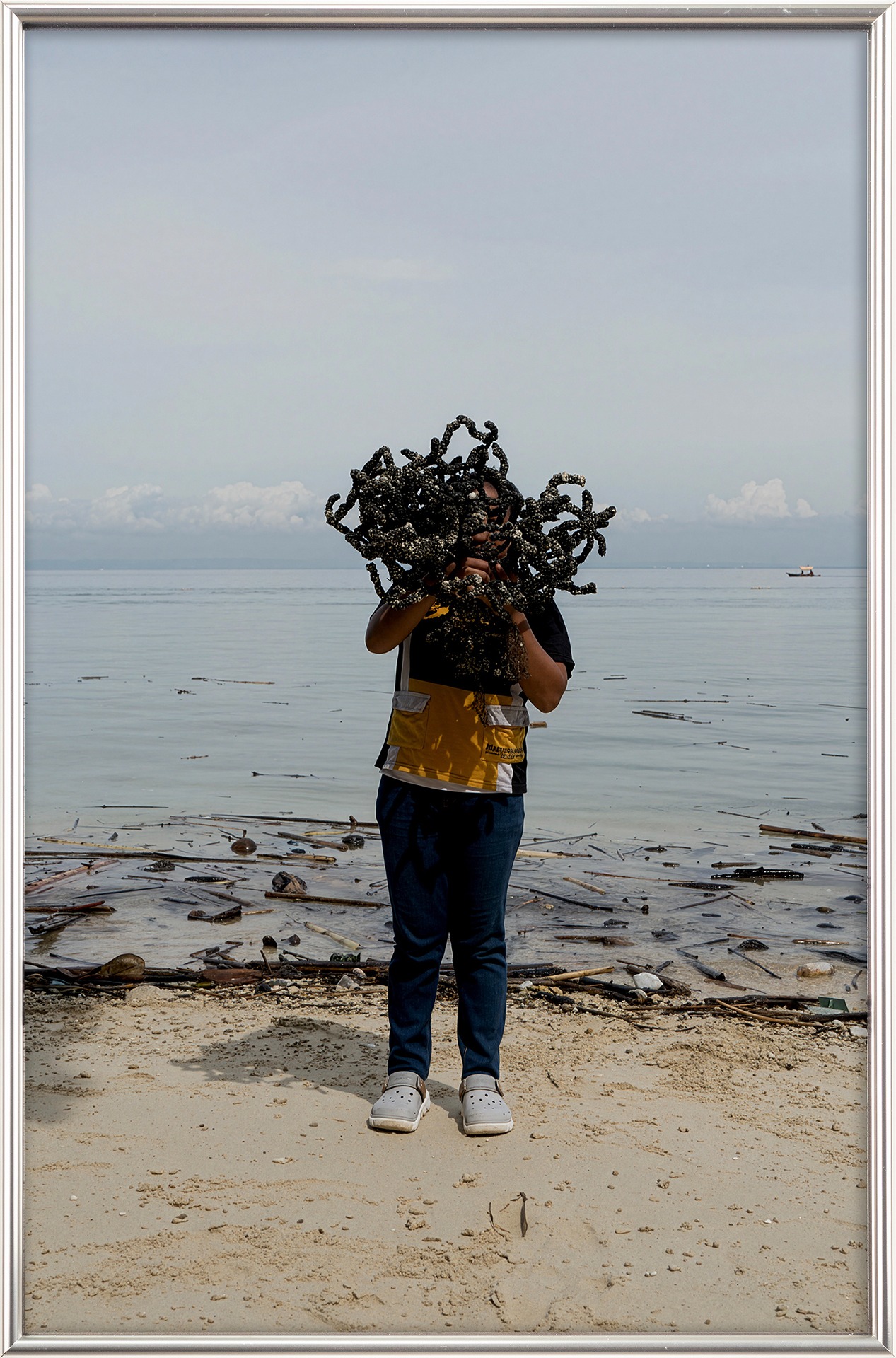
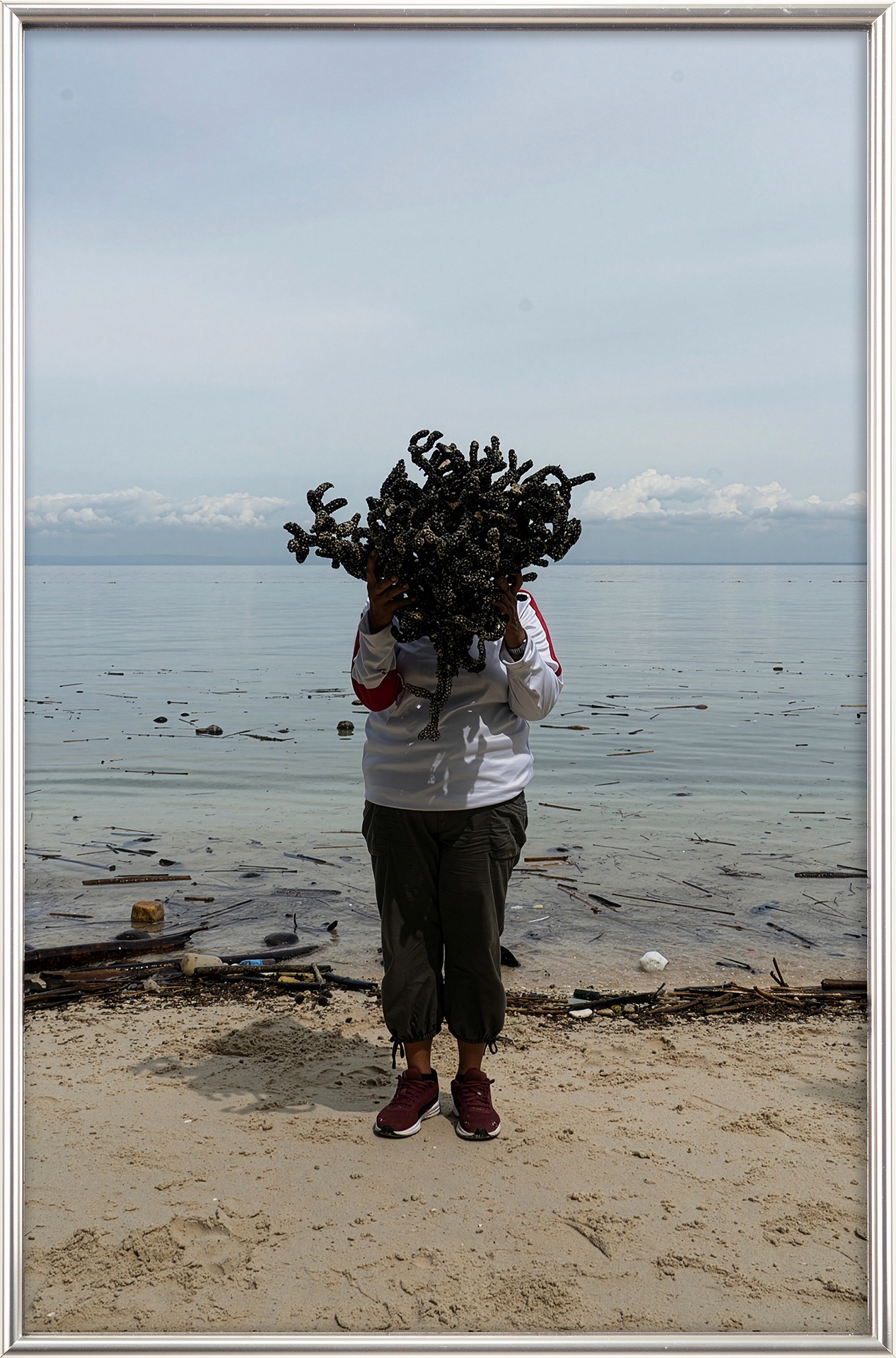
    In mother of corals, that question moves from the human figure into the natural world. The project grew from Anading’s diving expeditions in the Davao Gulf with local communities, volunteers, and marine biologists, where he encountered abandoned fishing nets that had been repurposed to collect waste along the shore. Over time, the nets became inhabited by barnacles, algae, and young coral formations.

    Anading recovered these nets and transformed them into synthetic coral structures. The material carries its previous life with it: fishing, waste, labor, damage. But it also suggests another future. Something discarded becomes a form of growth. The work holds these histories together without separating beauty from the evidence of human intervention that produced it.

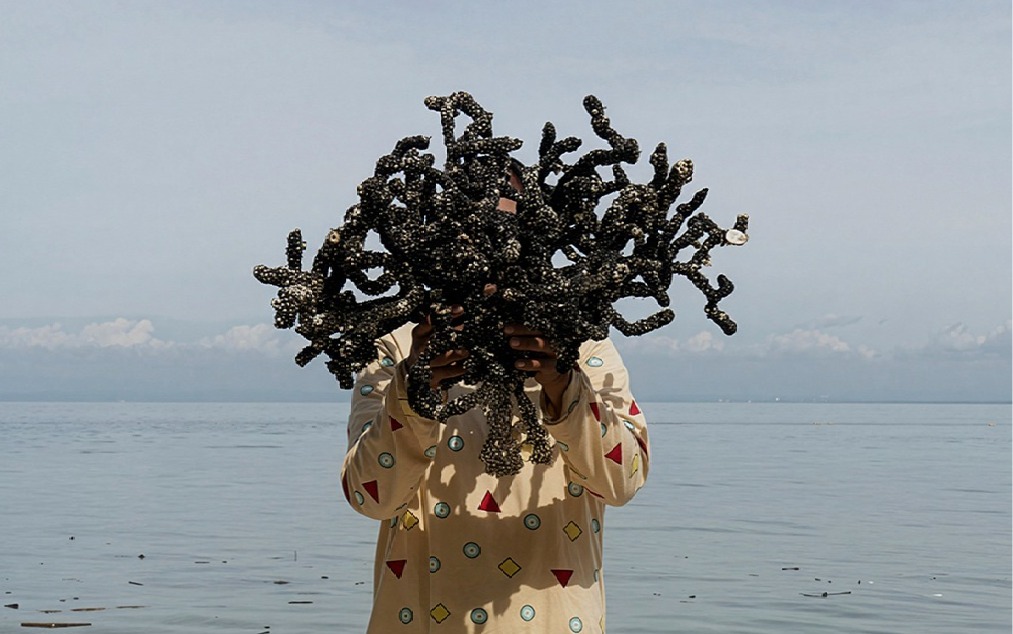
    The photographs once again return to the portrait. Women from Barangay Pindasan in Mabini, Davao de Oro, who participated in retrieving and wrapping the nets, hold the coral structures against their faces. Their features disappear behind them. The gesture recalls anonymity, but here the meaning has shifted. What is concealed is no longer simply the individual. It is a way of bringing the individual into relation with a community, a place, and a shared environment.

    The effect is quietly powerful. The coral forms seem almost to grow from the bodies holding them. The photographs move between portrait and landscape, between human presence and the world around it. The people in the images are not presented as anonymous figures, but as participants in a larger ecology of labor, material, and place.

    Across these works, Anading makes photographs that resist the urge to settle. A face becomes light. A portrait becomes a performance. A fishing net becomes coral. Something disappears, only to make room for another way of seeing.

    This is what gives the work its particular charge. Anading is interested in the space between recognition and uncertainty, but also in what can happen within that space. His photographs ask us to look longer, to accept that an image may withhold as much as it reveals, and to consider presence not as something fixed but as something continually produced between people, materials, and environments.

    The presentation also comes at a significant moment in Anading’s career. He has been named the third laureate of Latitudes 2026, a contemporary photography support programme initiated by the Fondation d'entreprise Hermès in partnership with the Fondation Henri Cartier-Bresson in Paris and the International Center of Photography (ICP) in New York. Following its previous focus on Côte d'Ivoire, the programme turns to the Philippines for its next two-year cycle. Recognising Anading’s sustained exploration of the processes of creation and permutation, the selection highlights an artist whose practice moves across different mediums to address sociopolitical and environmental questions through continually evolving forms.

    At Paris Photo, these works come together as a concentrated view of an artist who has spent two decades testing the possibilities of the photographic image. His photographs are at once precise and elusive, rooted in particular places yet open to wider questions about identity, participation, ecology, and the politics of looking. They remind us that to see is never simply to observe. It is to enter into a relationship with what stands before us, and with what remains just beyond view.

    The presentation also marks the launch of seeing, being seen, the first book surveying nearly three decades of Poklong Anading’s practice. Bringing together photography, video, and sculpture, the book explores how we look, what we recognize, and what it means to be seen. The launch takes place at the Silverlens booth, Grand Palais, Main Sector, Booth D49, on 12 November at 4:00 PM.

    Poklong Anading (b. 1975, Manila, Philippines; lives and works in Manila) works with a wide range of mediums and is acclaimed for his pieces that investigate photography and travel. Fascinated with the process of creation and permutation, Anading explores different mediums to engage with a range of sociopolitical and environmental questions. Having begun his career as a painter, he is not driven by an overt agenda, but prefers to let his mind wander, thinking with and through his materials as they undergo their transformations. He frequently uses found objects and discarded materials that lead him to investigate notions of worth and value, and to explore what it means for art to exist inside and beyond capitalist production.

    Anading has completed residencies with Big Sky Mind, Manila, Philippines (2003 to 2004), Common Room, Bandung, Indonesia (2008), Bangkok University Gallery, Thailand (2013), Selasar Sunaryo Art Space, Bandung, Indonesia (2013), Philippine Art Residency Program - Alliance Francaise de Manille in Cite Internationale des Arts, Paris, Centre Intermondes, La Rochelle in France (2014) and das weisse haus, Vienna Austria (2018). He had solo exhibitions in Galerie Zimmermann Kratochwill, Graz, Austria (2010 and 2012), Taro Nasu in Japan and Athr Gallery in Jeddah (2016), 1335MABINI in Manila, Philippines (2013, 2015 and 2017). He has been included in notable group exhibitions such as: Gwangju Biennial, South Korea (2002 and 2012), No Country: Contemporary Art for South and Southeast Asia, the first exhibition of the Guggenheim UBS Map Global Art Initiative in New York, Hong Kong and Singapore (2013 to 2014), 5th Asian Art Biennial: Artist Making Movement, National Taiwan Museum of Fine Arts, Taiwan (2015), The Shadow Never Lies, Minsheng Art Museum, Shanghai, Afterwork, Para Site, Hong Kong, China and in the Architecture Biennale for the 15th International Architecture Exhibition, Philippine Pavilion: Muhon: Traces of an Adolescent City at Palazzo Mora, Venice, Italy (2016), Constellations, Photographs in Dialogue, SFMOMA, California, USA (2021) and Living Pictures: Photography in Southeast Asia at National Gallery Singapore (2022).

Silverlens participates in Paris Photo for the first time in over a decade, with a solo presentation of Poklong Anading. As one of the most vital force-multipliers from Southeast Asia, Anading brings a remarkable body of work to the Grand Palais, Main Sector, Booth D49, on 12–15 November.

Spanning nearly thirty years of the artist’s practice, the presentation brings together anonymity (2004–present), flash back, and mother of corals, tracing Anading’s exploration of presence, light, and the gradual dissolution of the recognizable figure. Faces vanish into light, portraits become encounters, and discarded materials take on new forms, revealing how seeing is never quite as straightforward as it first appears.

Anading often begins with one of photography’s most familiar subjects: the human face. But instead of offering recognition, he interrupts it. A figure turns away. A face is covered by light. A mirror sends the sun directly into the camera. The resulting image is beautiful, but also slightly unsettling. We know we are looking at someone, yet the photograph withholds the very information we expect it to provide.

This tension has defined anonymity, begun in 2004 and still evolving. In the series, subjects hold mirrors toward the sun, directing reflected light into the camera until their faces disappear. The flare can feel almost theatrical: a sudden flash that both announces and conceals the person in front of us. The more we look, the less certain the image becomes.

The photographs also resist easy identification through their circumstances of making. Anading works spontaneously and intuitively, responding to the weather and to whether someone is willing to pose. As he explains, “Part of the fun is guessing where each picture was taken.” The photographs span Baler, Castlemaine, El Nido, Manila, Paris, Siargao, Venice, and Vienna, though the artist admits that he cannot always remember exactly whom he photographed or where each image was made. These details become part of the work’s open-ended character: the images retain traces of particular encounters while withholding the certainty of a fixed identity or place.

The gesture also changes the balance between subject and viewer. These are not passive sitters waiting to be photographed. They determine what can be seen. The viewer, in turn, becomes aware of looking, and of being looked back at through the image. What might have been a conventional portrait becomes something more intimate and ambiguous: a negotiation between two people, separated by the camera.

That exchange becomes communal in flash back, an evolving series developed through workshops with students and faculty of KMITL in Bangkok. Participants use mirrors to redirect sunlight toward the camera, creating portraits in which their faces are again overtaken by light. Made behind the Prasom Rangsiroj Conference Hall, the photographs carry the atmosphere of a shared place: a school, a gathering point, a space where people encounter one another.

Here, the making of the photograph becomes part of the photograph itself. The participants are not simply represented; they take part in deciding how they will appear. The resulting images retain something spontaneous and performative. There is a pleasure in the gesture, but also a quiet refusal: the sitter is present without becoming entirely available to the viewer.

In the series’ sensor-driven installation, this relationship continues into the exhibition space. The portraits appear and disappear in response to the movement of visitors. The work waits for someone to enter. A viewer activates the image, and then becomes part of its fleeting life. The photograph exists somewhere between appearance and disappearance, depending on the presence of another person.

Light is therefore more than a visual device in Anading’s work. It is a way of thinking. It can reveal and conceal within the same instant; it can make an image vivid while making its subject unknowable. Anading takes this basic condition of photography and turns it into a source of possibility. The photograph does not have to tell us everything. Its power can lie precisely in what it leaves unresolved.

In mother of corals, that question moves from the human figure into the natural world. The project grew from Anading’s diving expeditions in the Davao Gulf with local communities, volunteers, and marine biologists, where he encountered abandoned fishing nets that had been repurposed to collect waste along the shore. Over time, the nets became inhabited by barnacles, algae, and young coral formations.

Anading recovered these nets and transformed them into synthetic coral structures. The material carries its previous life with it: fishing, waste, labor, damage. But it also suggests another future. Something discarded becomes a form of growth. The work holds these histories together without separating beauty from the evidence of human intervention that produced it.

The photographs once again return to the portrait. Women from Barangay Pindasan in Mabini, Davao de Oro, who participated in retrieving and wrapping the nets, hold the coral structures against their faces. Their features disappear behind them. The gesture recalls anonymity, but here the meaning has shifted. What is concealed is no longer simply the individual. It is a way of bringing the individual into relation with a community, a place, and a shared environment.

The effect is quietly powerful. The coral forms seem almost to grow from the bodies holding them. The photographs move between portrait and landscape, between human presence and the world around it. The people in the images are not presented as anonymous figures, but as participants in a larger ecology of labor, material, and place.

Across these works, Anading makes photographs that resist the urge to settle. A face becomes light. A portrait becomes a performance. A fishing net becomes coral. Something disappears, only to make room for another way of seeing.

This is what gives the work its particular charge. Anading is interested in the space between recognition and uncertainty, but also in what can happen within that space. His photographs ask us to look longer, to accept that an image may withhold as much as it reveals, and to consider presence not as something fixed but as something continually produced between people, materials, and environments.

The presentation also comes at a significant moment in Anading’s career. He has been named the third laureate of Latitudes 2026, a contemporary photography support programme initiated by the Fondation d'entreprise Hermès in partnership with the Fondation Henri Cartier-Bresson in Paris and the International Center of Photography (ICP) in New York. Following its previous focus on Côte d'Ivoire, the programme turns to the Philippines for its next two-year cycle. Recognising Anading’s sustained exploration of the processes of creation and permutation, the selection highlights an artist whose practice moves across different mediums to address sociopolitical and environmental questions through continually evolving forms.

At Paris Photo, these works come together as a concentrated view of an artist who has spent two decades testing the possibilities of the photographic image. His photographs are at once precise and elusive, rooted in particular places yet open to wider questions about identity, participation, ecology, and the politics of looking. They remind us that to see is never simply to observe. It is to enter into a relationship with what stands before us, and with what remains just beyond view.

The presentation also marks the launch of seeing, being seen, the first book surveying nearly three decades of Poklong Anading’s practice. Bringing together photography, video, and sculpture, the book explores how we look, what we recognize, and what it means to be seen. The launch takes place at the Silverlens booth, Grand Palais, Main Sector, Booth D49, on 12 November at 4:00 PM.

Poklong Anading (b. 1975, Manila, Philippines; lives and works in Manila) works with a wide range of mediums and is acclaimed for his pieces that investigate photography and travel. Fascinated with the process of creation and permutation, Anading explores different mediums to engage with a range of sociopolitical and environmental questions. Having begun his career as a painter, he is not driven by an overt agenda, but prefers to let his mind wander, thinking with and through his materials as they undergo their transformations. He frequently uses found objects and discarded materials that lead him to investigate notions of worth and value, and to explore what it means for art to exist inside and beyond capitalist production.

Anading has completed residencies with Big Sky Mind, Manila, Philippines (2003 to 2004), Common Room, Bandung, Indonesia (2008), Bangkok University Gallery, Thailand (2013), Selasar Sunaryo Art Space, Bandung, Indonesia (2013), Philippine Art Residency Program - Alliance Francaise de Manille in Cite Internationale des Arts, Paris, Centre Intermondes, La Rochelle in France (2014) and das weisse haus, Vienna Austria (2018). He had solo exhibitions in Galerie Zimmermann Kratochwill, Graz, Austria (2010 and 2012), Taro Nasu in Japan and Athr Gallery in Jeddah (2016), 1335MABINI in Manila, Philippines (2013, 2015 and 2017). He has been included in notable group exhibitions such as: Gwangju Biennial, South Korea (2002 and 2012), No Country: Contemporary Art for South and Southeast Asia, the first exhibition of the Guggenheim UBS Map Global Art Initiative in New York, Hong Kong and Singapore (2013 to 2014), 5th Asian Art Biennial: Artist Making Movement, National Taiwan Museum of Fine Arts, Taiwan (2015), The Shadow Never Lies, Minsheng Art Museum, Shanghai, Afterwork, Para Site, Hong Kong, China and in the Architecture Biennale for the 15th International Architecture Exhibition, Philippine Pavilion: Muhon: Traces of an Adolescent City at Palazzo Mora, Venice, Italy (2016), Constellations, Photographs in Dialogue, SFMOMA, California, USA (2021) and Living Pictures: Photography in Southeast Asia at National Gallery Singapore (2022).

Works
Poklong Anading
flash back (no. 7)
2024
18320
2
interactive photographic sequence and embedded computer
approx. 25.2h x 47.3w x 3.94 in • 64h x 111w x 10d cm
-1
0.00
PHP
0
Details
Poklong Anading
mother of corals (no. 1)
2025
18321
2
Print on metal
20h x 13w x 0.78d in • 50.8h x 33w x 2d cm
-1
0.00
PHP
0
Details
Poklong Anading
mother of corals (no. 2)
2025
18324
2
Print on metal
20h x 13w x 0.78d in • 50.8h x 33w x 2d cm
-1
0.00
PHP
0
Details
Poklong Anading
mother of corals (no. 3)
2025
18323
2
Print on metal
20h x 13w x 0.78d in • 50.8h x 33w x 2d cm
-1
0.00
PHP
0
Details
Poklong Anading
mother of corals (no. 4)
2025
18326
2
Print on metal
20h x 13w x 0.78d in • 50.8h x 33w x 2d cm
-1
0.00
PHP
0
Details
Poklong Anading
mother of corals (no. 7)
2025
18322
2
Print on metal
20h x 13w x 0.78d in • 50.8h x 33w x 2d cm
-1
0.00
PHP
0
Details
Poklong Anading
mother of corals (no. 6)
2025
18325
2
Print on metal
20h x 13w x 0.78d in • 50.8h x 33w x 2d cm
-1
0.00
PHP
0
Details
Poklong Anading
mother of corals (no. 5)
2025
18336
2
Print on metal
20h x 13w x 0.78d in • 50.8h x 33w x 2d cm
-1
0.00
PHP
0
Details
Poklong Anading
mother of corals (no. 8)
2025
18337
2
Print on metal
20h x 13w x 0.78d in • 50.8h x 33w x 2d cm
-1
0.00
PHP
0
Details
Poklong Anading
mother of corals (no. 9)
2025
18338
2
Print on metal
20h x 13w x 0.78d in • 50.8h x 33w x 2d cm
-1
0.00
PHP
0
Details
Poklong Anading
mother of corals (no. 10)
2025
18339
2
Print on metal
20h x 13w x 0.78d in • 50.8h x 33w x 2d cm
-1
0.00
PHP
0
Details
Poklong Anading
anonymity (no. 1)
2026
18327
2
chromogenic transparency in lightbox
20.87h x 19.69w x 1.38d in • 53h x 50w x 3.5d cm
-1
0.00
PHP
0
Details
Poklong Anading
anonymity (no. 2)
2026
18328
2
chromogenic transparency in lightbox
20.87h x 19.69w x 1.38d in • 53h x 50w x 3.5d cm
-1
0.00
PHP
0
Details
Poklong Anading
anonymity (no. 3)
2026
18329
2
chromogenic transparency in lightbox
20.87h x 19.69w x 1.38d in • 53h x 50w x 3.5d cm
-1
0.00
PHP
0
Details
Poklong Anading
anonymity (no. 4)
2026
18330
2
chromogenic transparency in lightbox
20.87h x 19.69w x 1.38d in • 53h x 50w x 3.5d cm
-1
0.00
PHP
0
Details
Poklong Anading
anonymity (no. 5)
2026
18331
2
chromogenic transparency in lightbox
20.87h x 19.69w x 1.38d in • 53h x 50w x 3.5d cm
-1
0.00
PHP
0
Details
Poklong Anading
anonymity (no. 6)
2026
18332
2
chromogenic transparency in lightbox
20.87h x 19.69w x 1.38d in • 53h x 50w x 3.5d cm
-1
0.00
PHP
0
Details
Poklong Anading
anonymity (no. 7)
2026
18333
2
chromogenic transparency in lightbox
20.87h x 19.69w x 1.38d in • 53h x 50w x 3.5d cm
-1
0.00
PHP
0
Details
Poklong Anading
anonymity (no. 8)
2026
18334
2
chromogenic transparency in lightbox
20.87h x 19.69w x 1.38d in • 53h x 50w x 3.5d cm
-1
0.00
PHP
0
Details
Poklong Anading
anonymity (no. 9)
2026
18335
2
chromogenic transparency in lightbox
20.87h x 19.69w x 1.38d in • 53h x 50w x 3.5d cm
-1
0.00
PHP
0
Details

Installation Views

PHA+PHN0cm9uZz5TSUxWRVJMRU5TPC9zdHJvbmc+IGlzIGNvbW1pdHRlZCB0byBwcm90ZWN0aW5nIHlvdXIgcHJpdmFjeS4gSW4gY29tcGxpYW5jZSB3aXRoIHRoZSBQaGlsaXBwaW5lIFJlcHVibGljIEFjdCwgTm8uIDEwMTczIGJldHRlciBrbm93biBhcyB0aGUgMjAxMiBEYXRhIFByaXZhY3kgQWN0LCB3ZSBjYW4gb25seSB1c2UgdGhlIGluZm9ybWF0aW9uIHRoYXQgd2Ugb2J0YWluIGFib3V0IHlvdSBsYXdmdWxseS4gV2UgbWF5IGNvbGxlY3QgcGVyc29uYWwgaW5mb3JtYXRpb24gYWJvdXQgeW91IHdoZW4geW91IHNpZ24gdXAgZm9yIG91ciBuZXdzbGV0dGVyIG9yIGNvbnRhY3QgdXMgd2l0aCBhbiBpbnF1aXJ5LjwvcD4KPHA+VGhlIHR5cGUgb2YgaW5mb3JtYXRpb24gd2UgbWF5IGNvbGxlY3QgaW5jbHVkZXMgeW91ciA8c3Ryb25nPk5hbWU8L3N0cm9uZz4sIDxzdHJvbmc+RW1haWw8L3N0cm9uZz4sIGFuZCA8c3Ryb25nPkNvbnRhY3QgTnVtYmVyPC9zdHJvbmc+LjwvcD4KPHA+V2UgbWF5IGNvbGxlY3QgcGF5bWVudCBpbmZvcm1hdGlvbiBmcm9tIHlvdSB0byBmdWxmaWxsIHRyYW5zYWN0aW9ucy4gVG8gcHJvY2VzcyBwYXltZW50cywgd2UgbWF5IGNvbGxlY3QgeW91ciBjcmVkaXQgY2FyZCBhbmQgYmFuayBhY2NvdW50IGRldGFpbHMuIFRoaXMgaW5mb3JtYXRpb24gbWF5IGJlIHNoYXJlZCB3aXRoIHRoaXJkIHBhcnR5IHBheW1lbnQgcHJvY2Vzc2luZyBzZXJ2aWNlcy48L3A+CjxwPlRvIGRlbGl2ZXIgeW91ciBwdXJjaGFzZSwgd2UgbWF5IHByb3ZpZGUgeW91ciBwZXJzb25hbCBpbmZvcm1hdGlvbiB0byB0aGlyZC1wYXJ0eSBsb2dpc3RpY3MgY29tcGFuaWVzIHdobyBhc3Npc3QgdXMgd2l0aCBvdXIgZGVsaXZlcmllcyBhbmQgc2hpcG1lbnRzLjwvcD4KPHA+VGhlIHBlcnNvbmFsIGluZm9ybWF0aW9uIHdoaWNoIHdlIGhvbGQgd2lsbCBiZSBoZWxkIHNlY3VyZWx5IGluIGFjY29yZGFuY2Ugd2l0aCBvdXIgaW50ZXJuYWwgc2VjdXJpdHkgcG9saWN5LiBXZSB3aWxsIG5ldmVyIGNvbGxlY3QgaW5mb3JtYXRpb24gYWJvdXQgeW91IHdpdGhvdXQgeW91ciBleHBsaWNpdCBjb25zZW50LjwvcD4KPHA+VGhlIGluZm9ybWF0aW9uIHdlIHN0b3JlIHdpbGwgYmUgYWNjdXJhdGUgYW5kIHVwIHRvIGRhdGUuIFlvdSBjYW4gY2hlY2sgdGhlIGluZm9ybWF0aW9uIHRoYXQgd2UgaG9sZCBhYm91dCB5b3UgYnkgZW1haWxpbmcgdXMuIElmIHlvdSBmaW5kIHRoYXQgdGhlcmUgYXJlIGFueSBpbmFjY3VyYWNpZXMsIHdlIHdpbGwgZGVsZXRlIG9yIGNvcnJlY3QgaXQgcHJvbXB0bHkuPC9wPgo8cD5XZSBtYXkgdXNlIHRlY2hub2xvZ3kgdG8gdHJhY2sgdGhlIHBhdHRlcm5zIG9mIGJlaGF2aW9yIG9mIHZpc2l0b3JzIHRvIG91ciB3ZWJzaXRlLiBUaGlzIG1heSBpbmNsdWRlIHVzaW5nIGEgImNvb2tpZSIgc3RvcmVkIG9uIHlvdXIgYnJvd3NlciB3aGljaCB5b3UgY2FuIHVzdWFsbHkgbW9kaWZ5IHRocm91Z2ggeW91ciBicm93c2VyIHRvIHByZXZlbnQgdGhpcyBmcm9tIGhhcHBlbmluZy48L3A+CjxwPldlIHdpbGwgcmV0YWluIHlvdXIgcGVyc29uYWwgaW5mb3JtYXRpb24gb25seSB3aGlsZSB3ZSBuZWVkIGl0IGZvciB0aGUgcmVhc29ucyBzdGF0ZWQgYWJvdmUgb3IgdW50aWwgeW91IHJlcXVlc3QgdGhhdCB3ZSBkZWxldGUgaXQgb24gb3VyIHJlY29yZHMuPC9wPgo8cD5JZiB5b3UgaGF2ZSBhbnkgcXVlc3Rpb25zIG9yIGNvbW1lbnRzIGFib3V0IG91ciBwcml2YWN5LCBwbGVhc2UgY29udGFjdCB1cyBhdCA8YSBocmVmPSJtYWlsdG86aW5xdWlyeUBzaWx2ZXJsZW5zZ2FsbGVyaWVzLmNvbSI+aW5xdWlyeUBzaWx2ZXJsZW5zZ2FsbGVyaWVzLmNvbTwvYT48L3A+
R2FpbiBhY2Nlc3MgdG8gZXhjbHVzaXZlIGdhbGxlcnkgaW5mb3JtYXRpb24sIGxhdGVzdCBleGhpYml0aW9ucywgPGJyIC8+CmFuZCBhcnRpc3QgdXBkYXRlcyBieSBzaWduaW5nIHVwIGZvciBvdXIgbmV3c2xldHRlciBiZWxvdy4=