PLAY
Jenifer K Wofford, Jake Verzosa, Aze Ong
Silverlens, Manila
About

What is it that transforms space into place— into something occupied, a charted land? What turns nowhere into somewhere, into a home dwelled in, into a landmark worth remembering? If a place gathers, what or who is it that gathers to culminate it? And is a place simply what people make of it? If communities, as Benedict Anderson had eminently written, are imagined, then could place-making be the work of imagination as well?
Arjun Appadurai writes of imagination as a key aspect of social life that works to shape spatial realities and sensibilities, the potency of which even impels and compels collective movements, dissent, and transnational migration, as well as other ways of seeing, dwelling, and place-making. He imagines the world as a world of flows— referring to the movement of things, ideas, and people across the globe— and terms these flows as ‘scapes,’ interestingly evoking the notion of place.
Following this lens, we might conceive of place-making as the work of imagination and a combination of these flows— rendering place not as a static space, but one that is dynamically constructed, perhaps even a site of play.
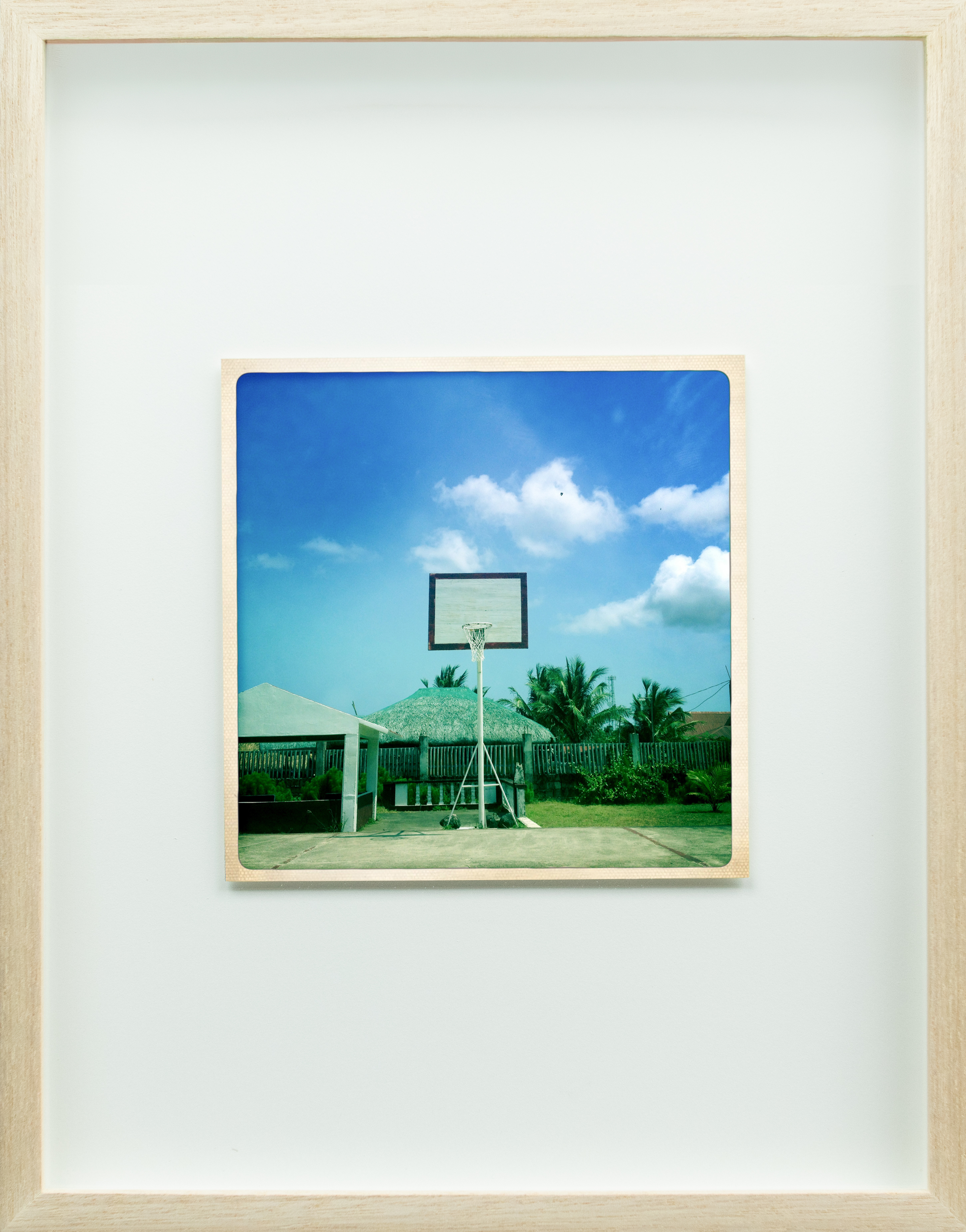
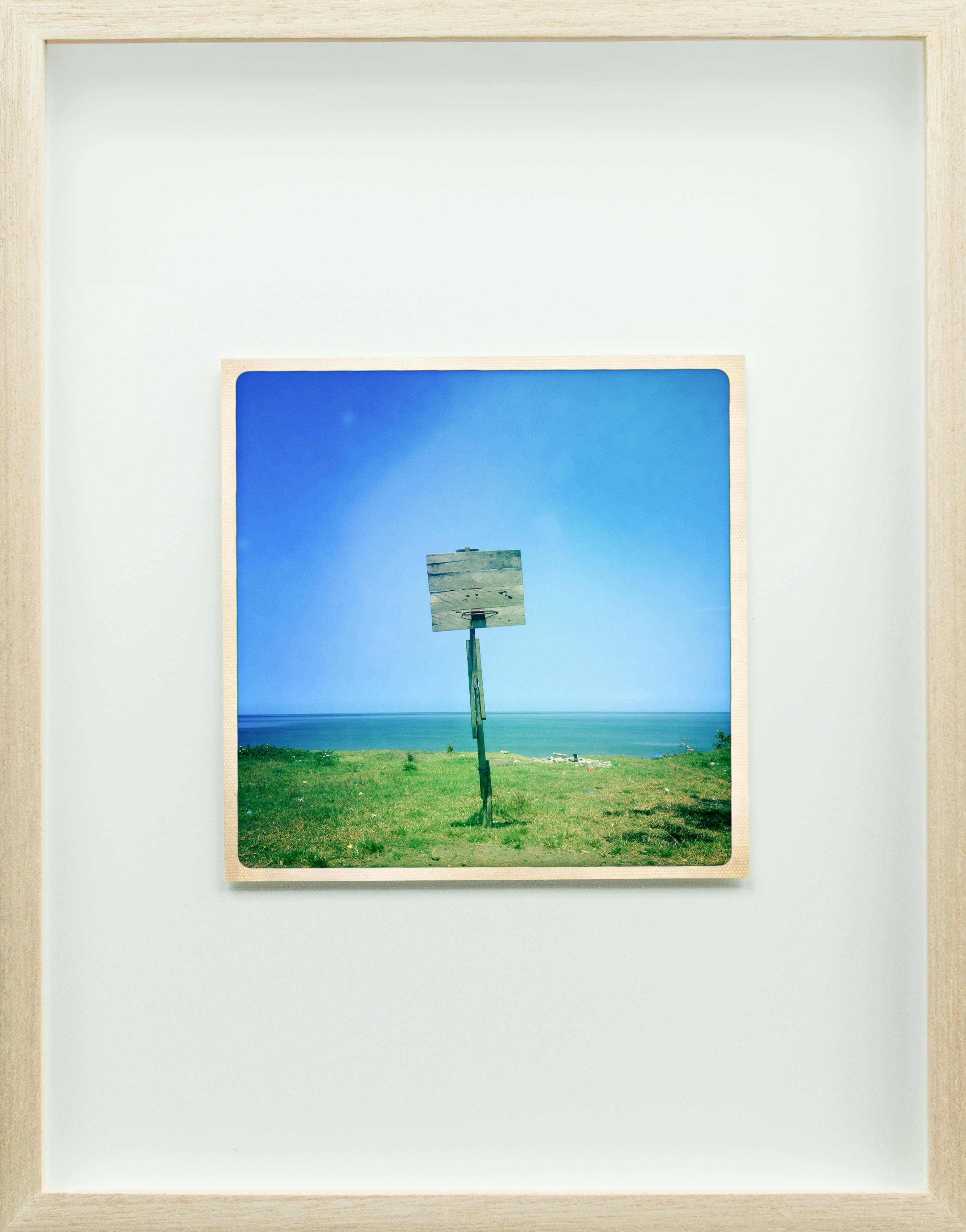
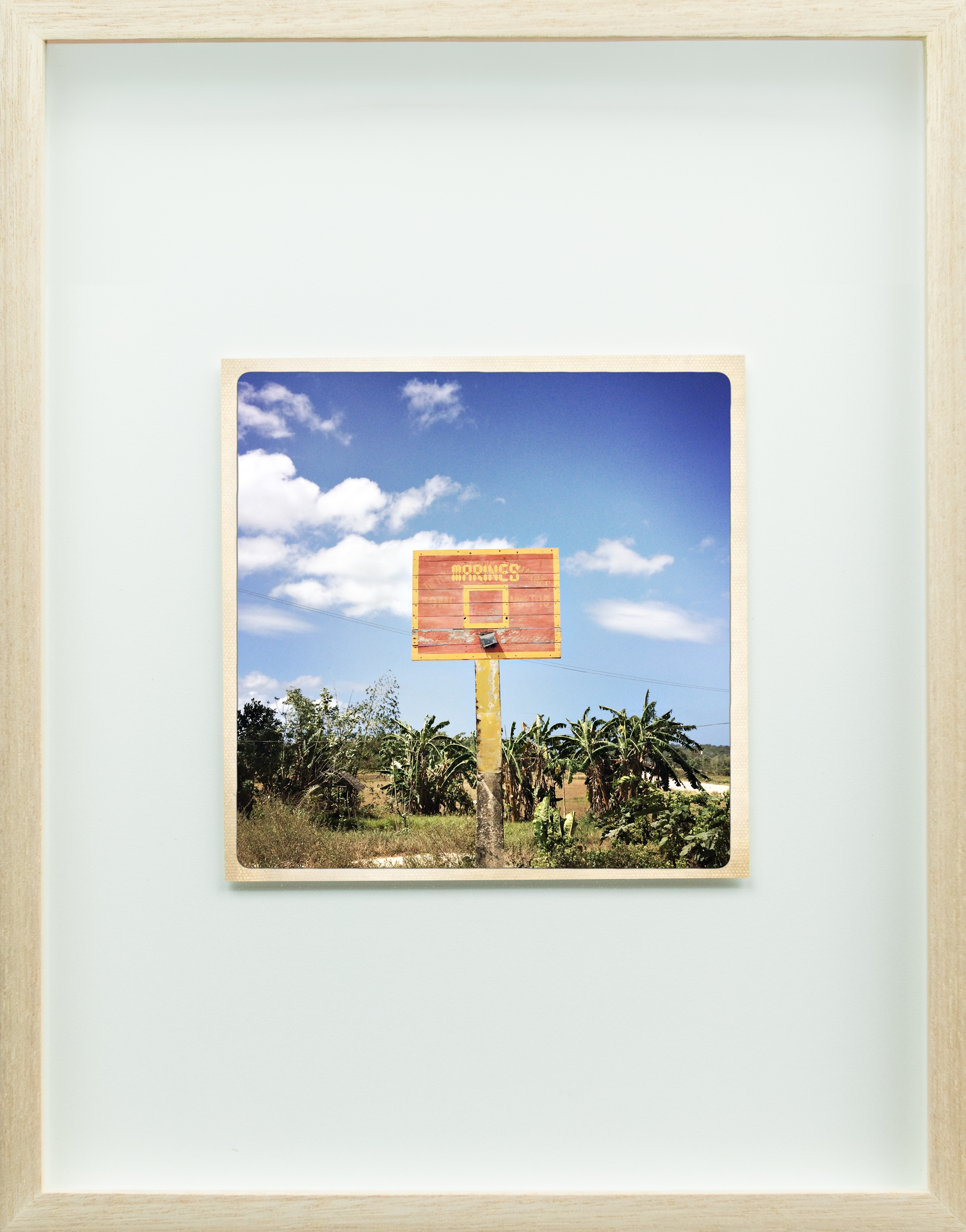
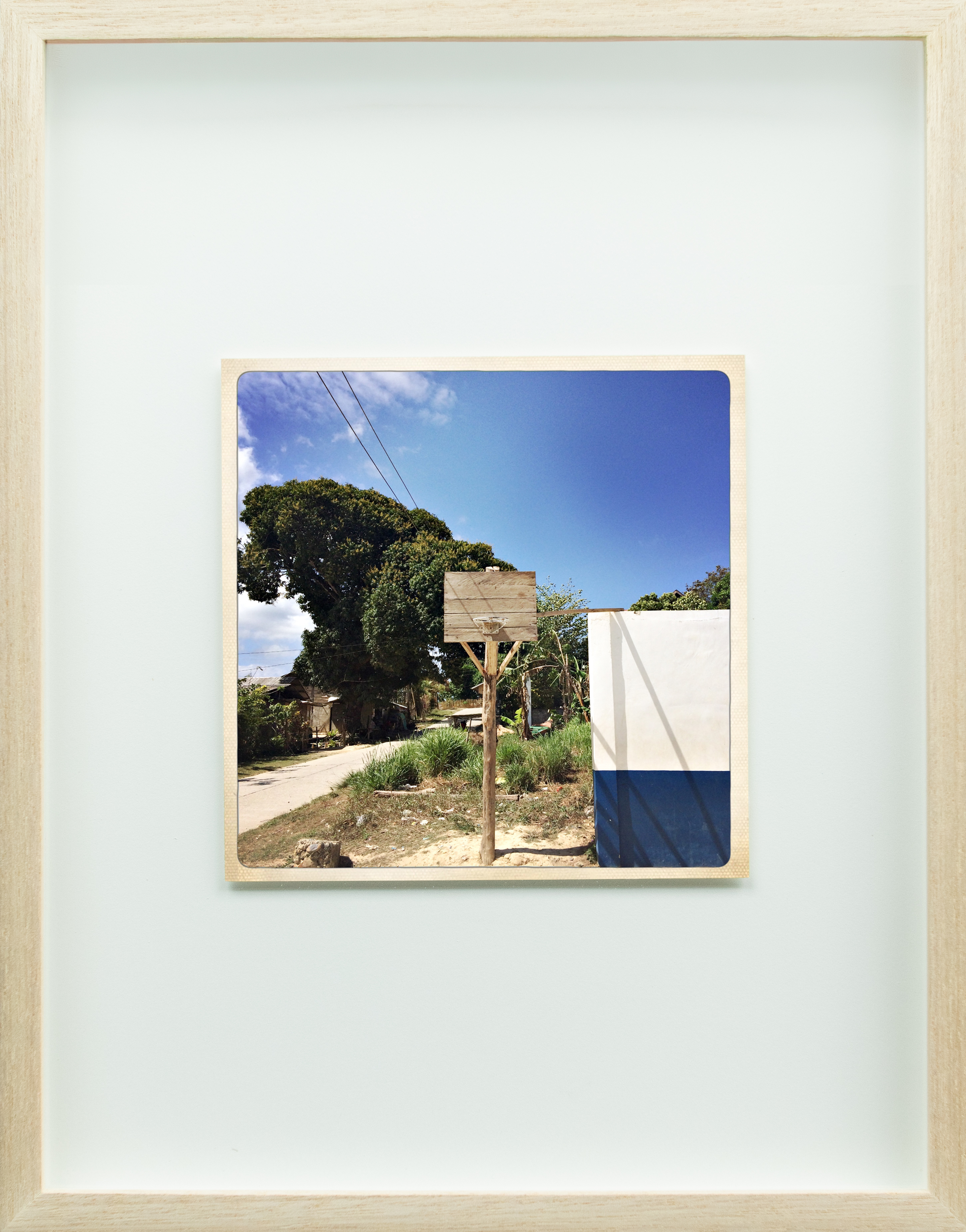
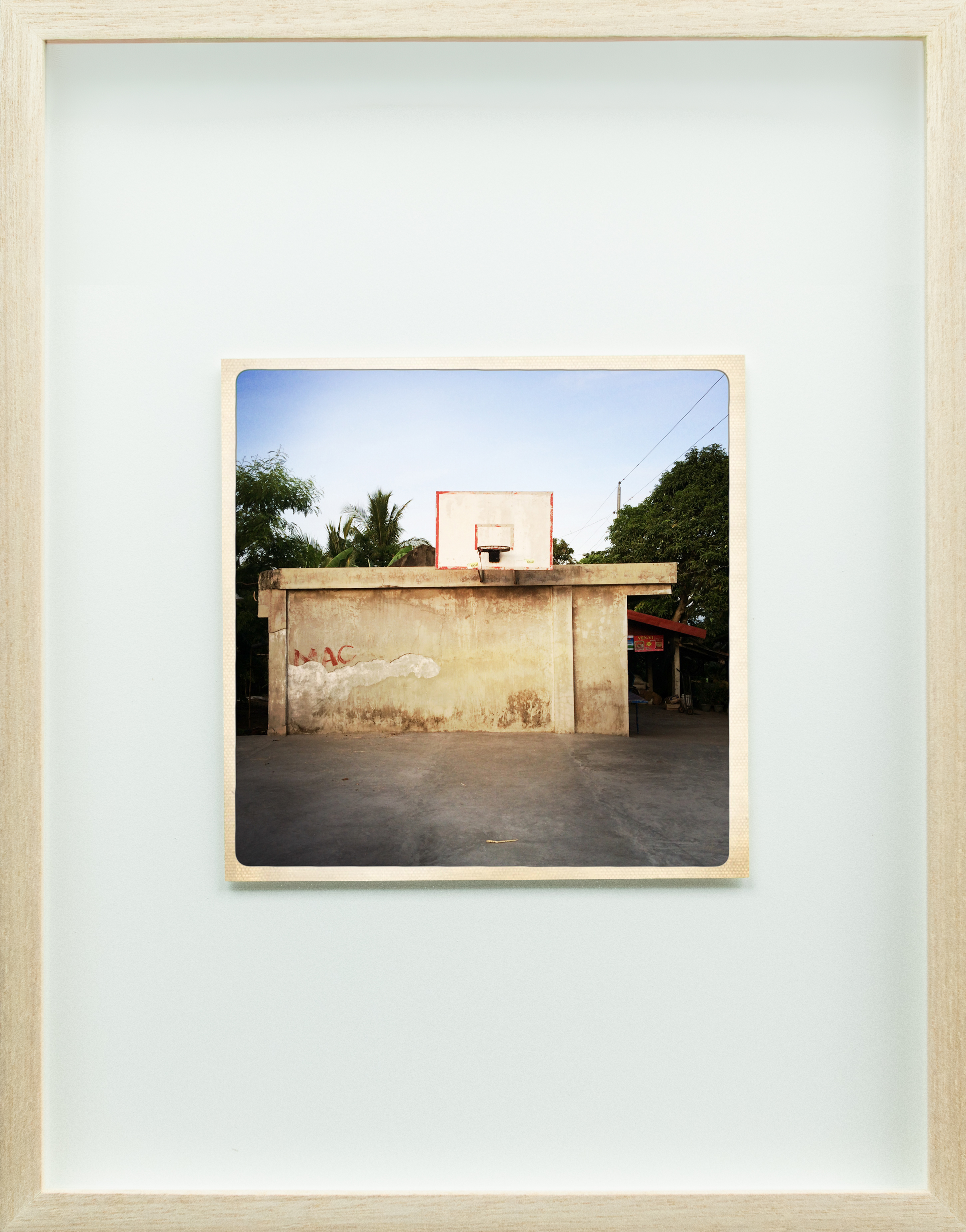
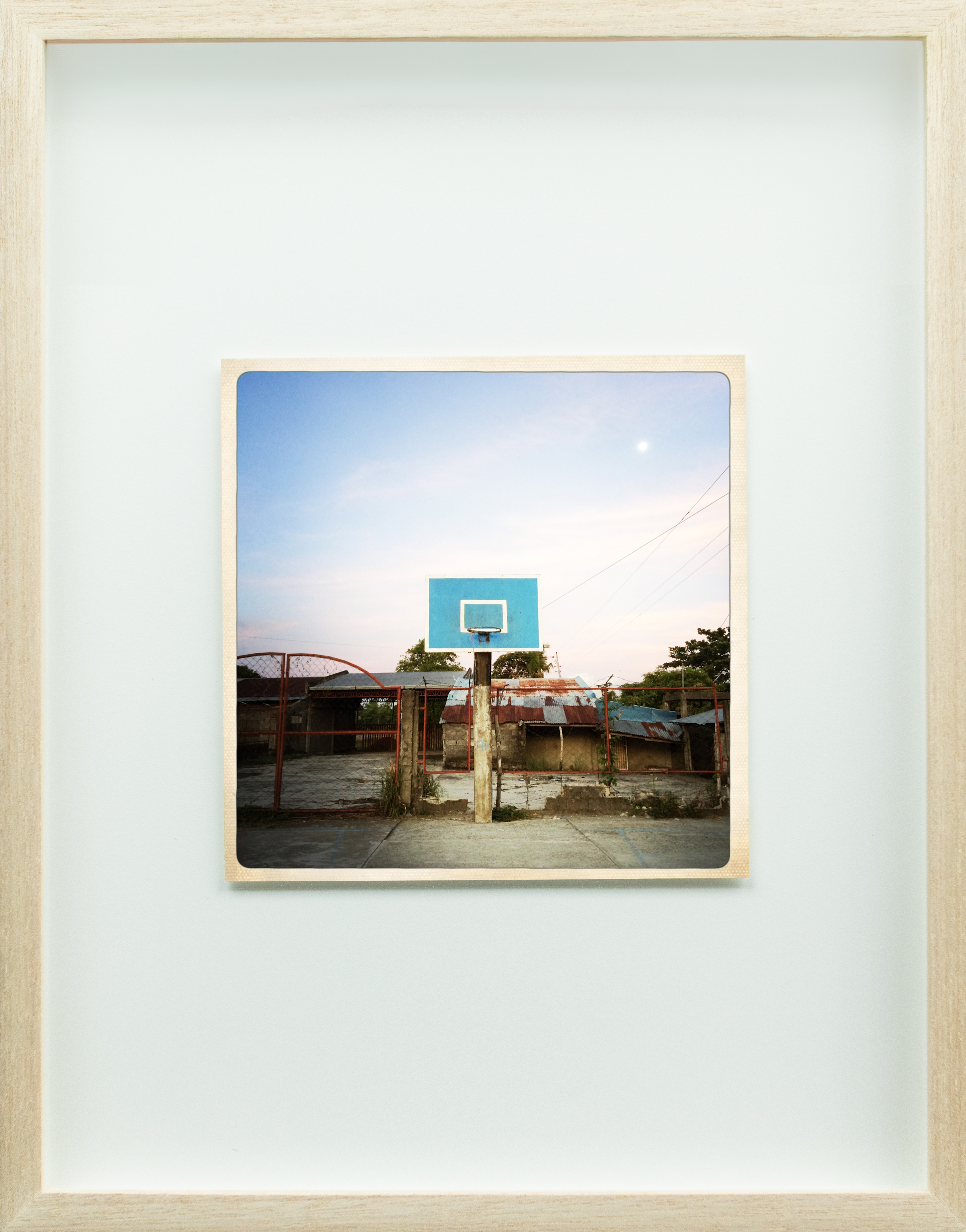
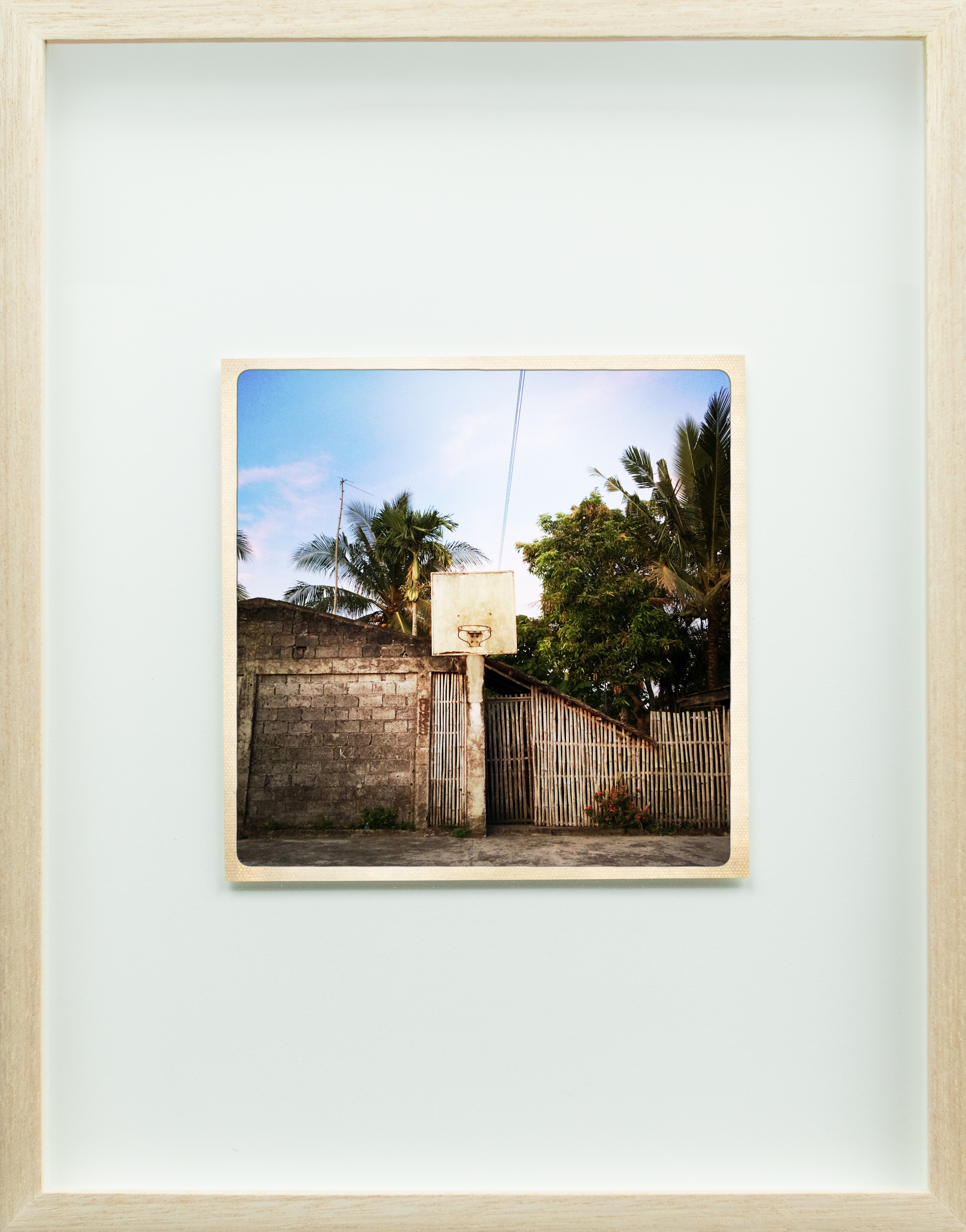
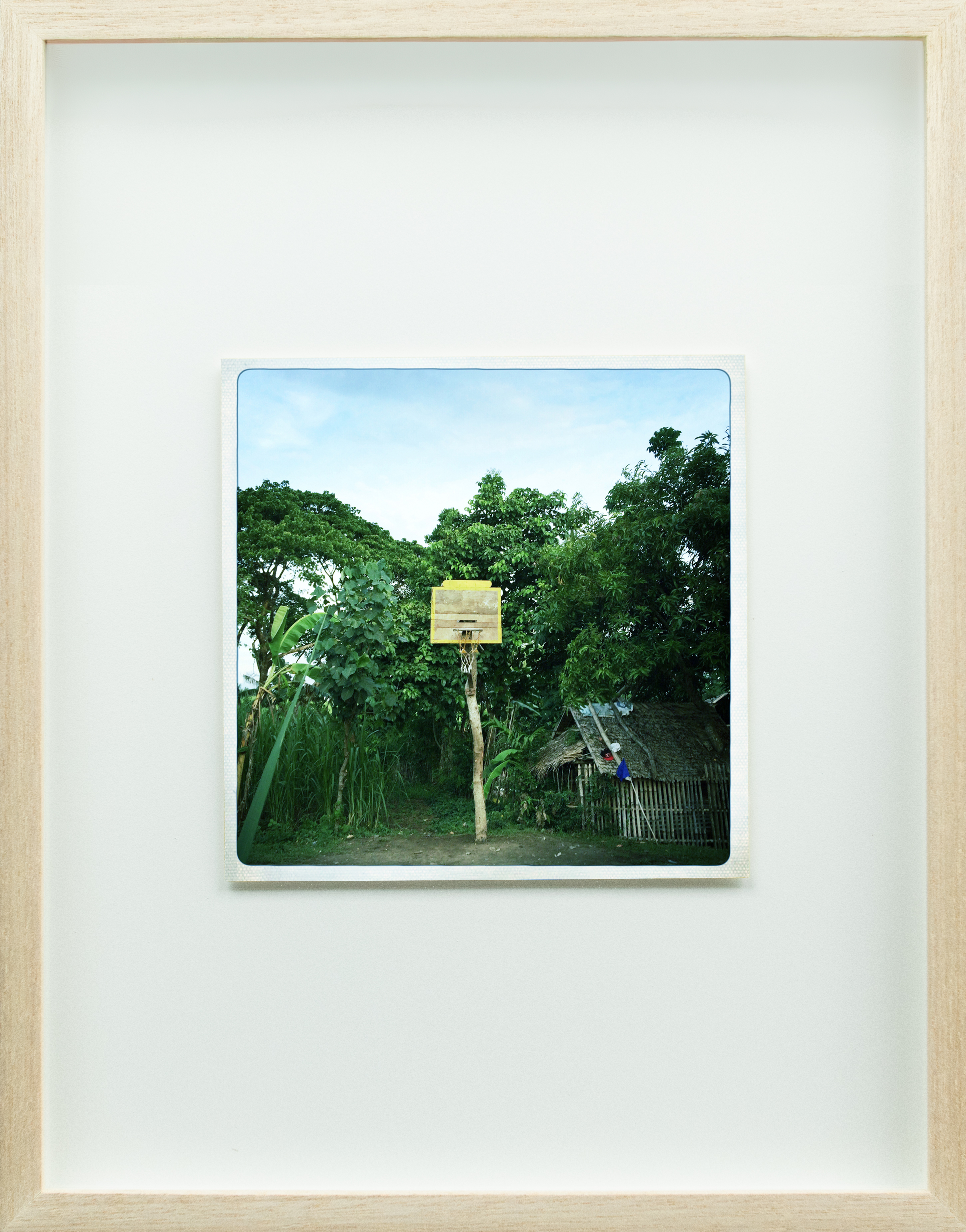
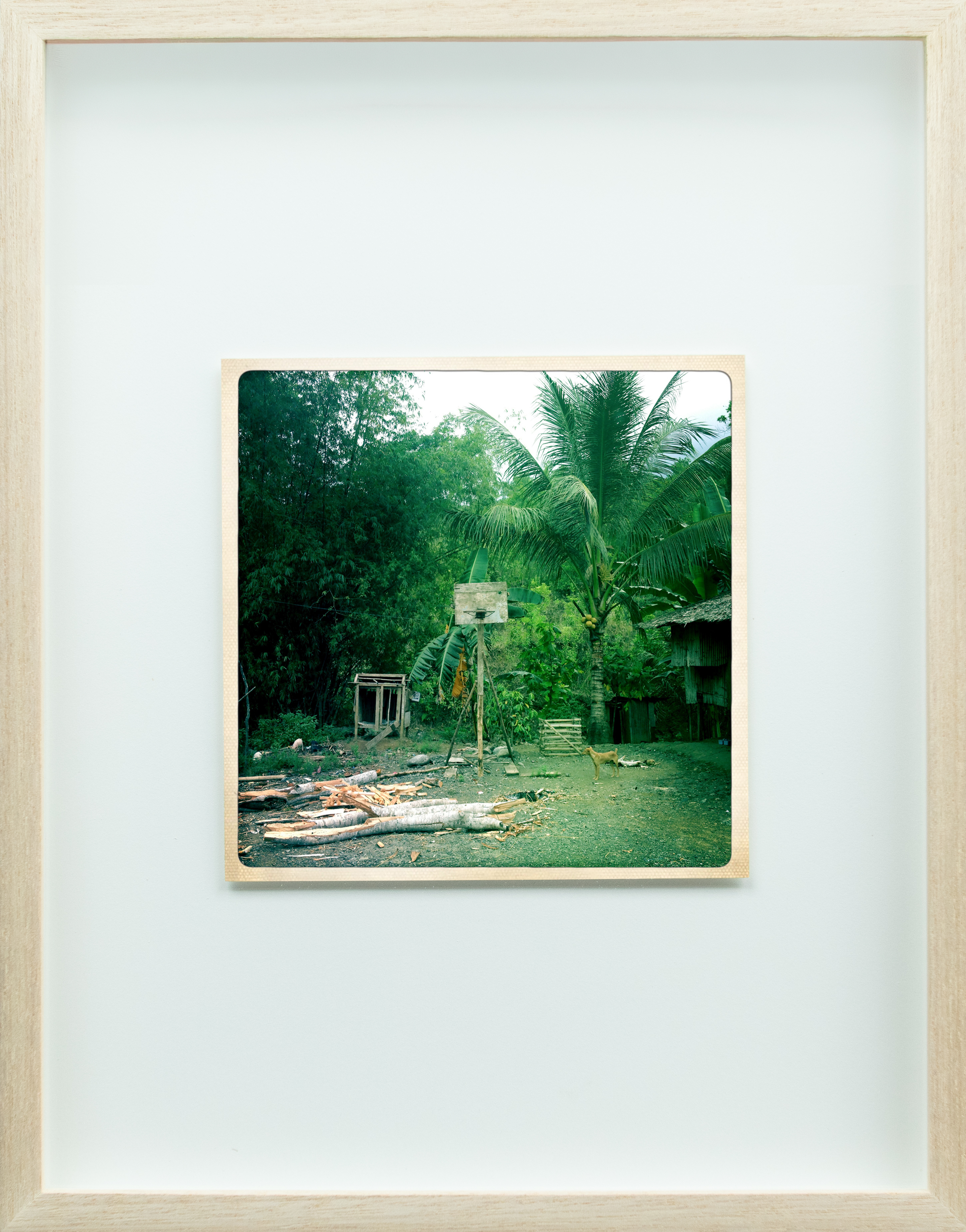
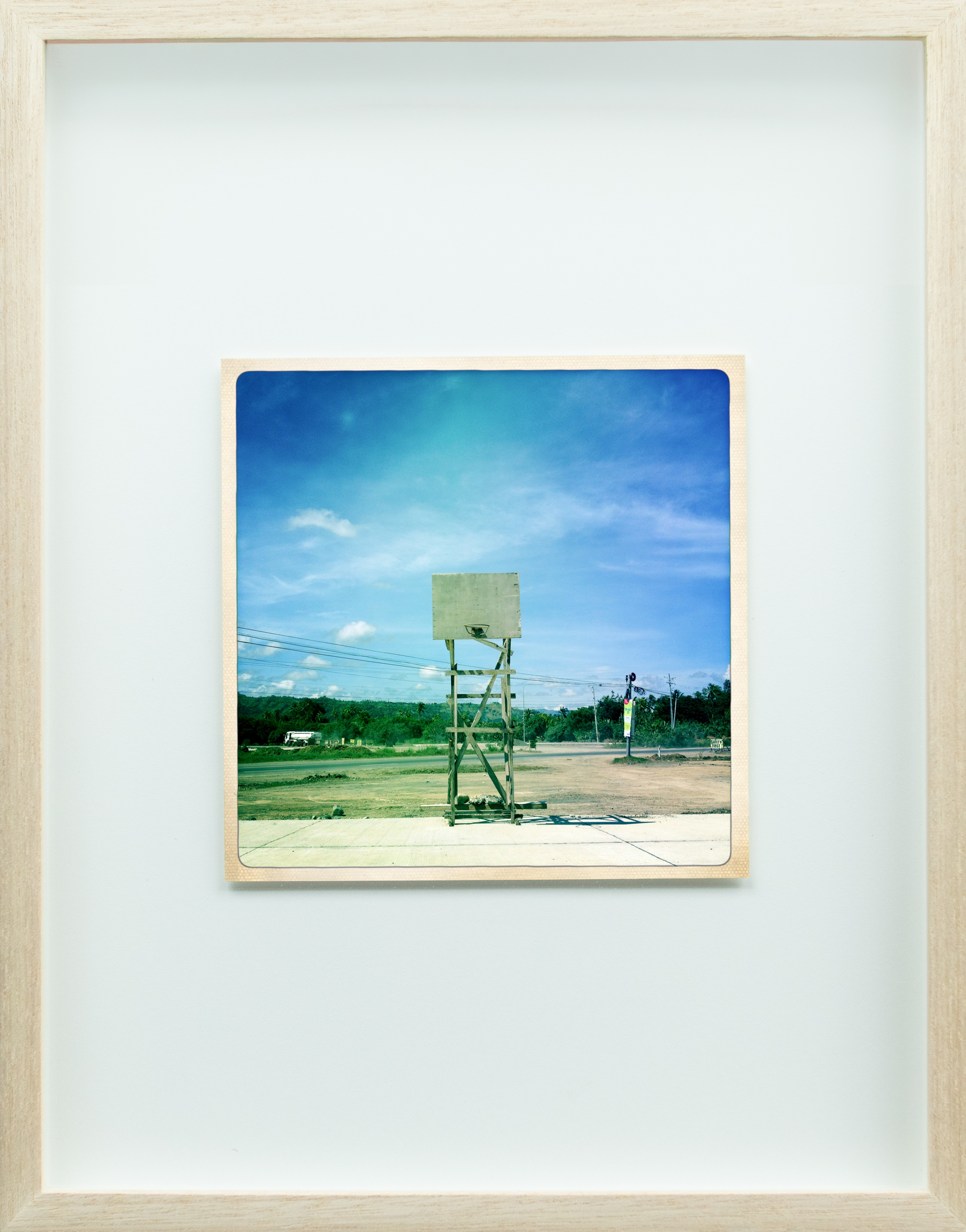
In this exhibition, three artists probe collective notions of place and place-making as a postcolonial spatial reality. Doubly evoked through the ubiquitous spatiality of the basketball court, play becomes salient to the postcolonial imagination.
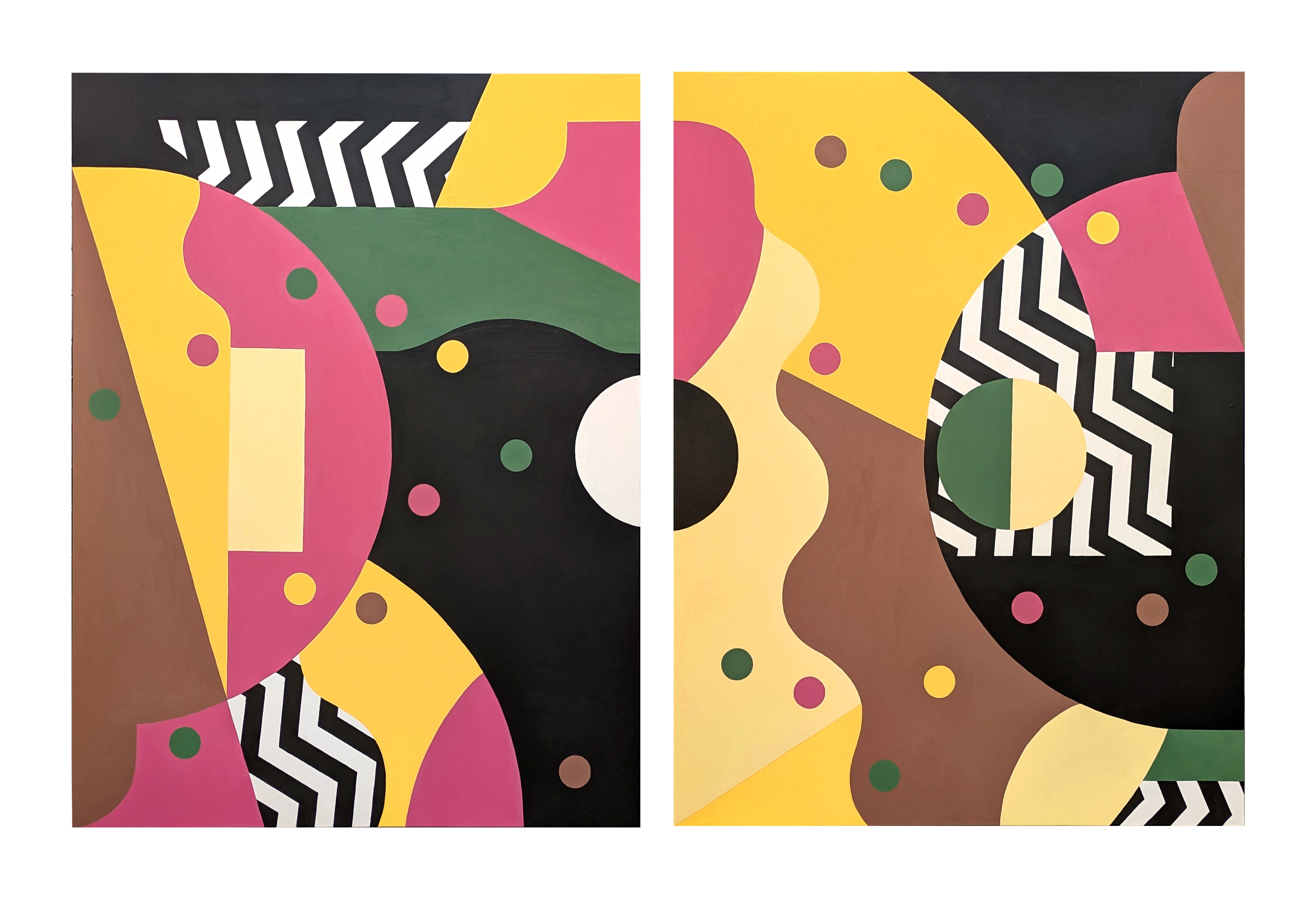
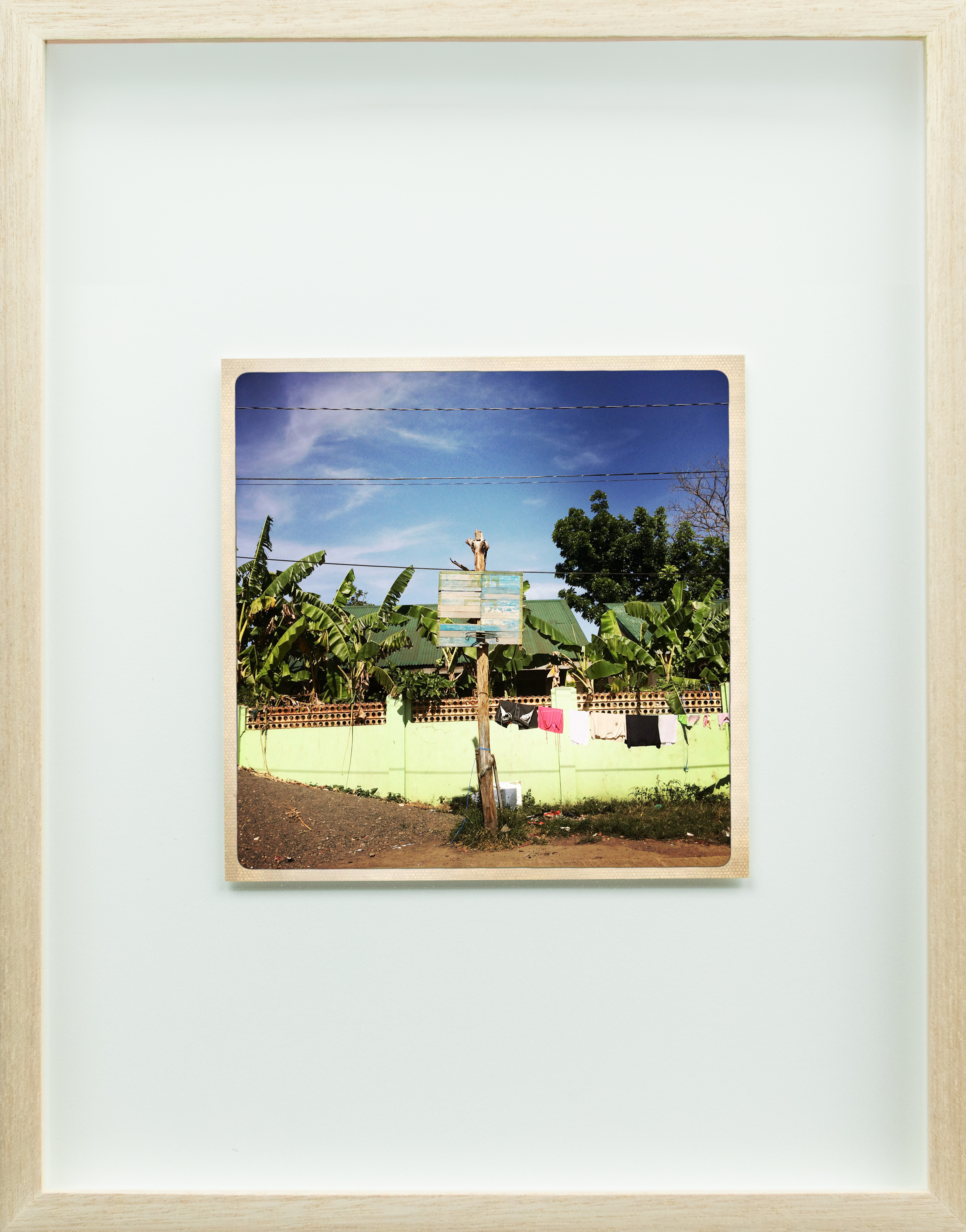
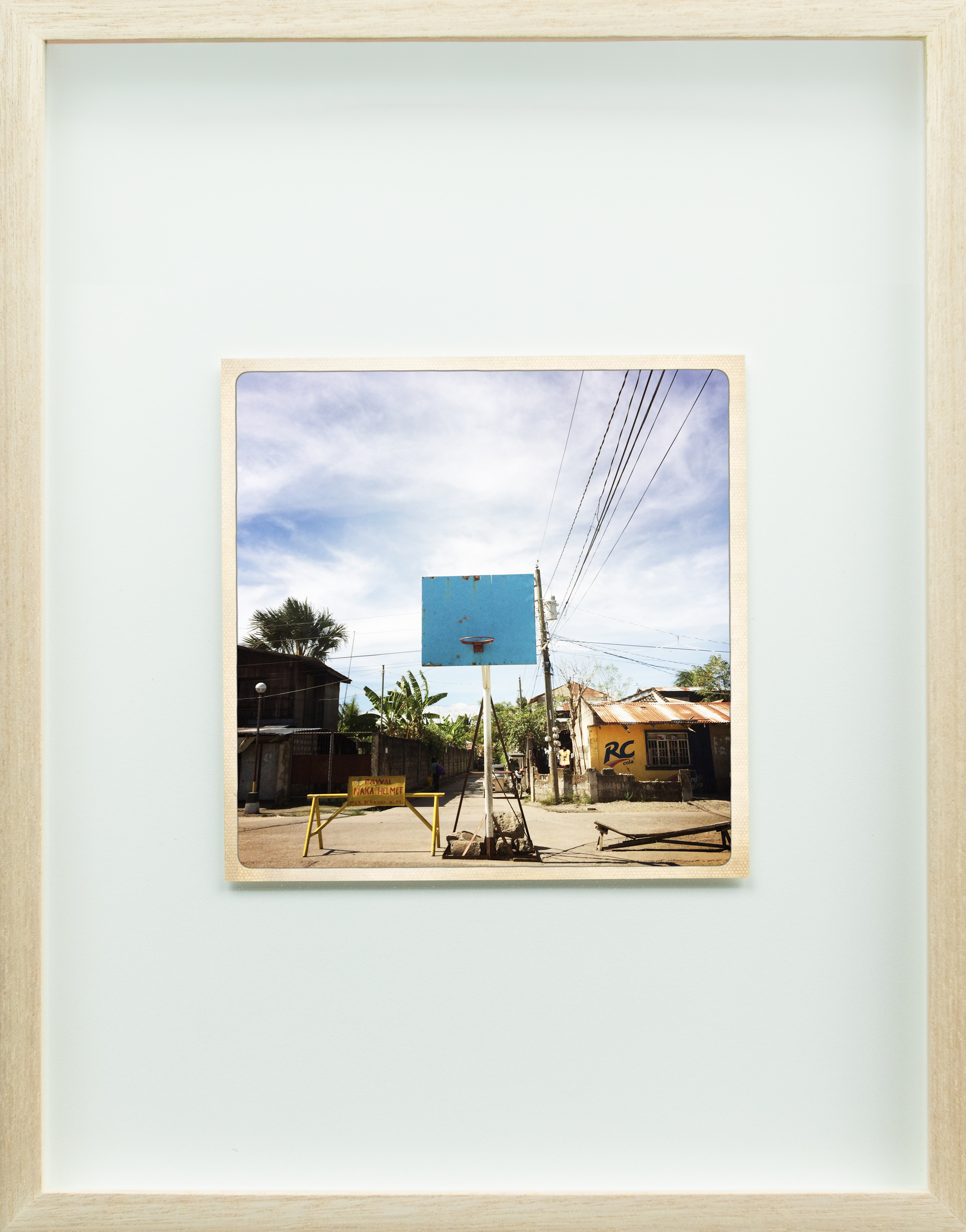
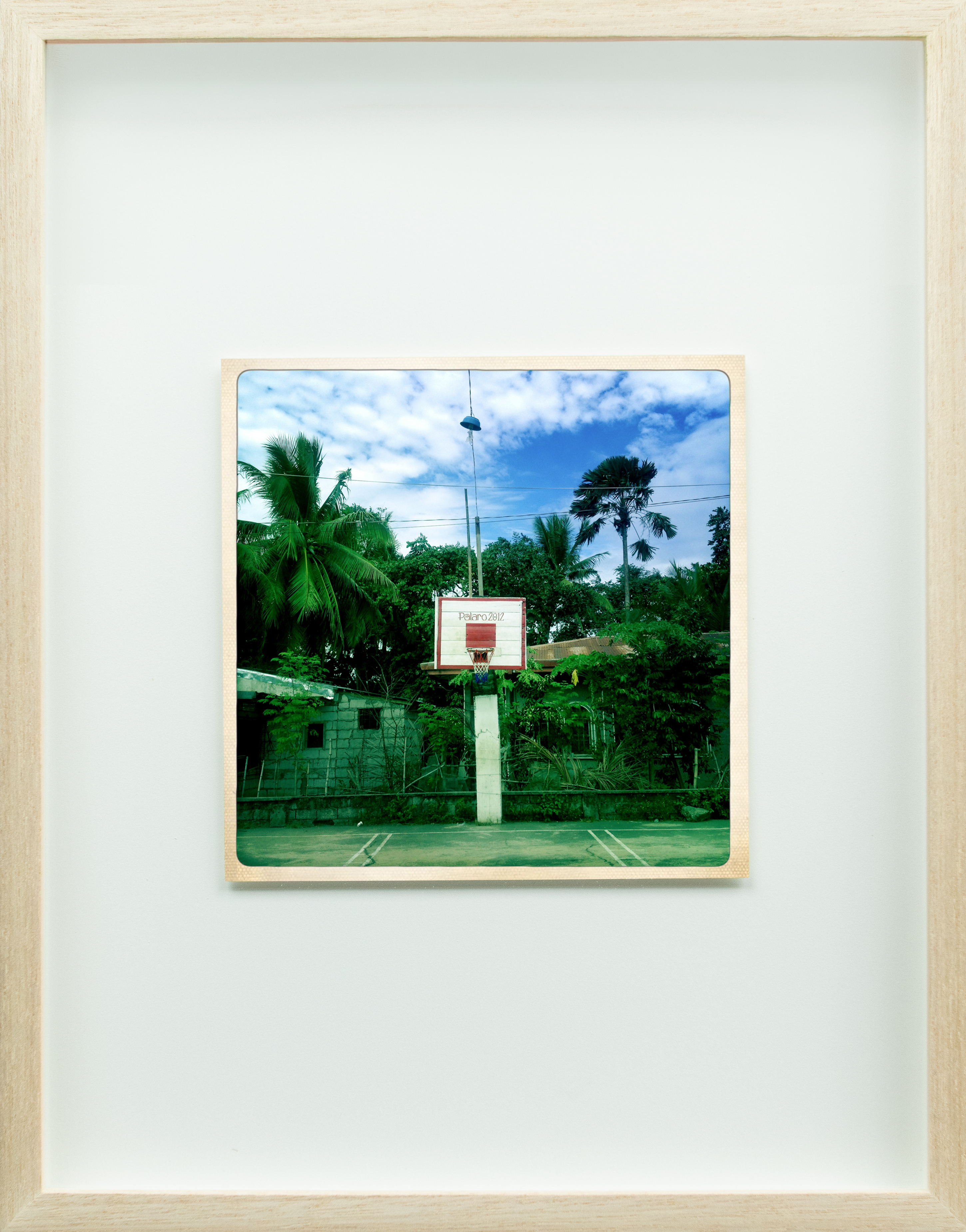
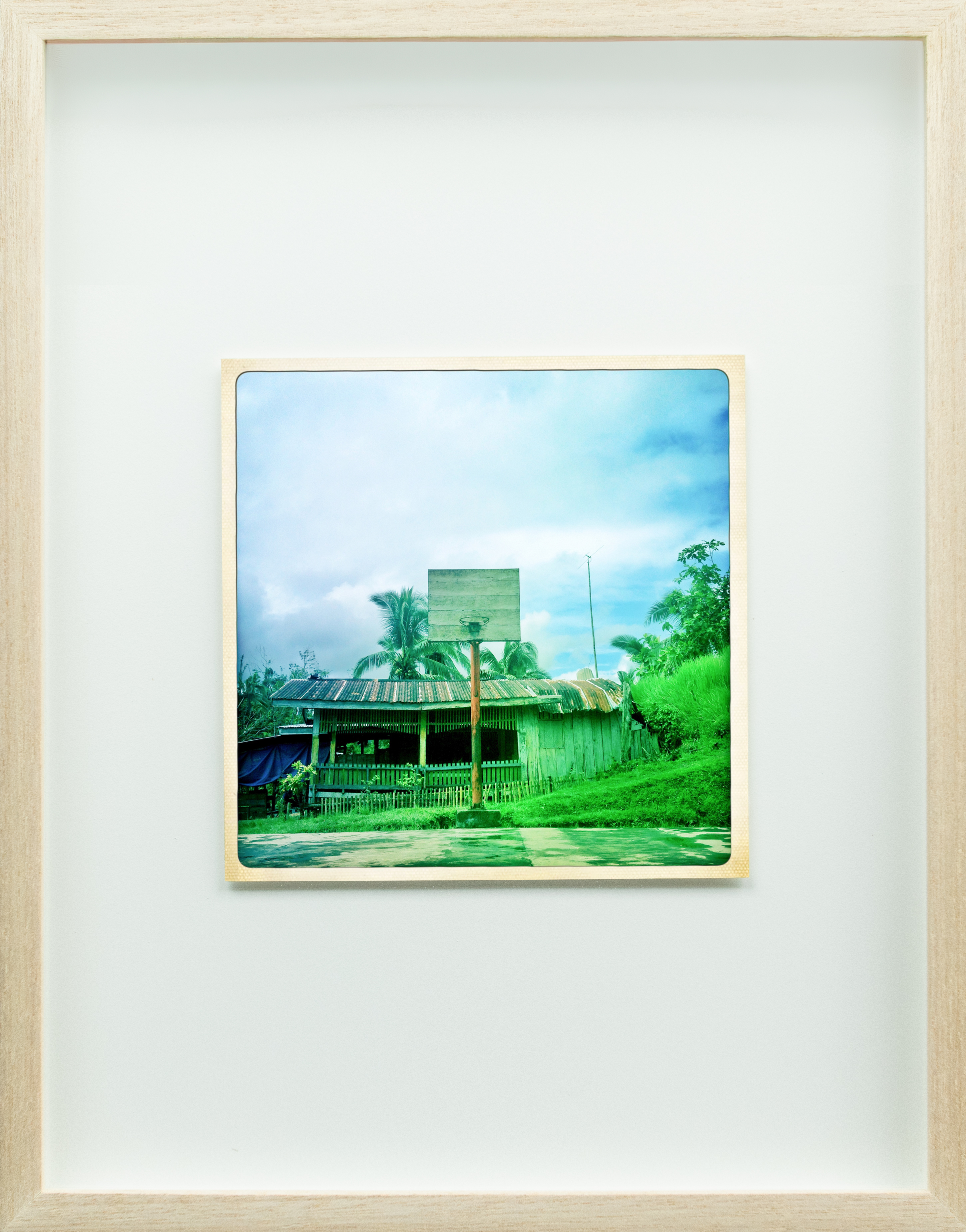
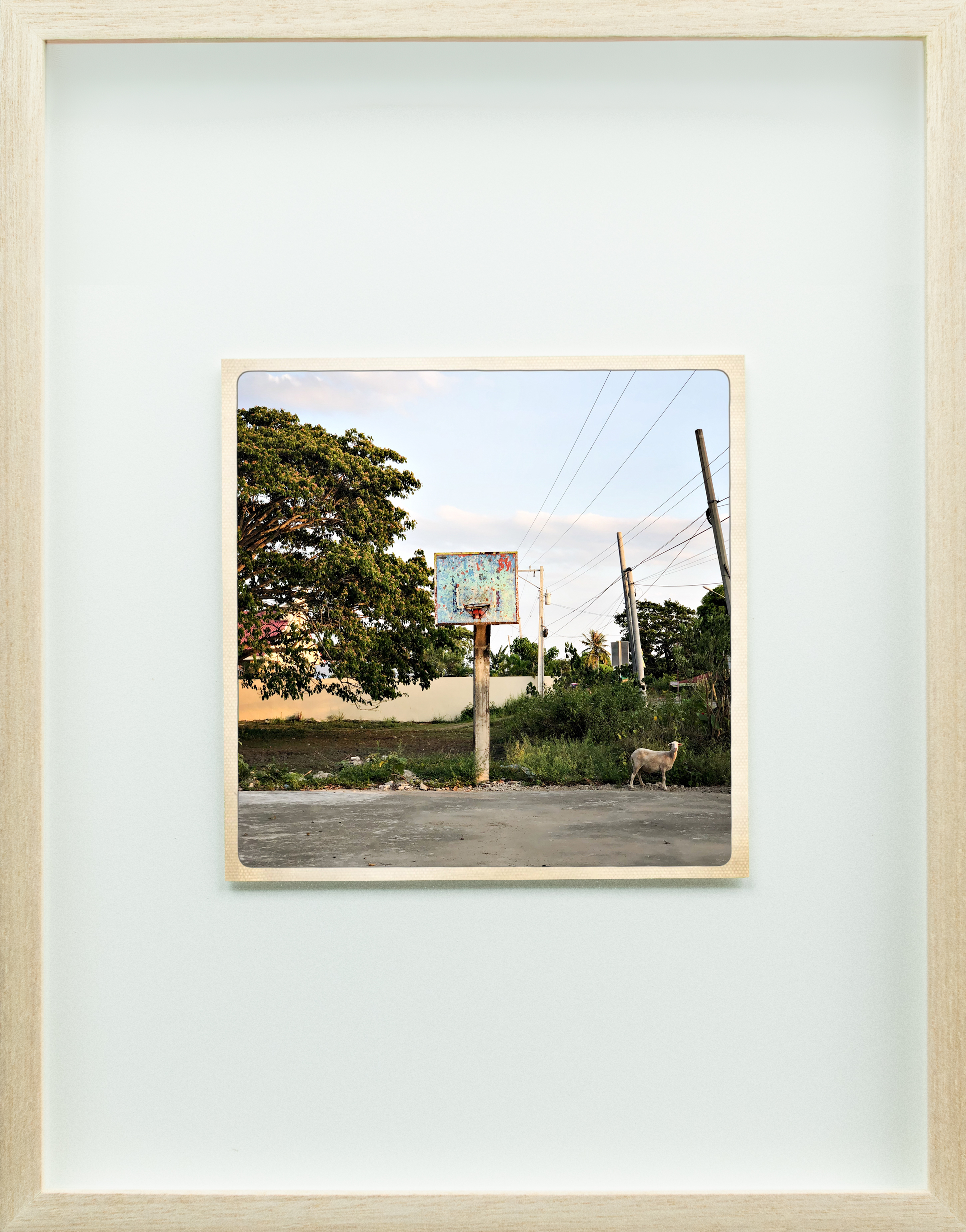
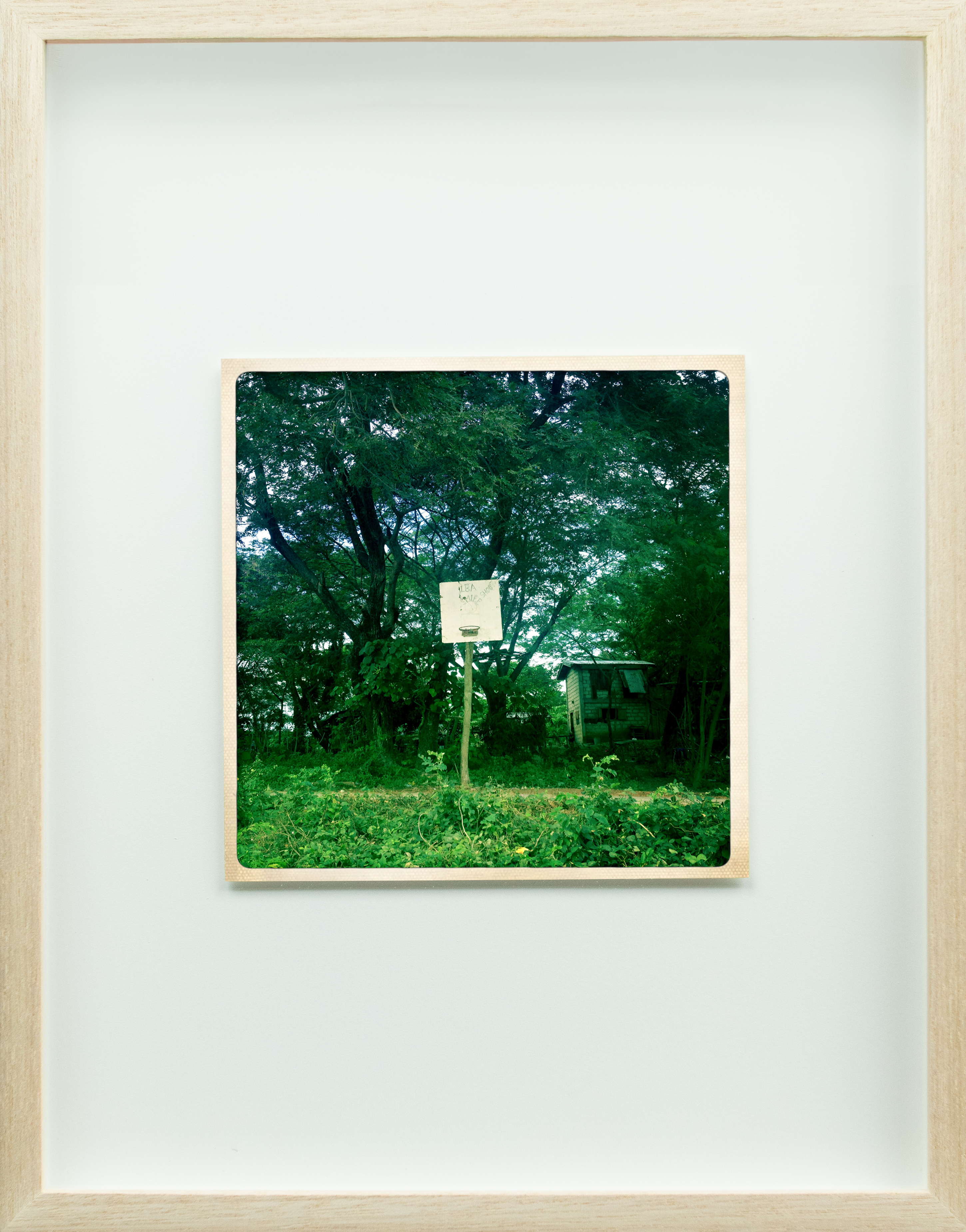
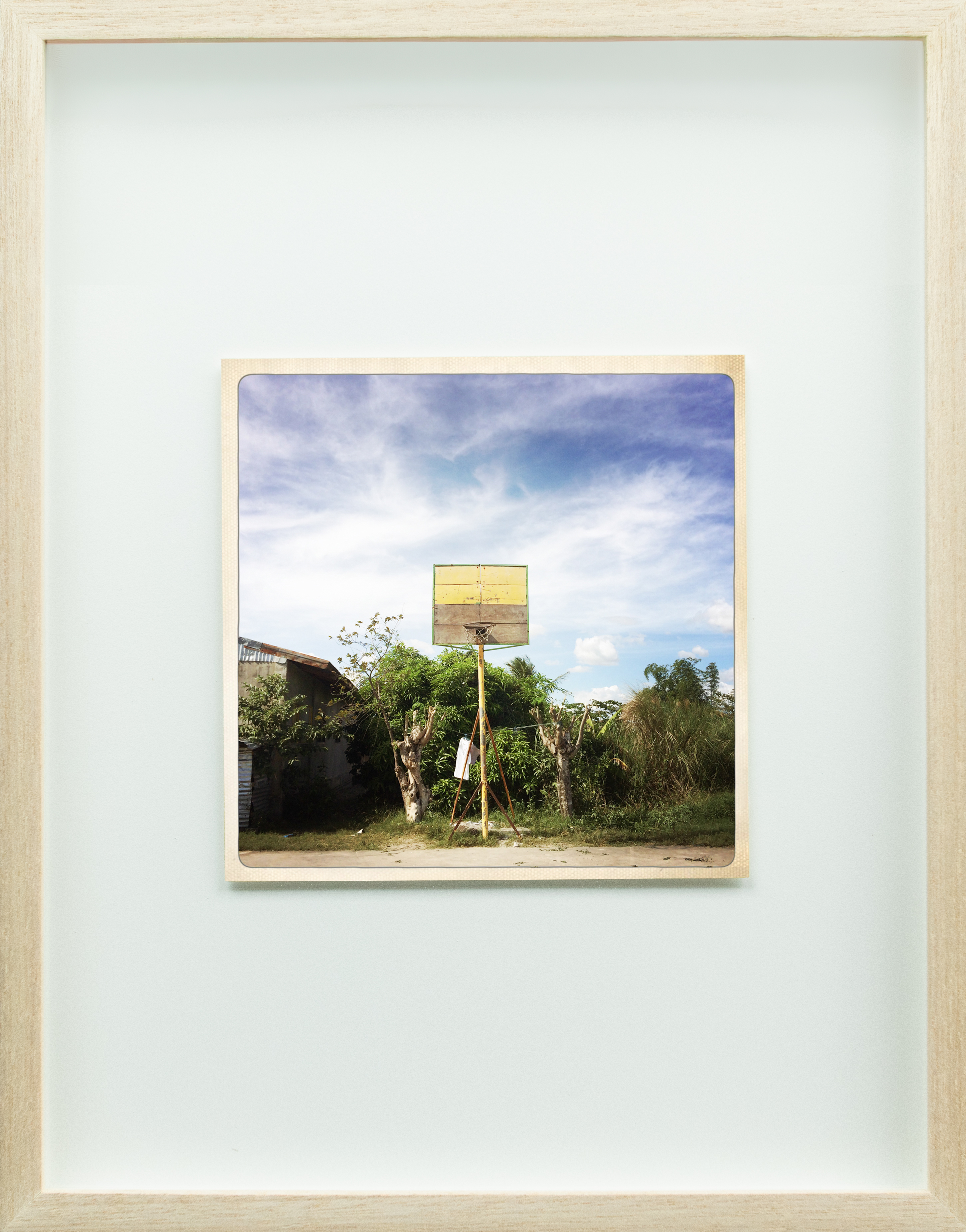
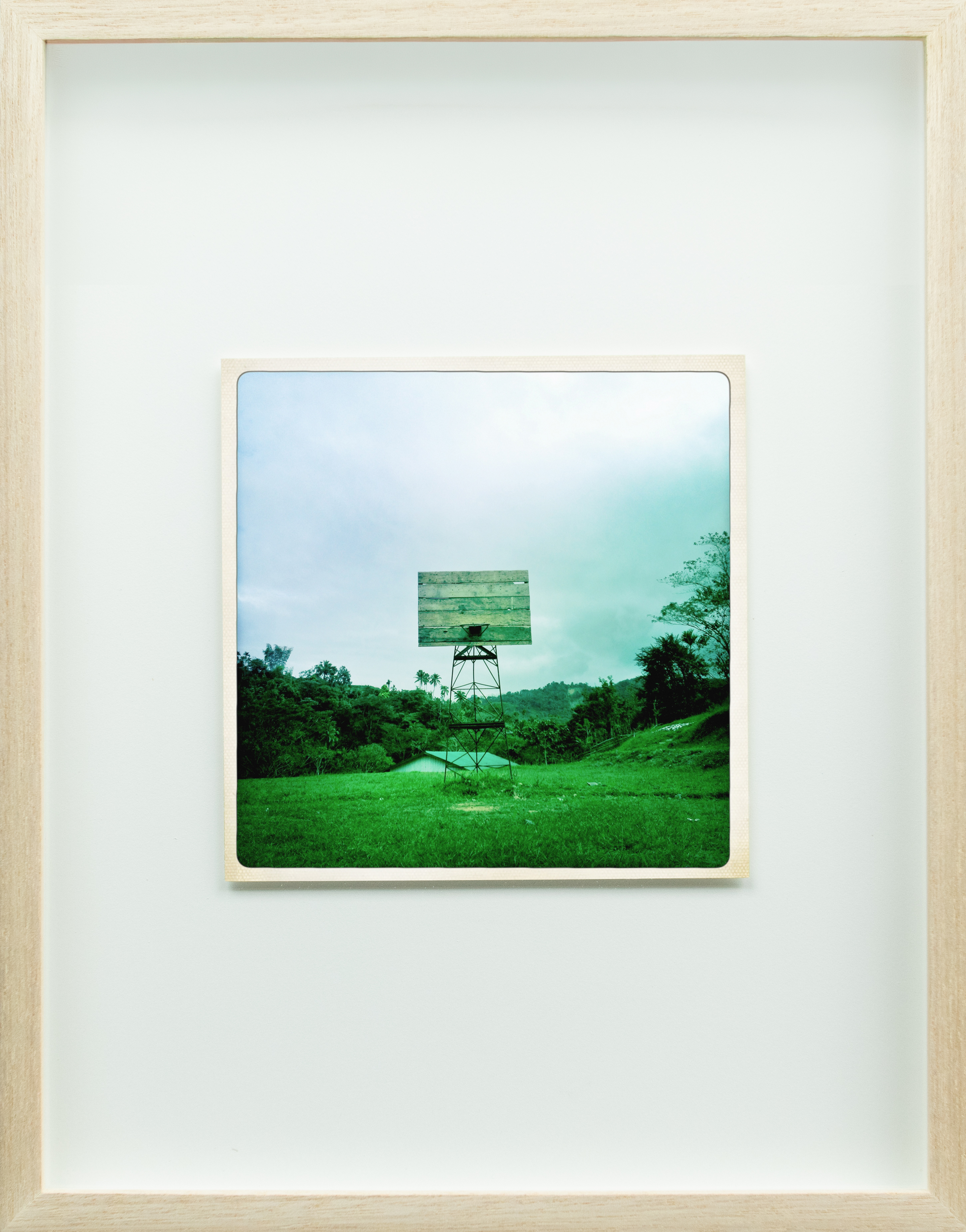
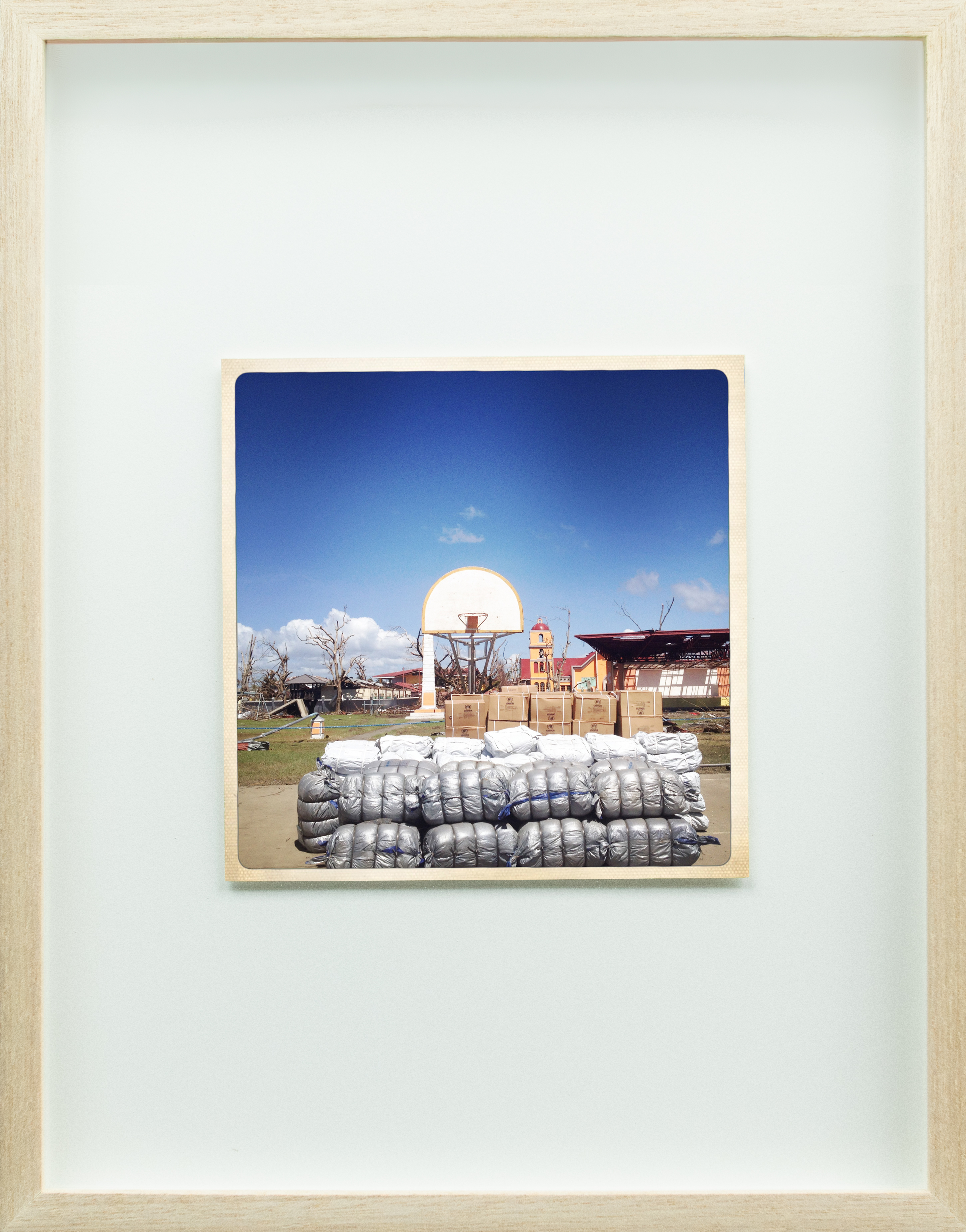
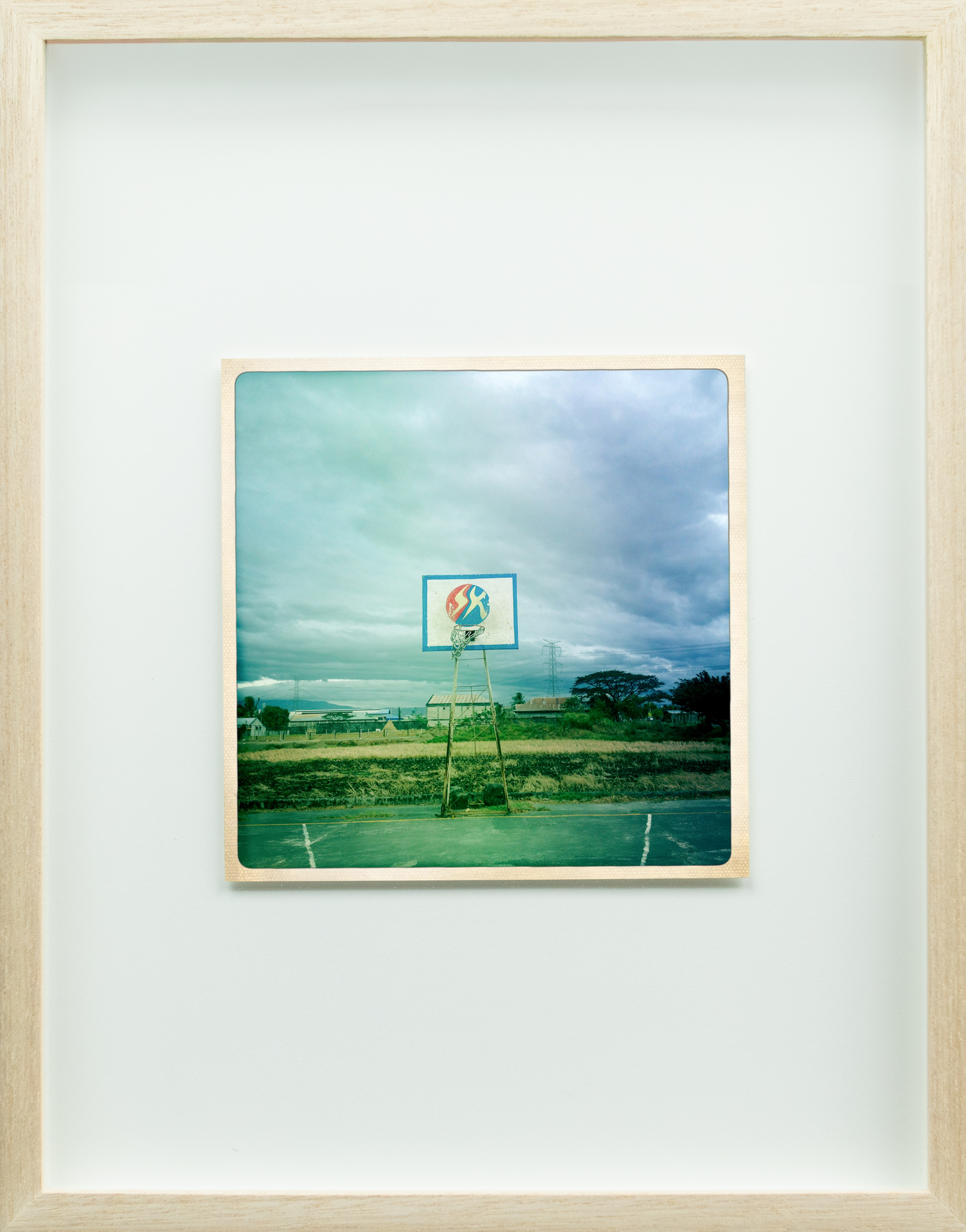
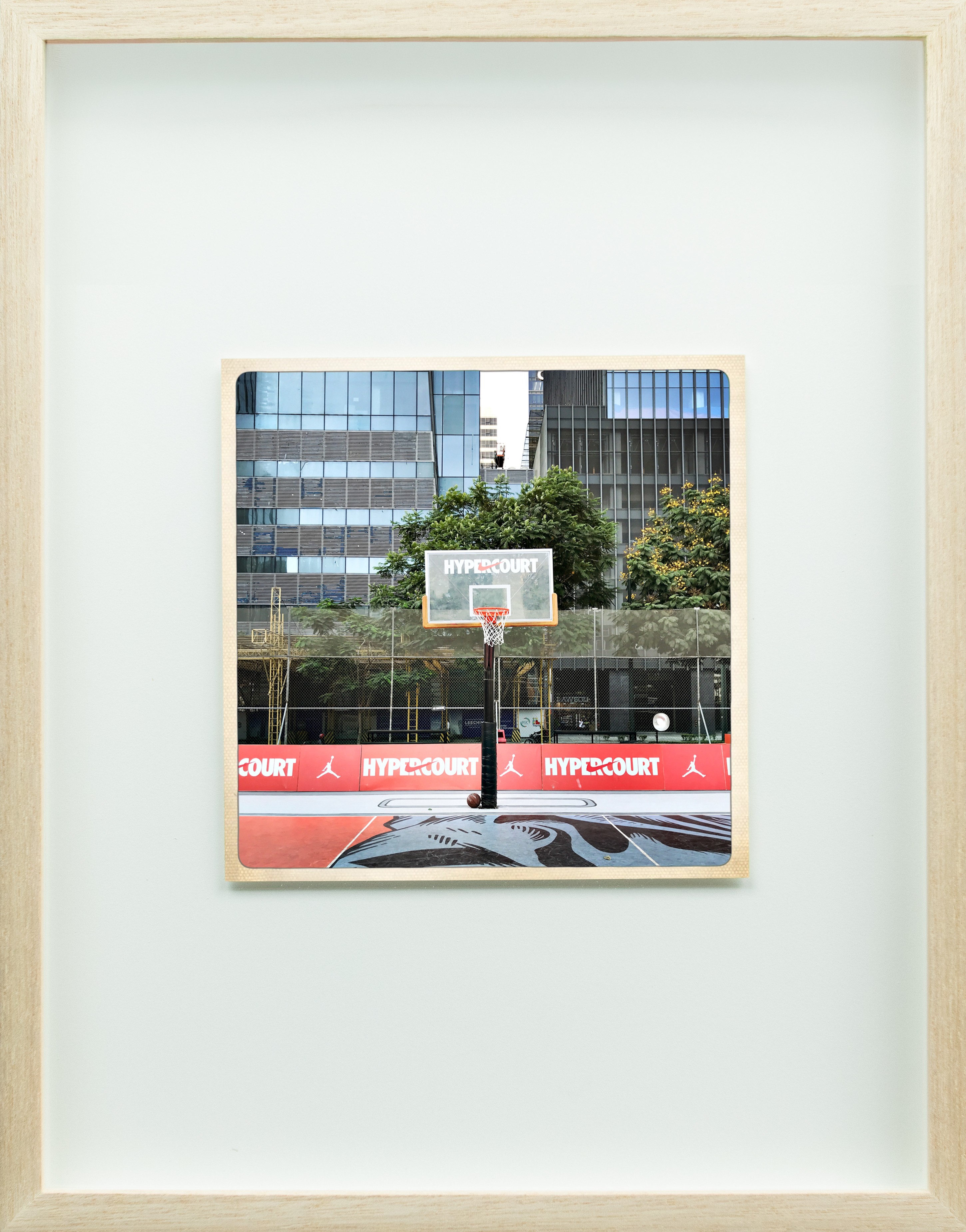
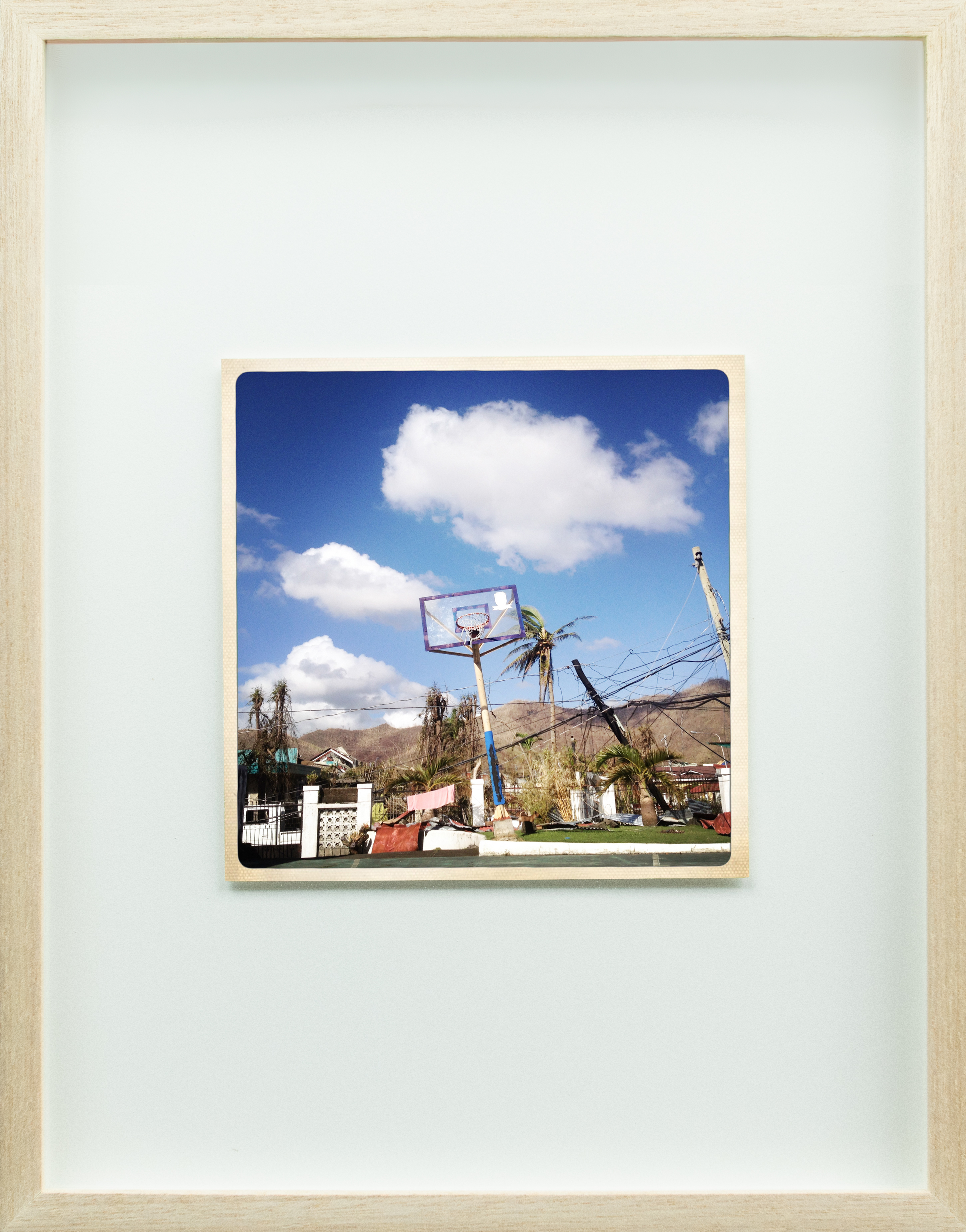
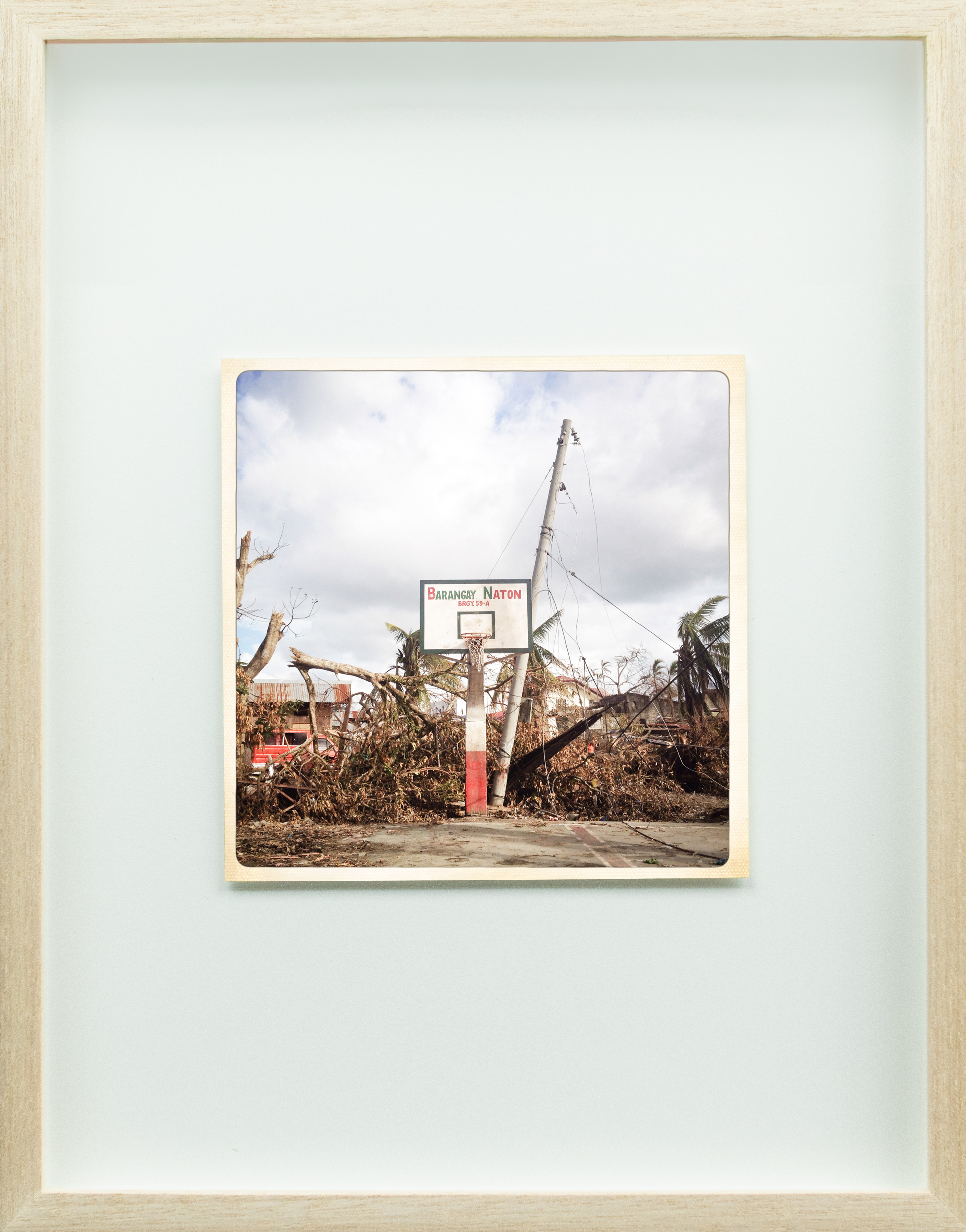
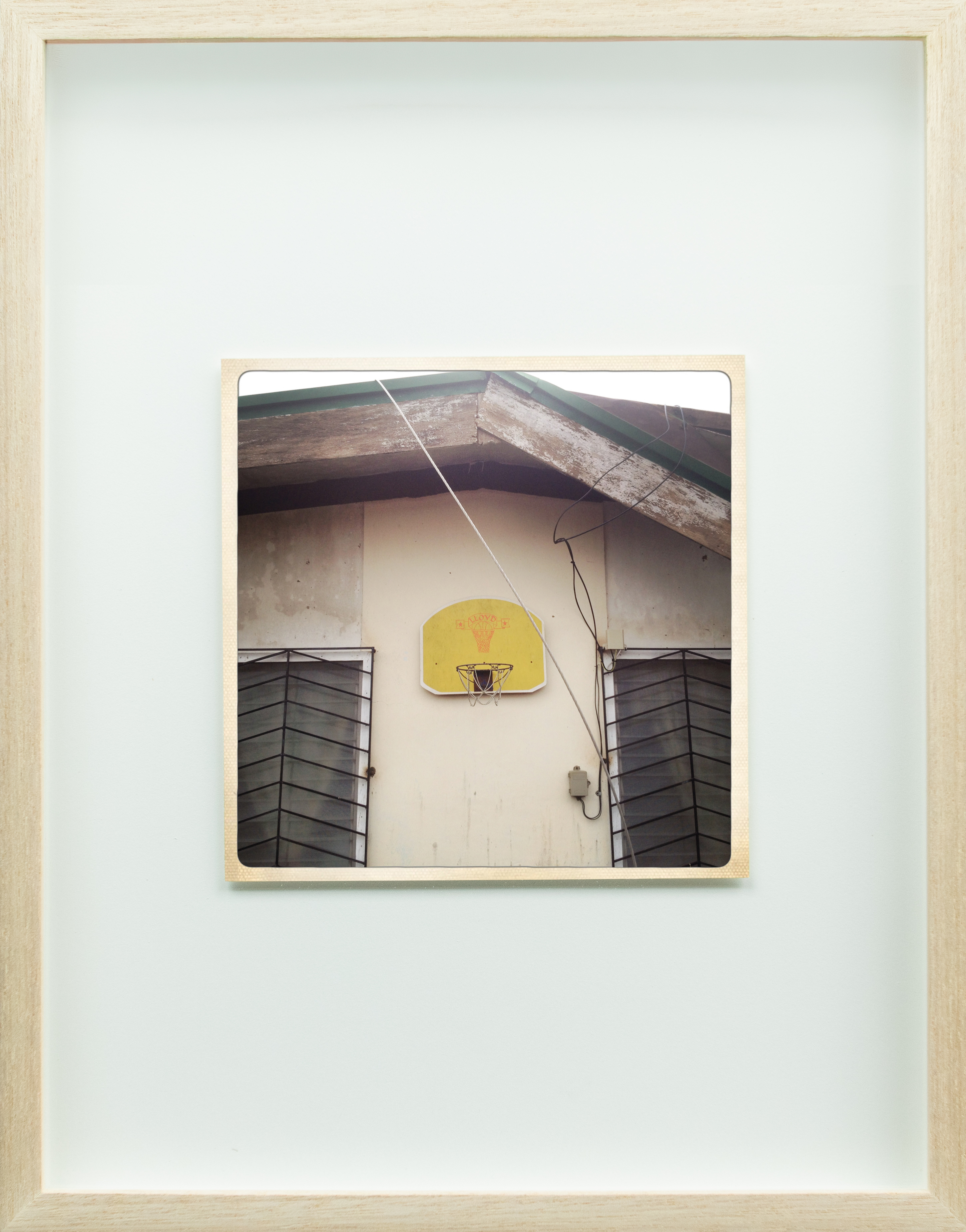
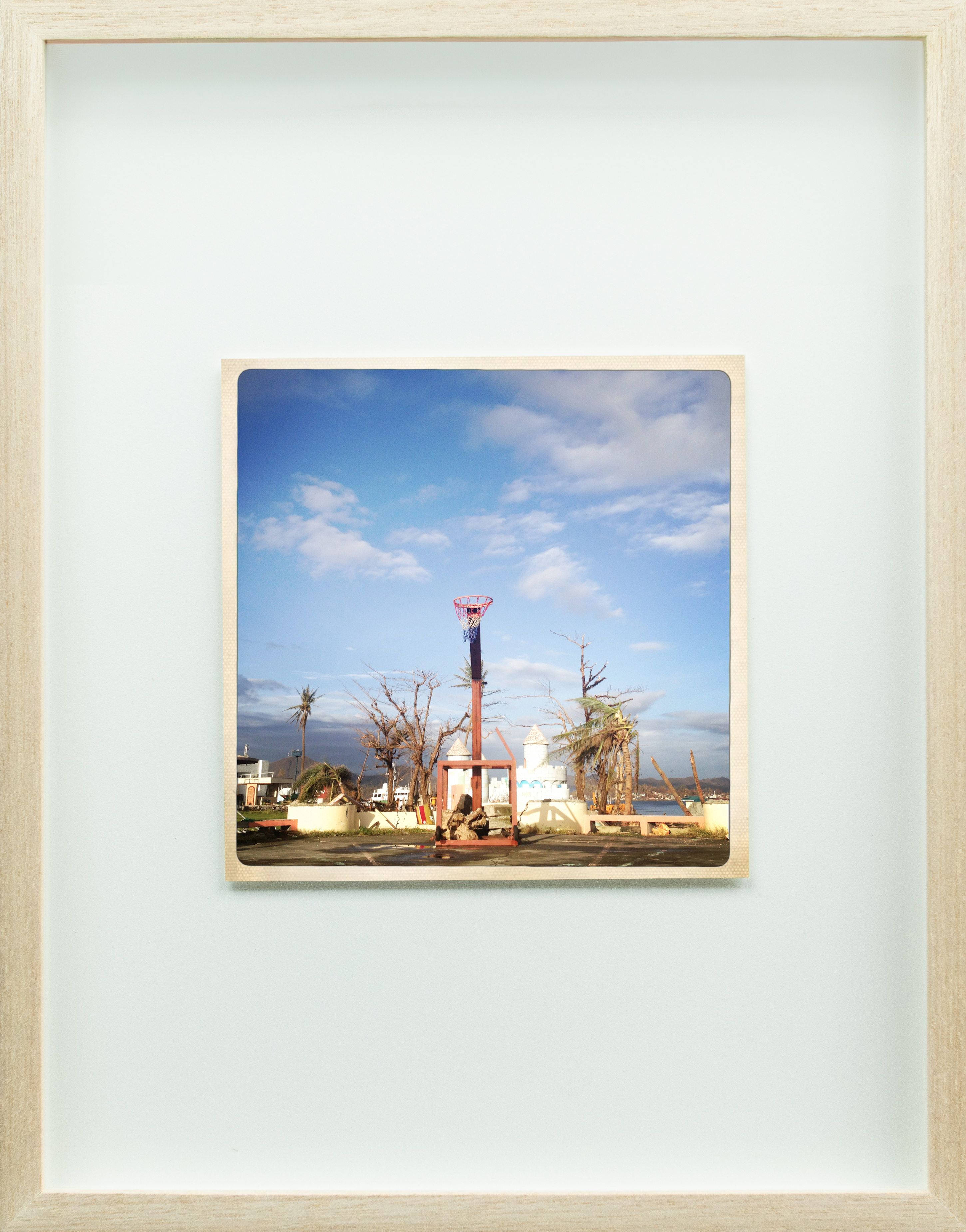
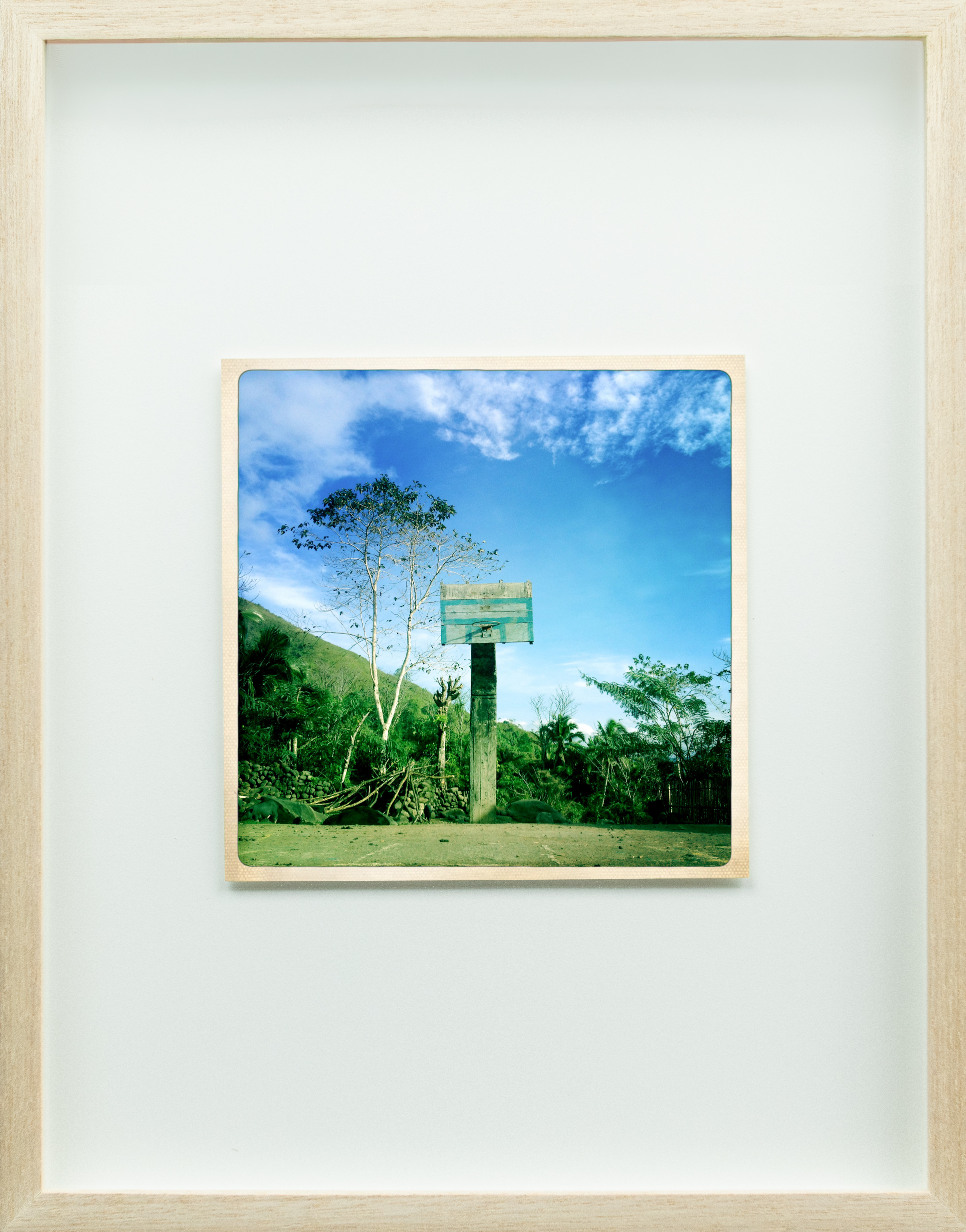
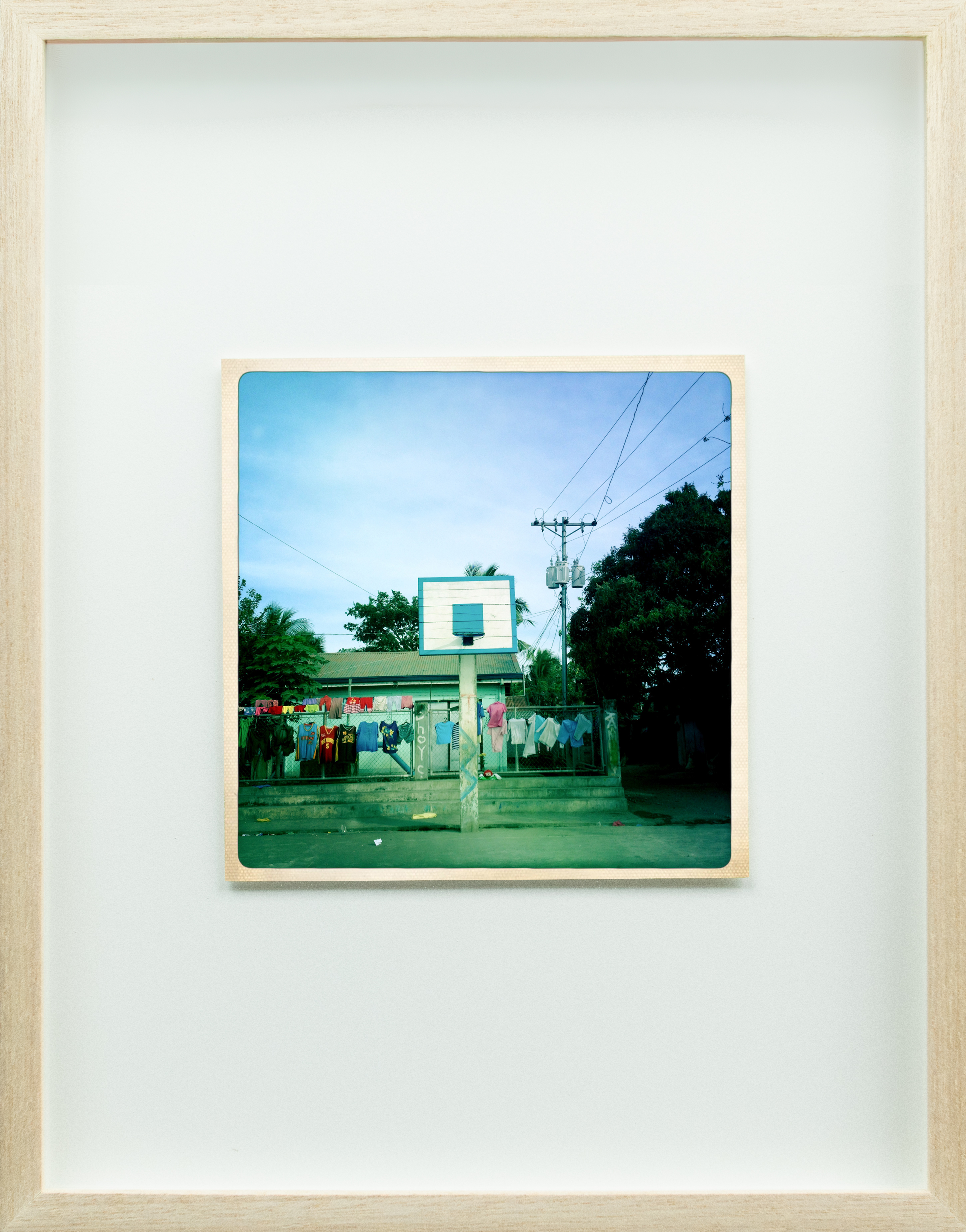
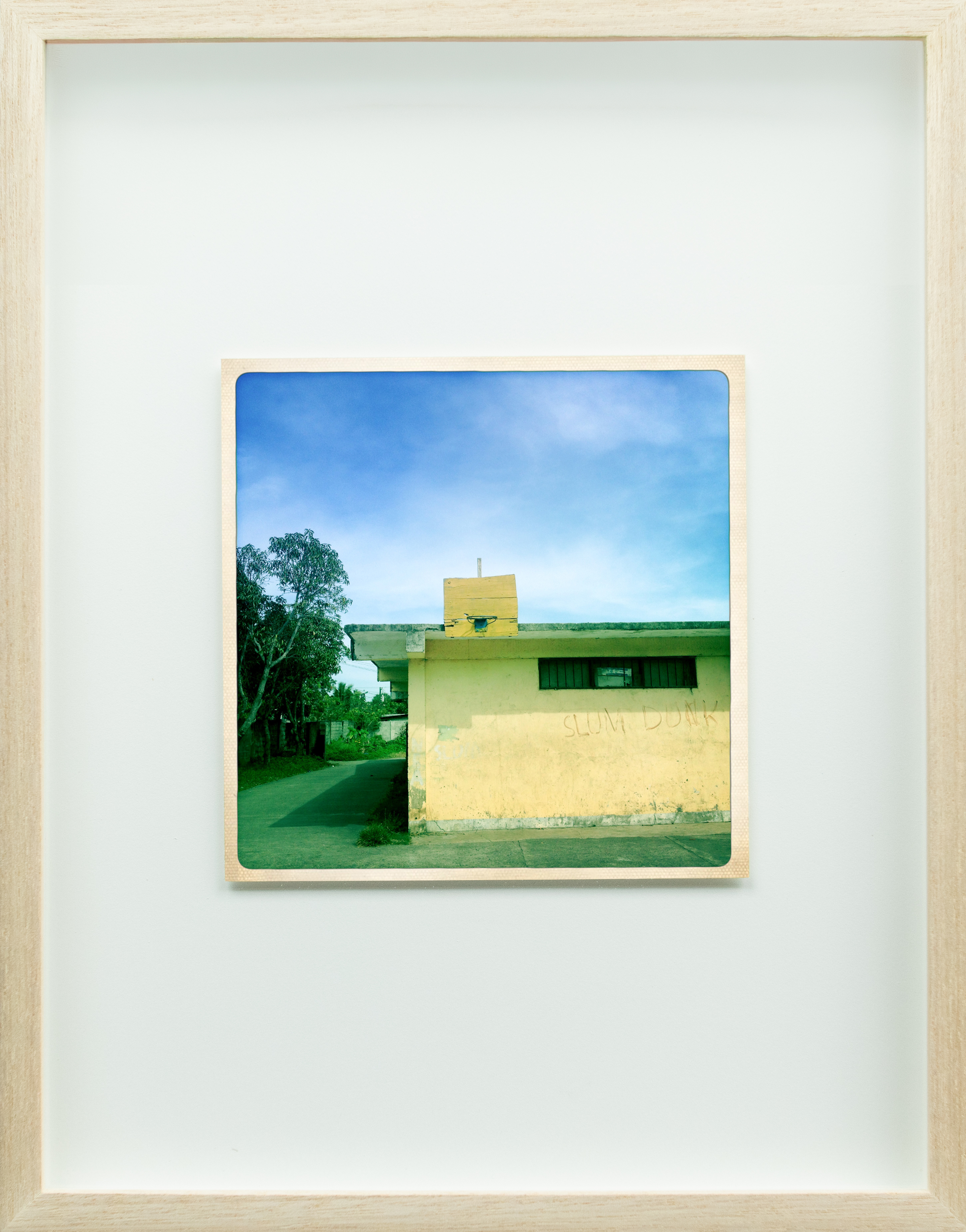
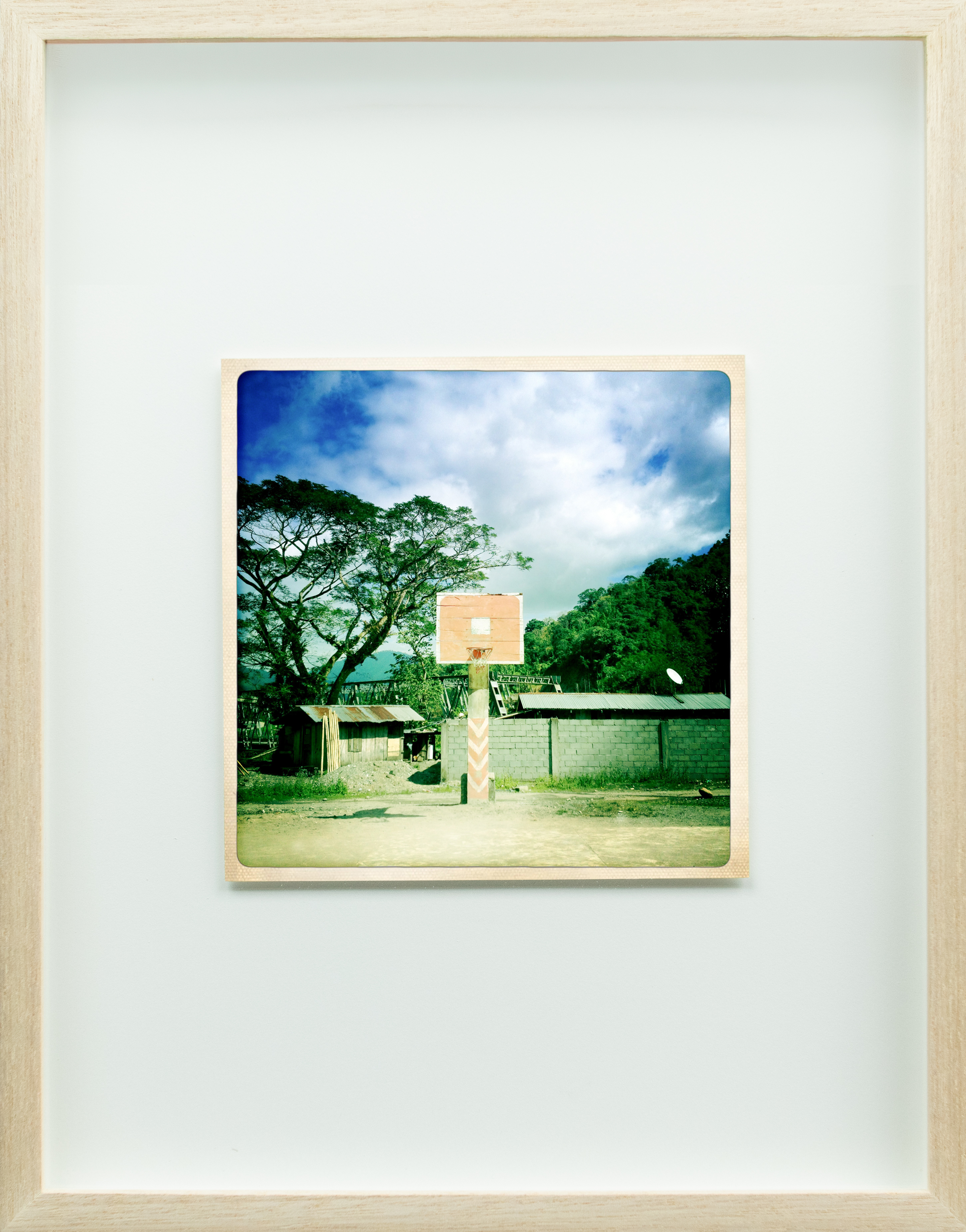
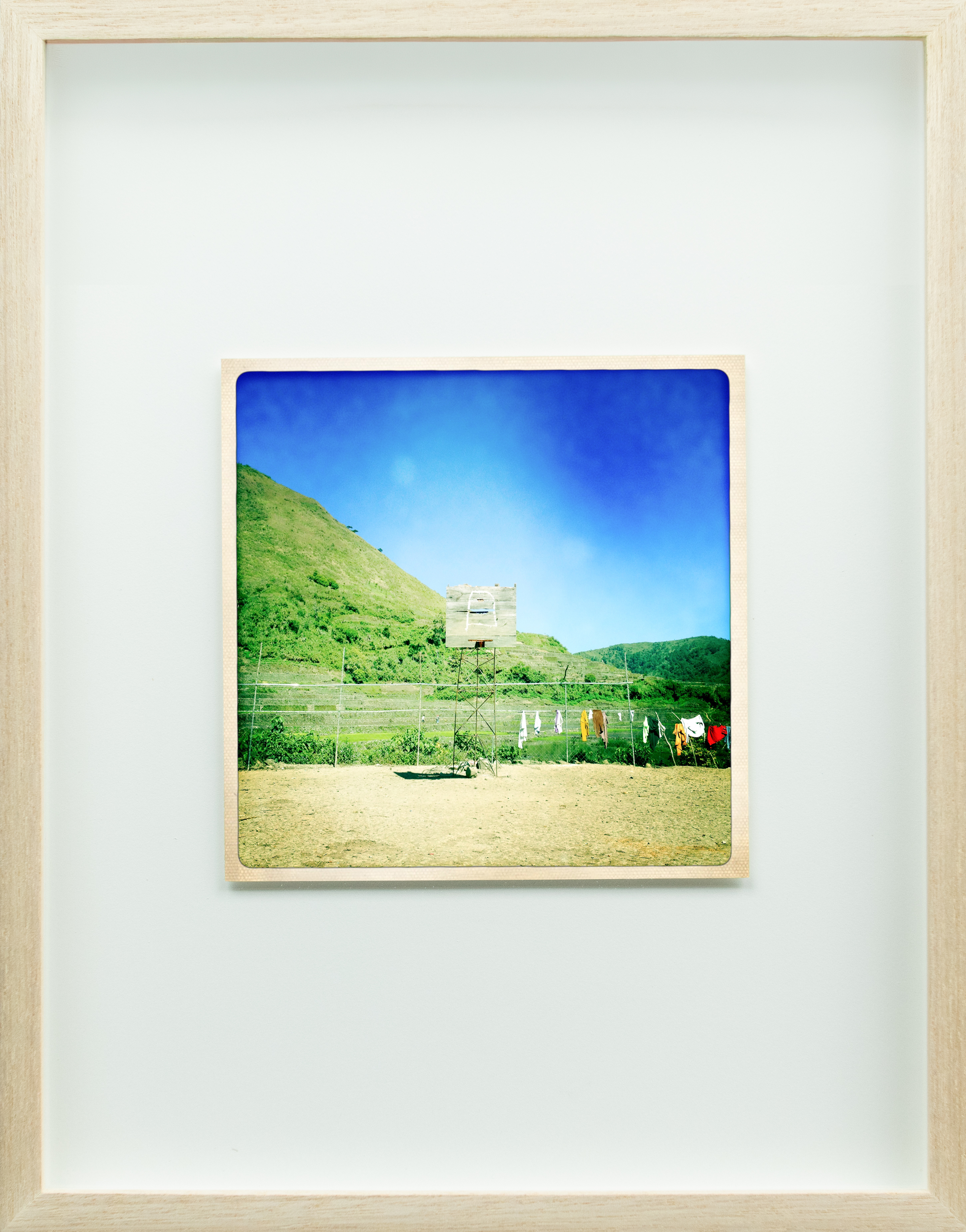
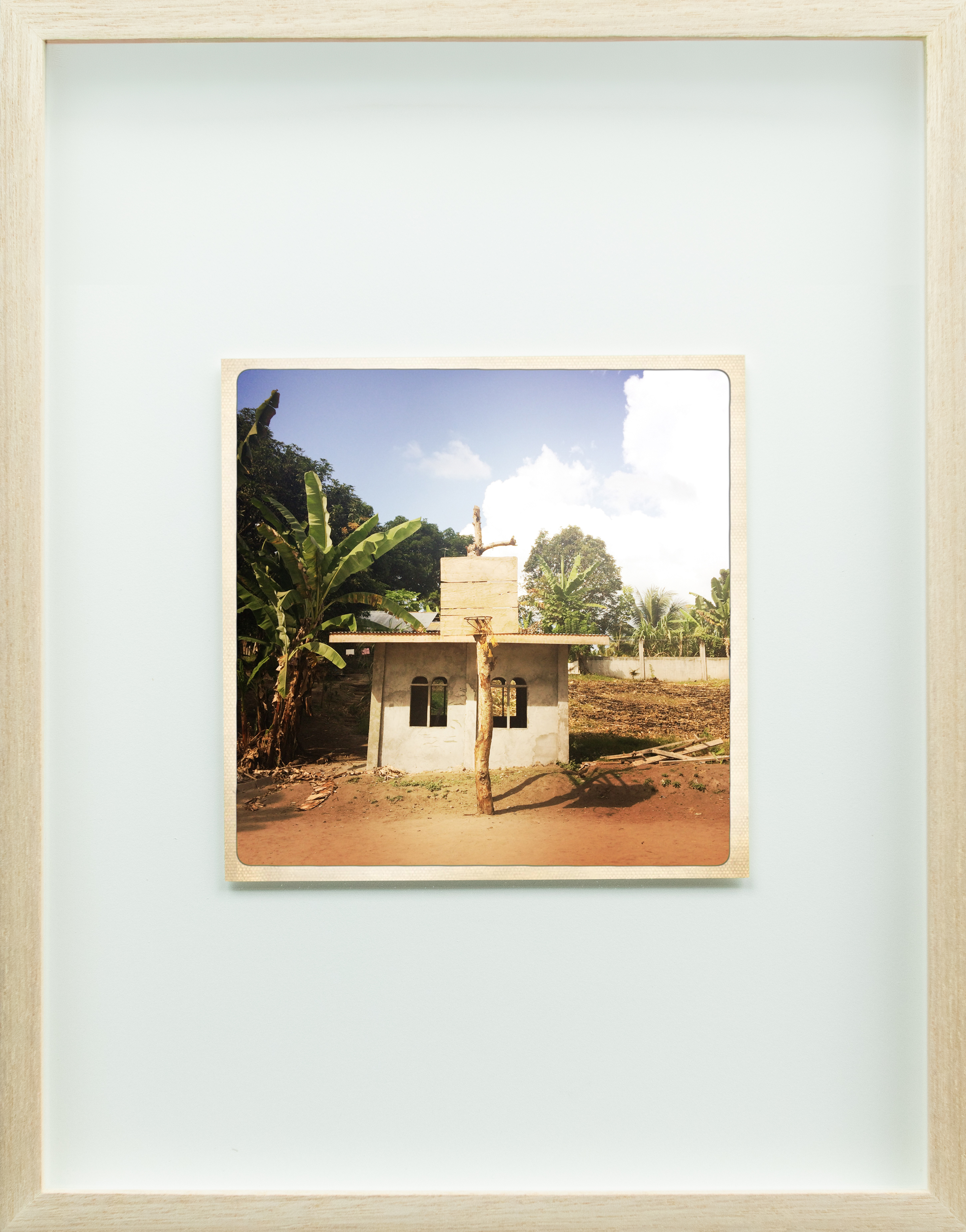
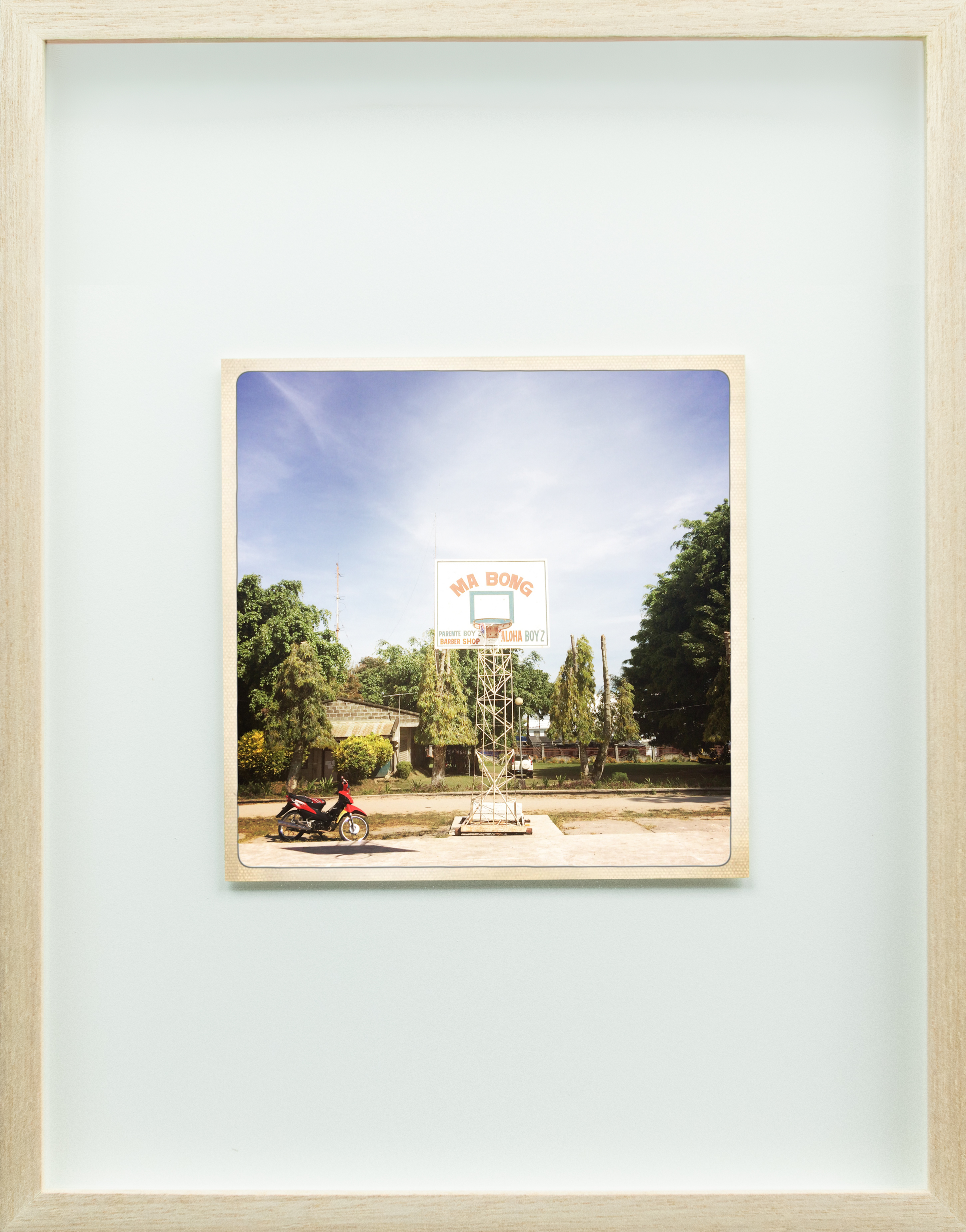
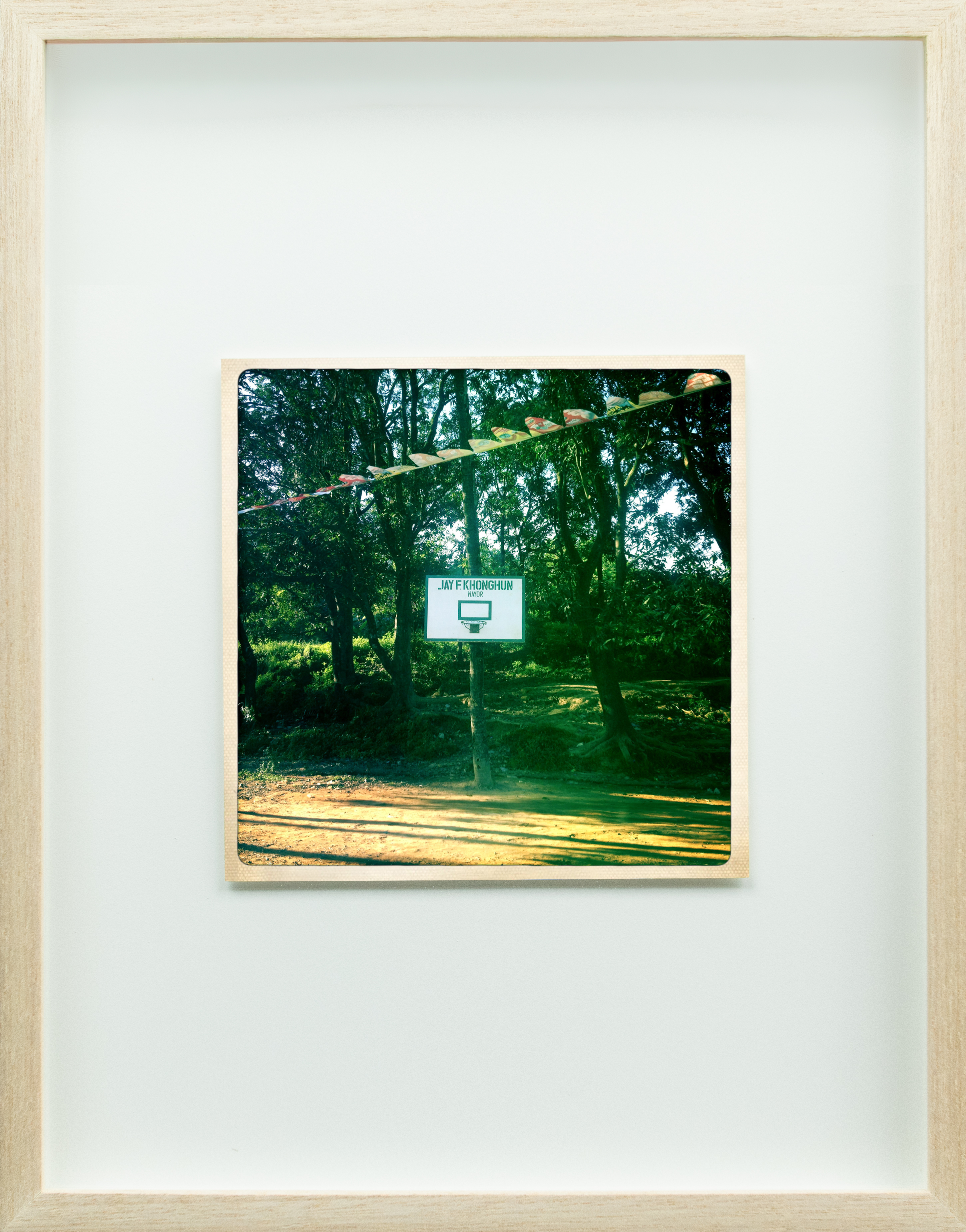
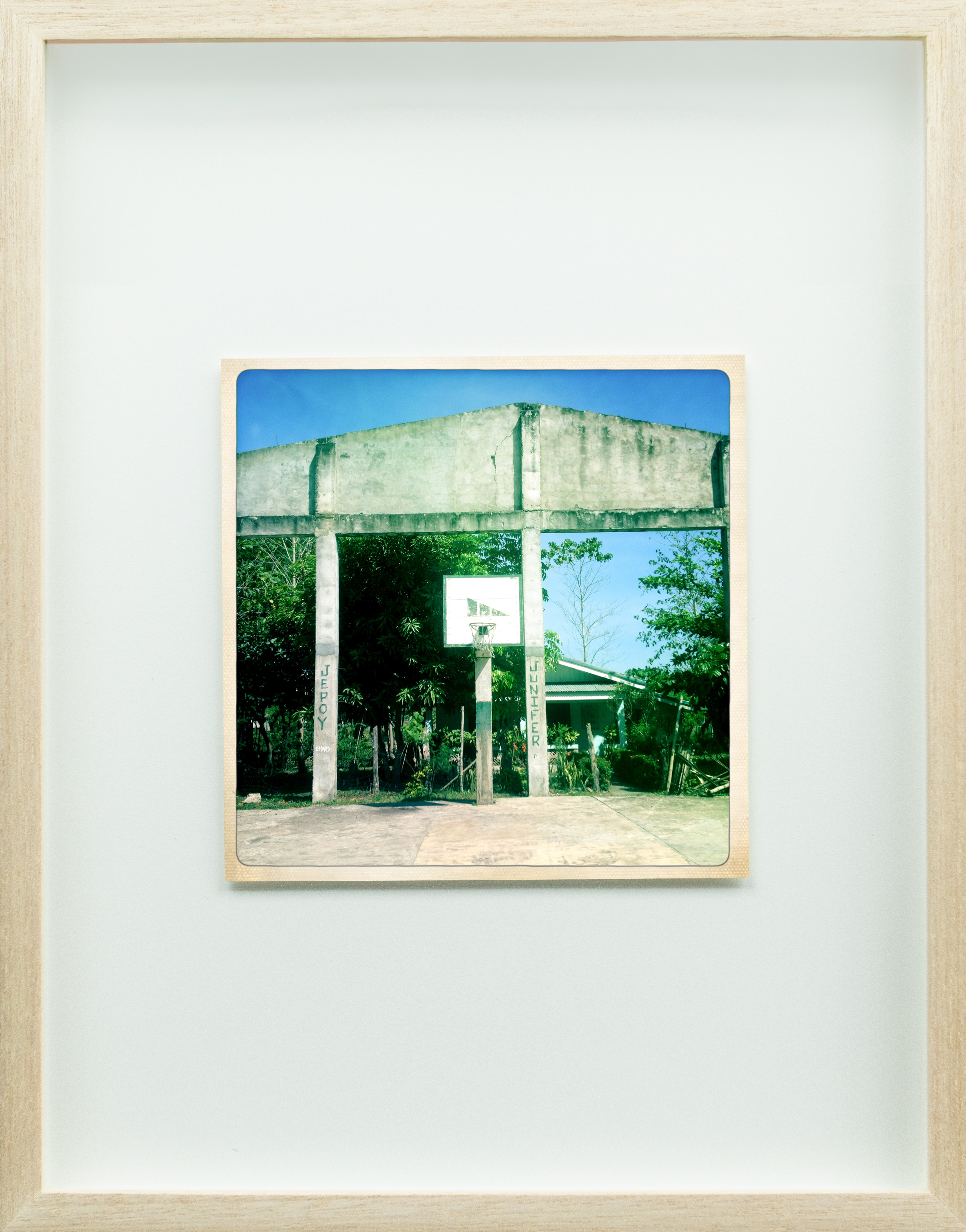
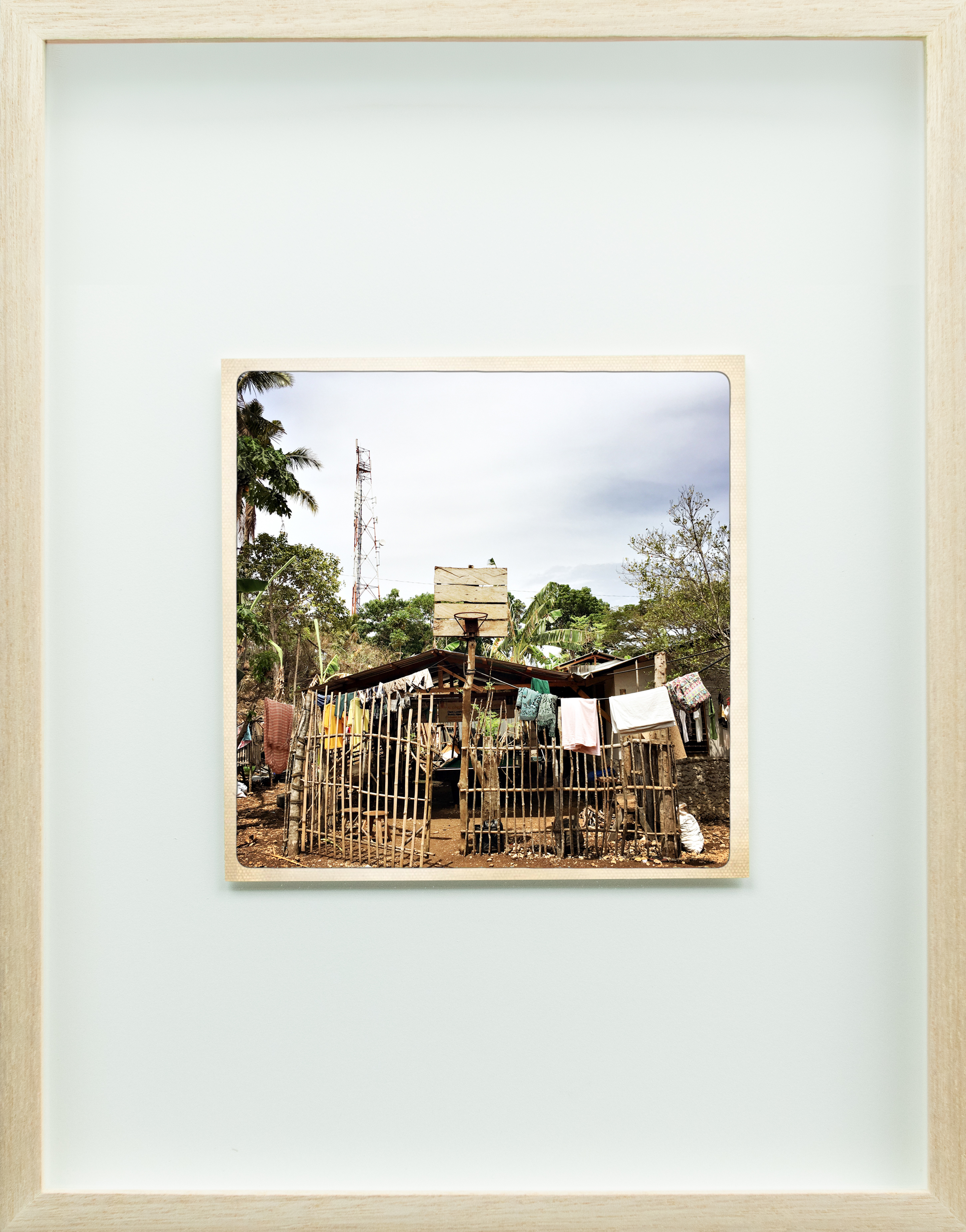
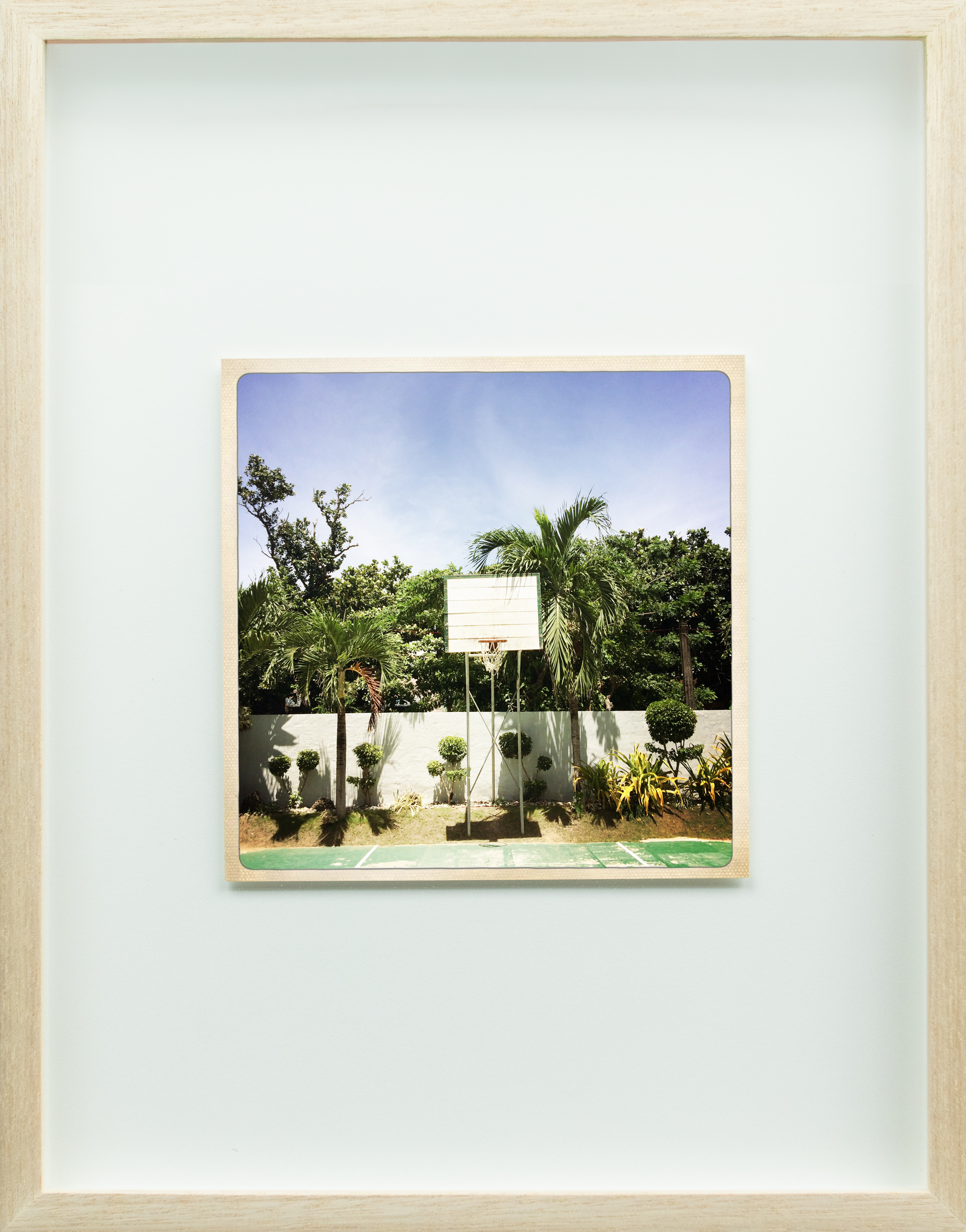
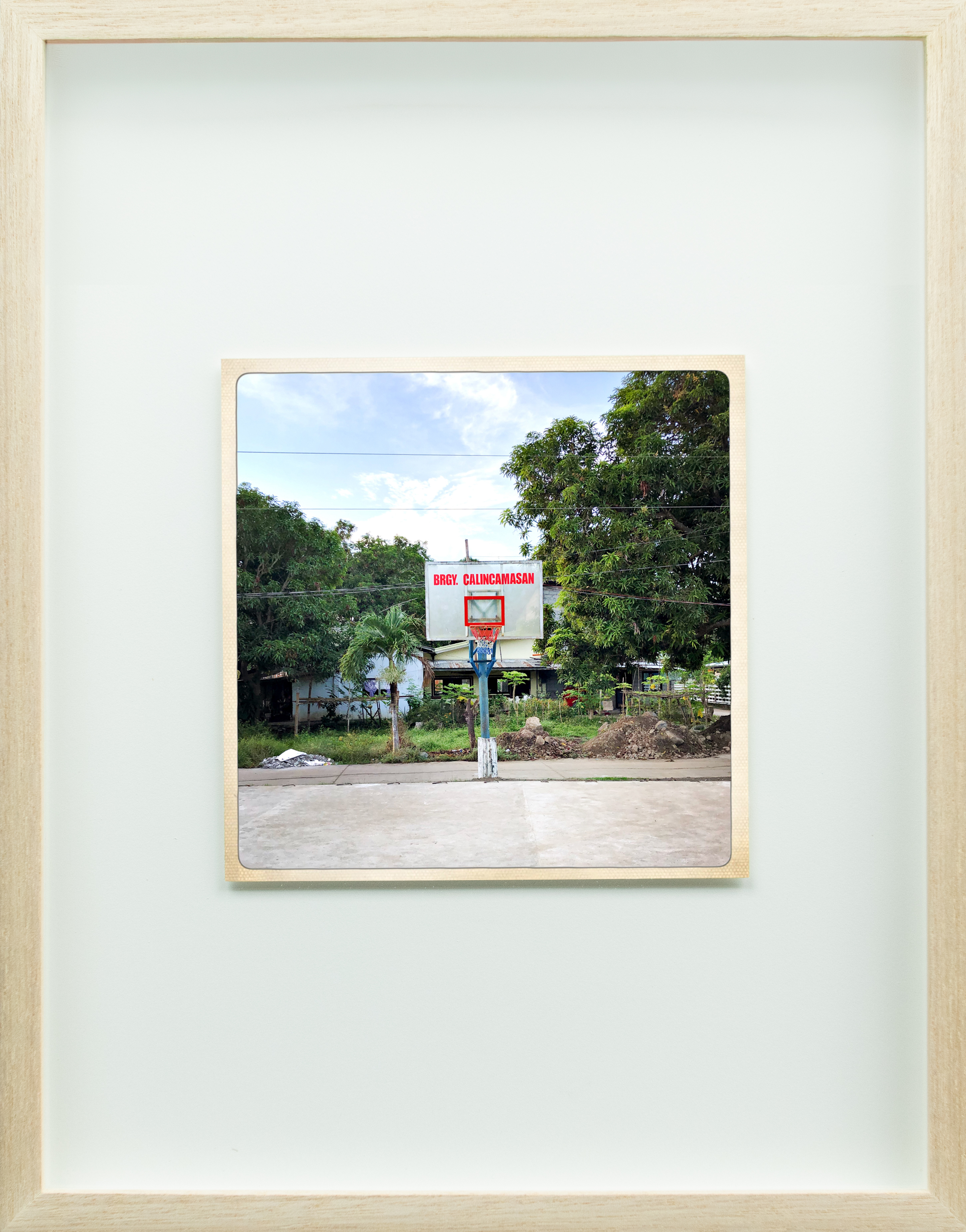
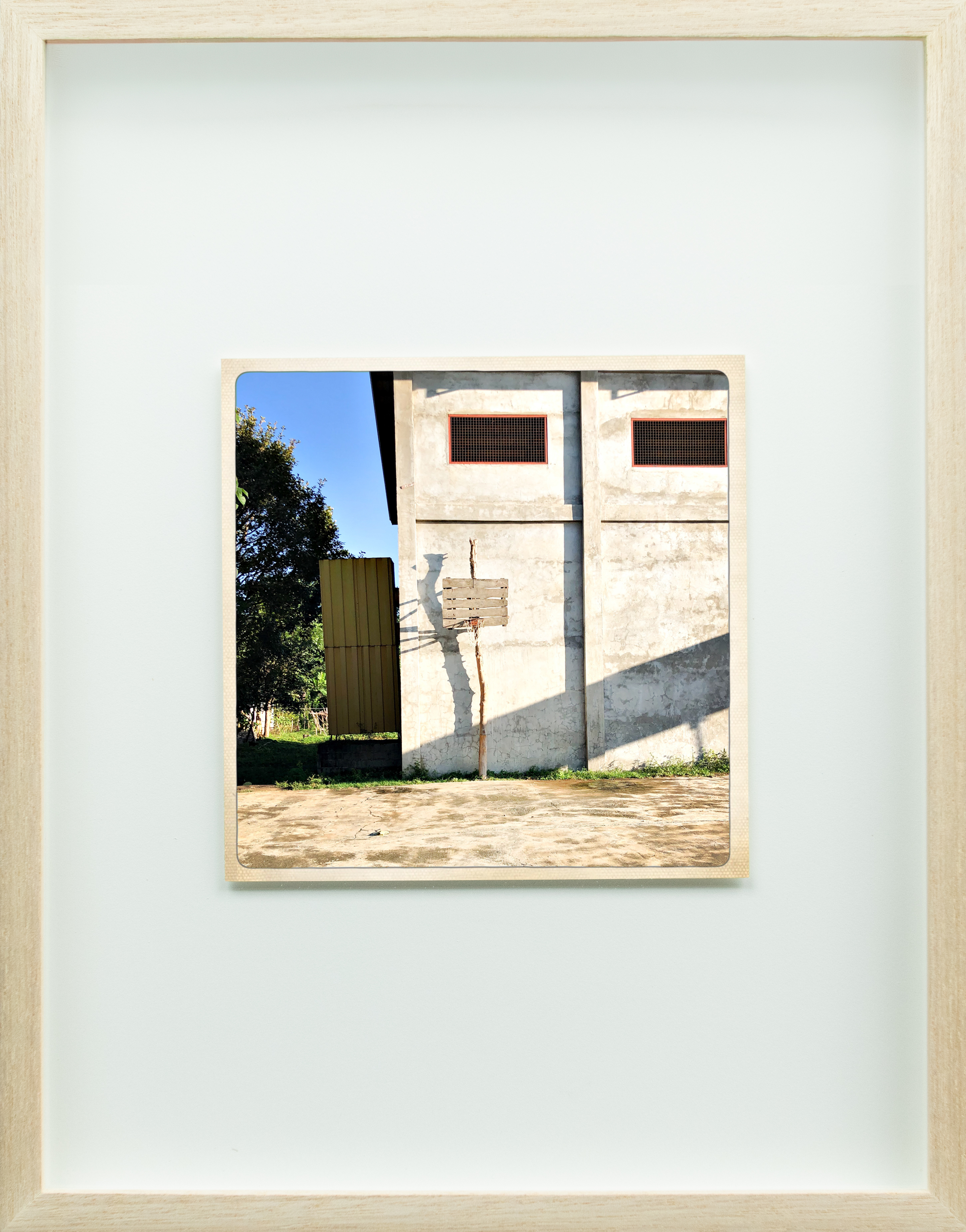
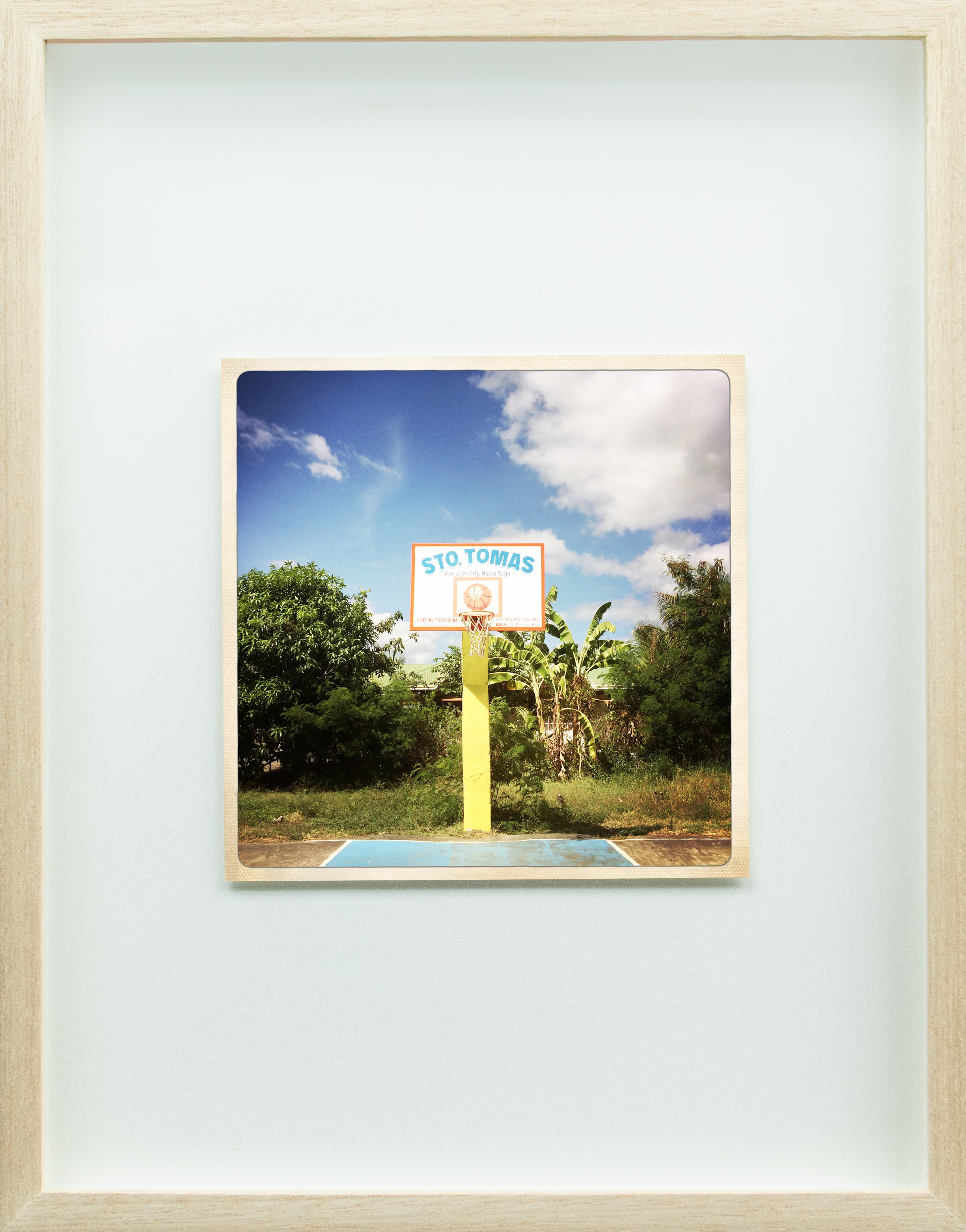
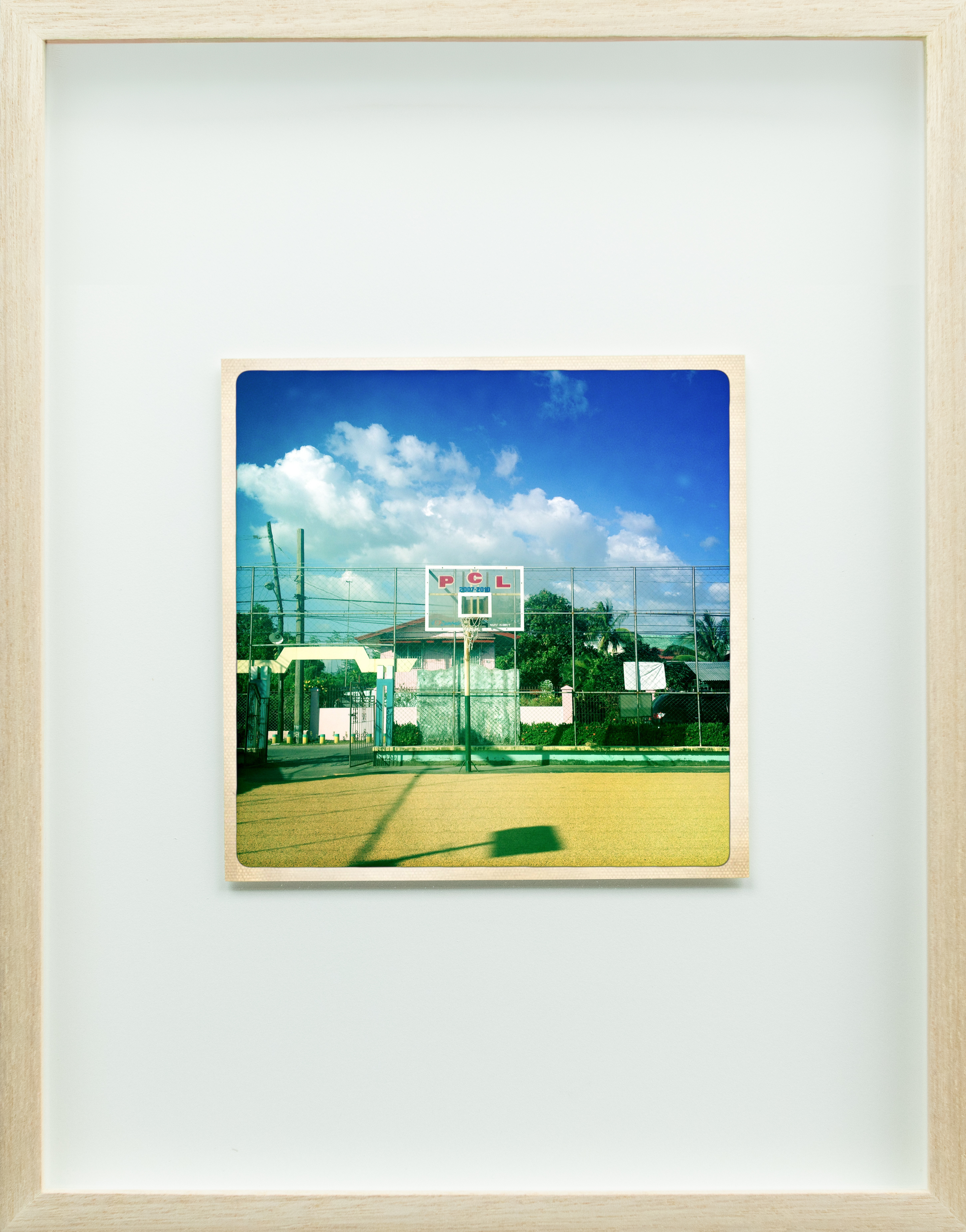
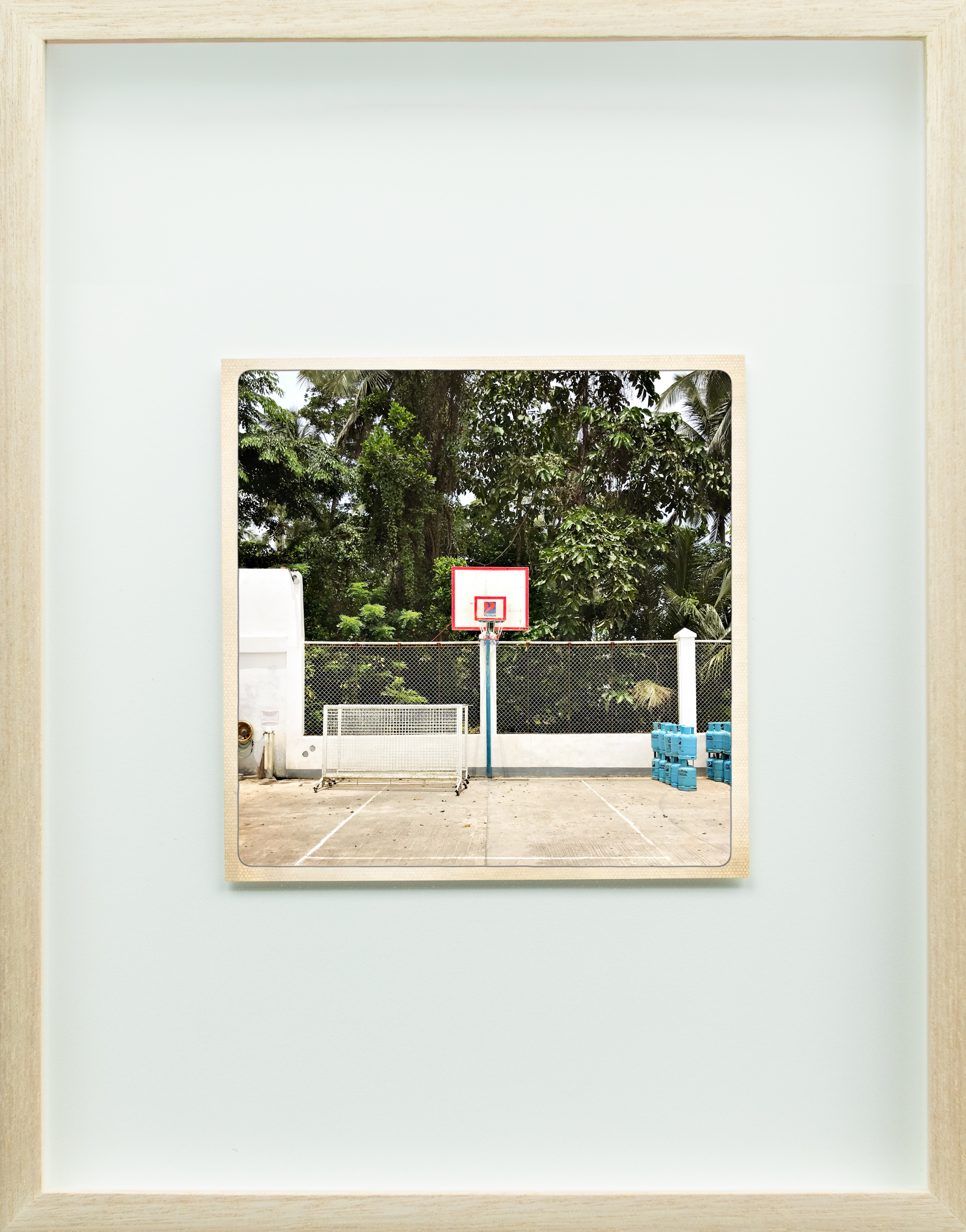
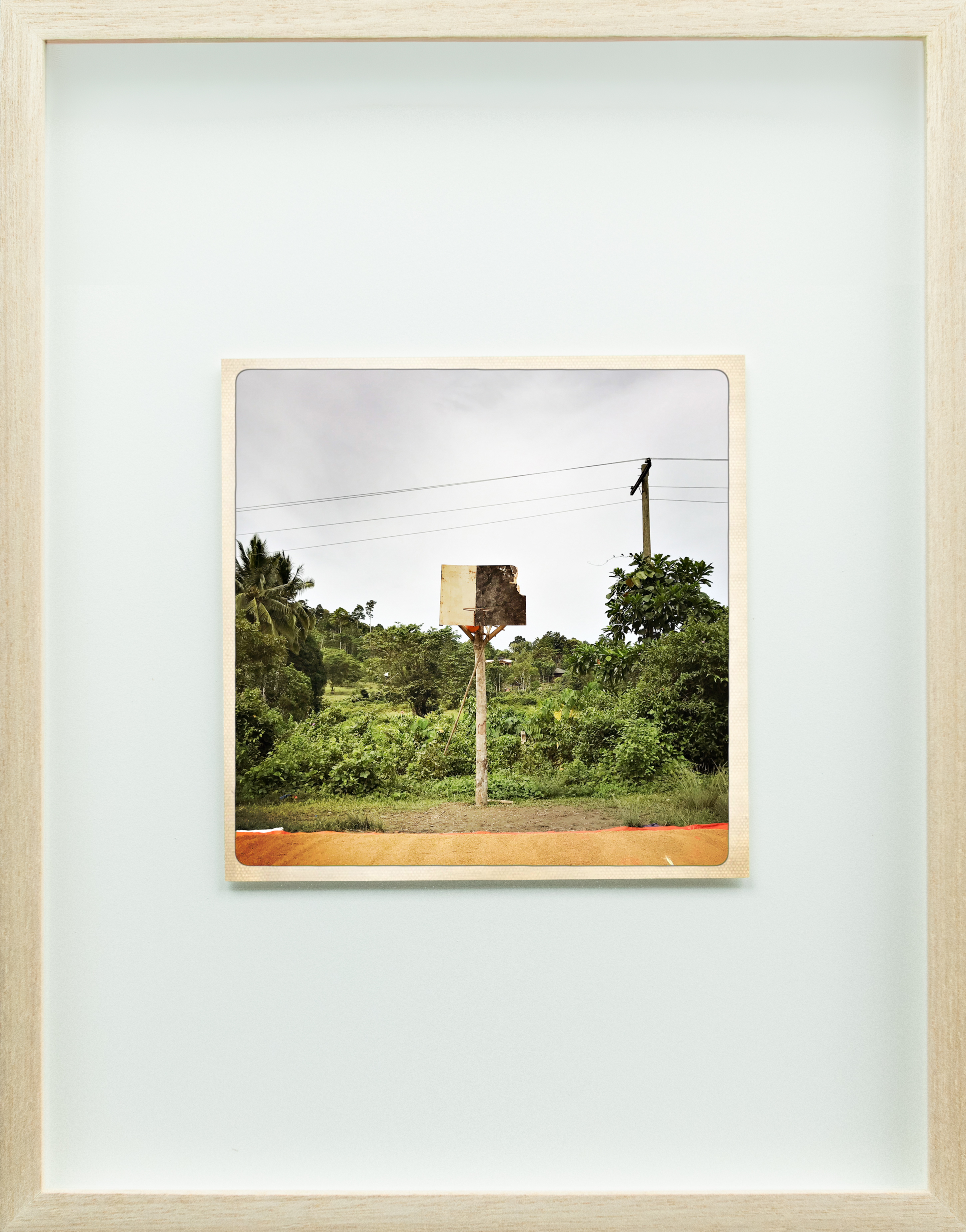
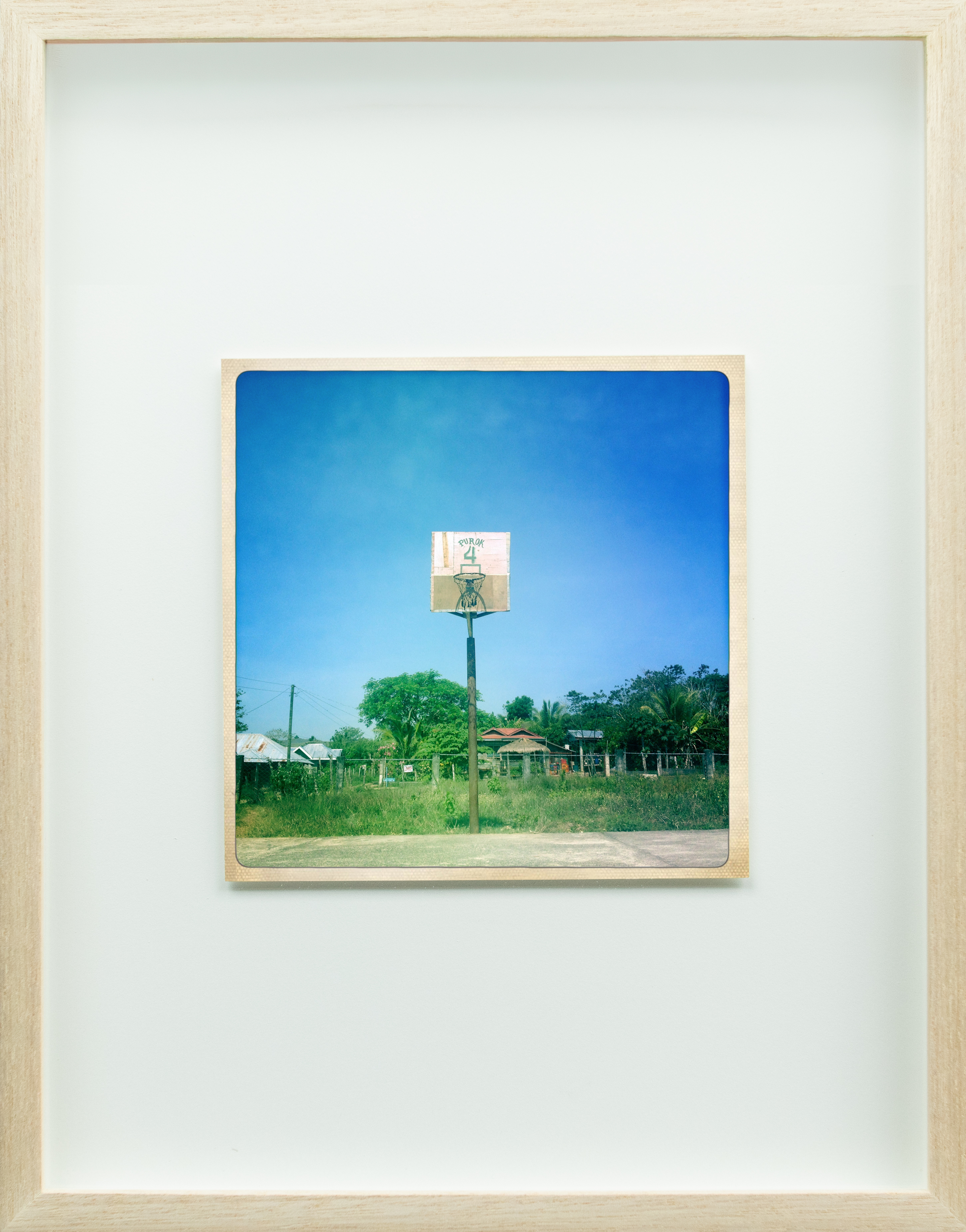
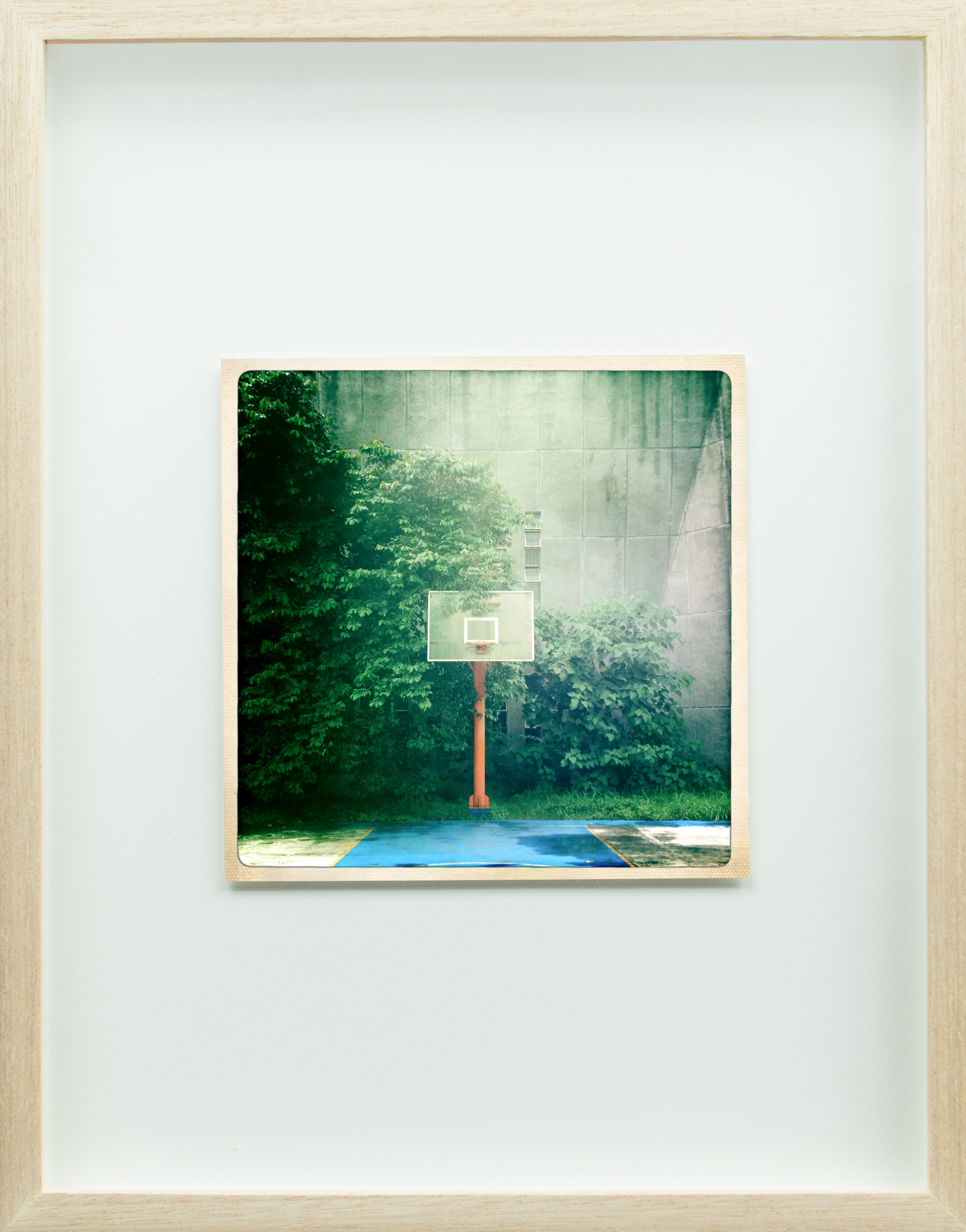
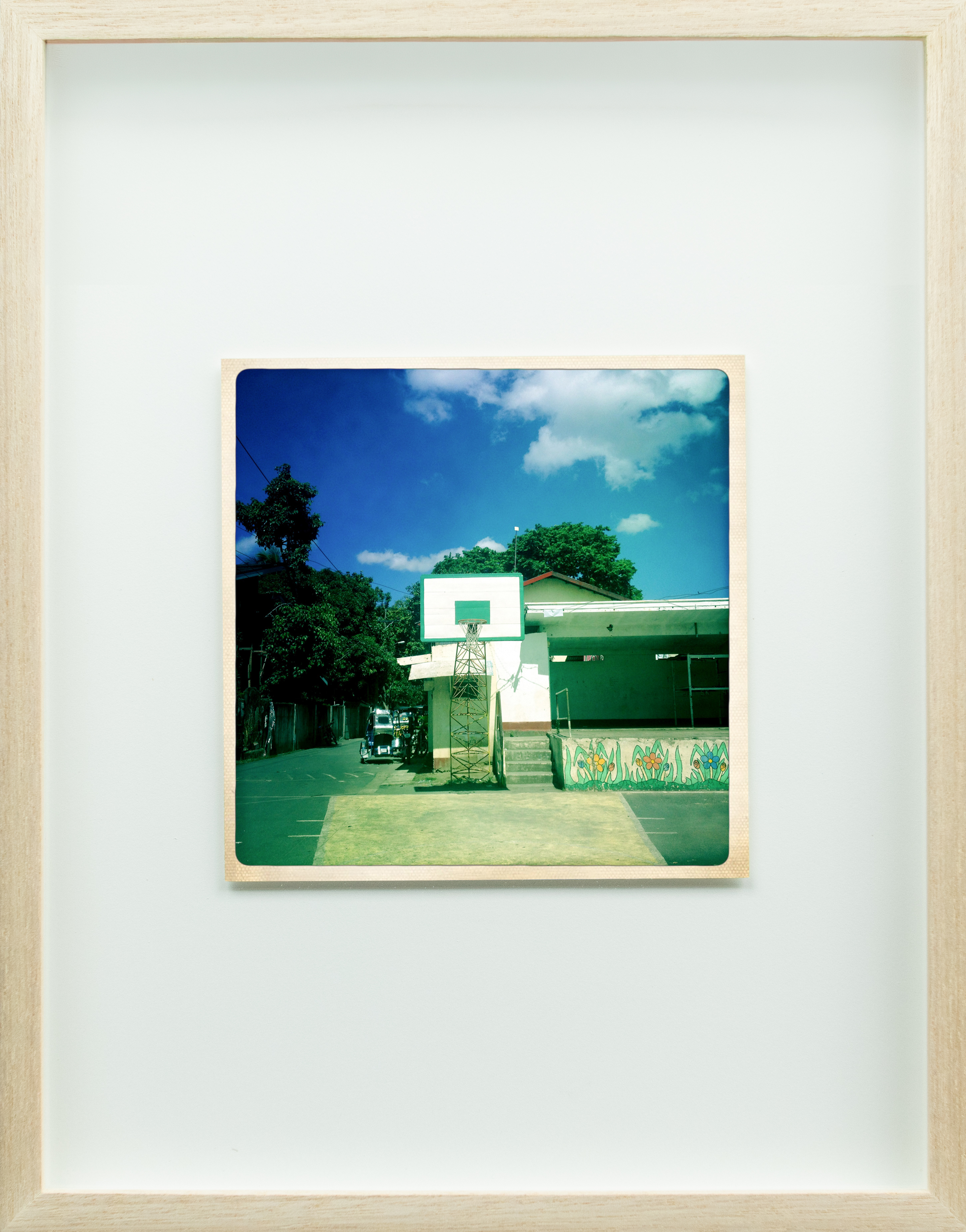
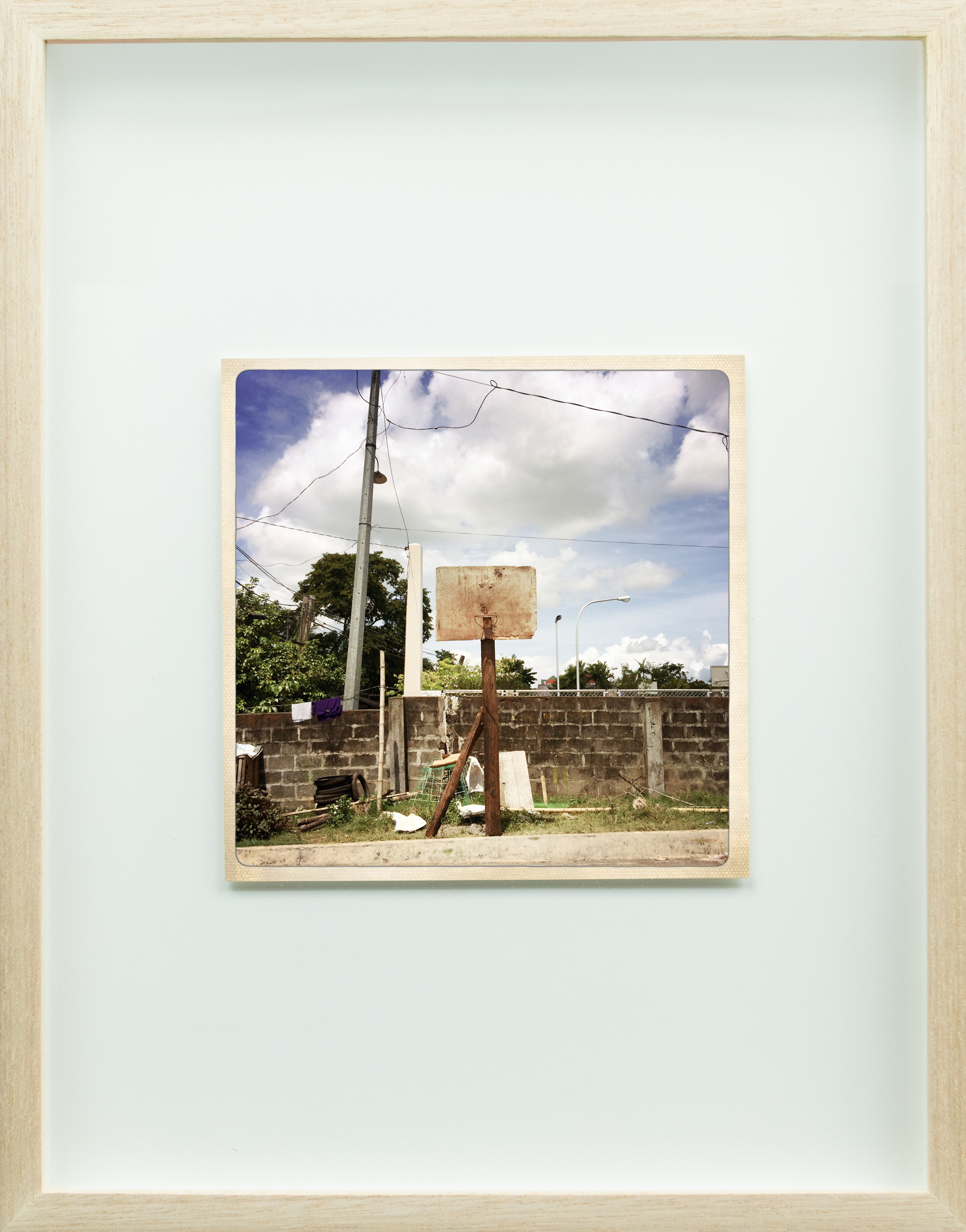
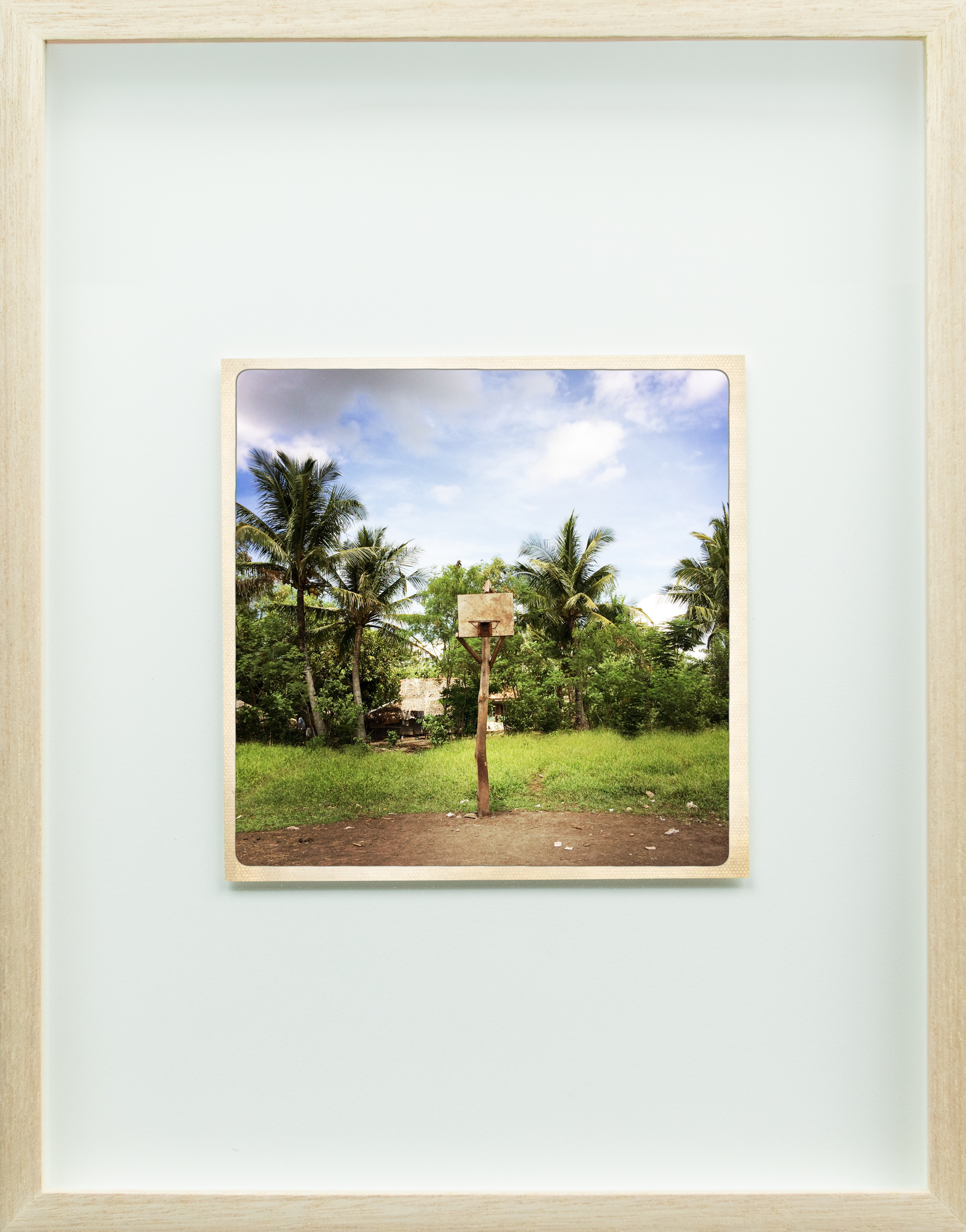
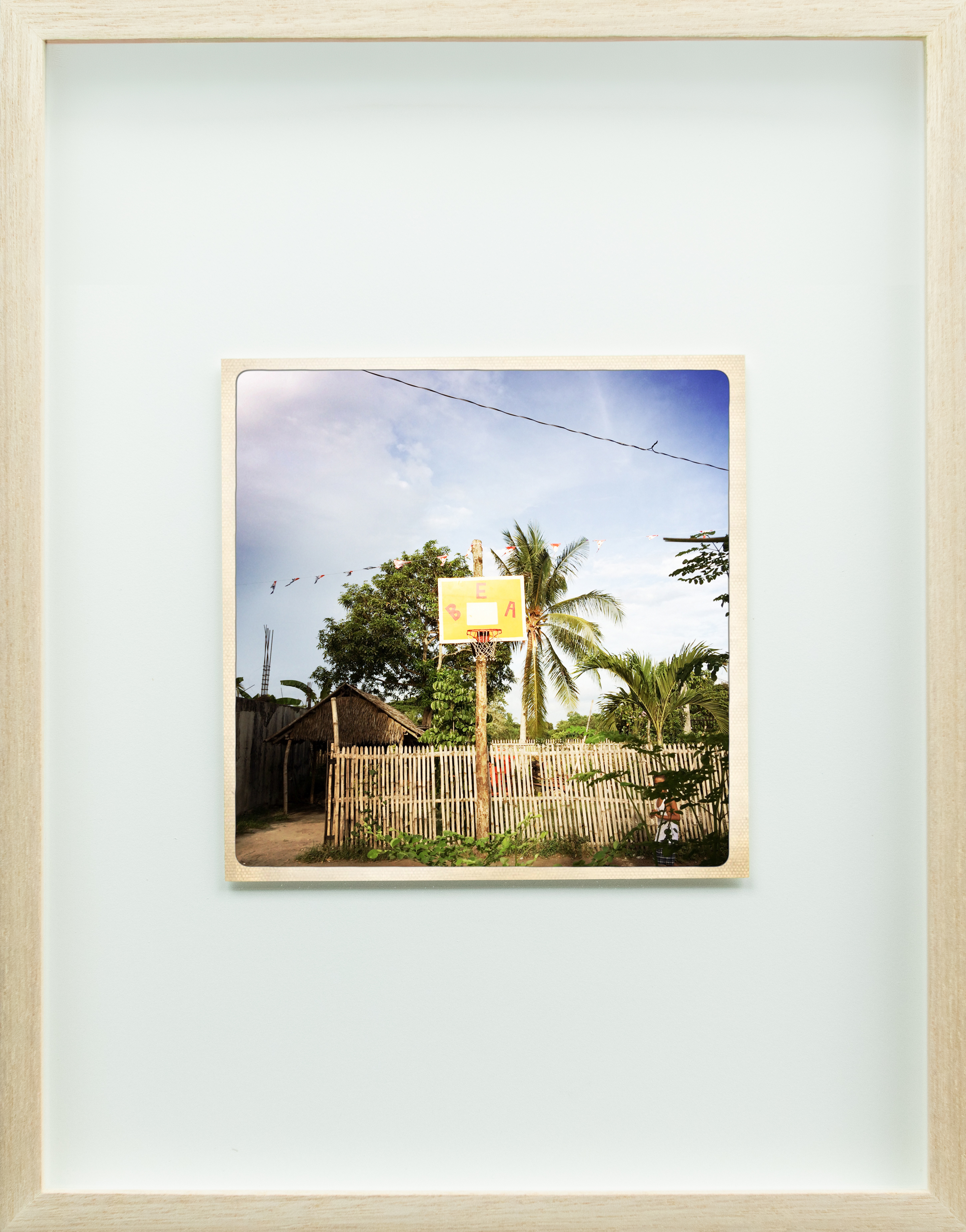
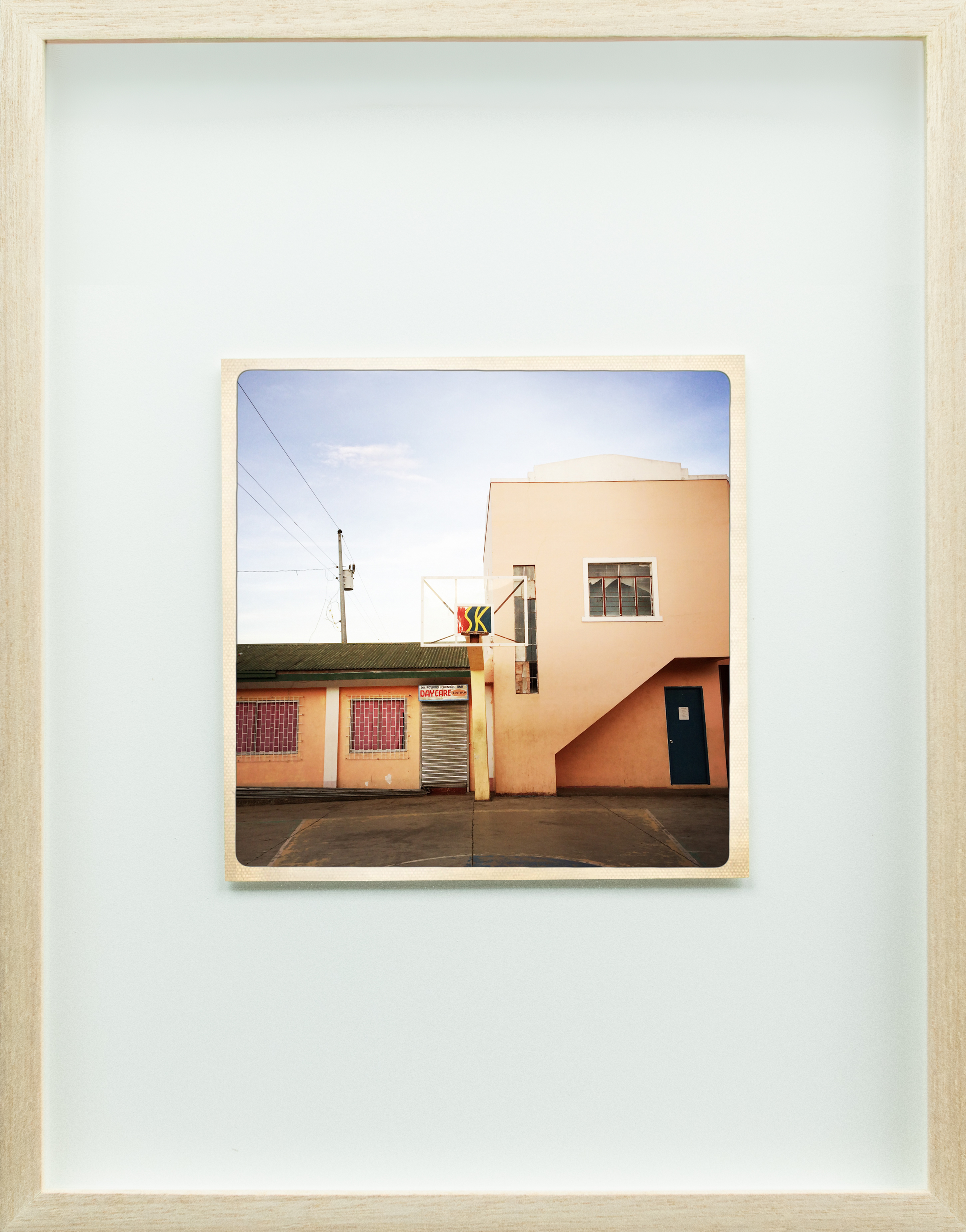
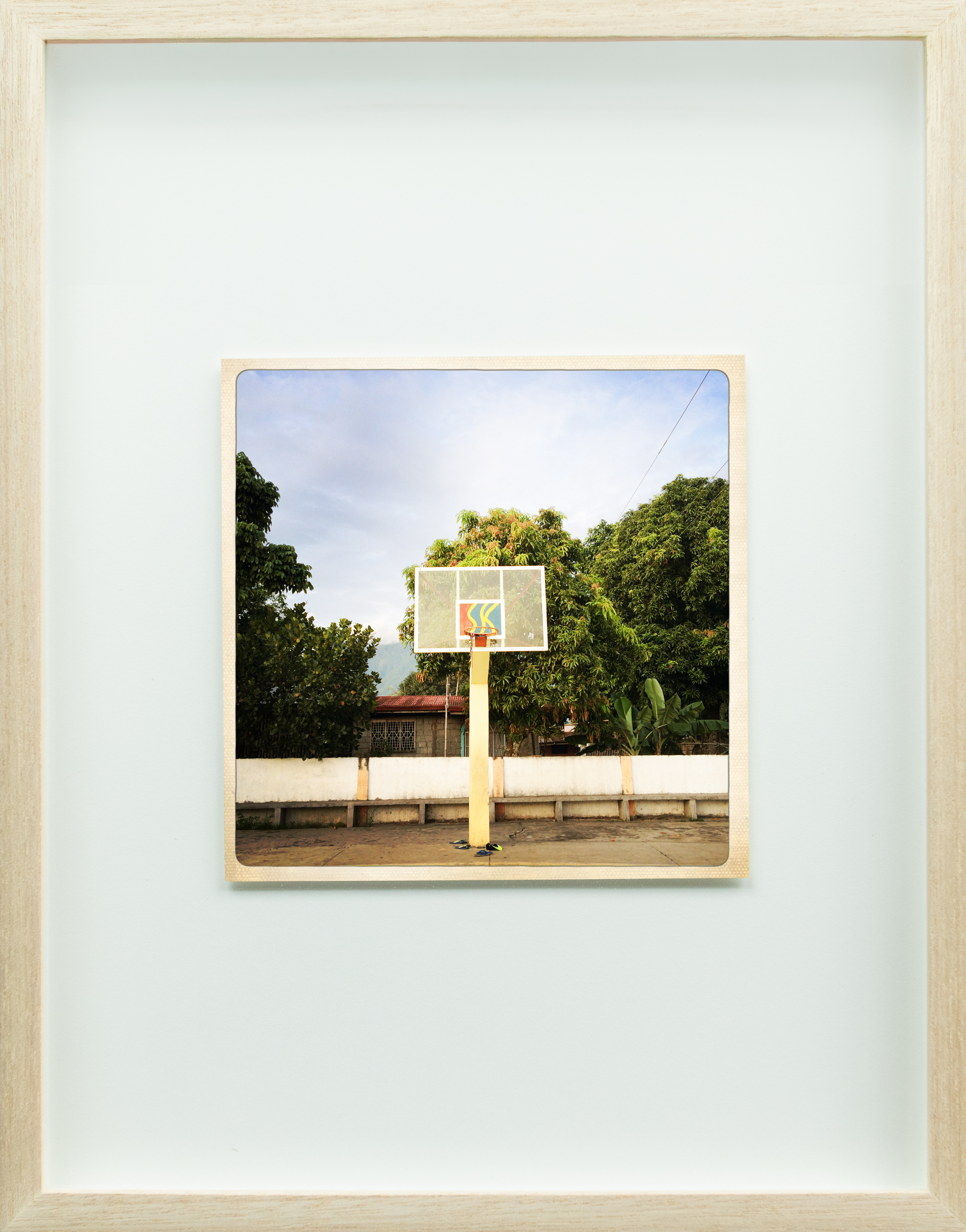
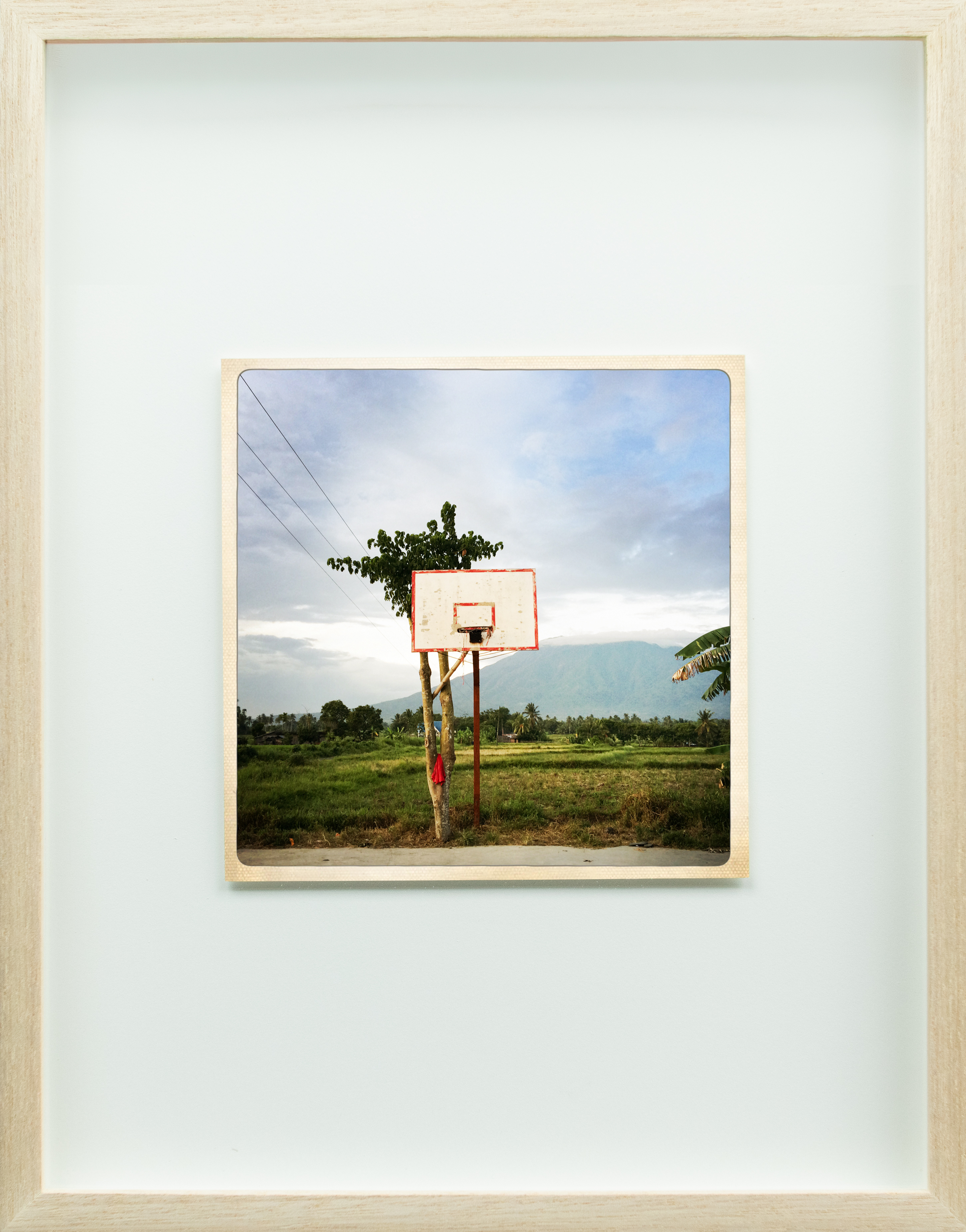
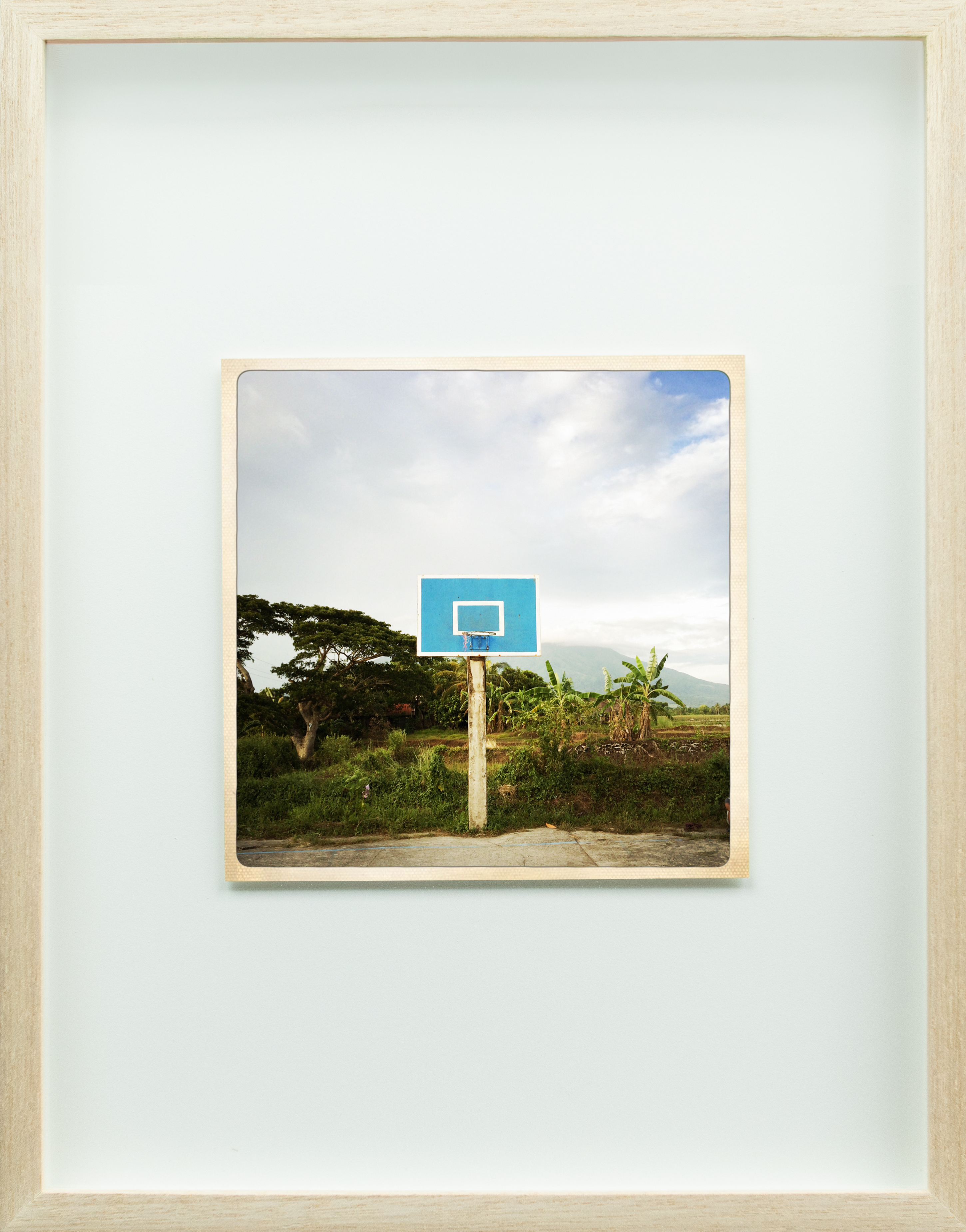
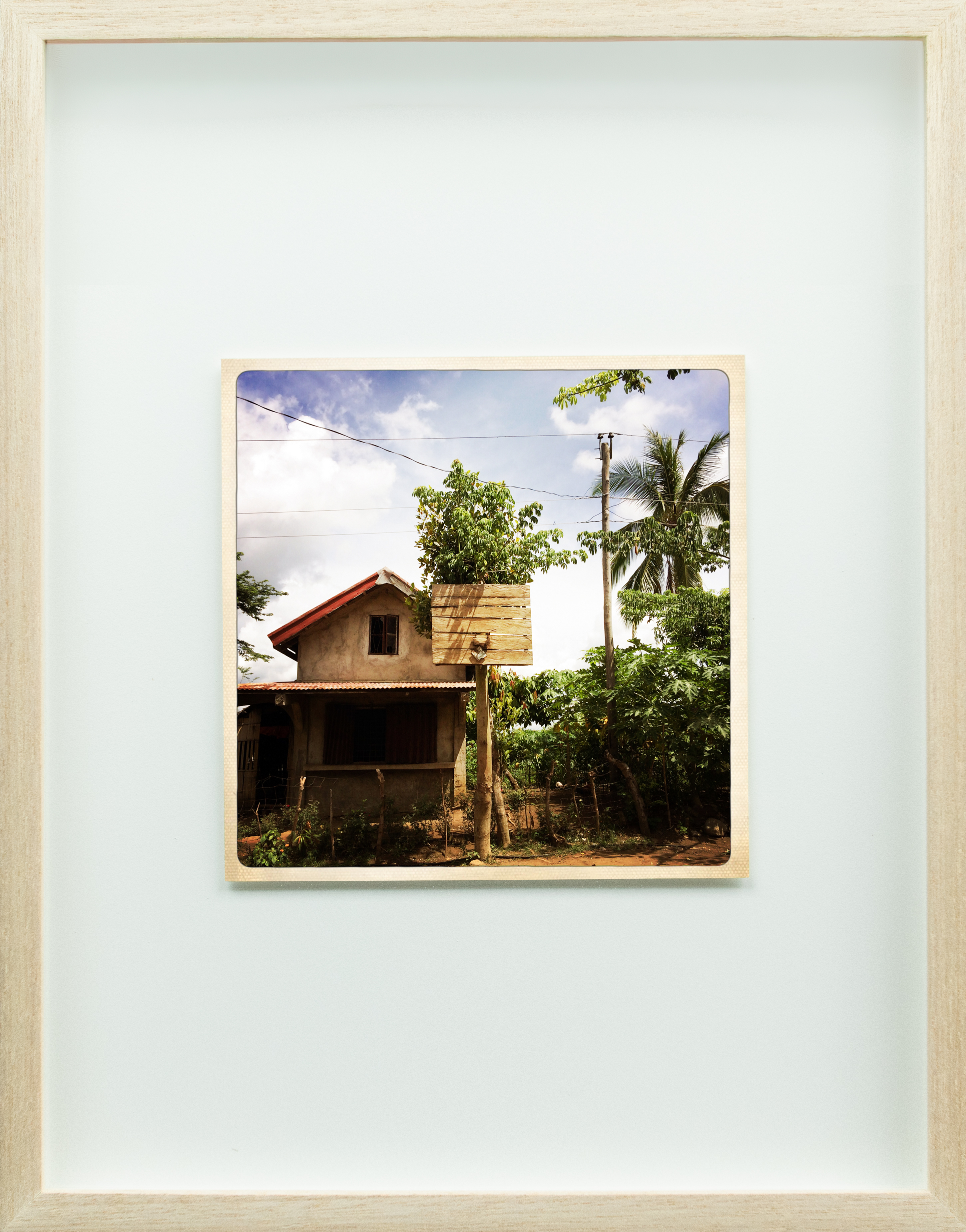
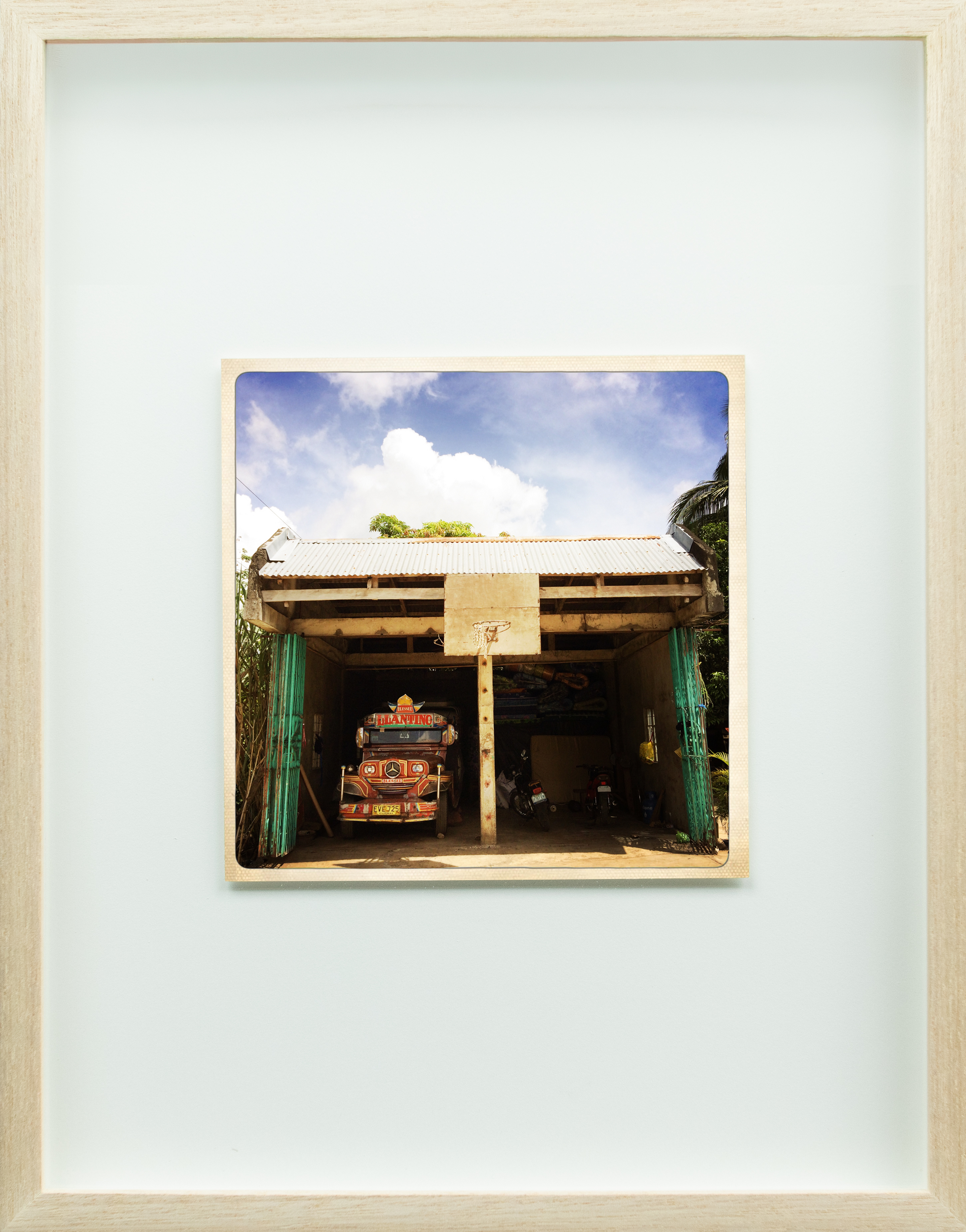
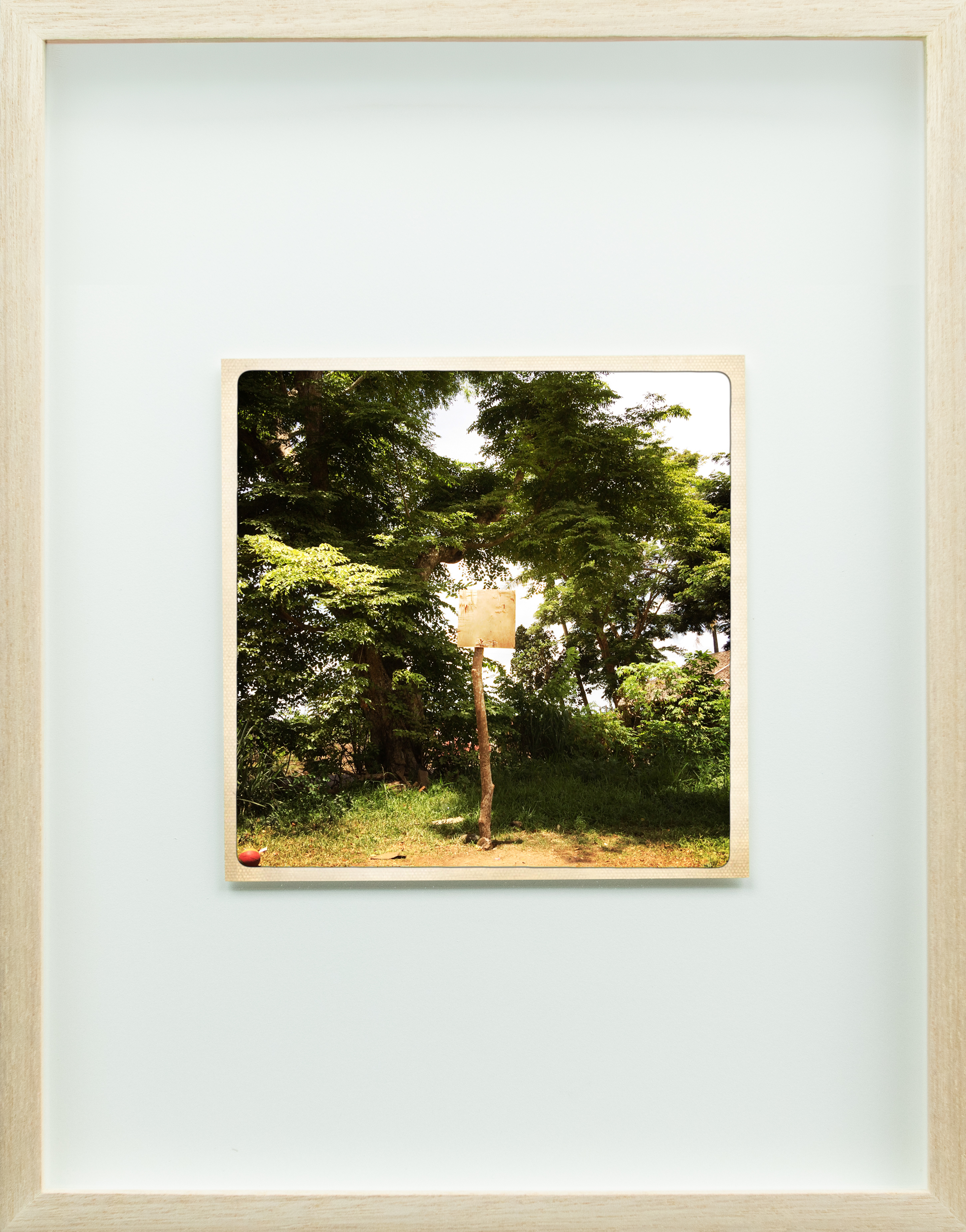
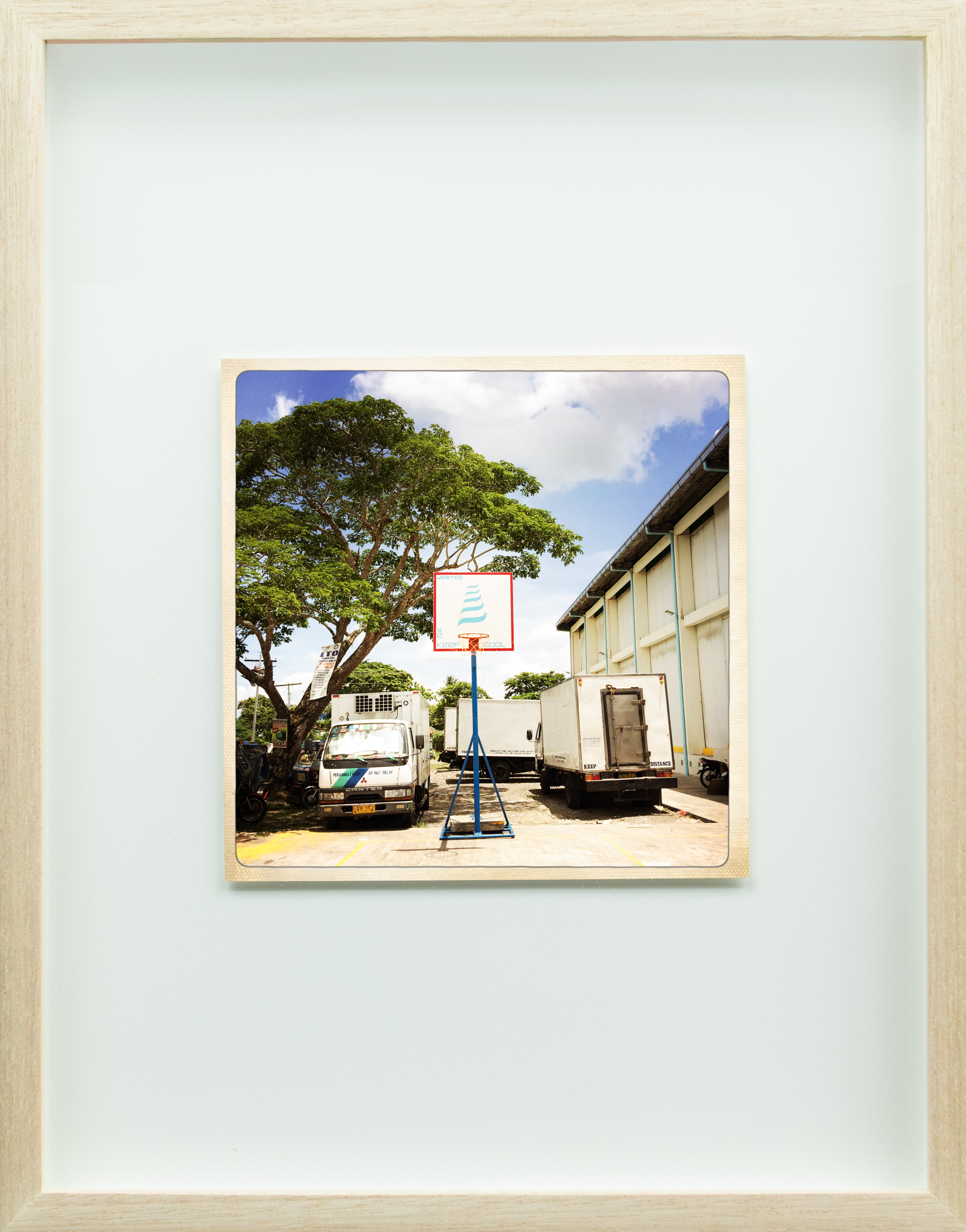
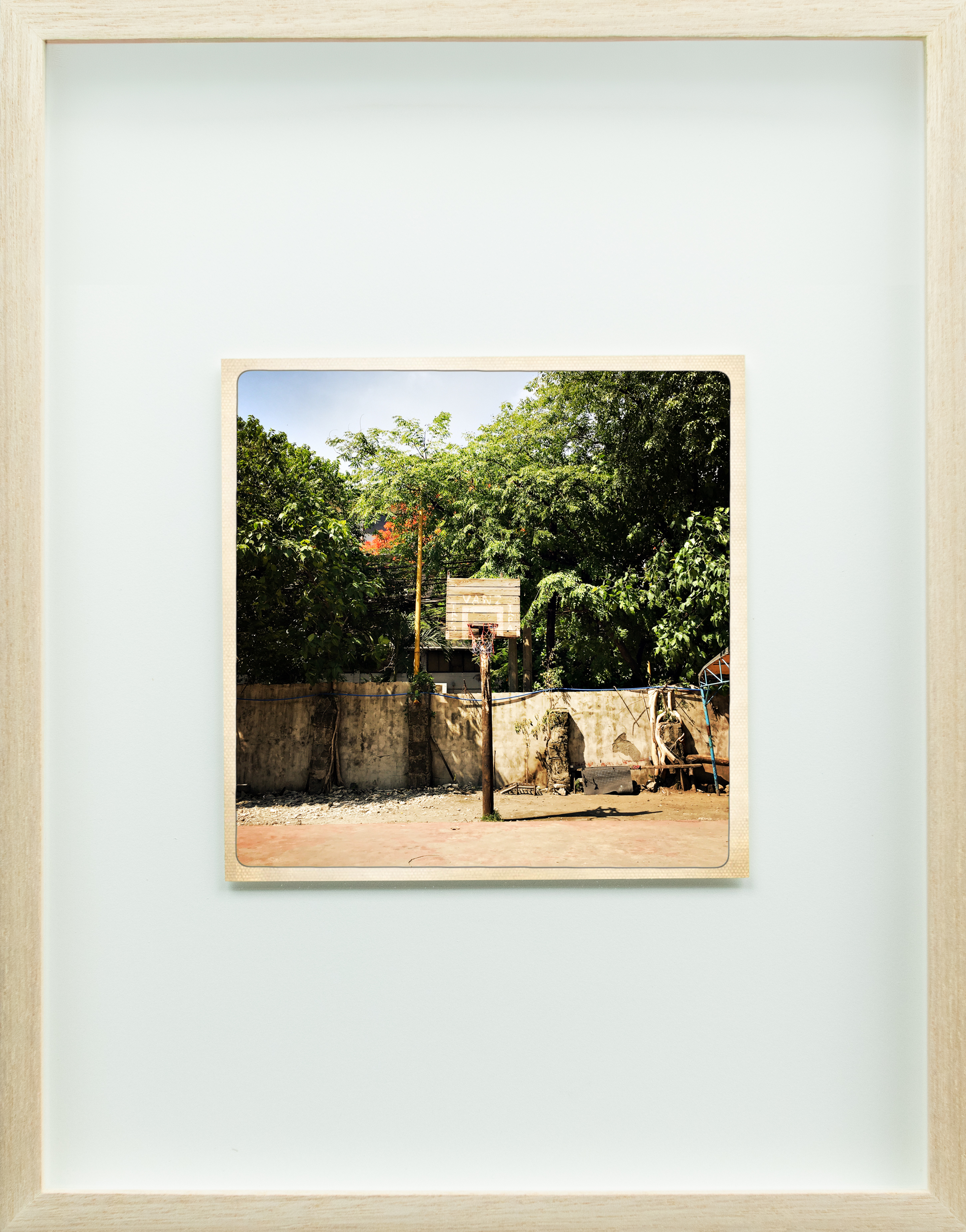
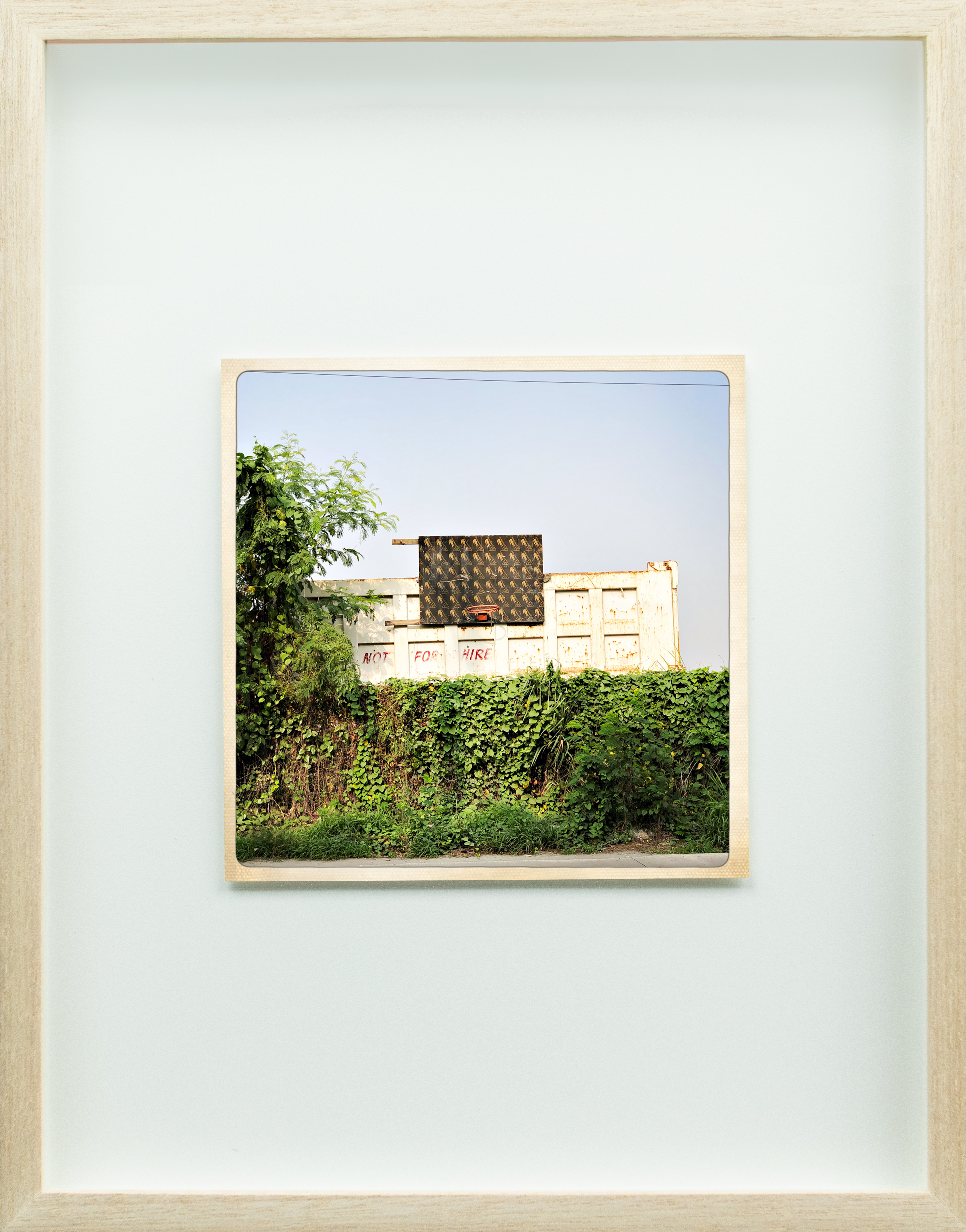
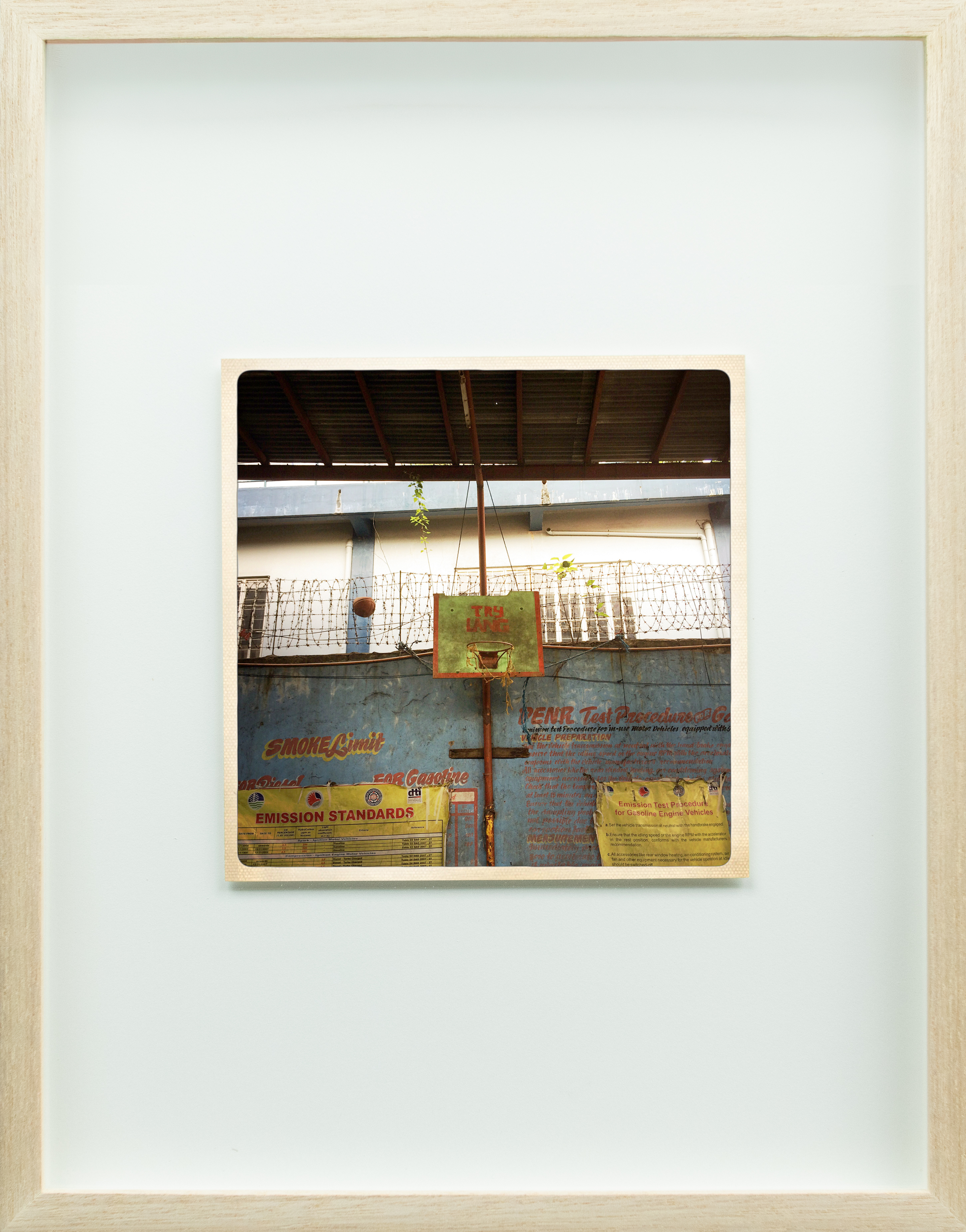
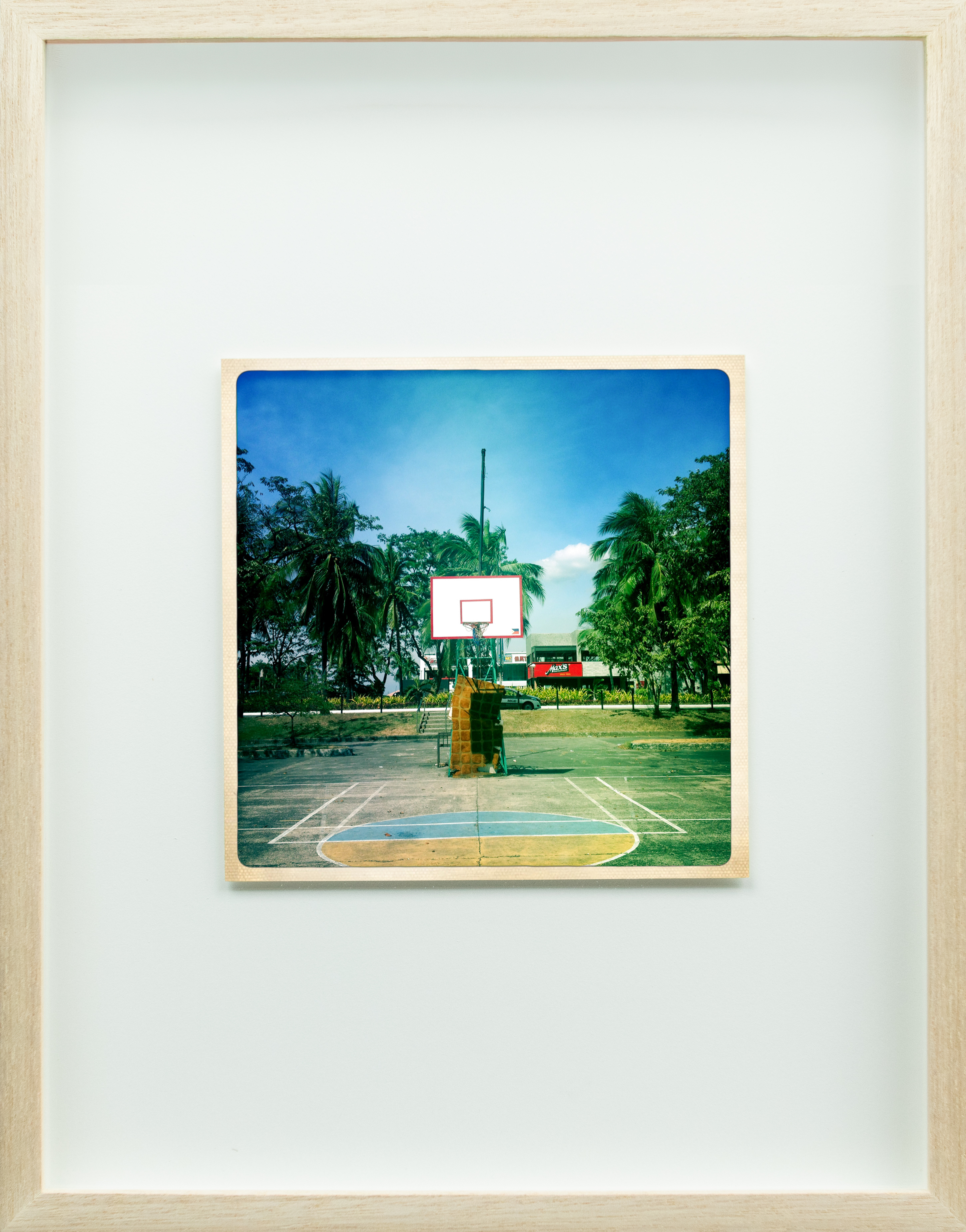
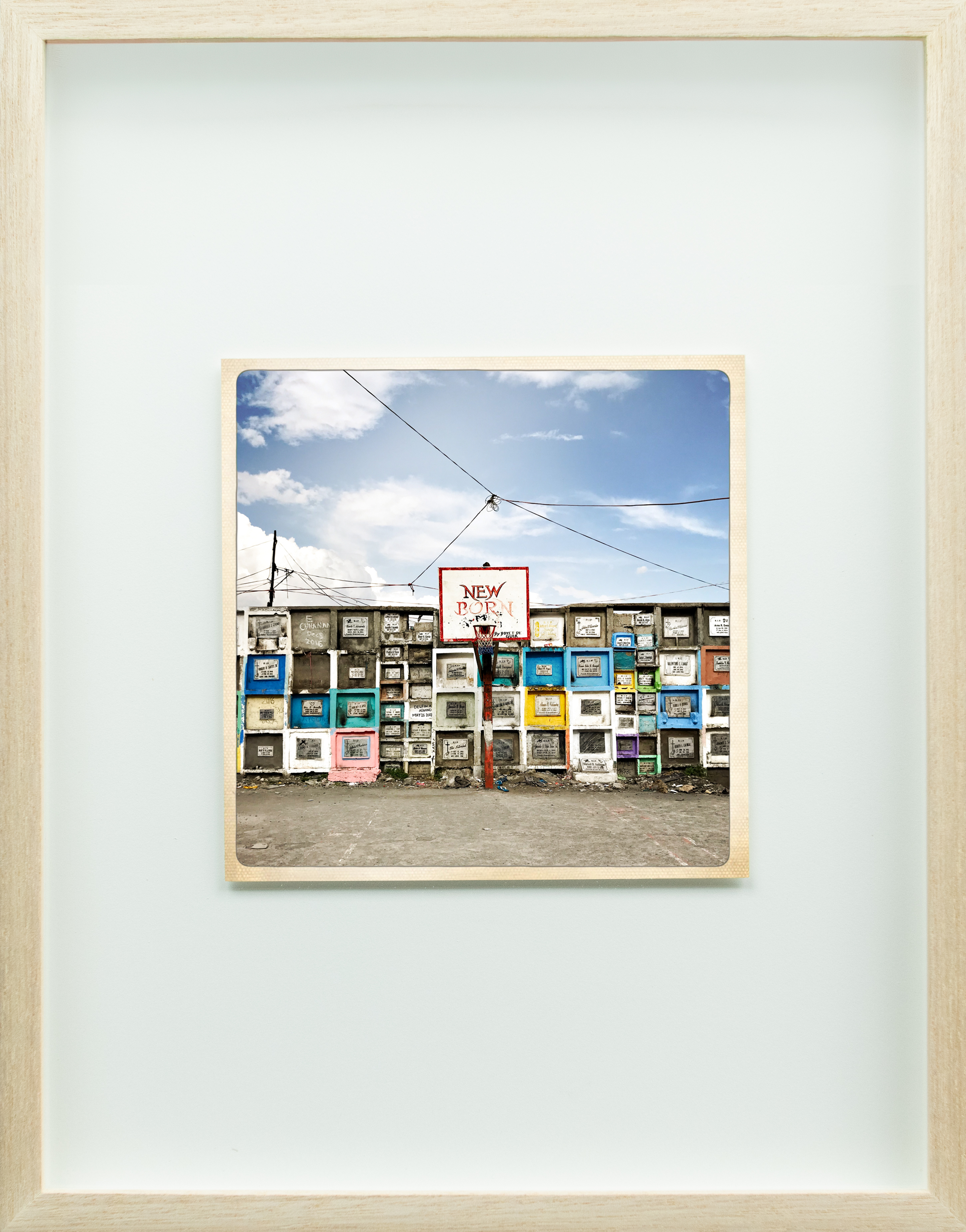
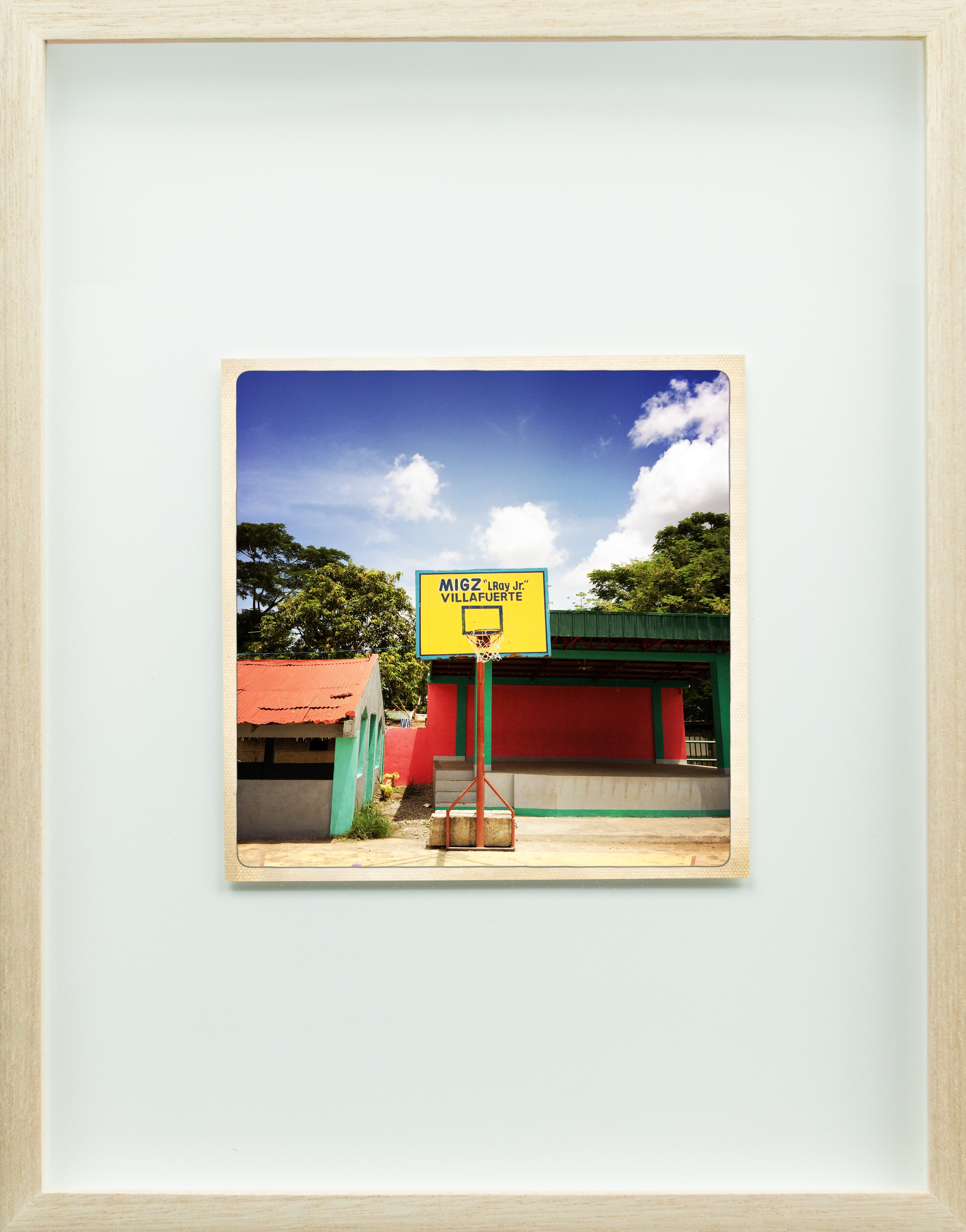
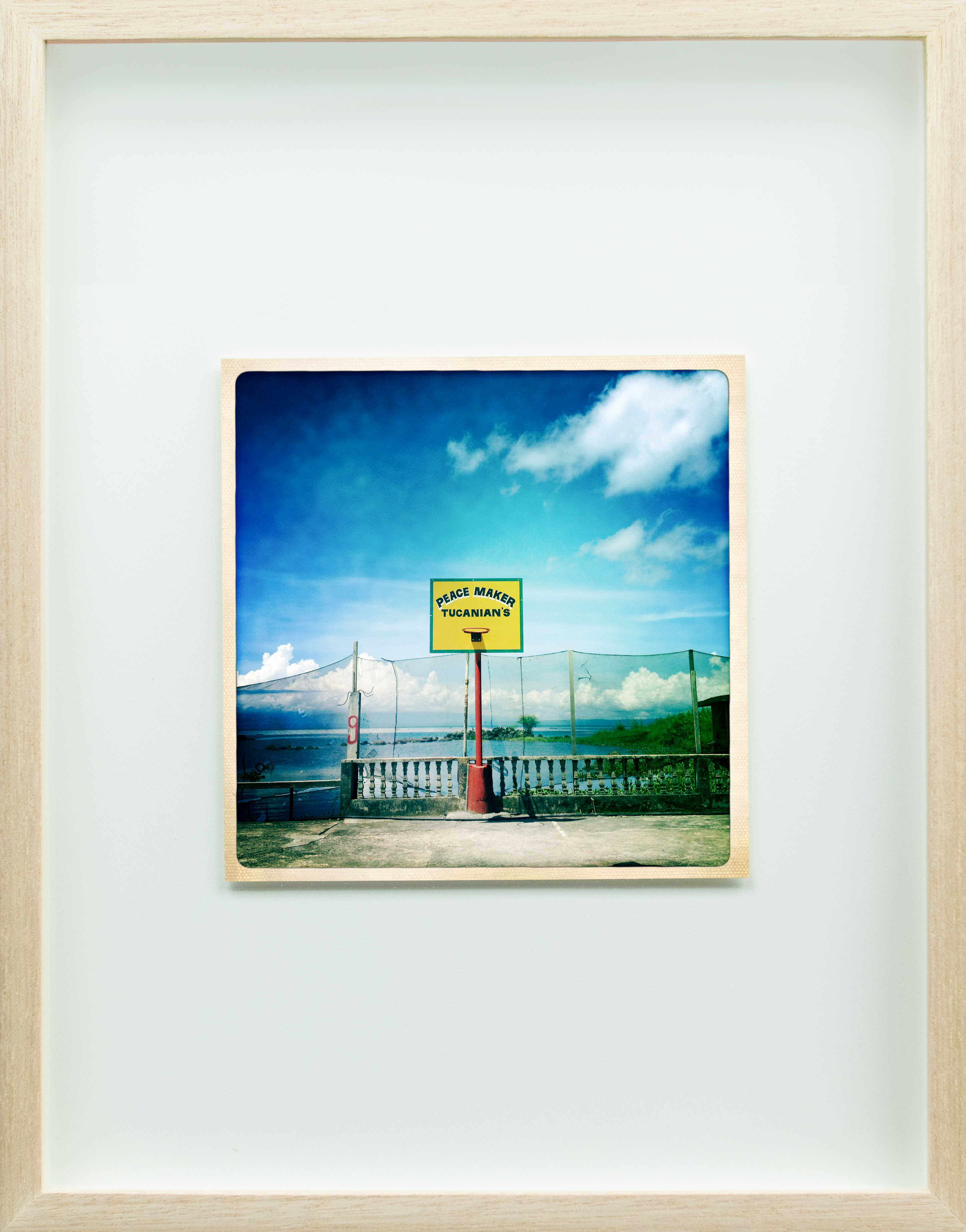
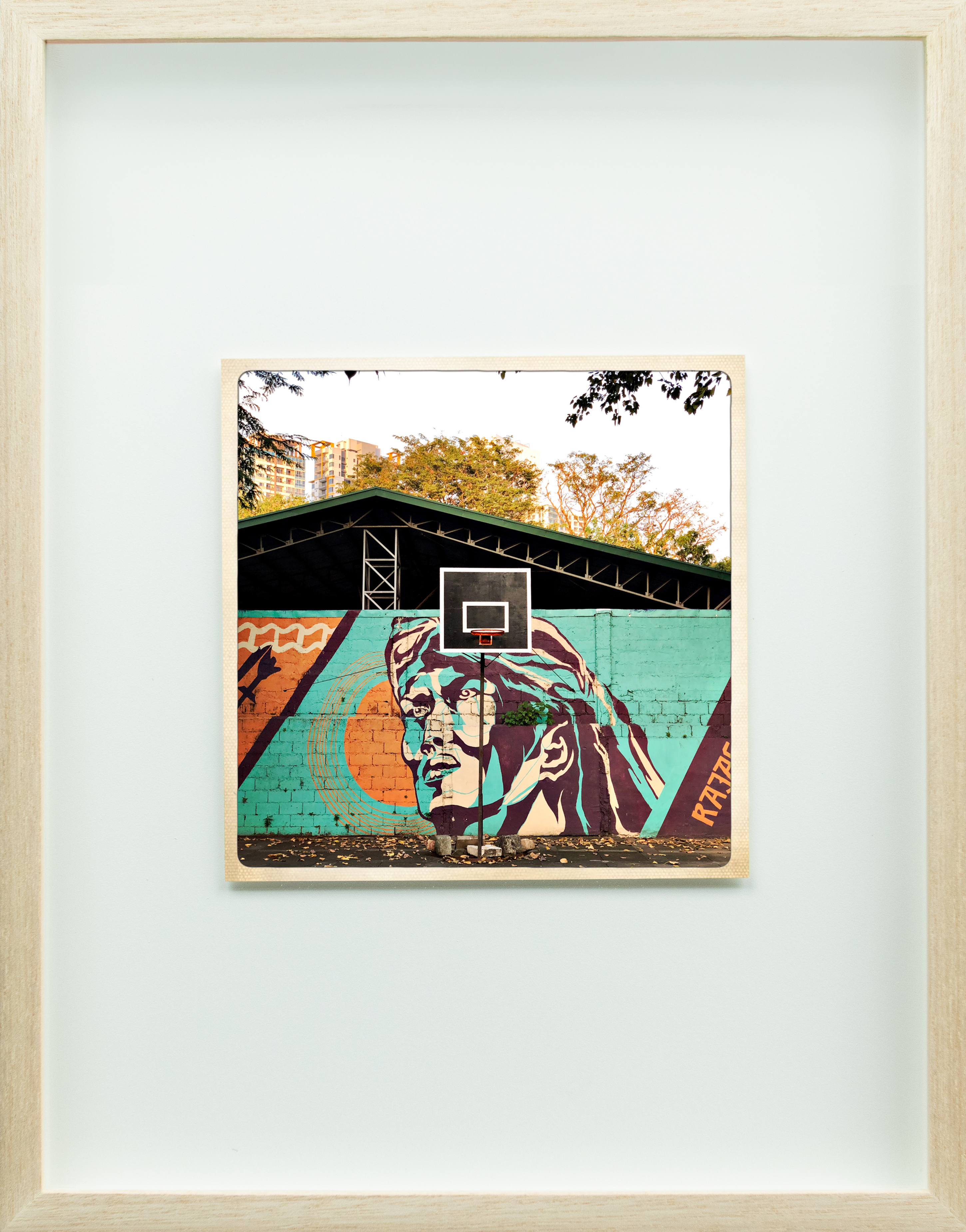
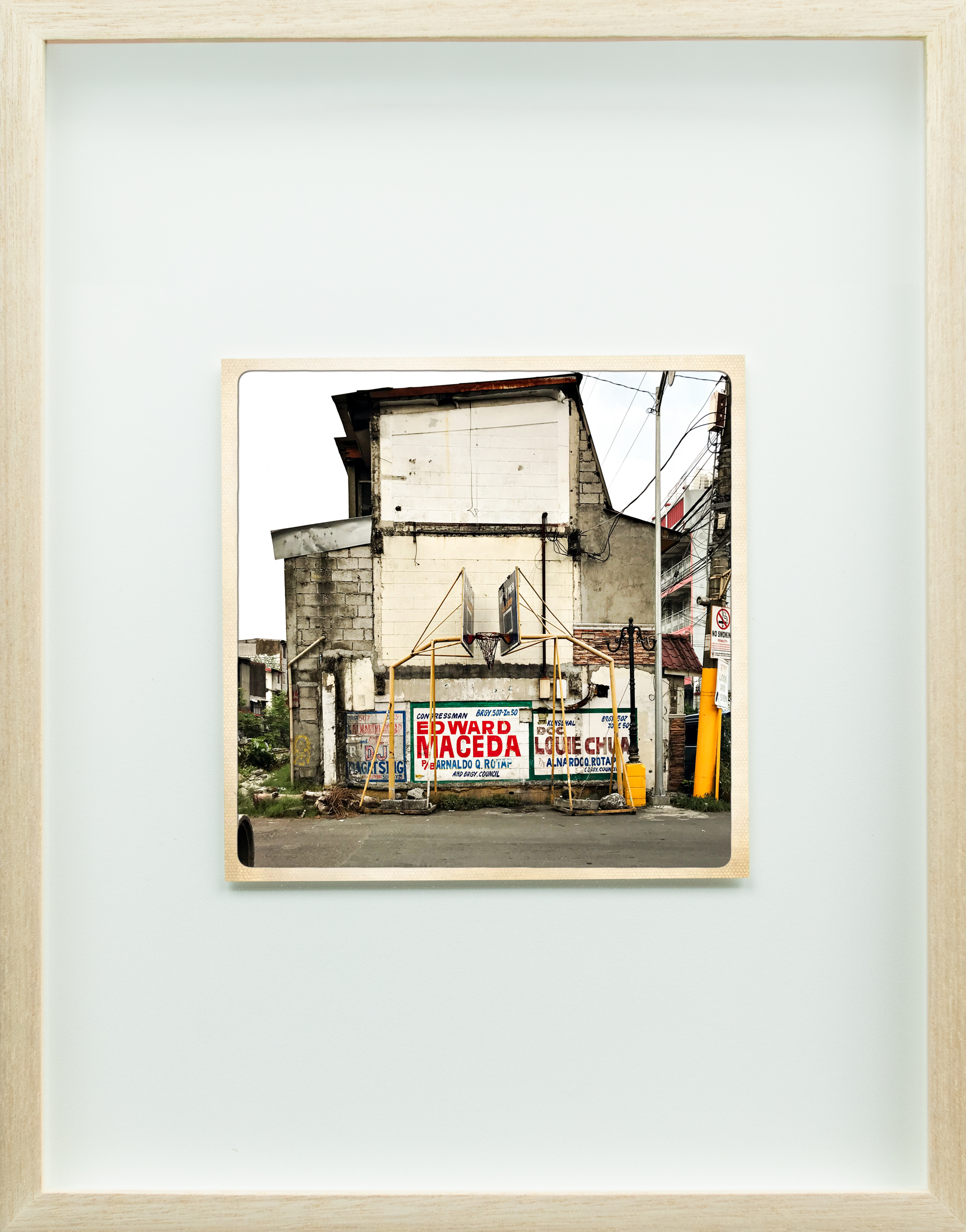
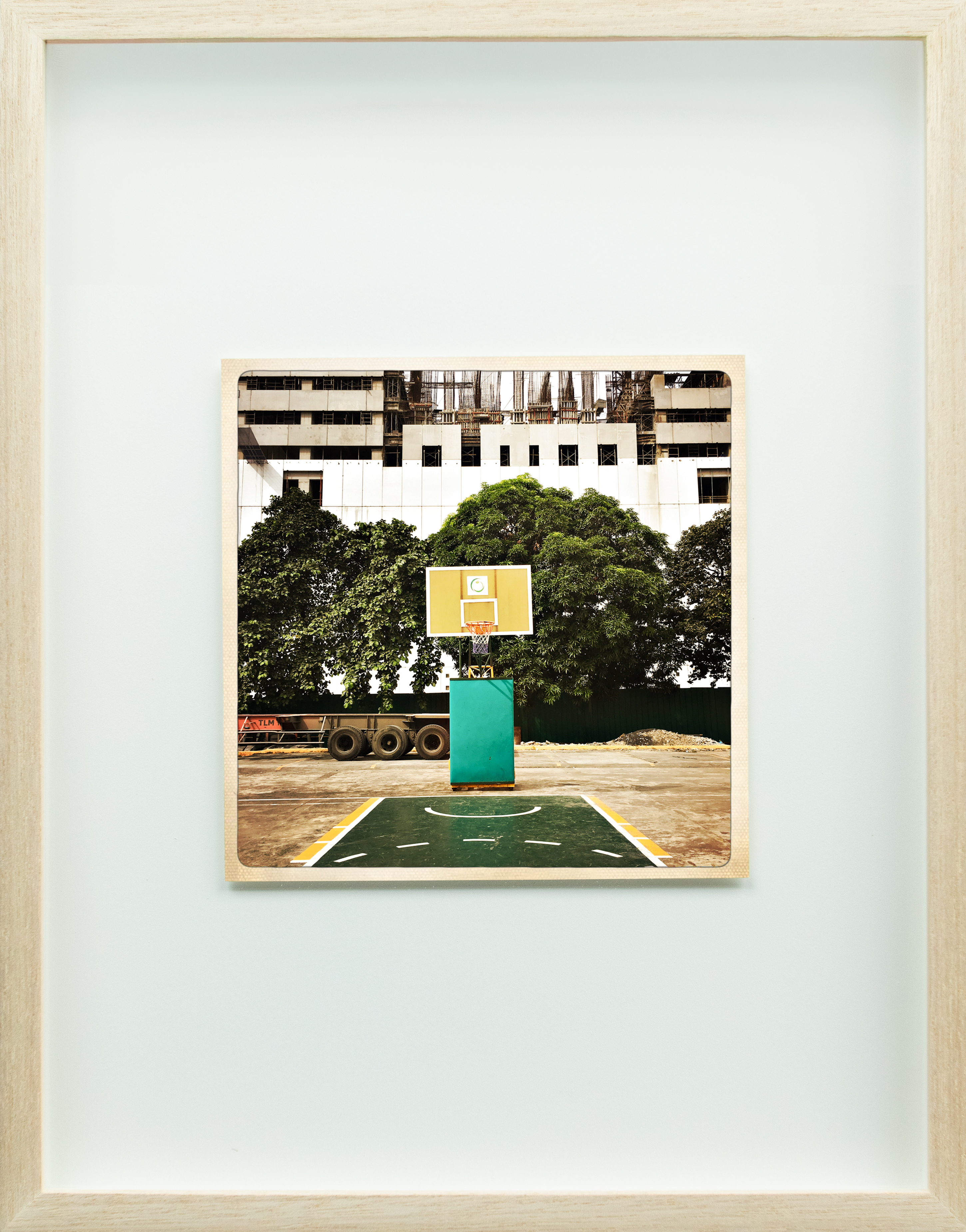
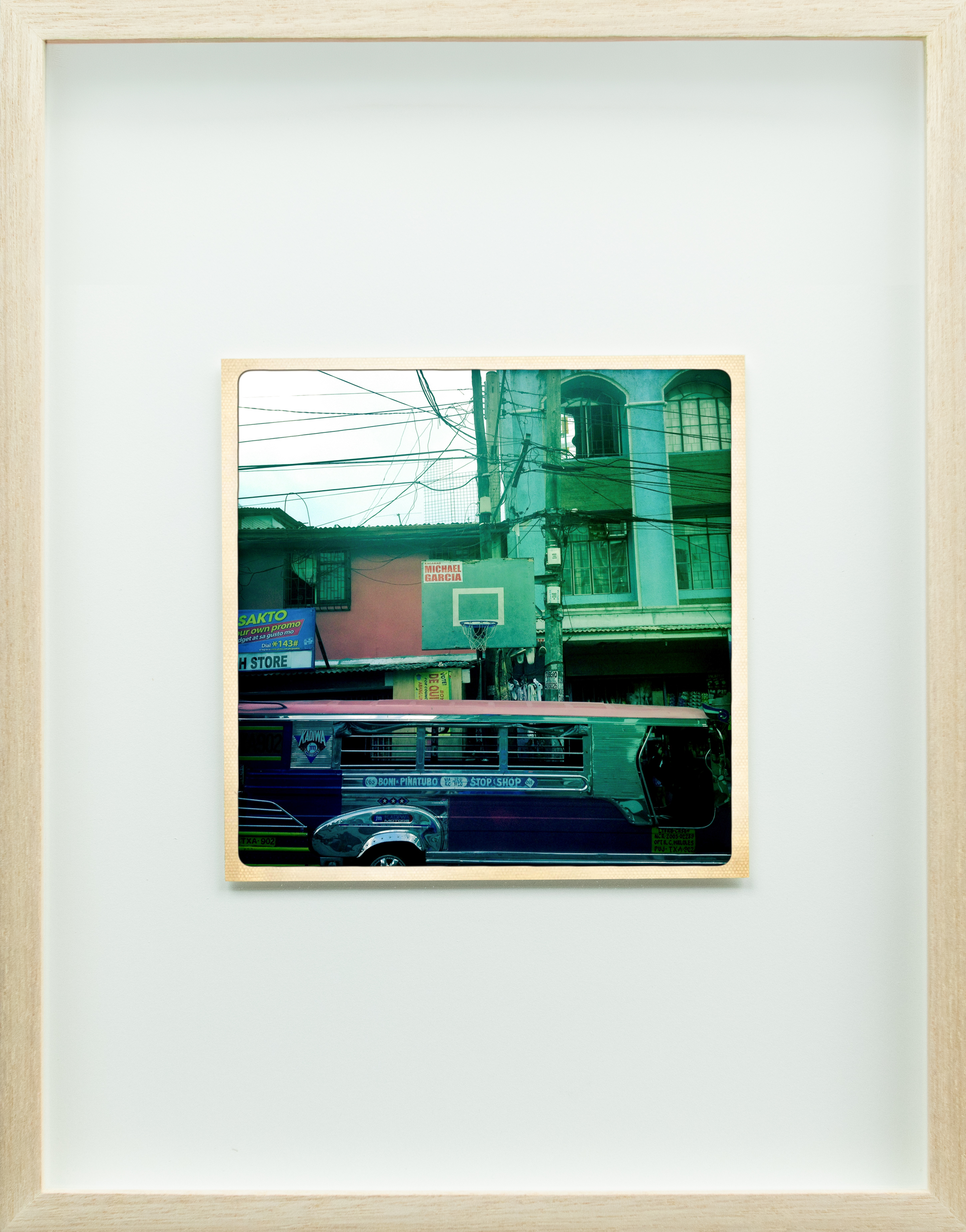
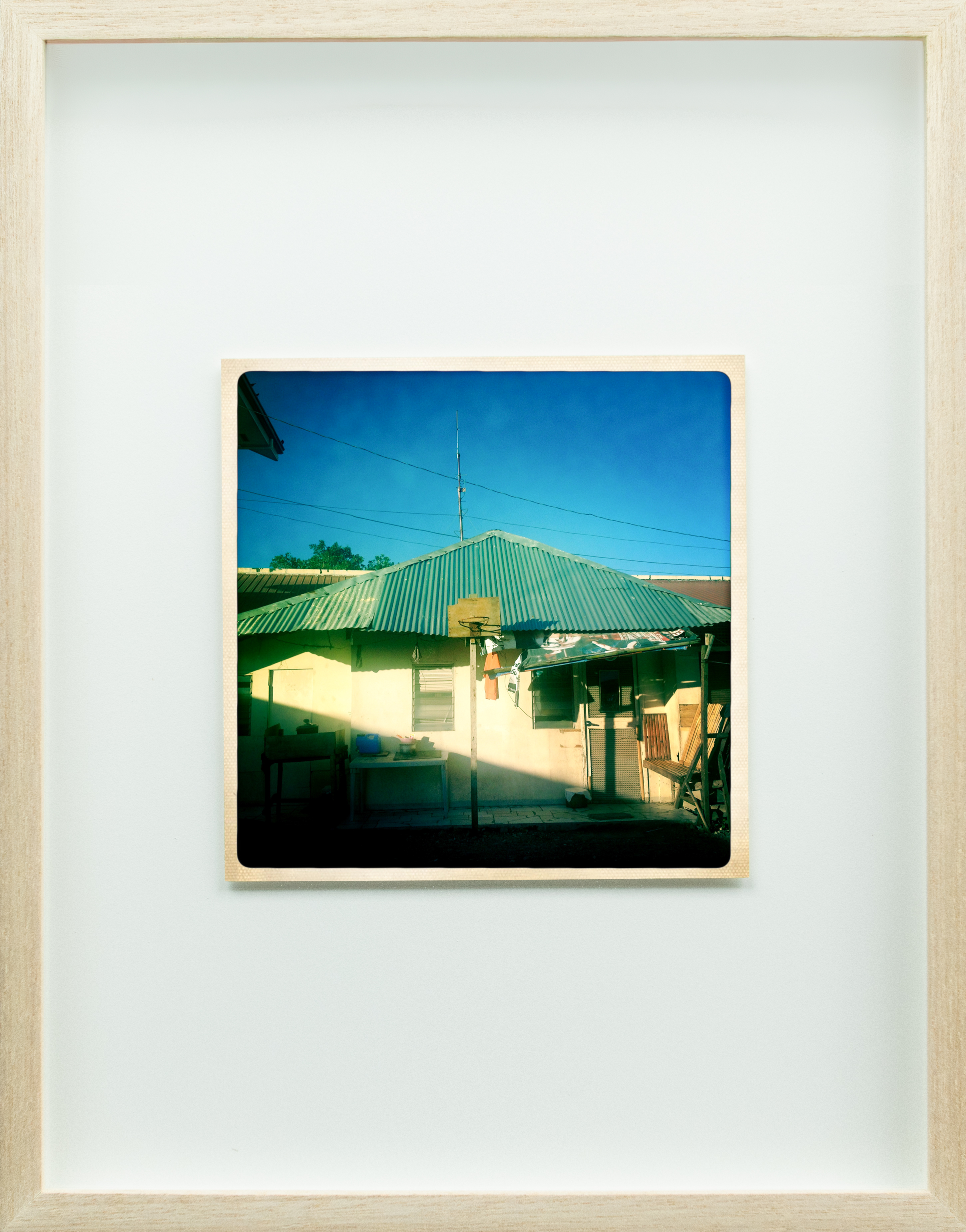
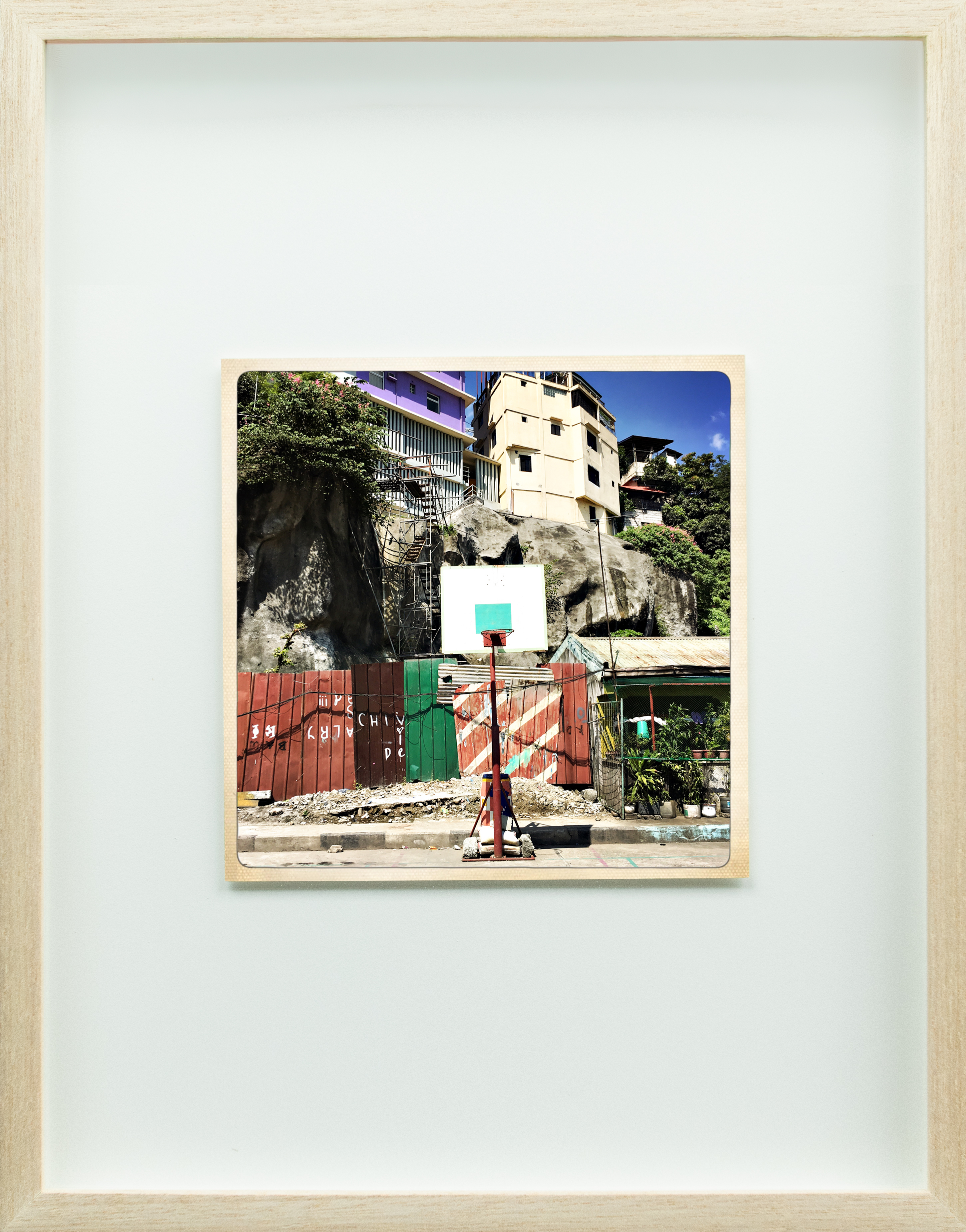
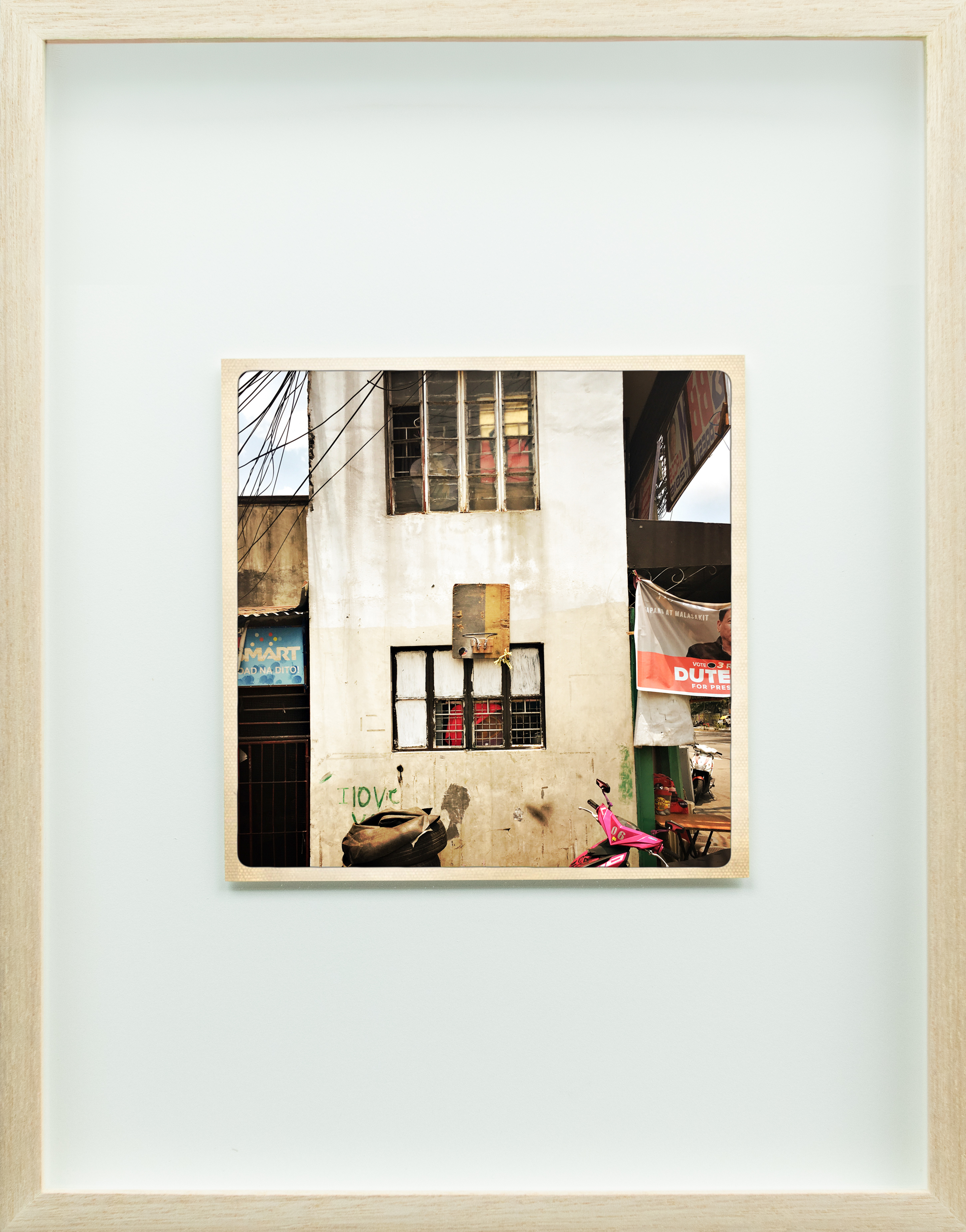
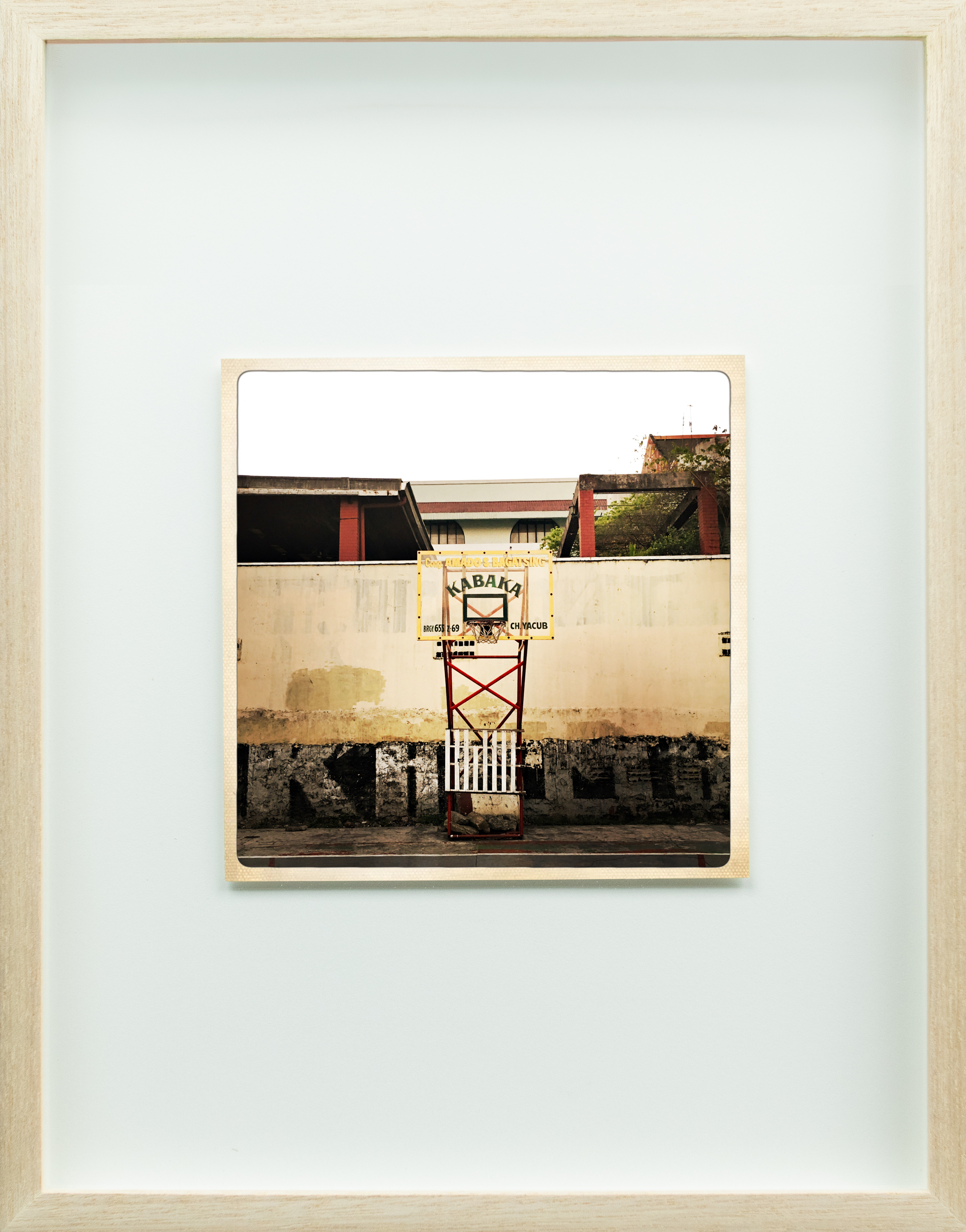
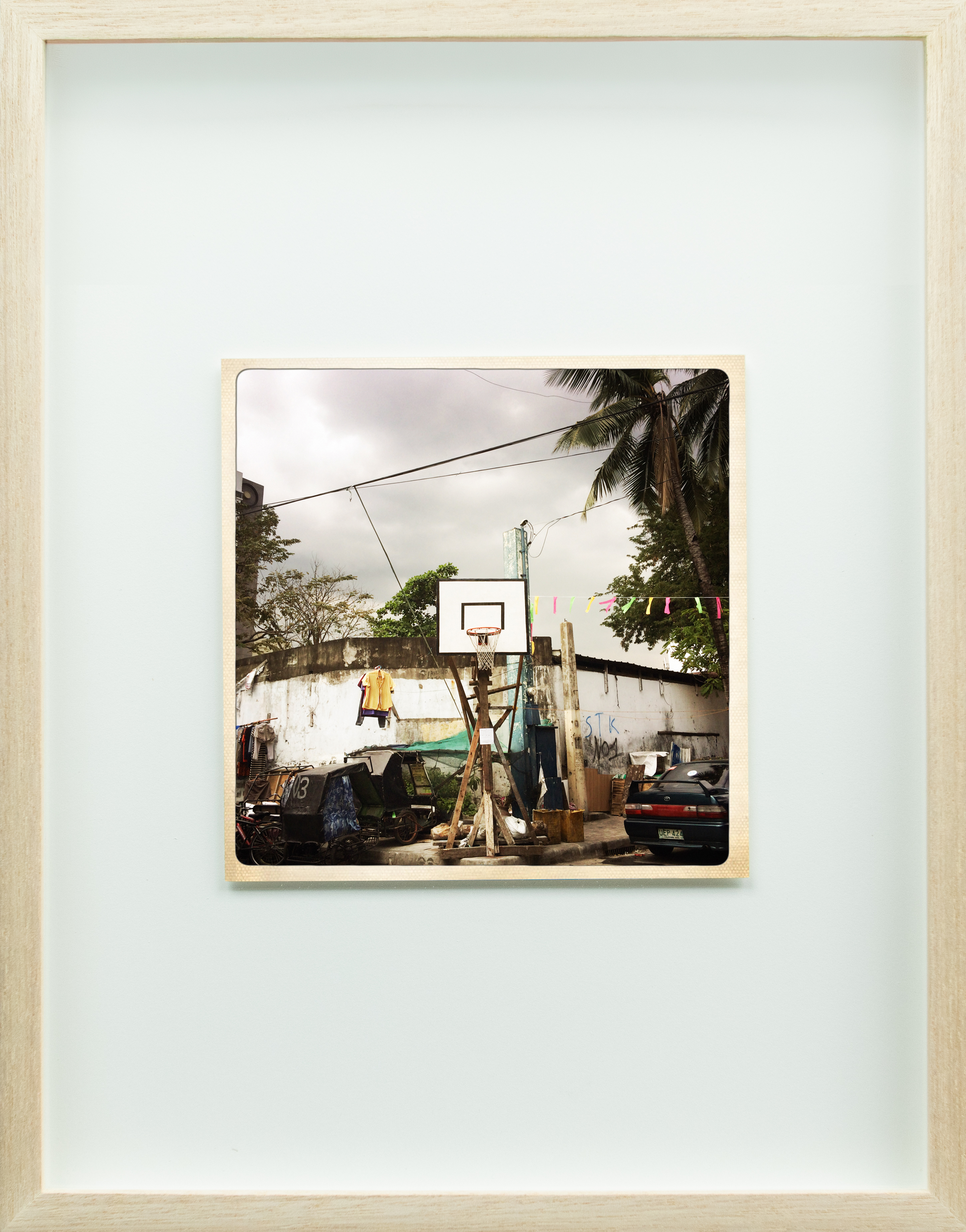
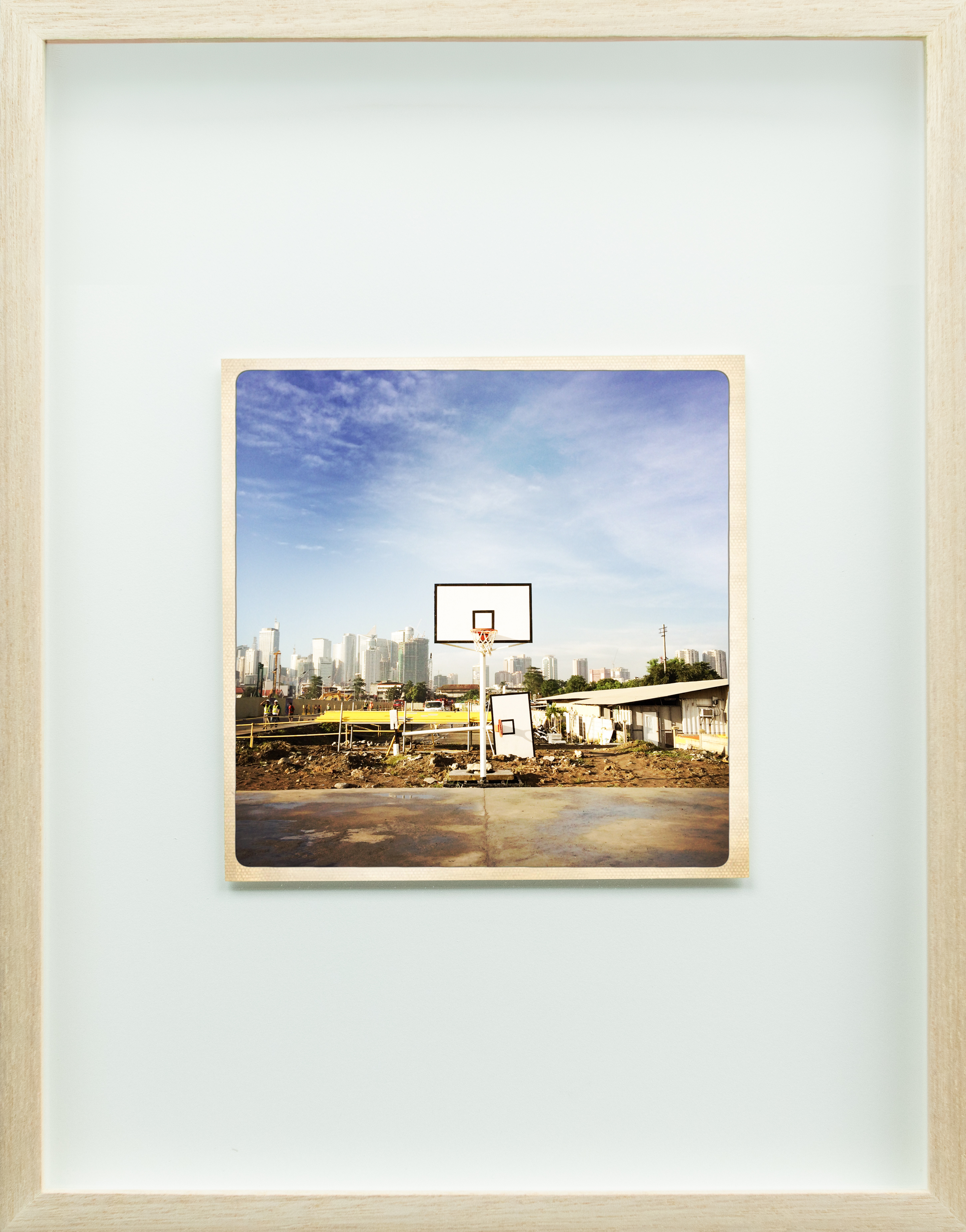
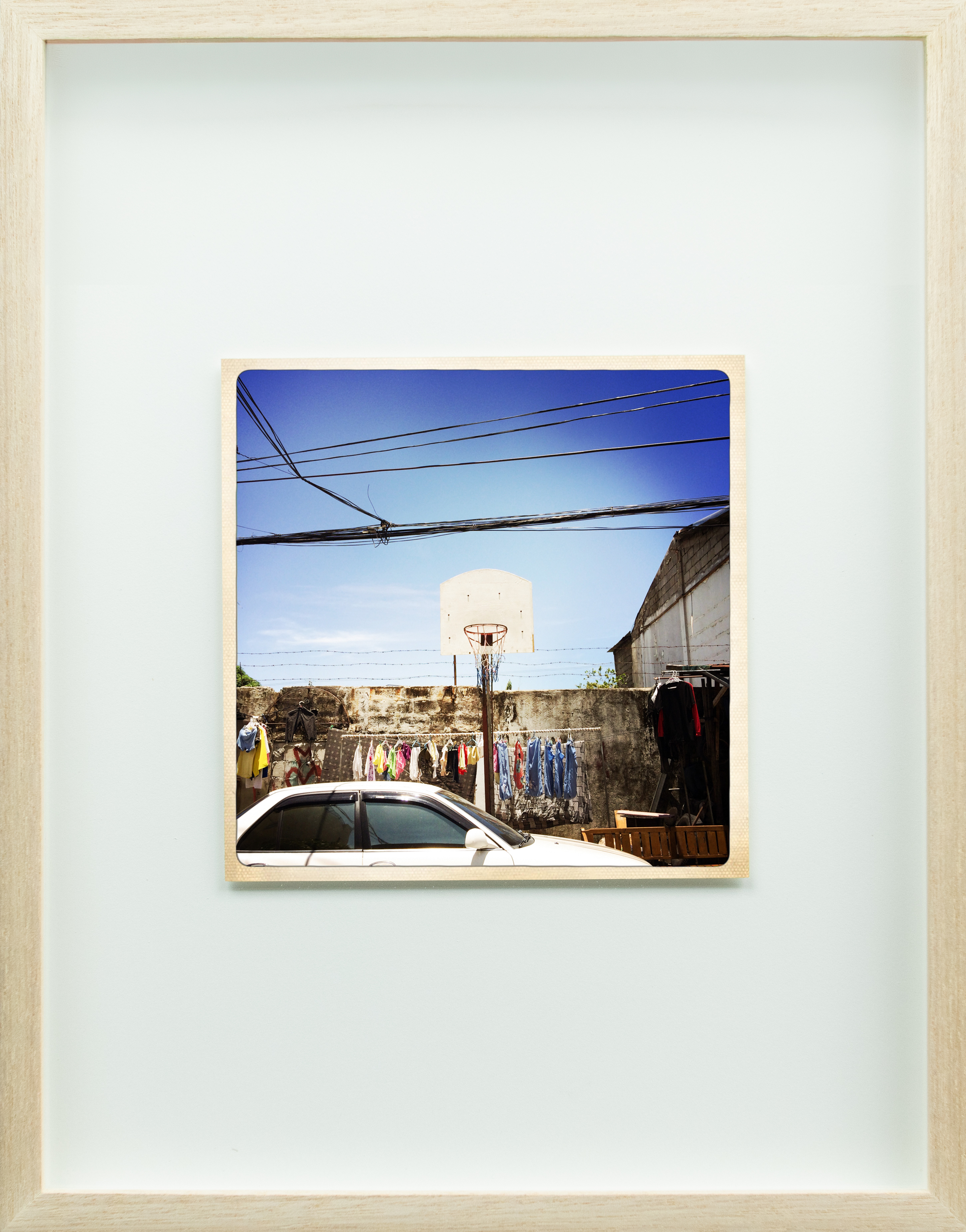
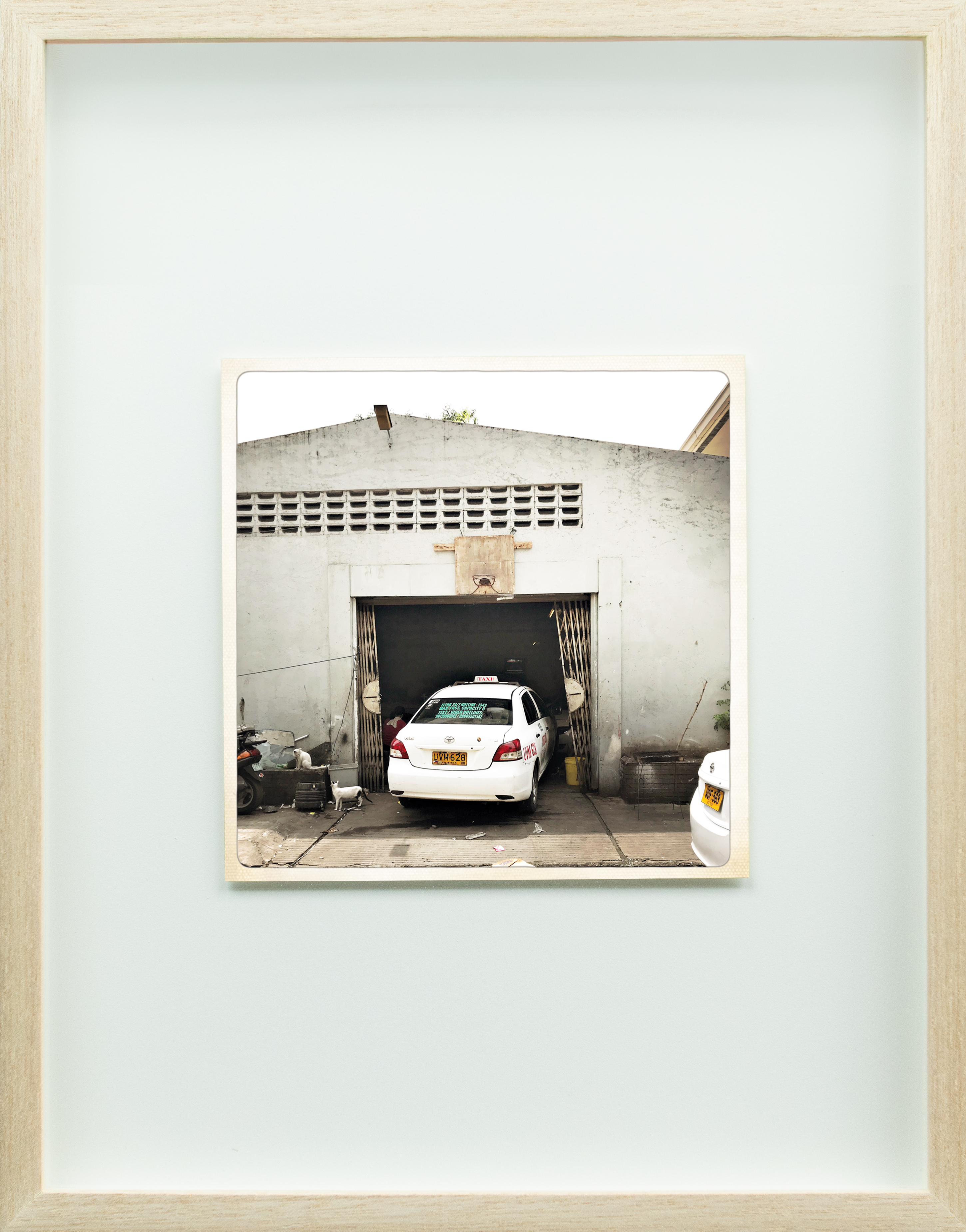
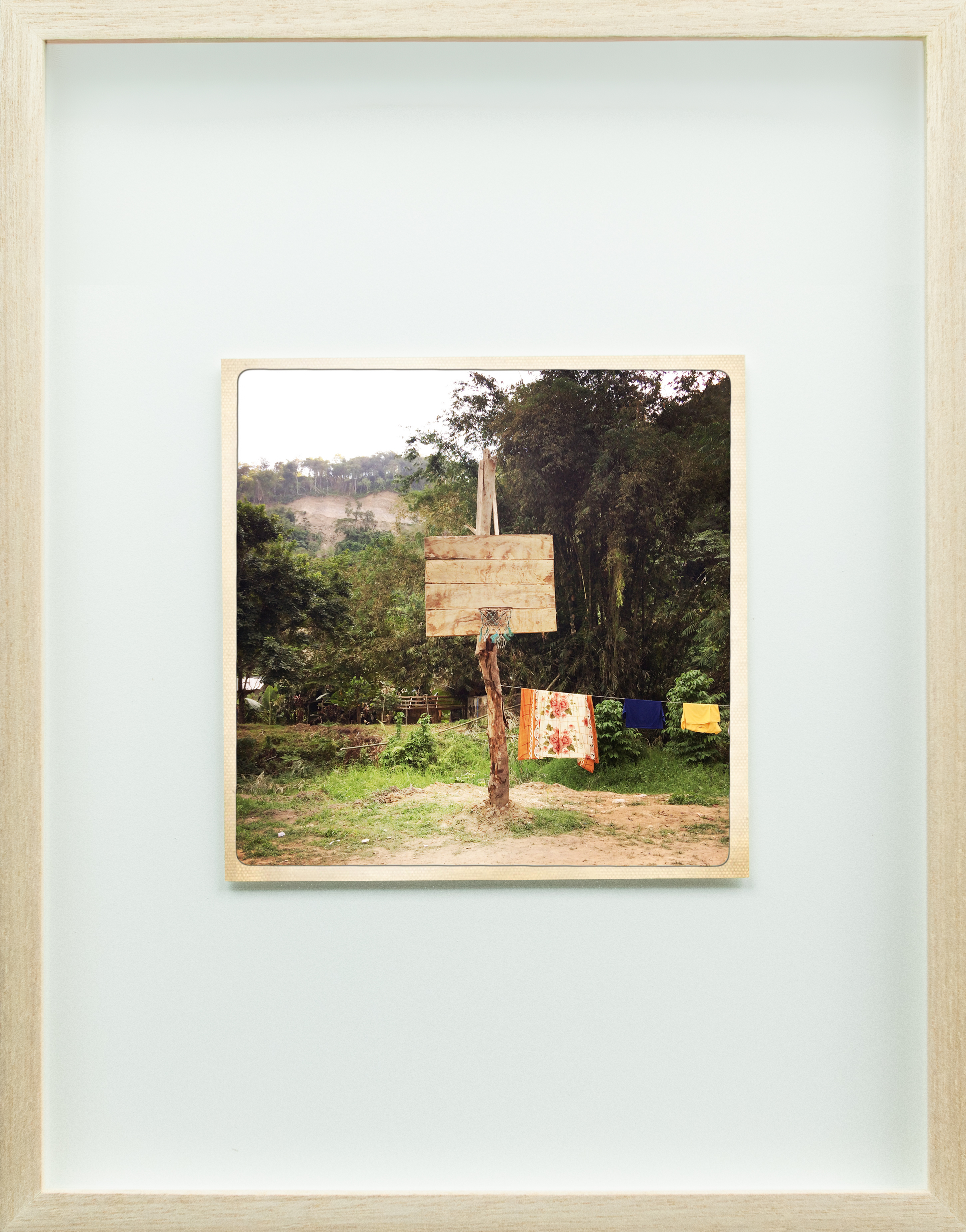
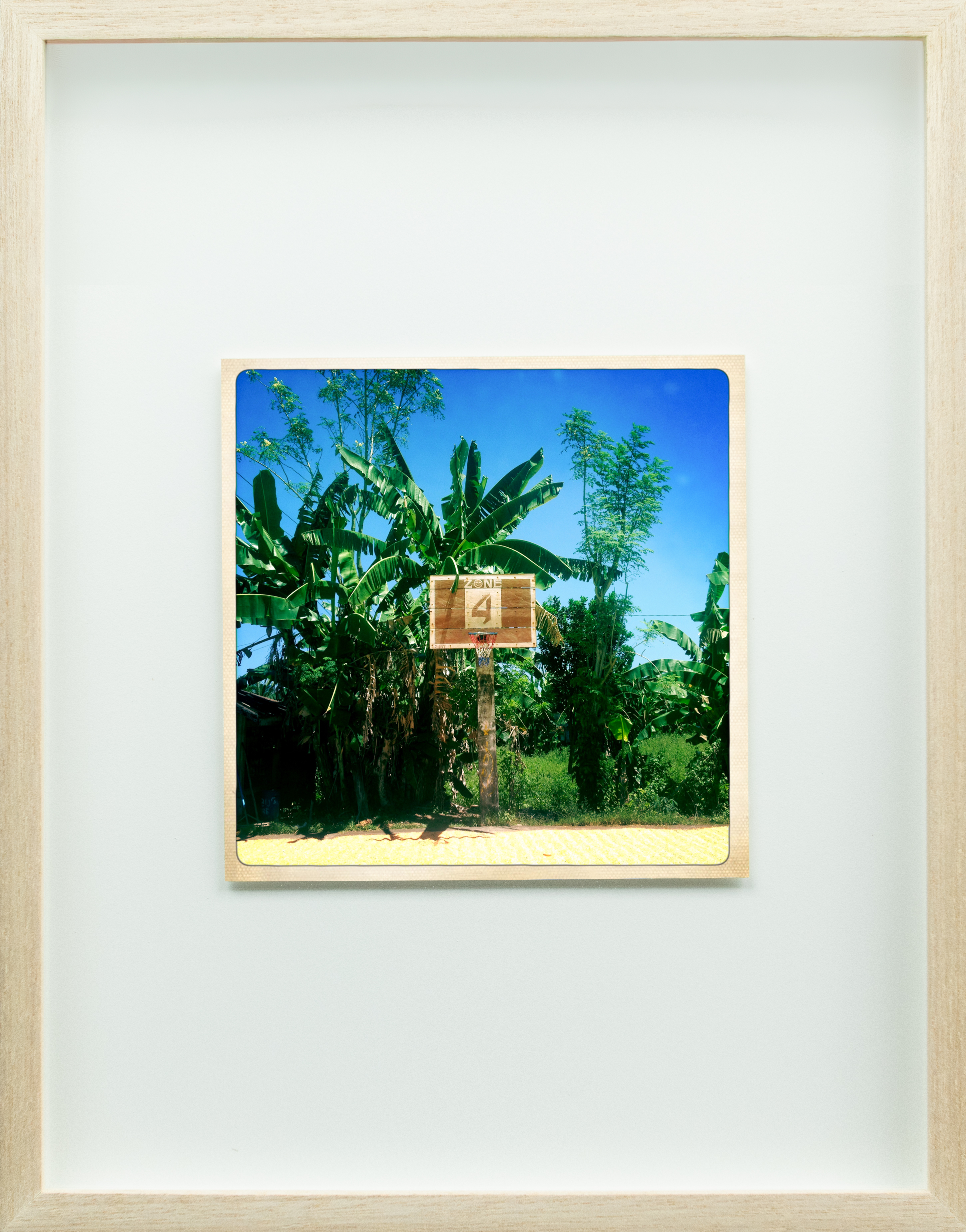
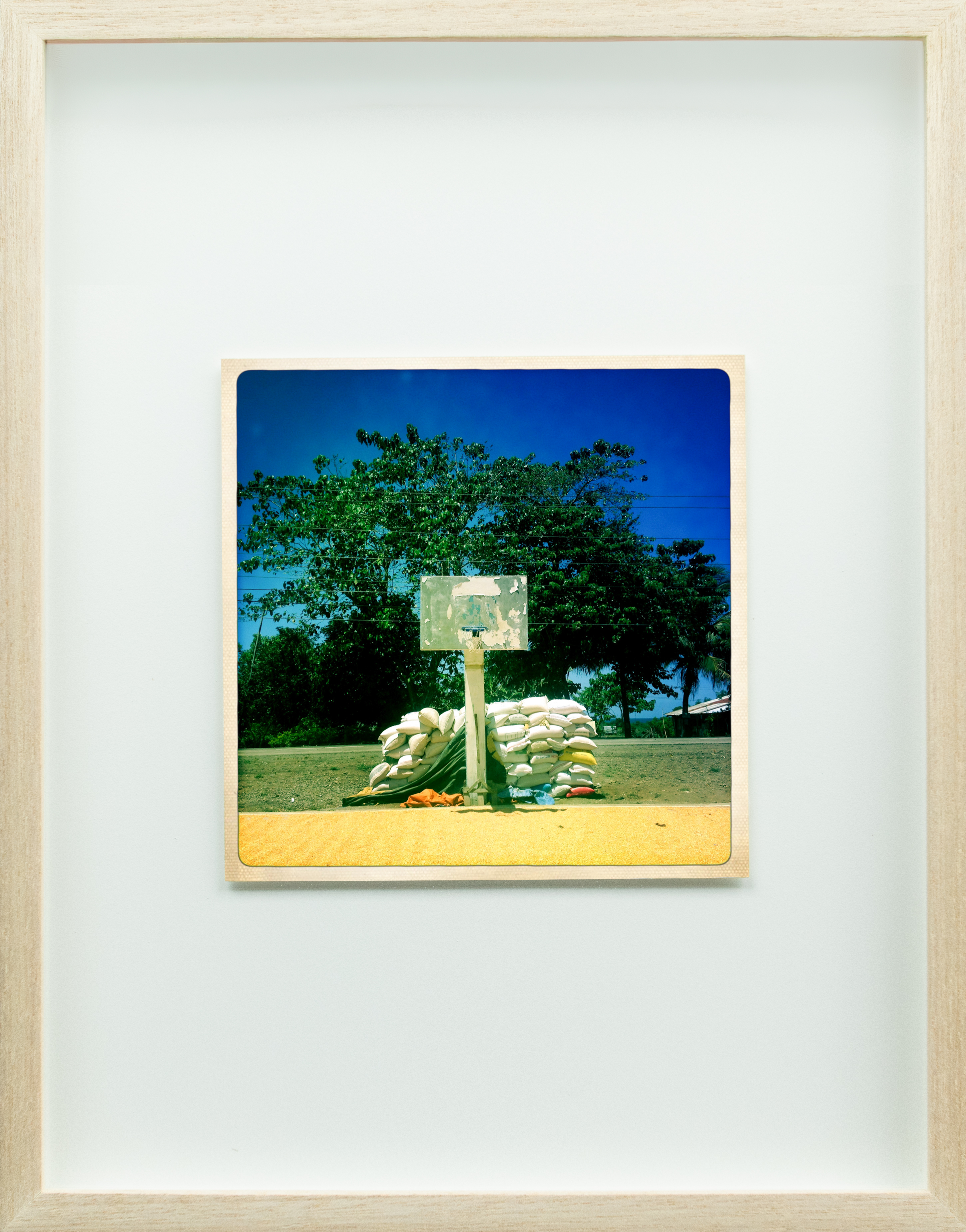
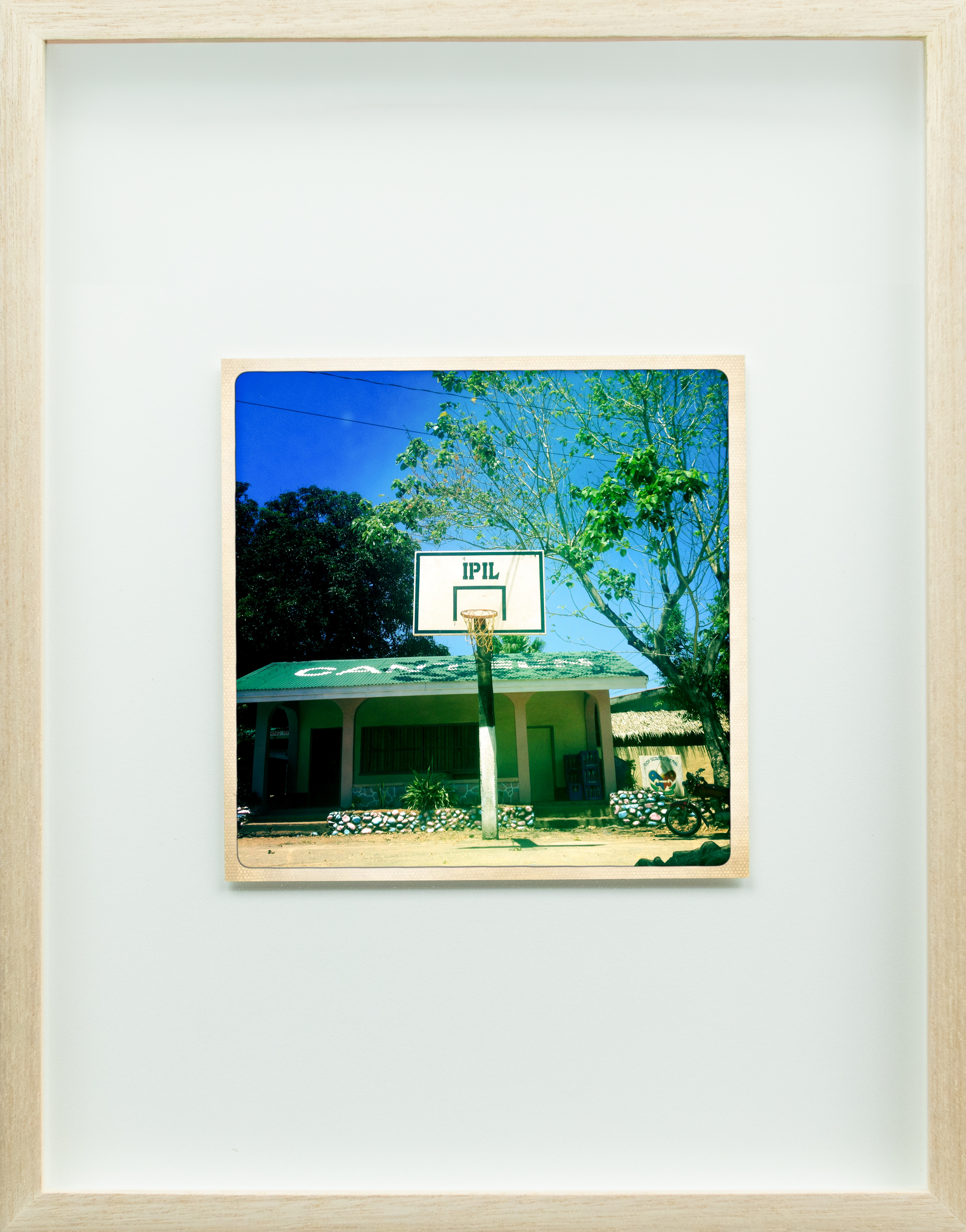
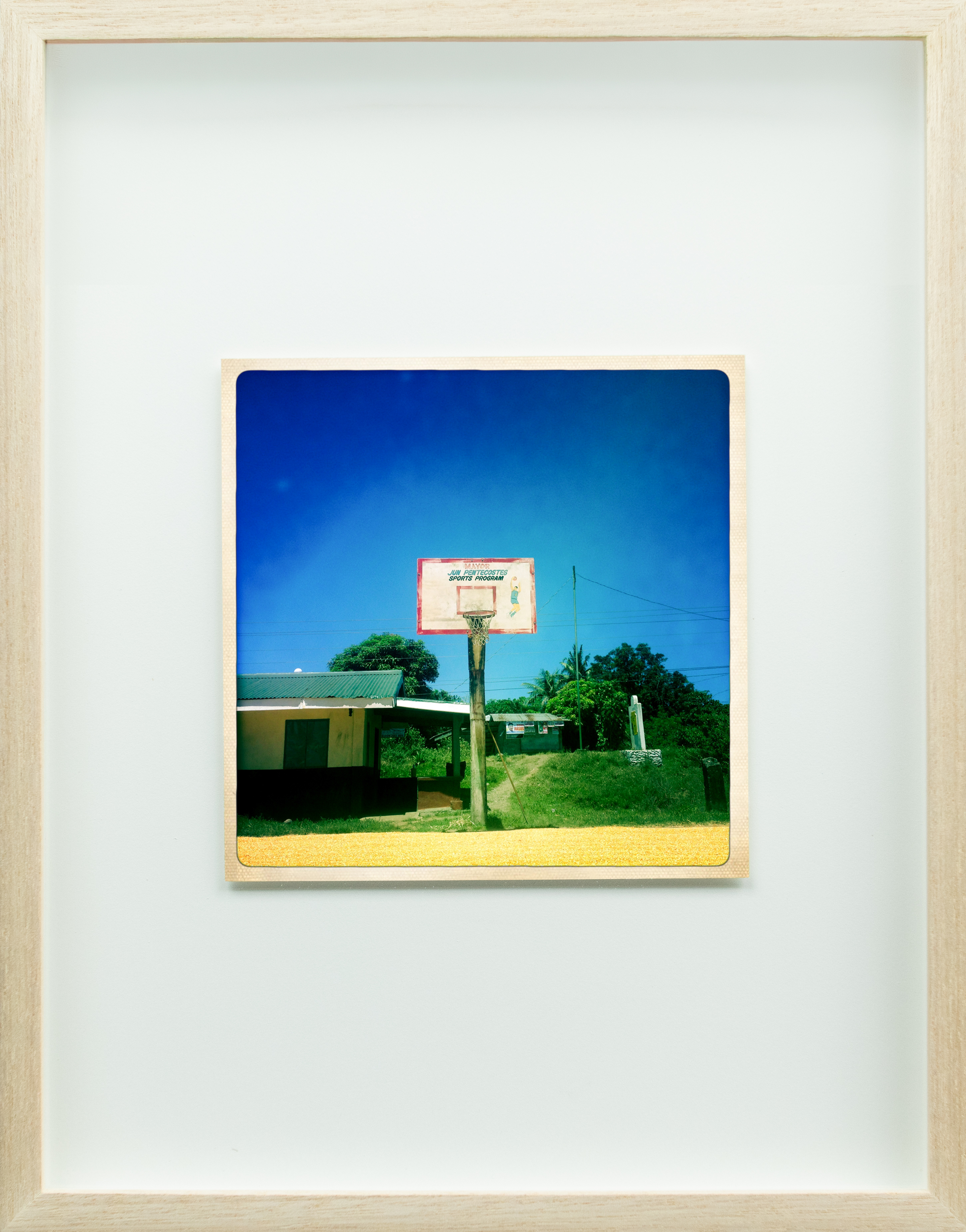
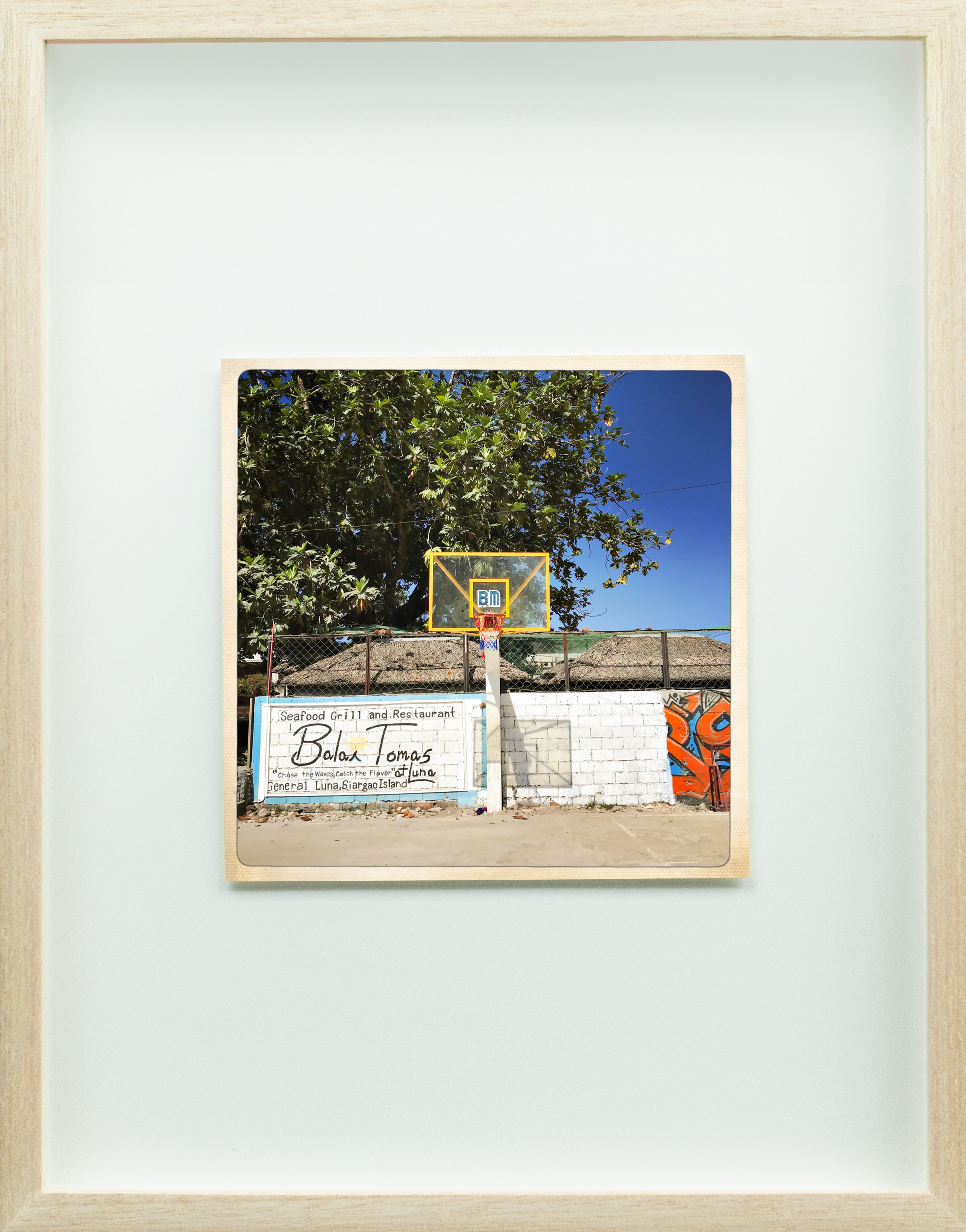
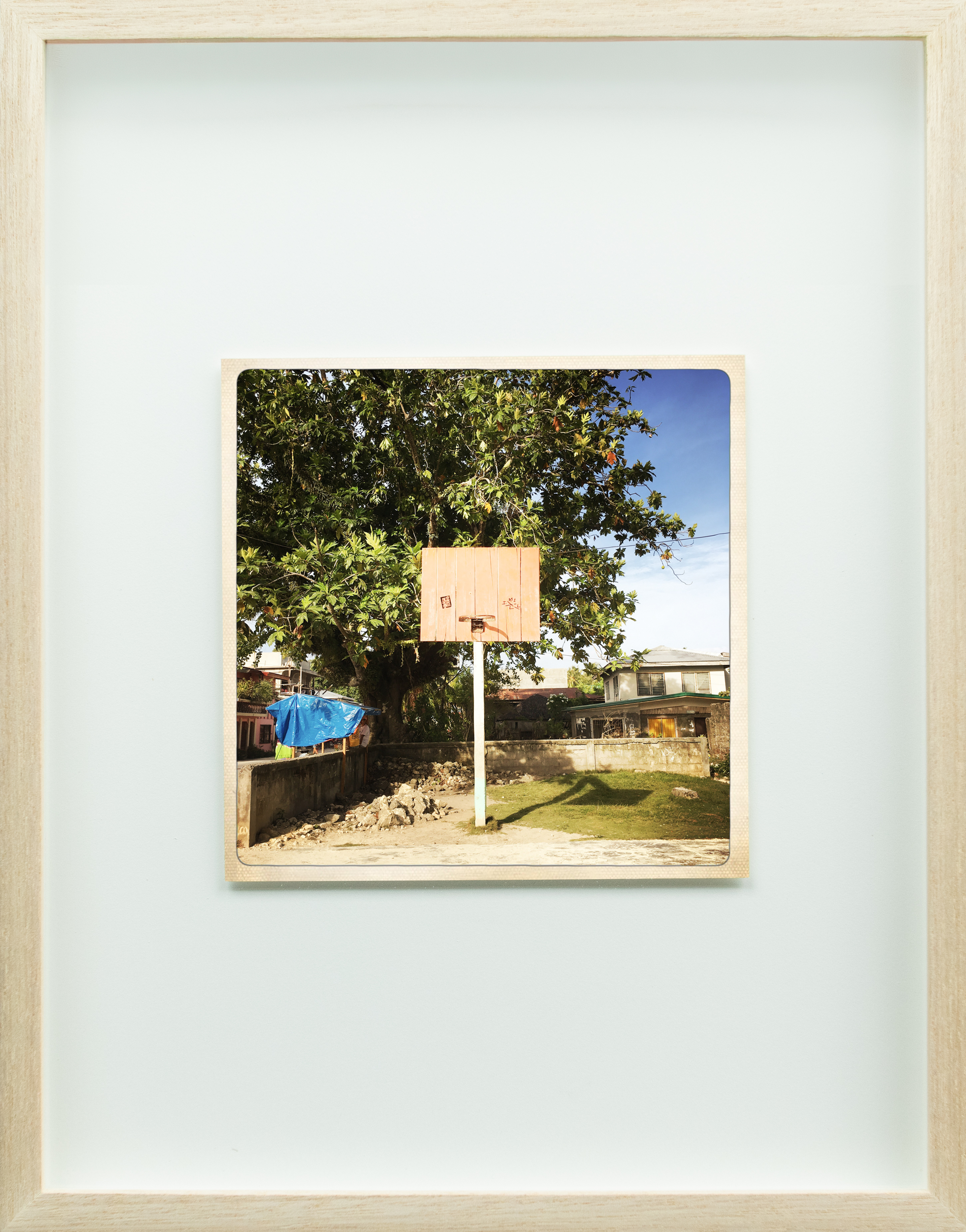
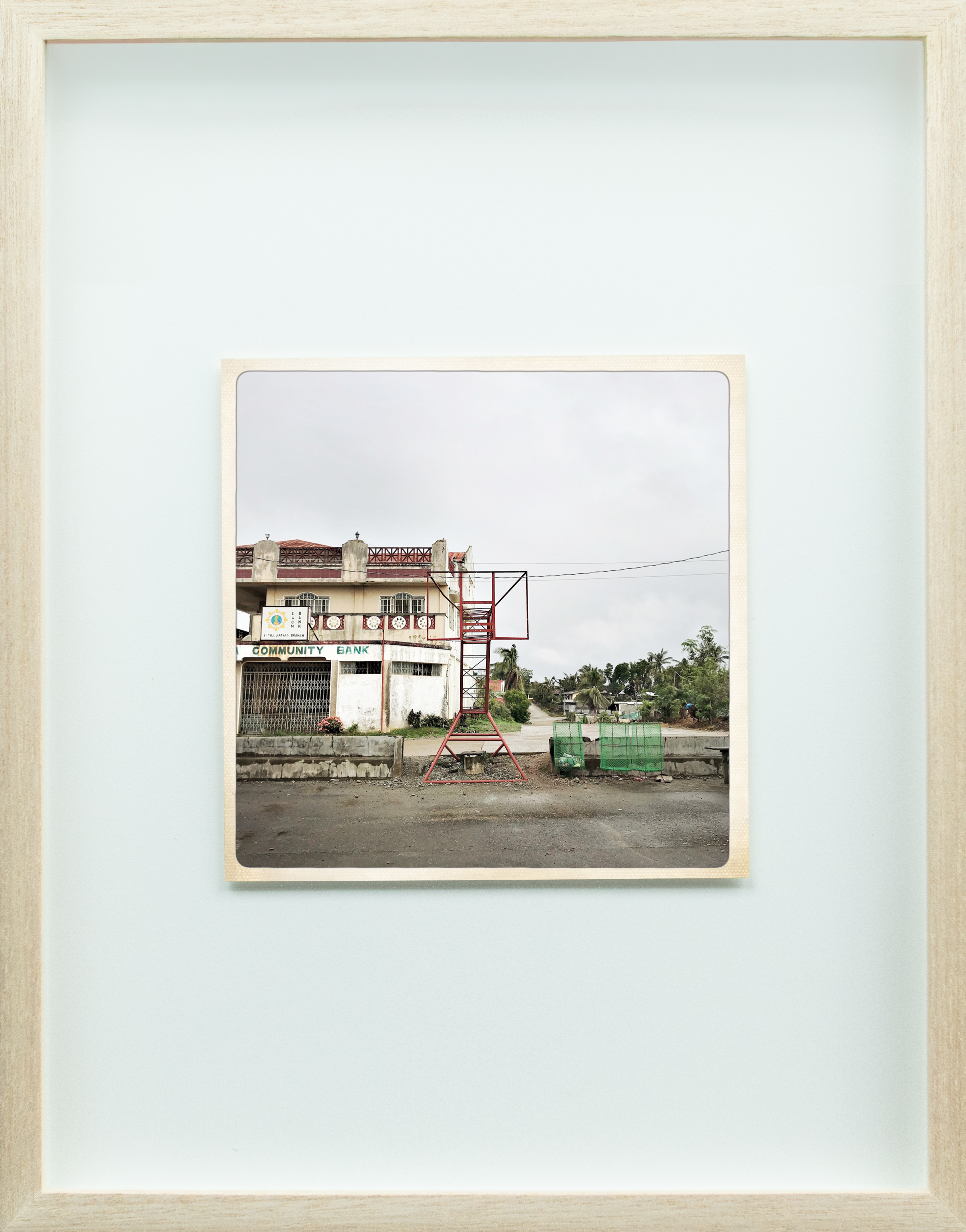
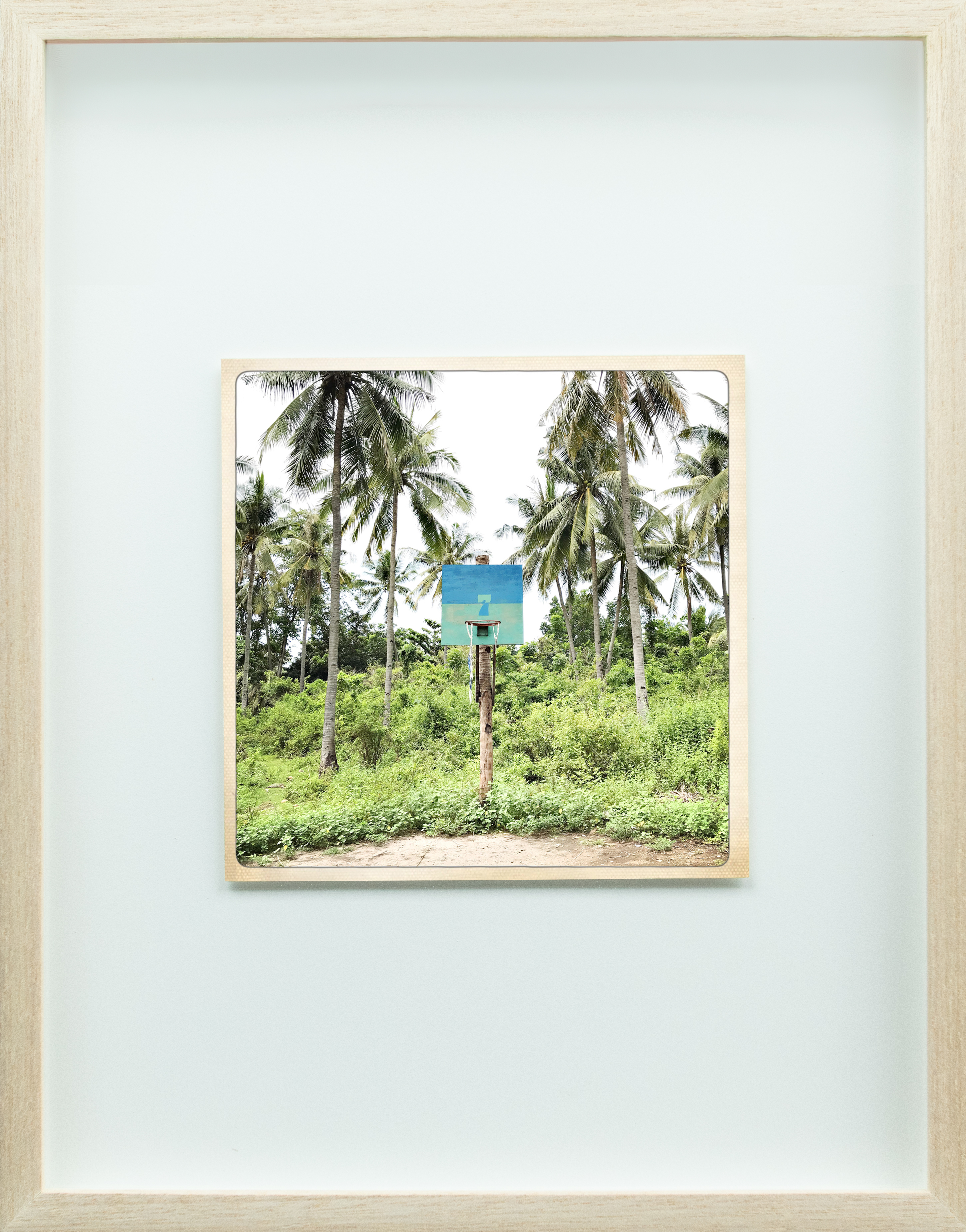
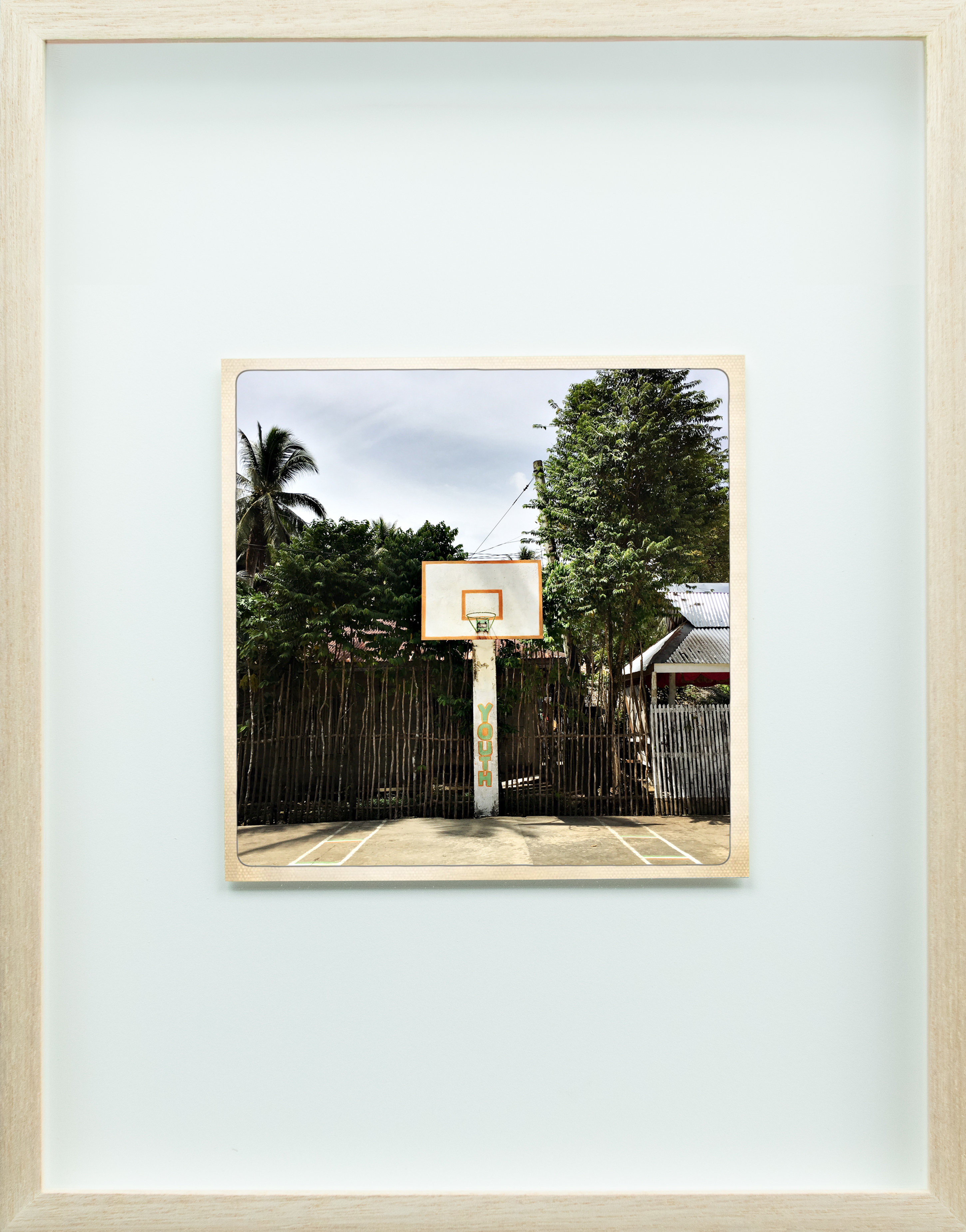
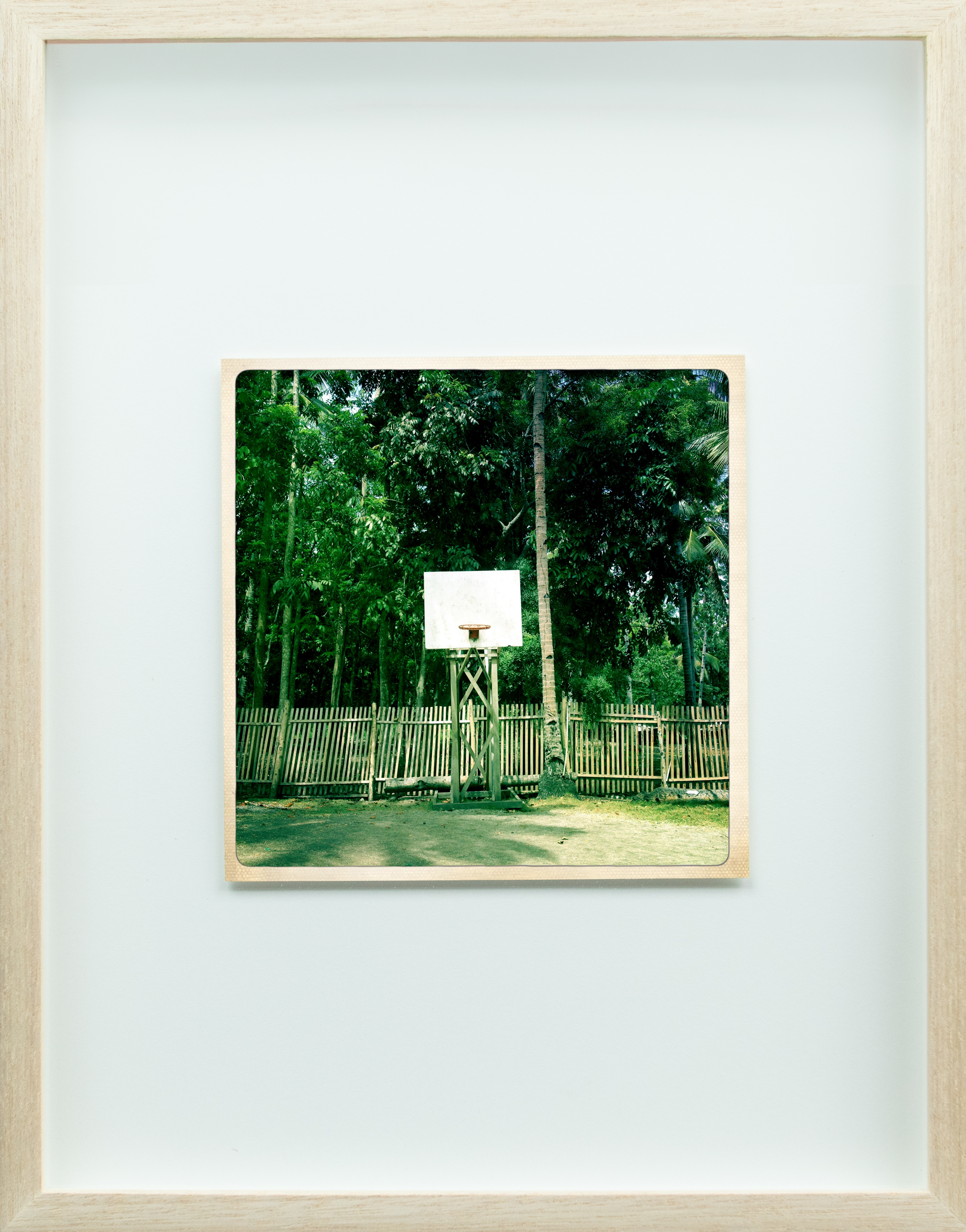
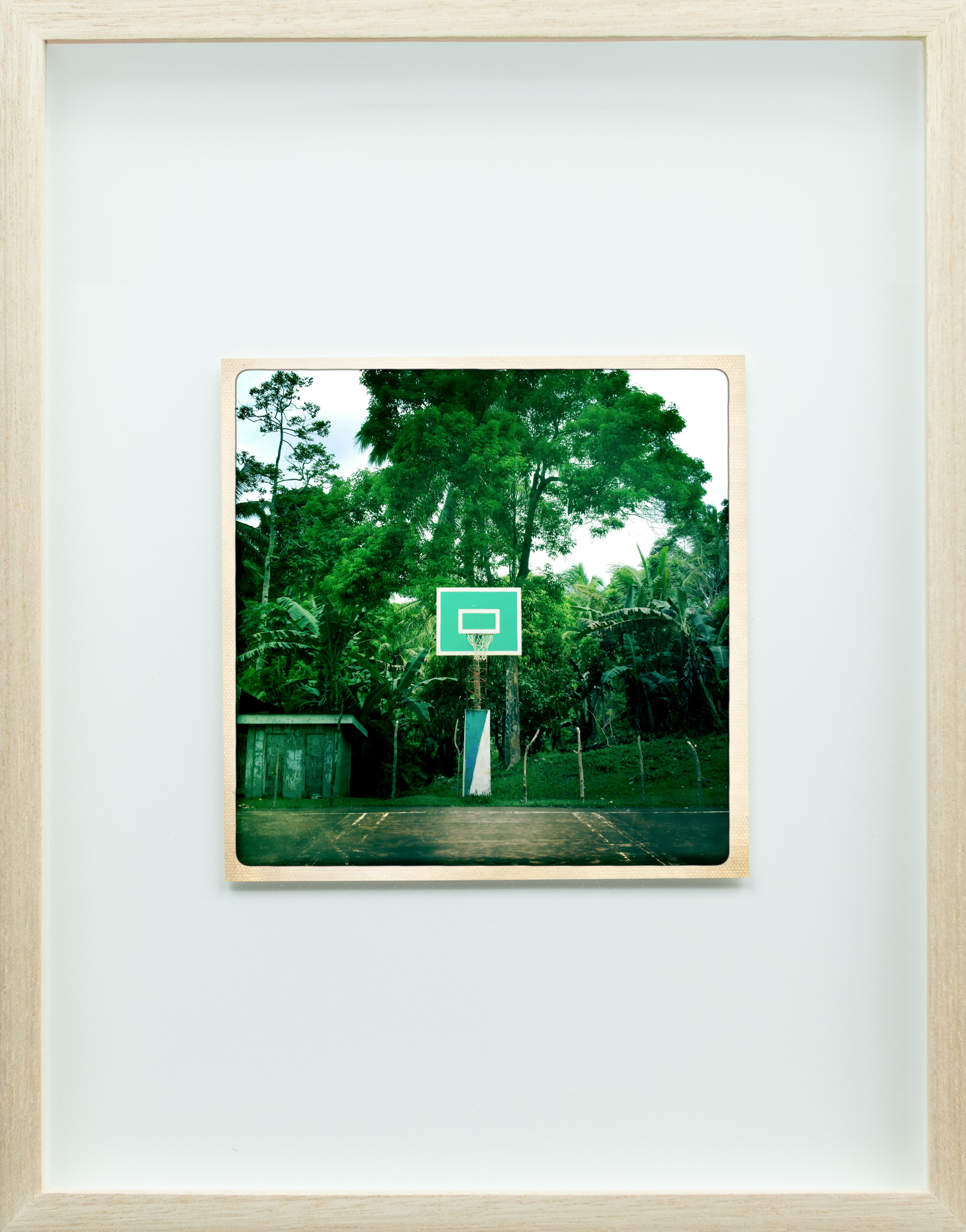
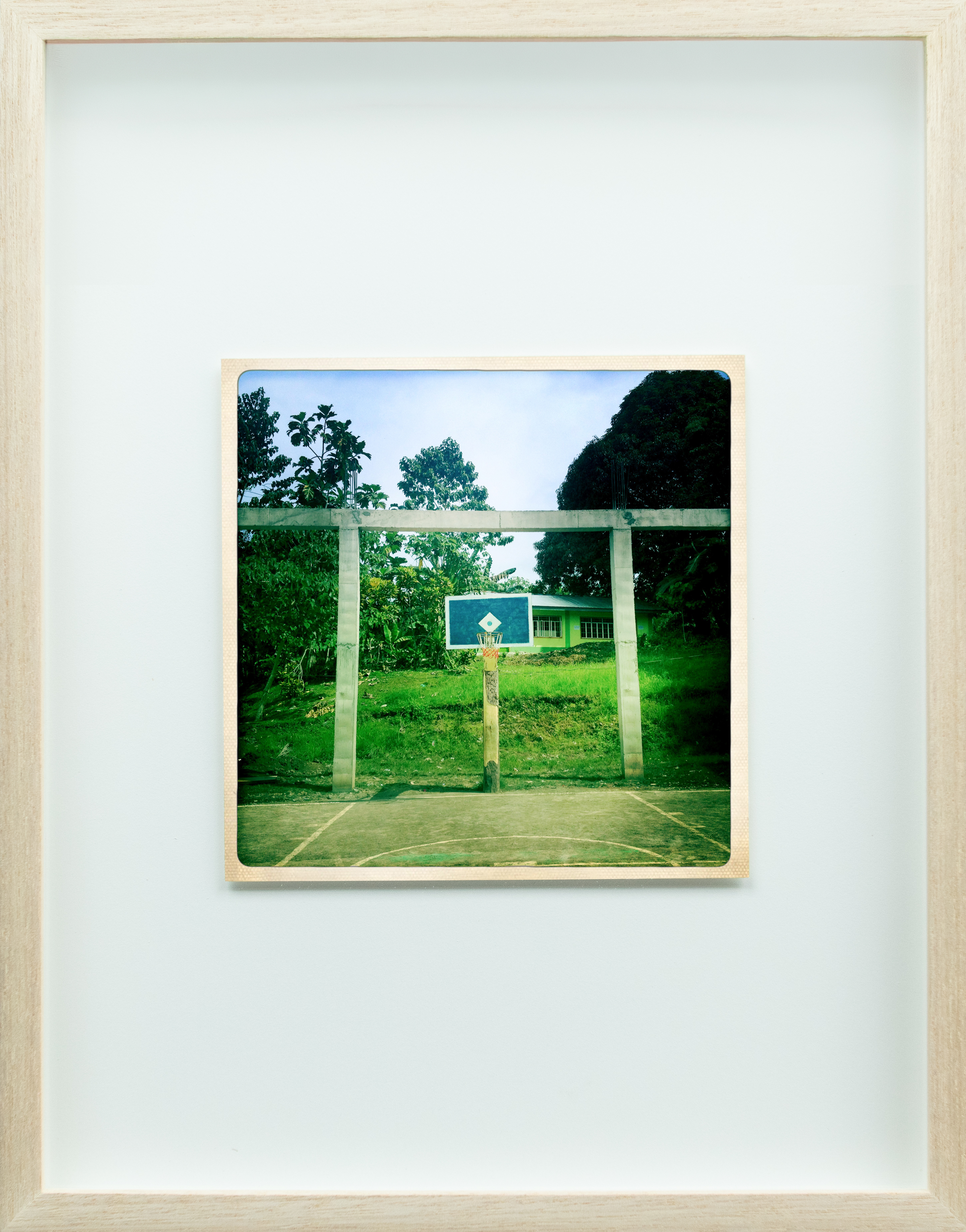
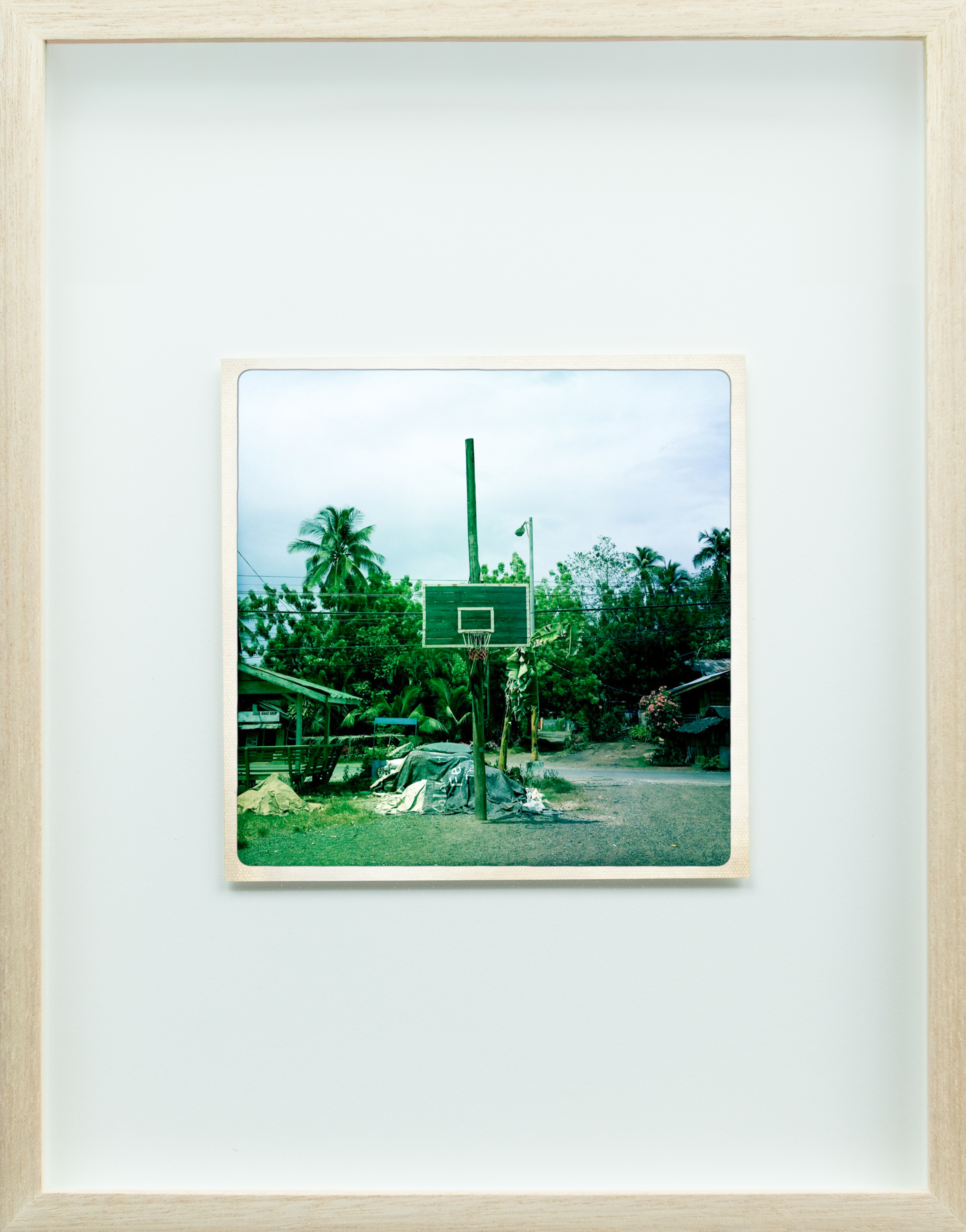
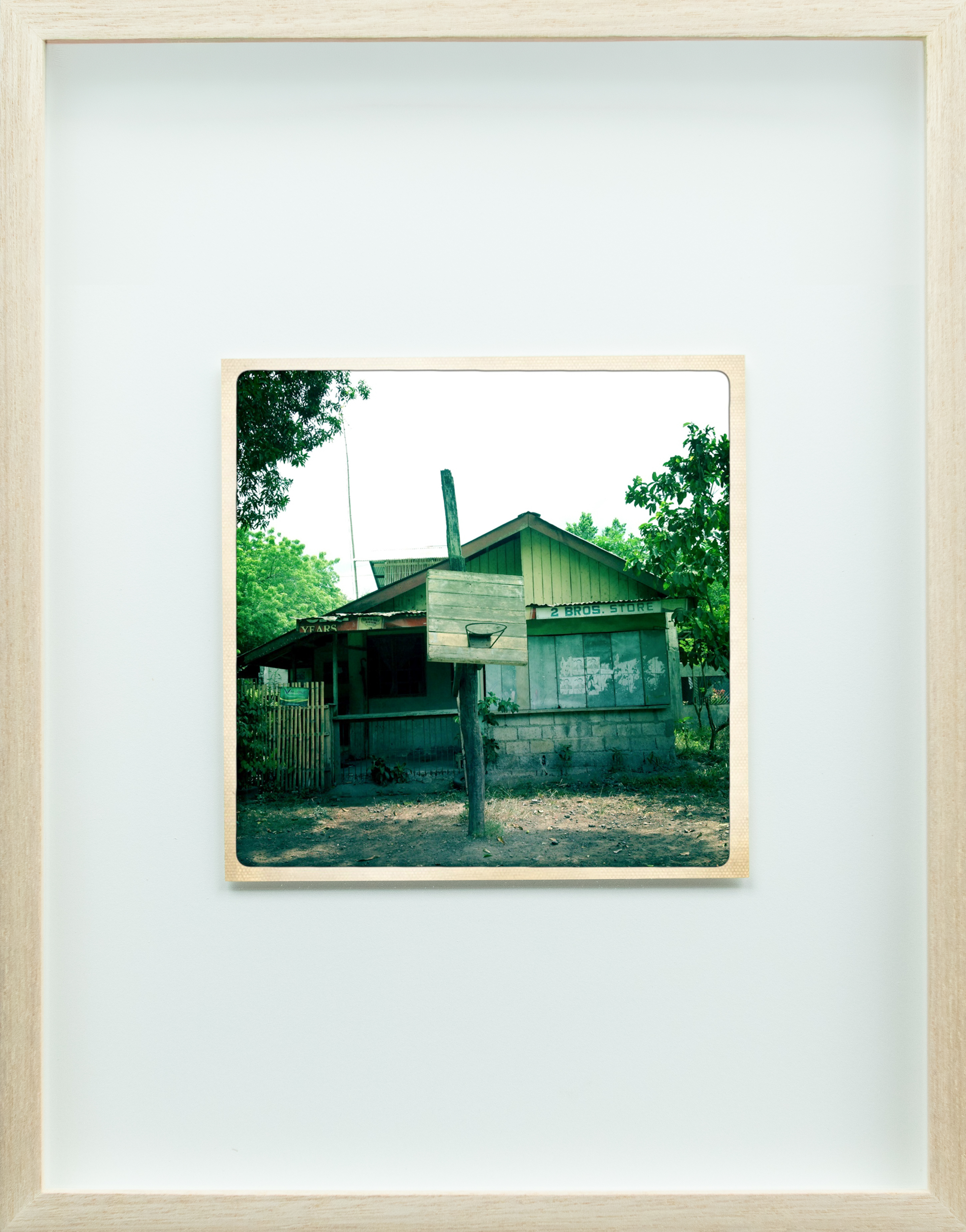
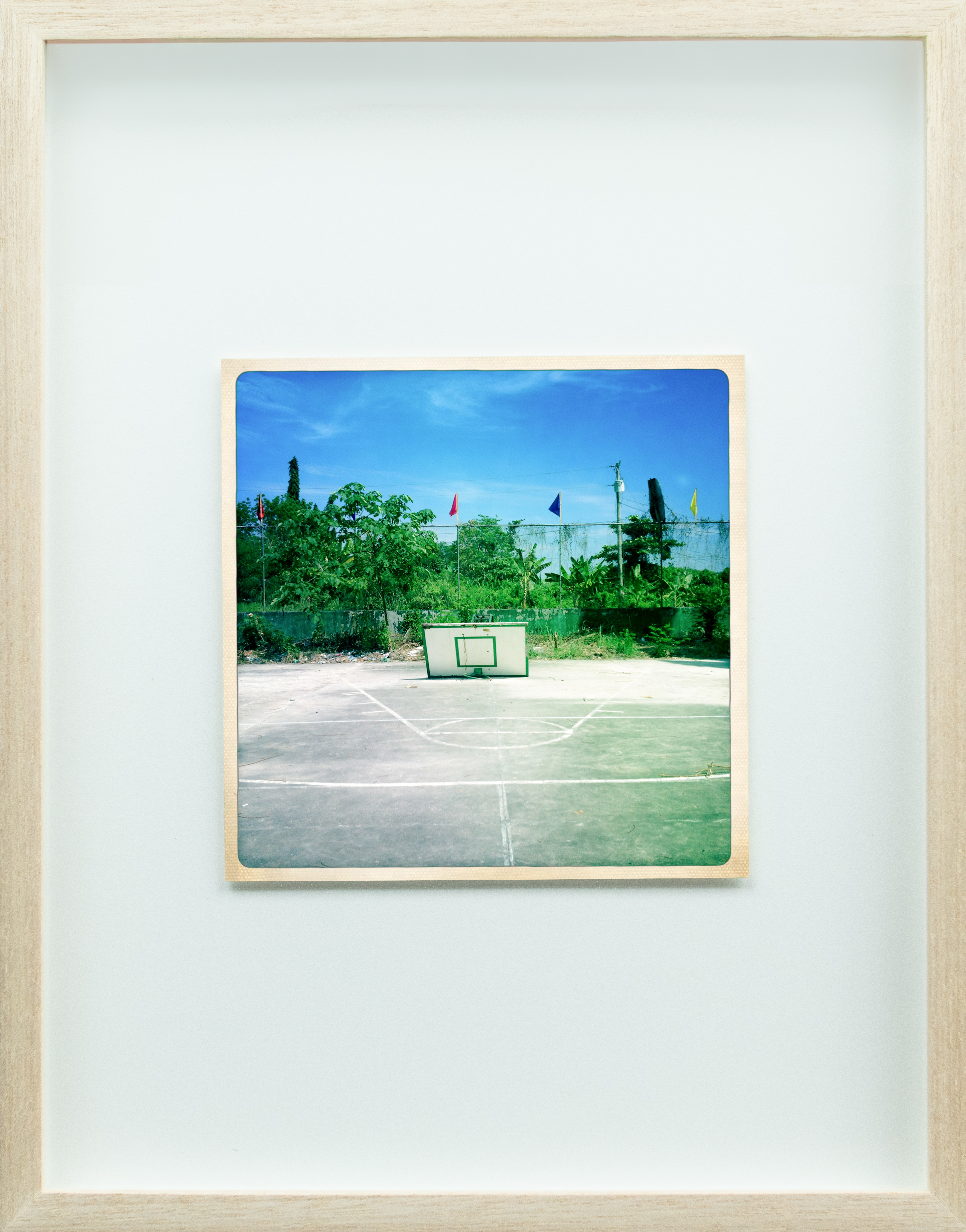
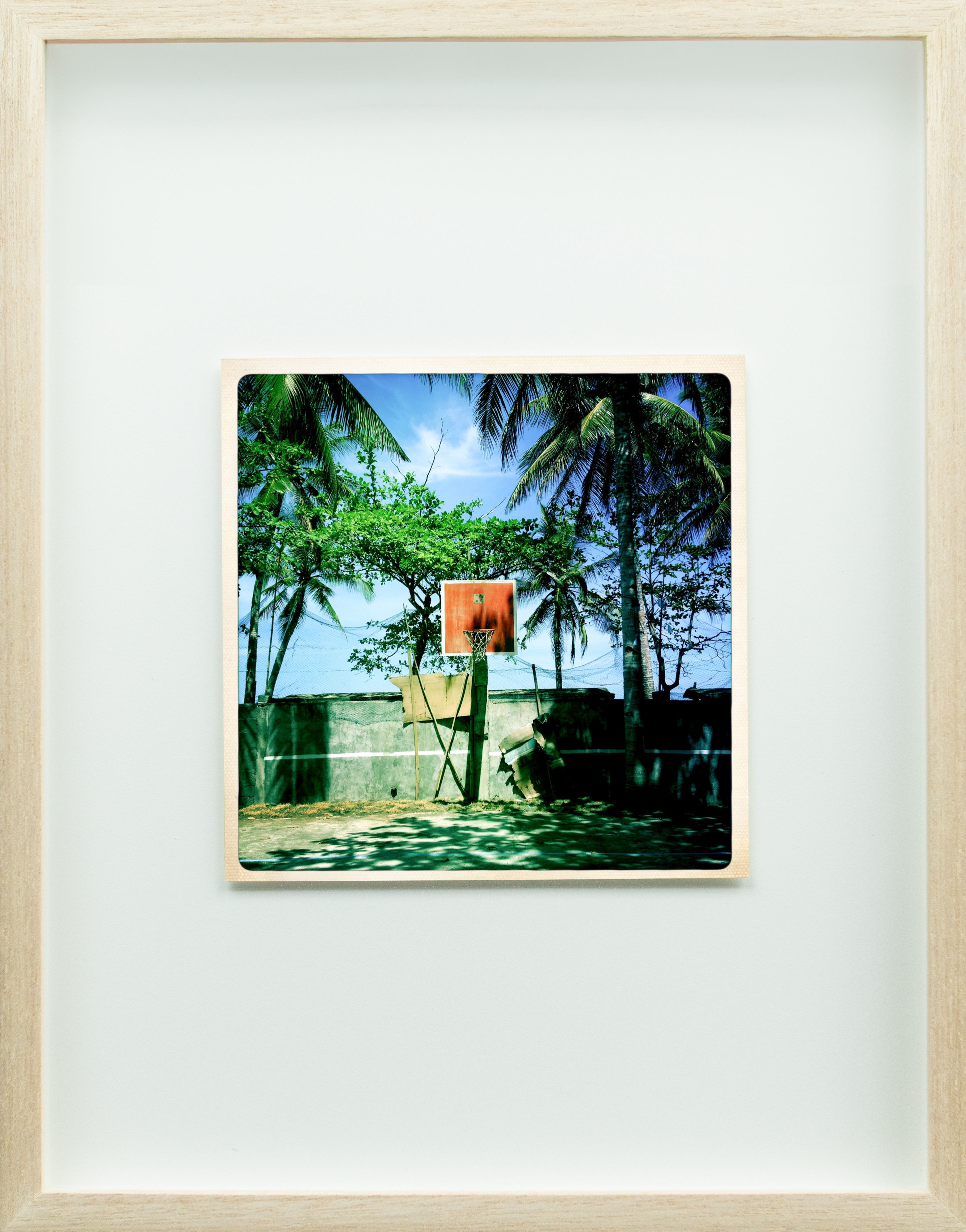
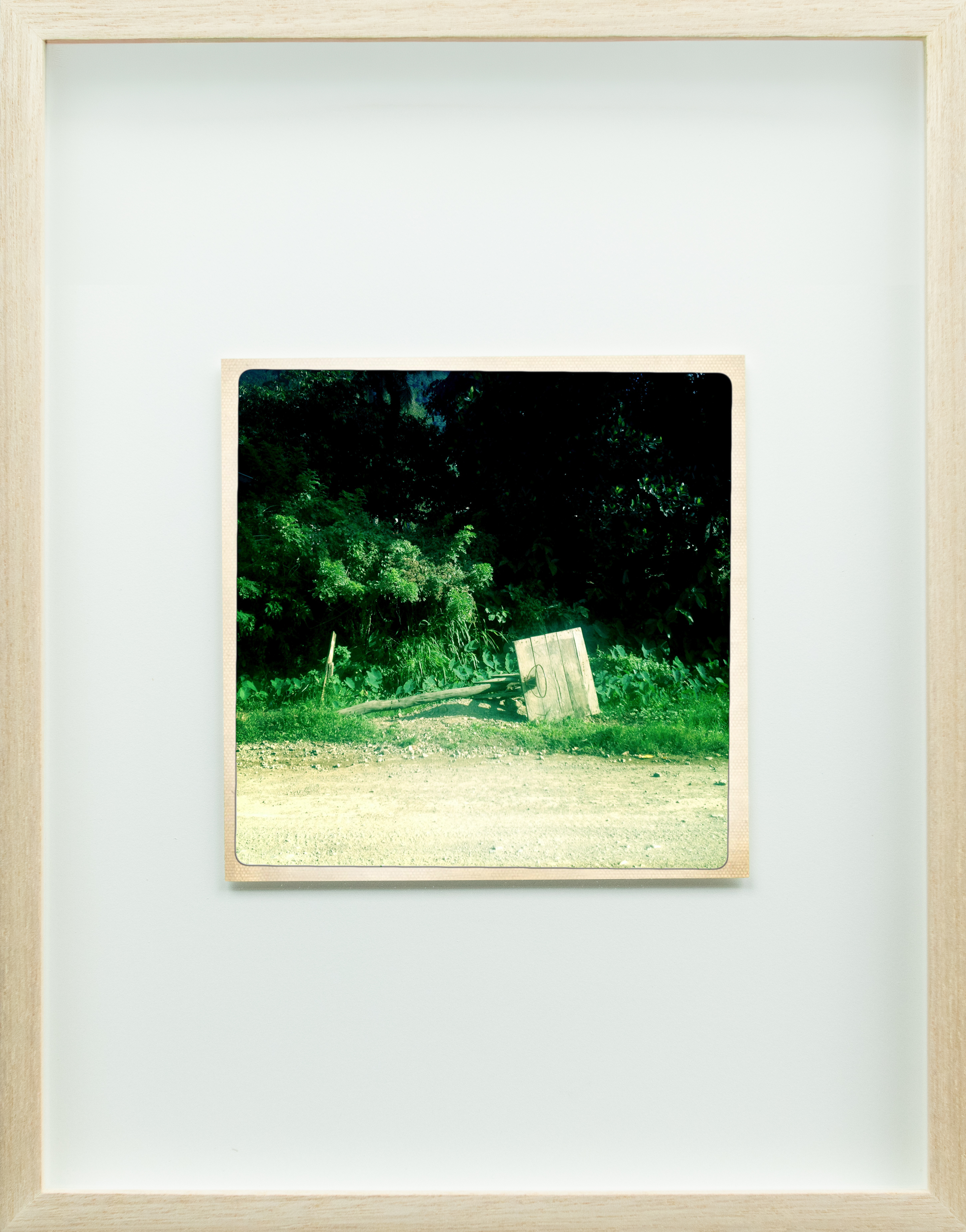
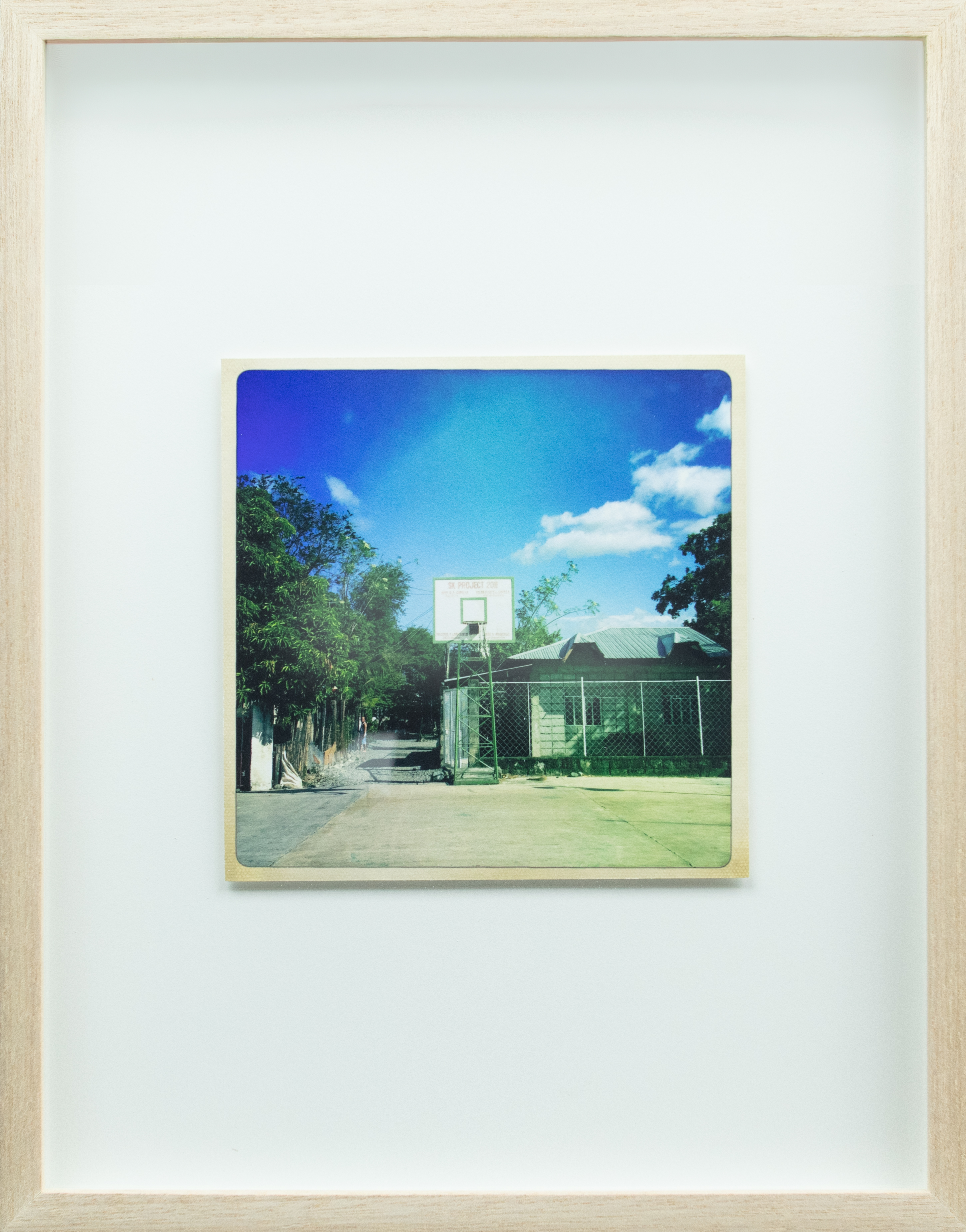
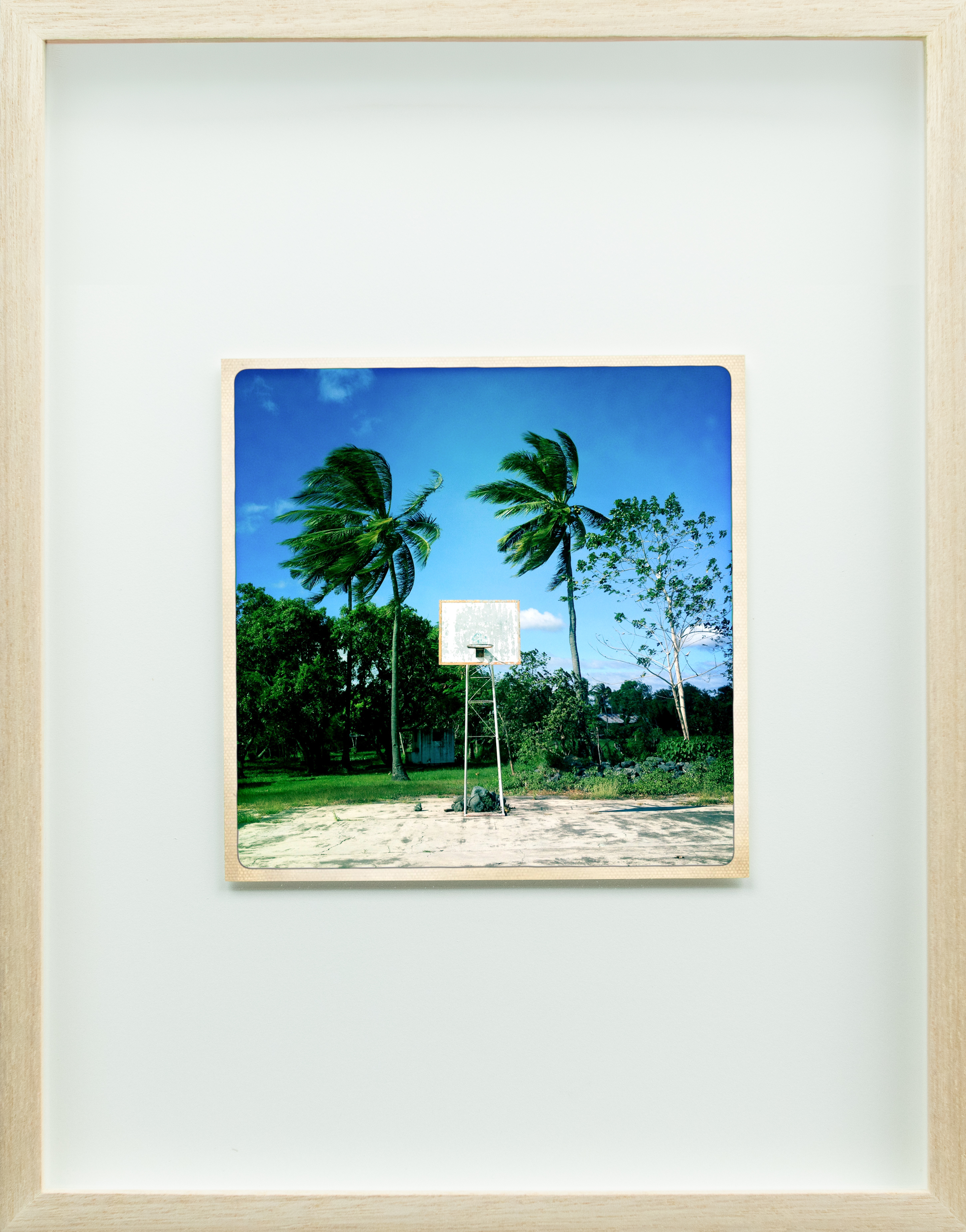
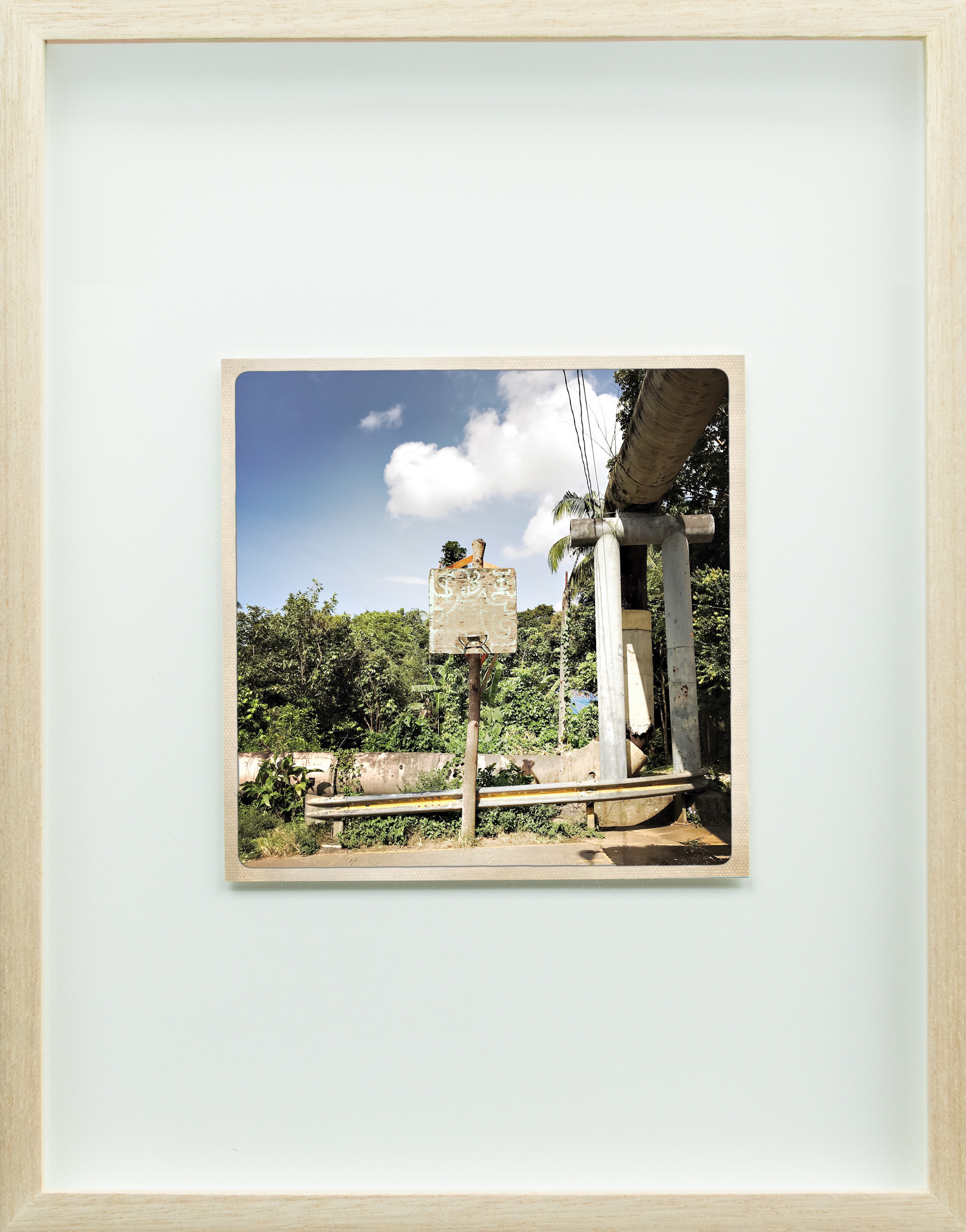
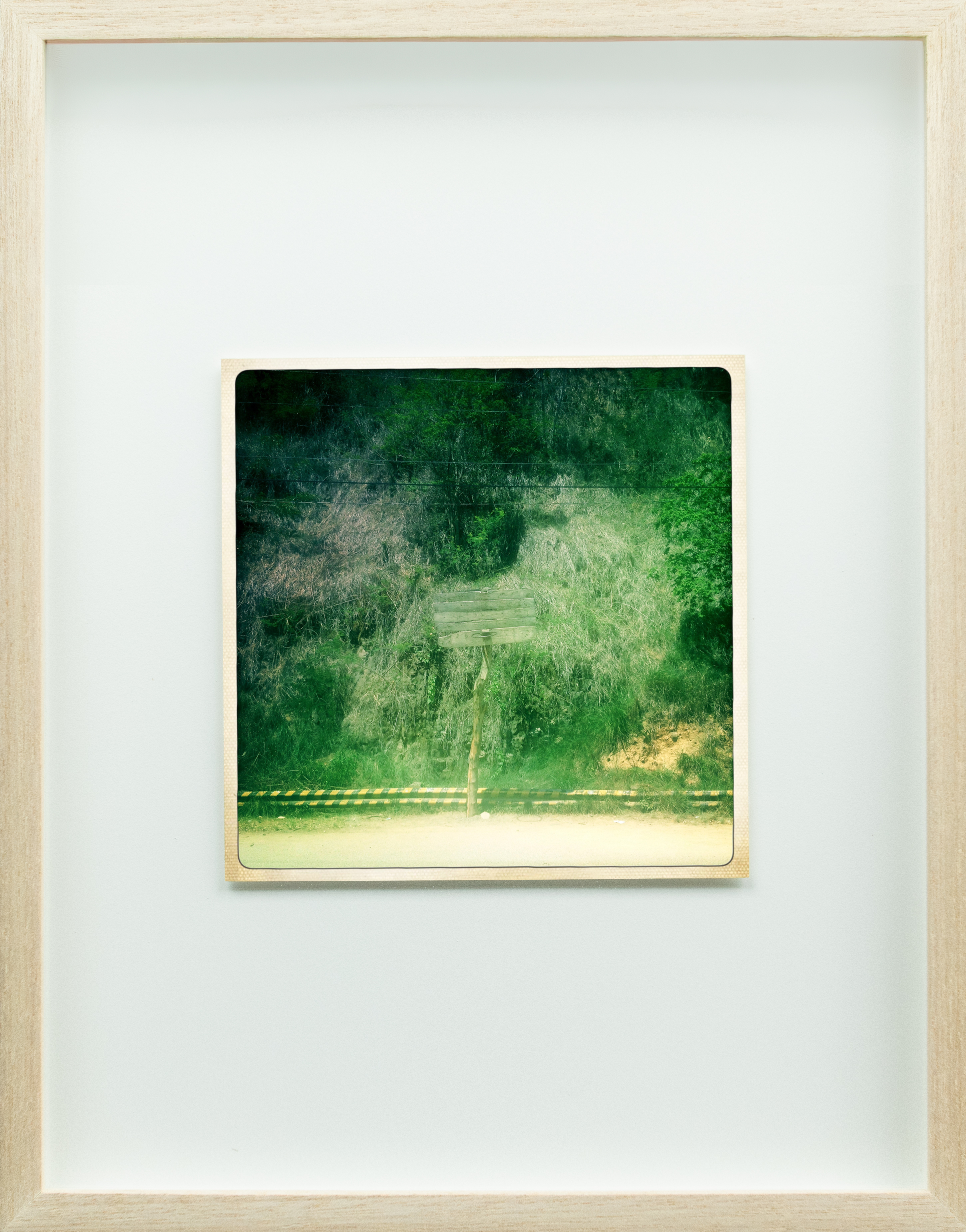
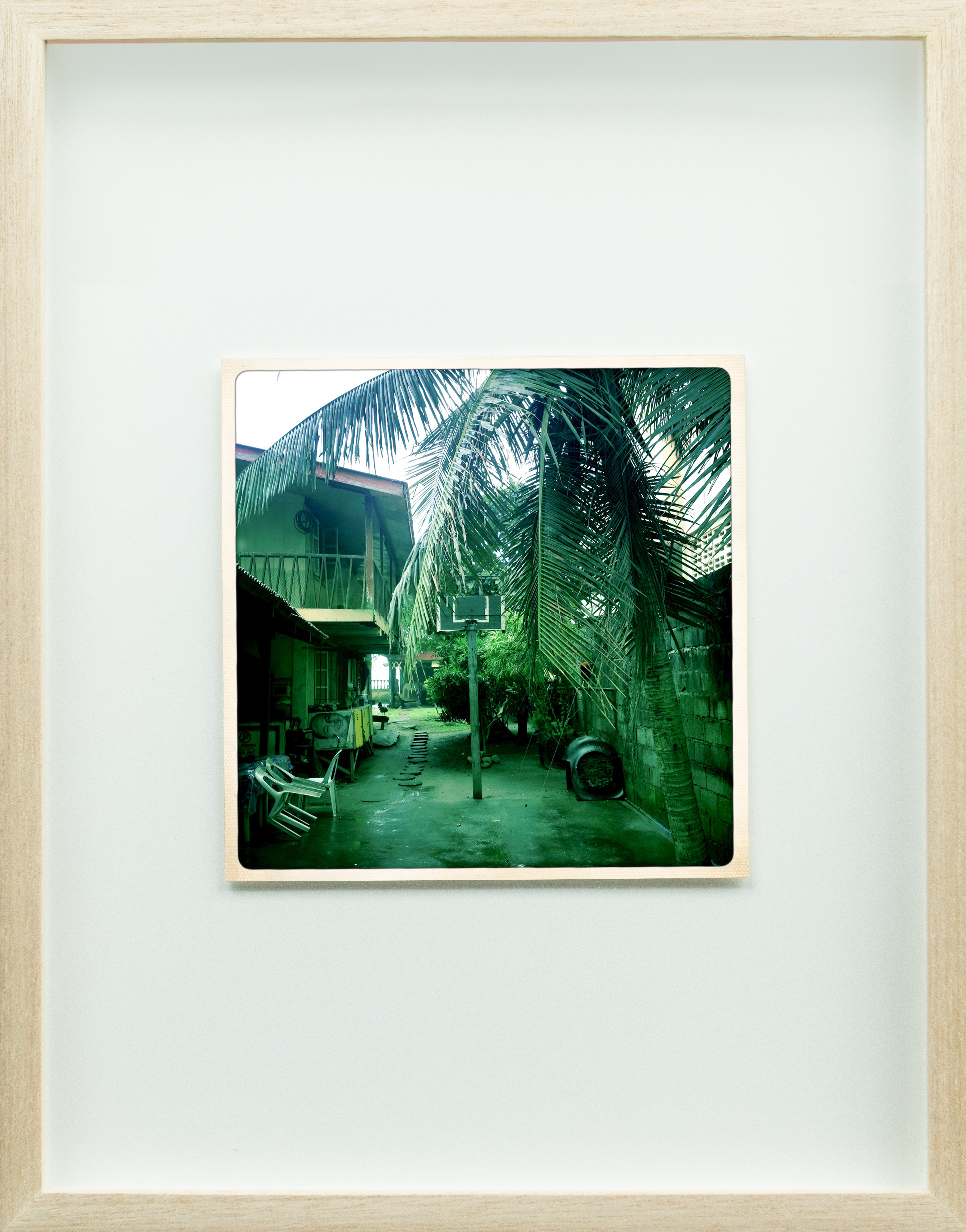
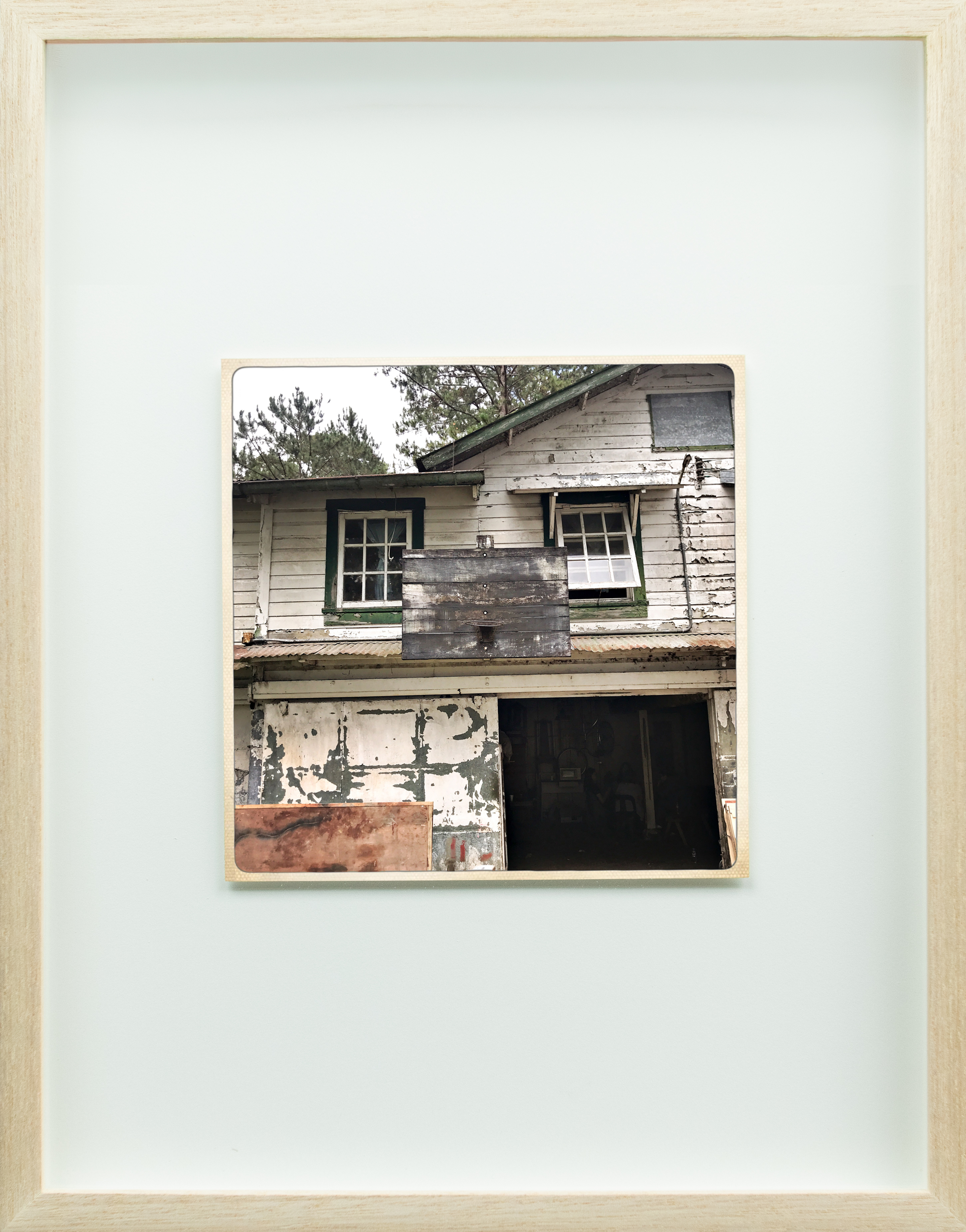
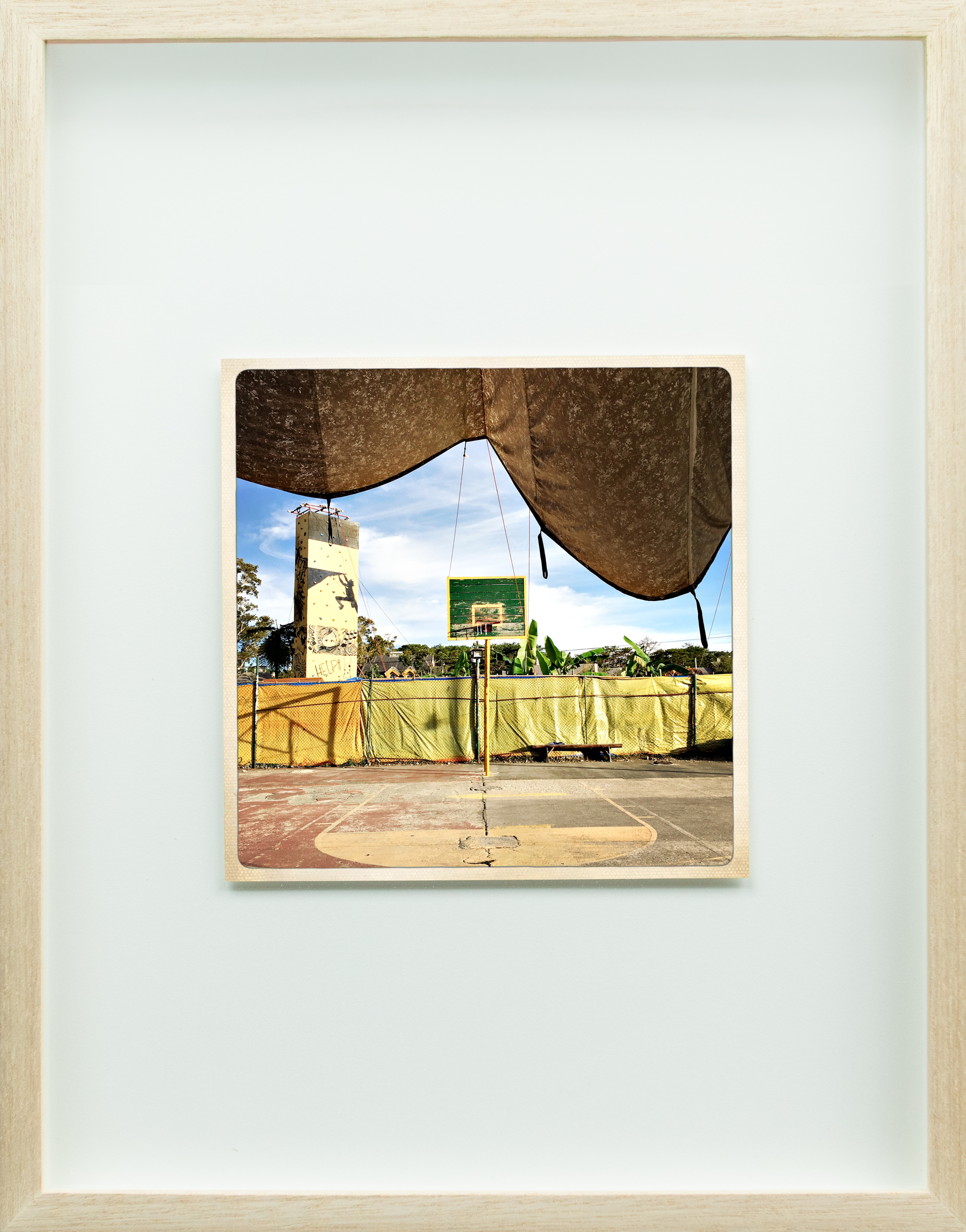
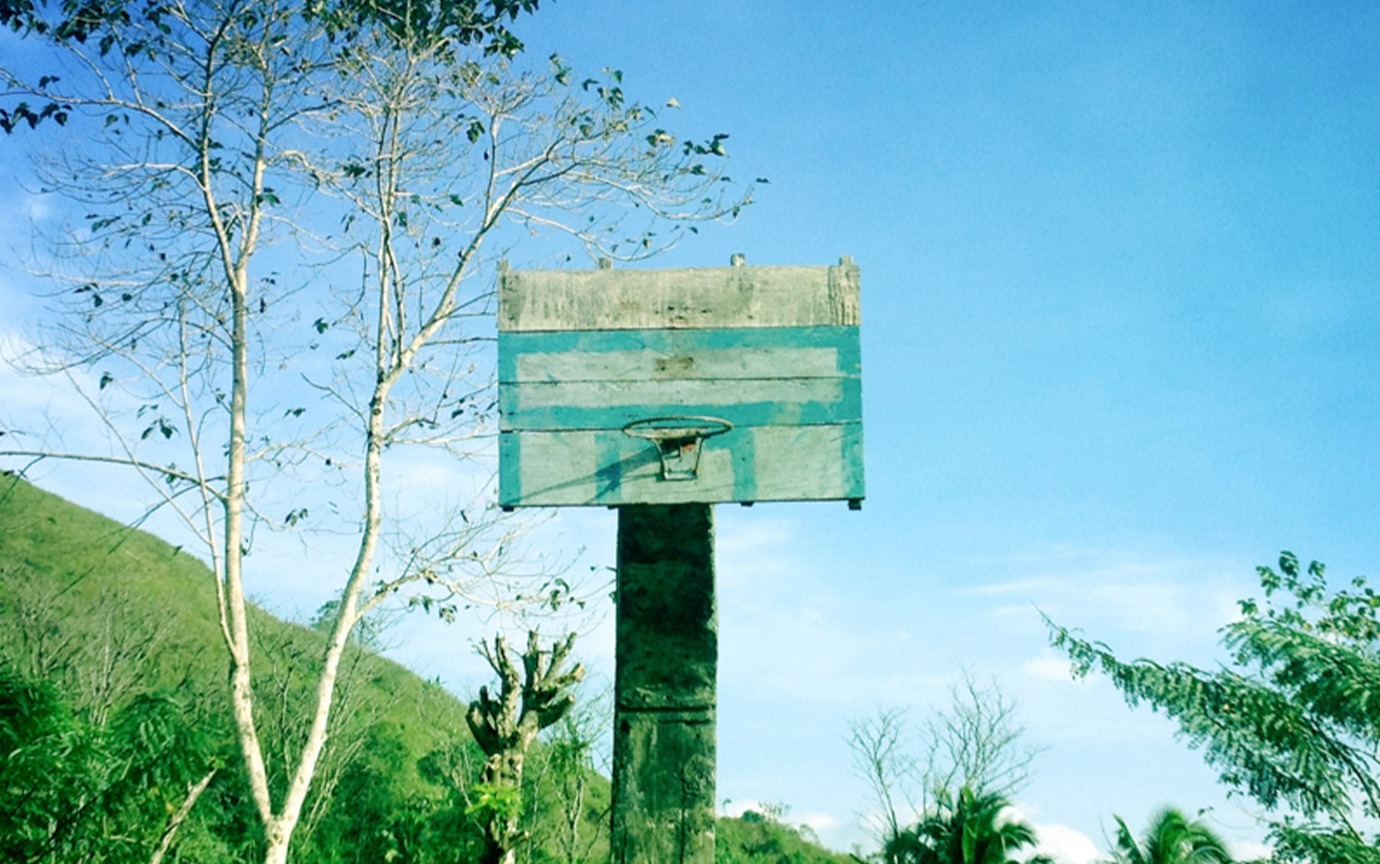
Jake Verzosa’s documentation of basketball courts across the archipelago lays the groundwork for the exhibition. Framing the basketball court as both document and subject, he constructs place as a site gathered from the collective sentiments, sensibilities, and the everyday life of a people. Verzosa’s series alludes to basketball as an enduring American colonial influence which, today, has become deeply and ubiquitously threaded into the fabric of our material and social realities. The site of play thus becomes evocative of both spectacle and material conditions. Archives tend to have a monumentalizing capacity for the things they capture, but Verzosa’s photographs seem to defy their own stillness and symmetry. By evoking a sense of makeshift ephemerality, these everyday infrastructures become an index of how a place naturally, candidly seems to gather. Verzosa’s archive captures makeshift tropical aesthetics shared by the urban and rural, and while almost always bereft of people, the sites are strikingly lived in. We glean from the photographs an aesthetics of making sense and making do— indexing a sense of play, the imaginative ways we have remediated the material remnants of our colonial history for the sake of survival. Their candid spatiality seems to ask of the curious nature of place: Do we actually make them or do they simply fall into place?
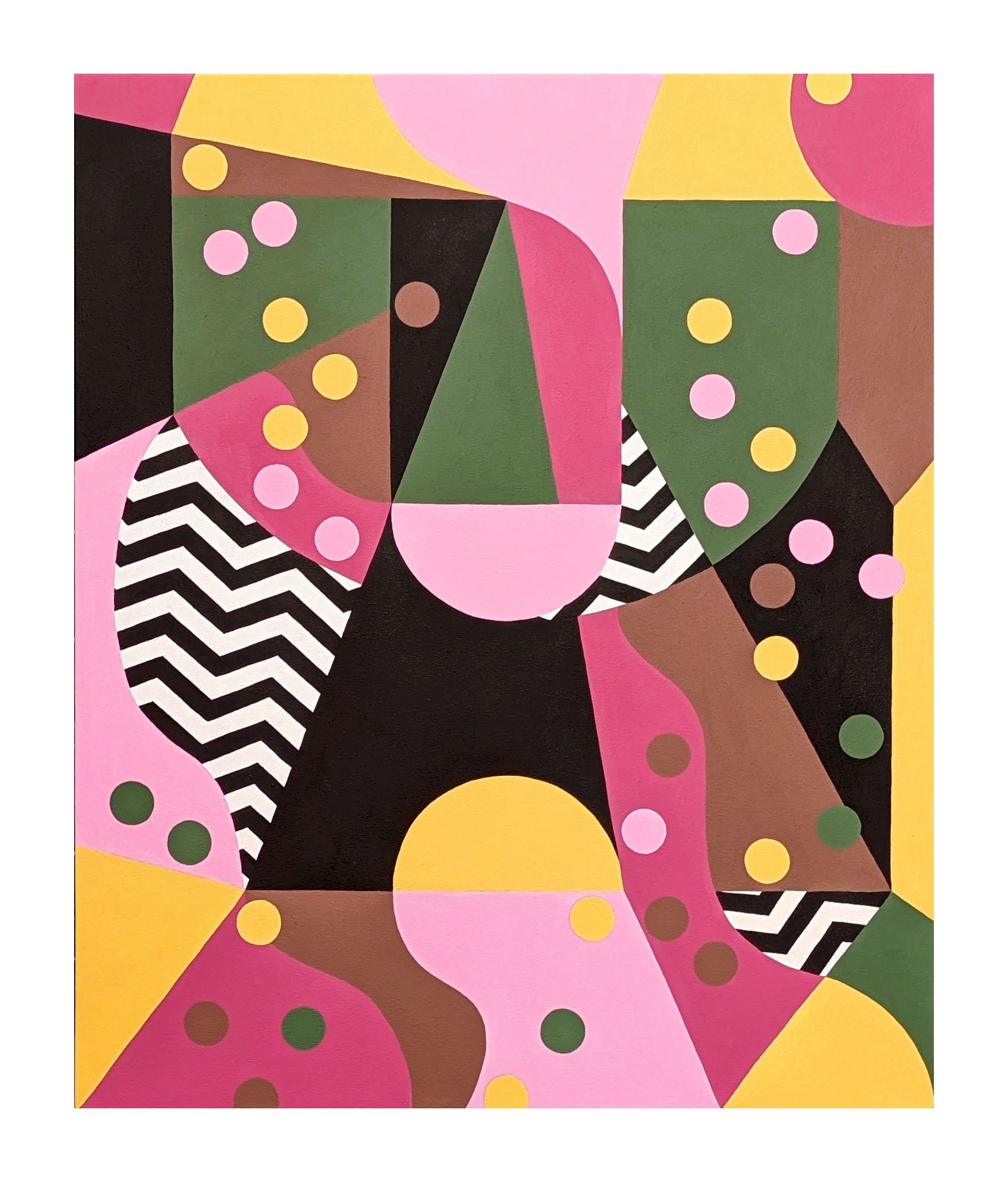
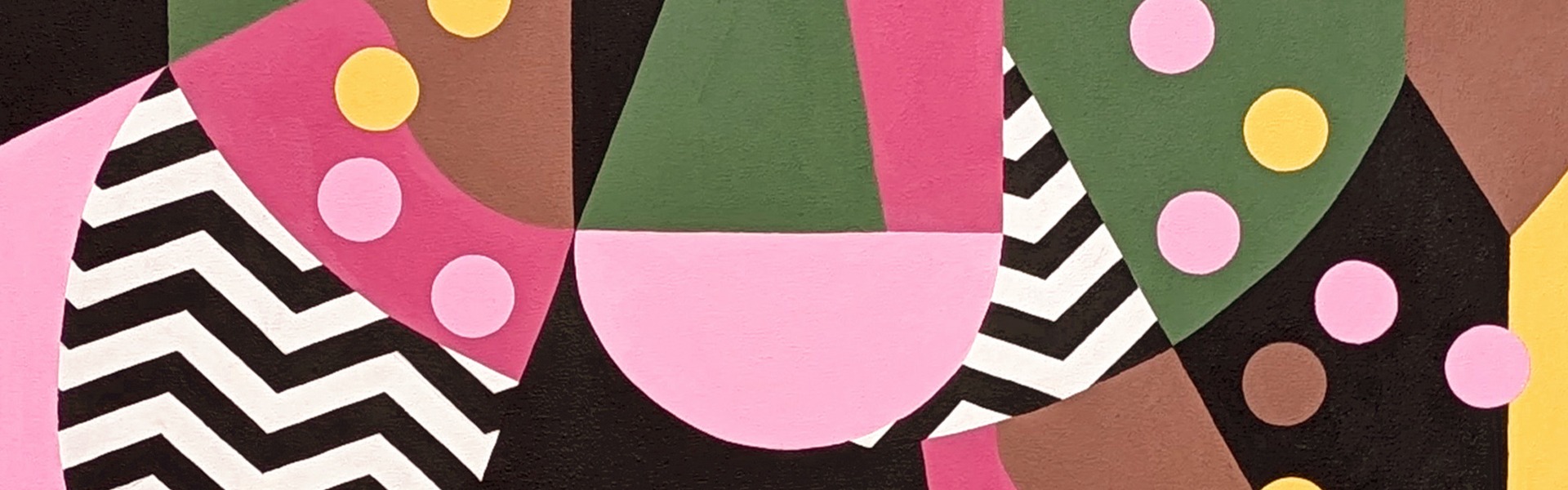
Conversing with Verzosa’s Basketball Landscapes, Wofford’s paintings transpose the same vernacular subject into a site that is both here and elsewhere. She expounds on the colonial underpinnings of the basketball court in her landscape paintings depicting Morro Bay, a historically commemorated site of the first Filipino landing in America via the Manila galleon. Departing from these landscapes, Battlefields, Wofford’s abstractions of the basketball court schema, reimagines the court terrain as a flowing geometry of pinks, yellows, browns, and olive greens reminiscent of the sunset she starkly depicts in You Dreamed of Empires. Together, they render the familiar spatiality of the basketball court as a nexus for imagination, alongside historical and transnational flows.
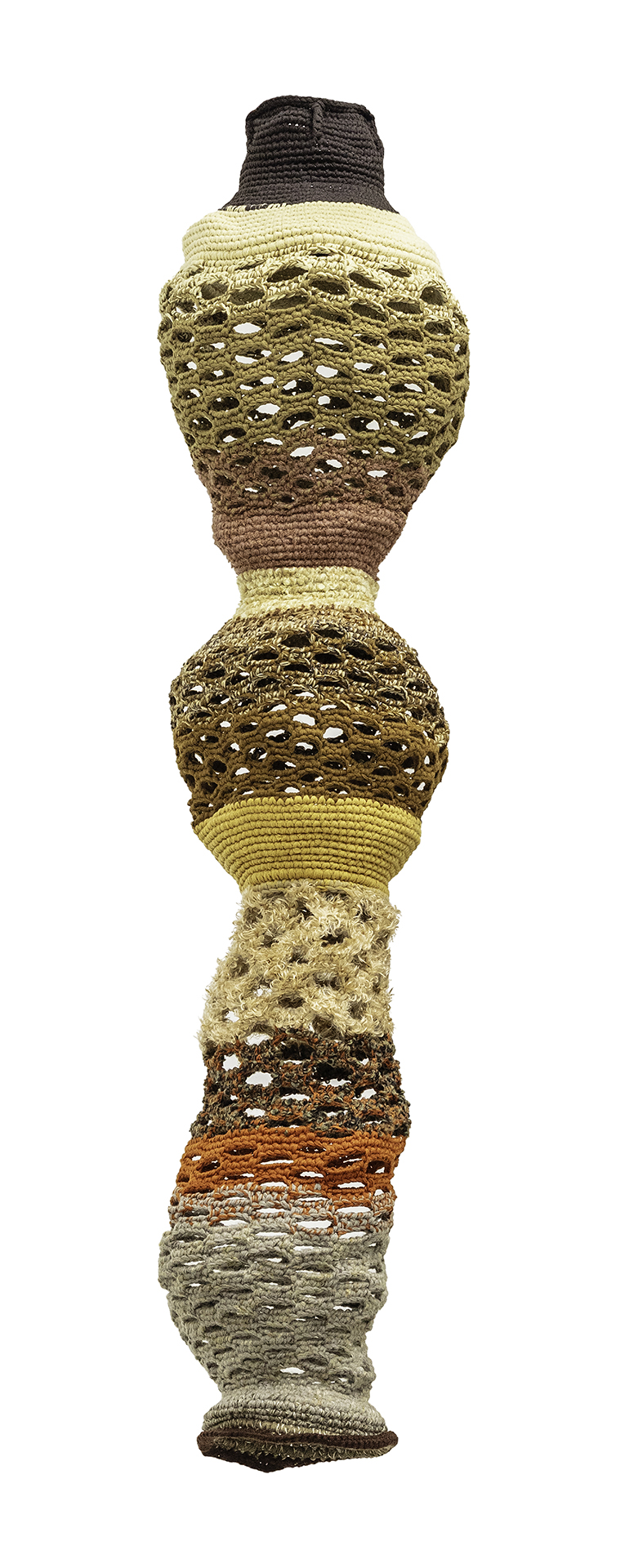
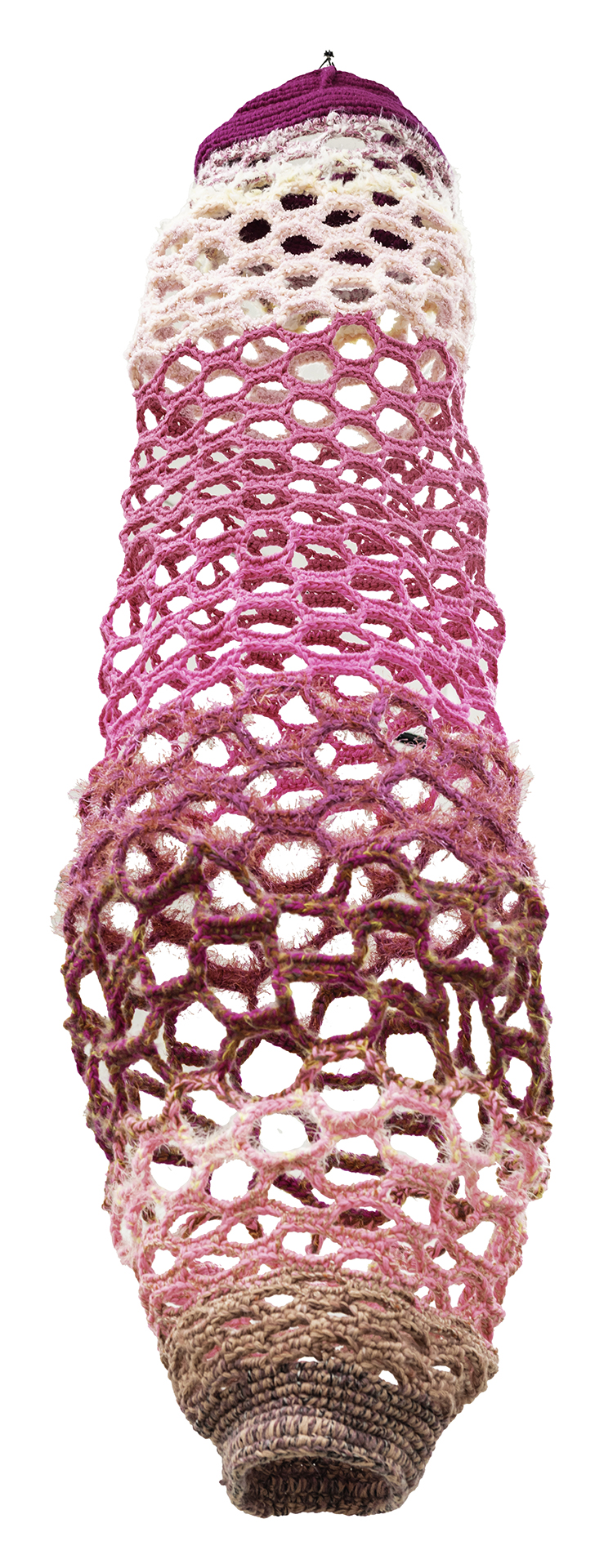
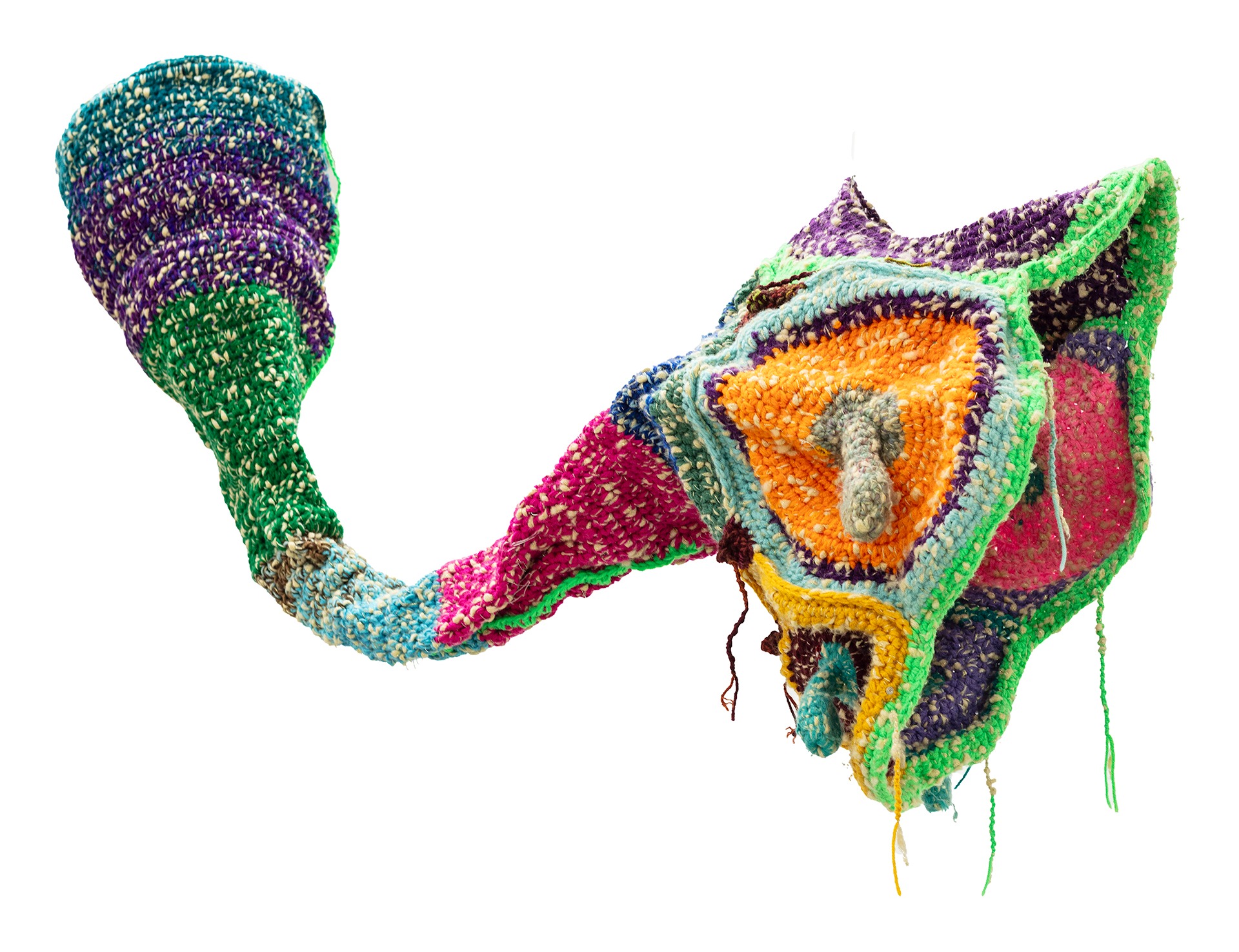
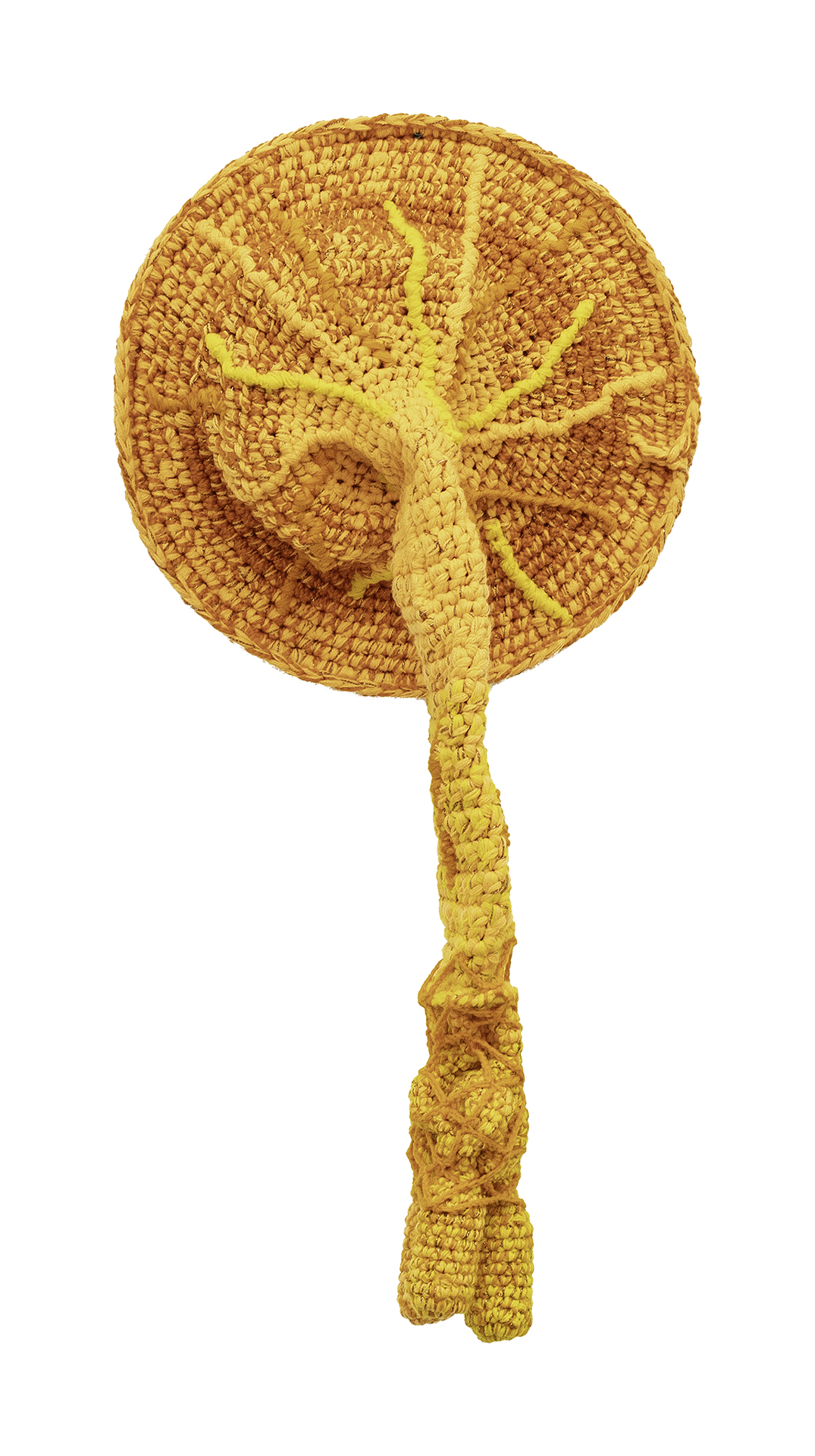
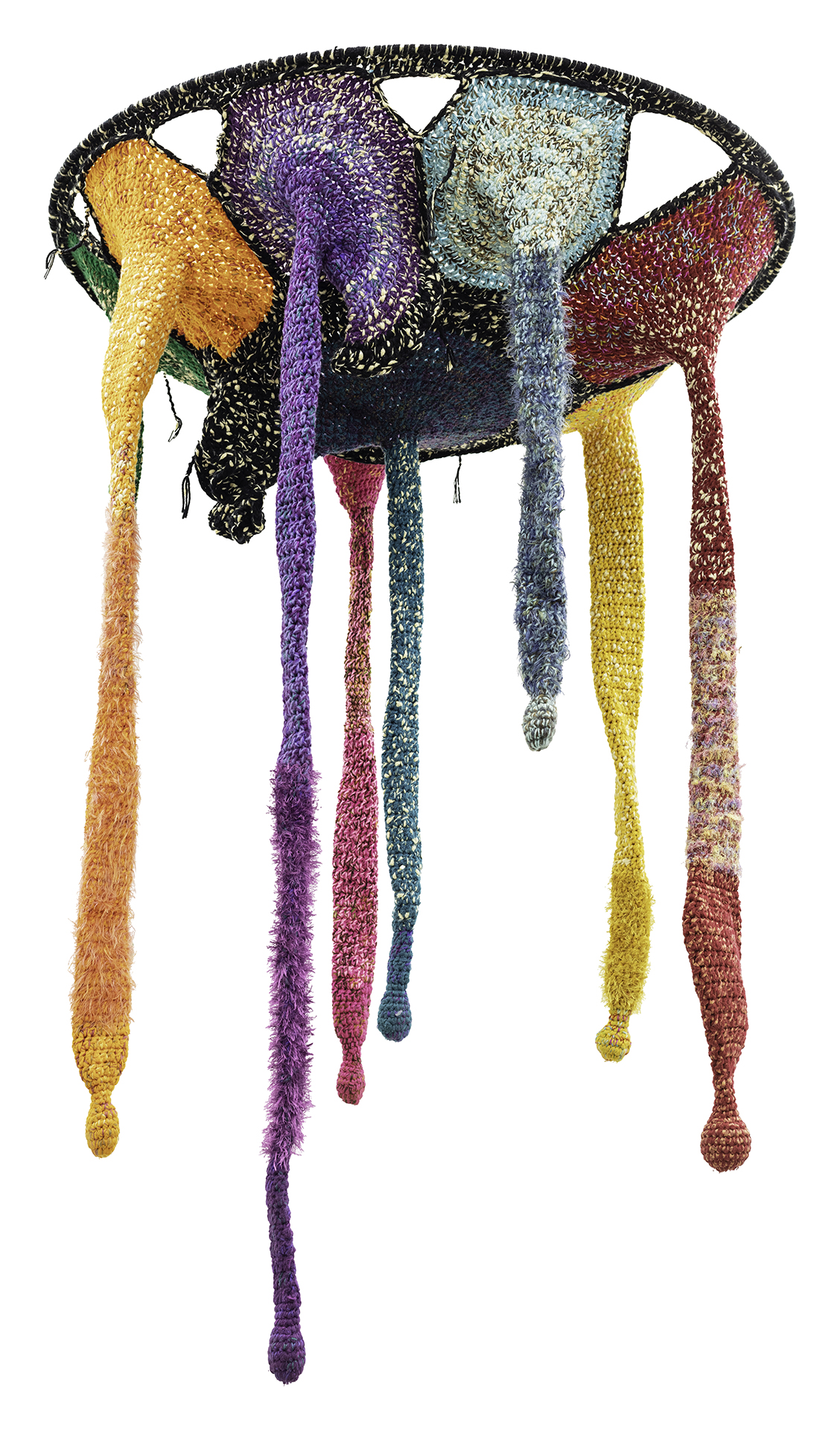
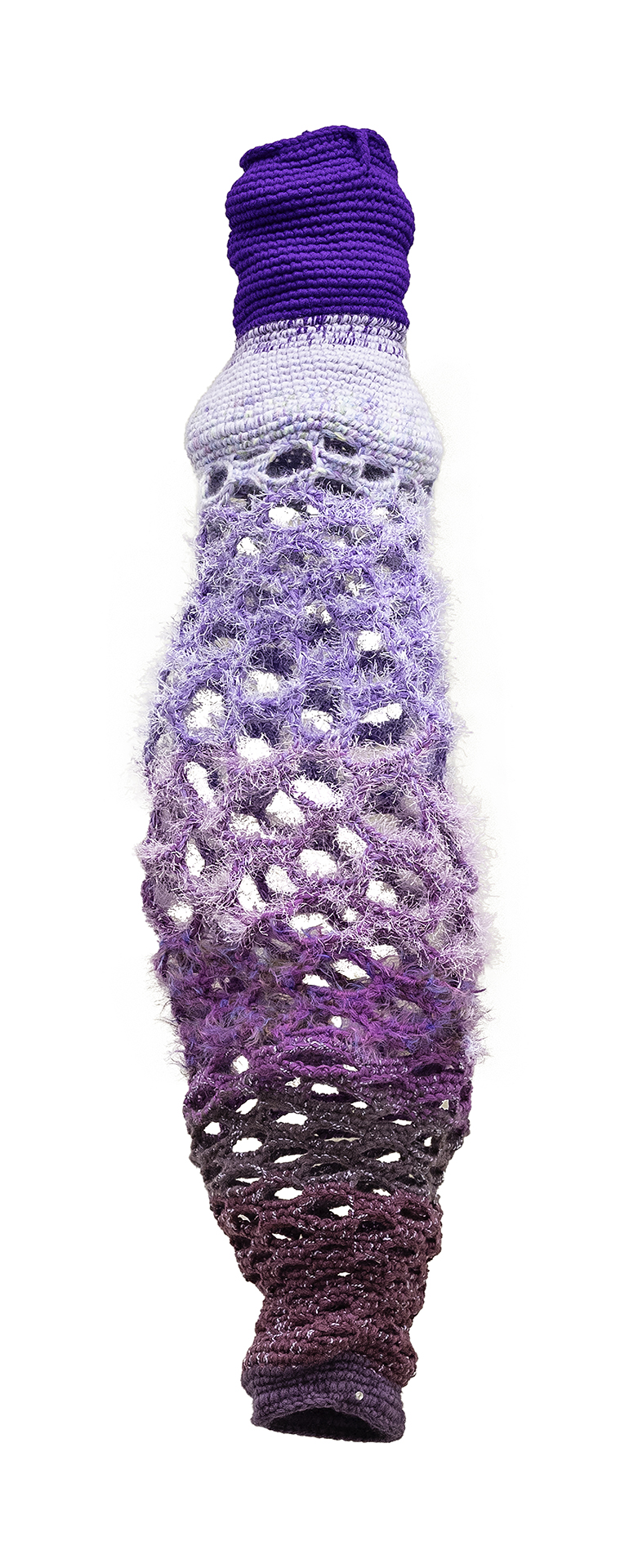
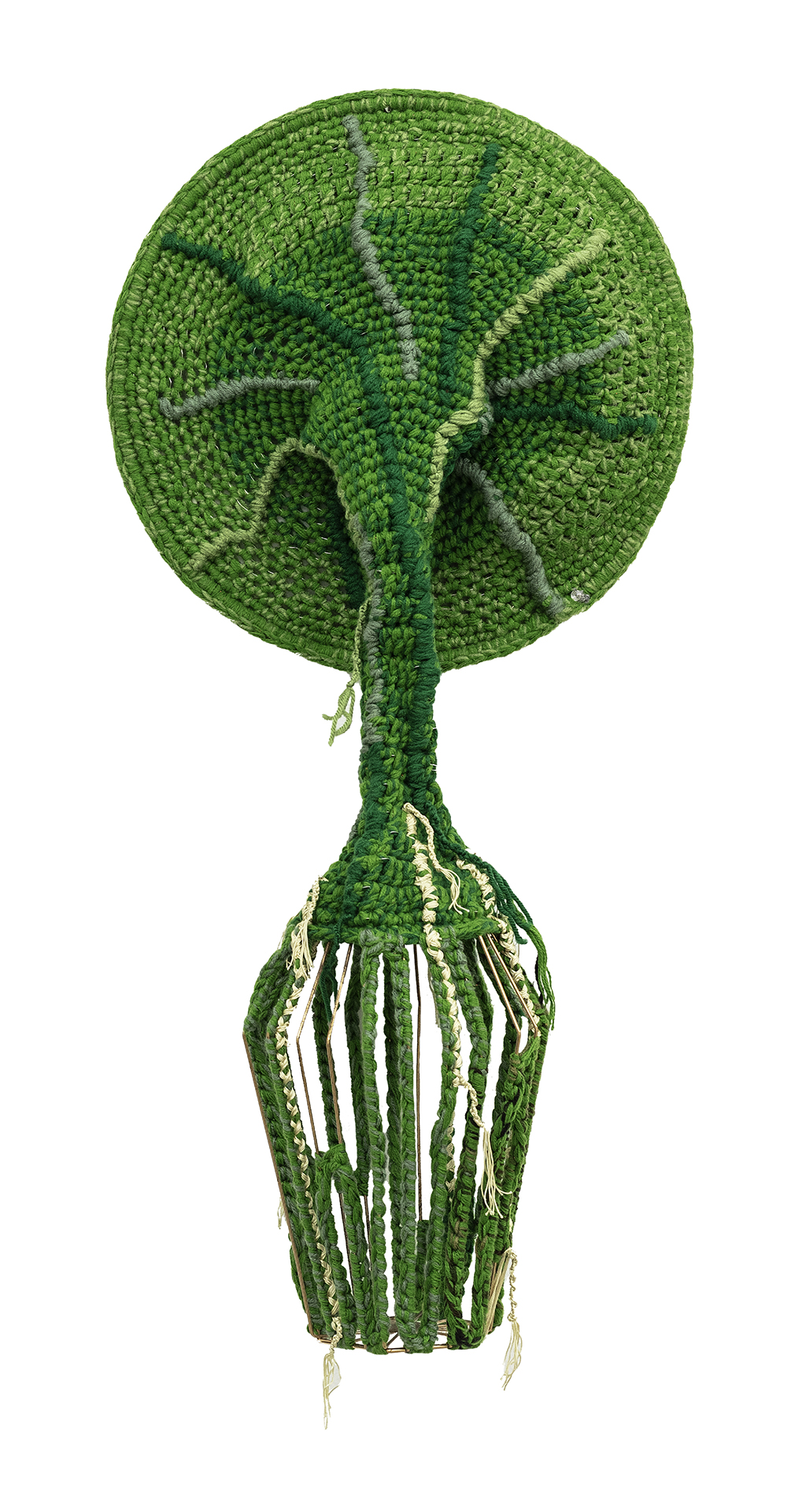
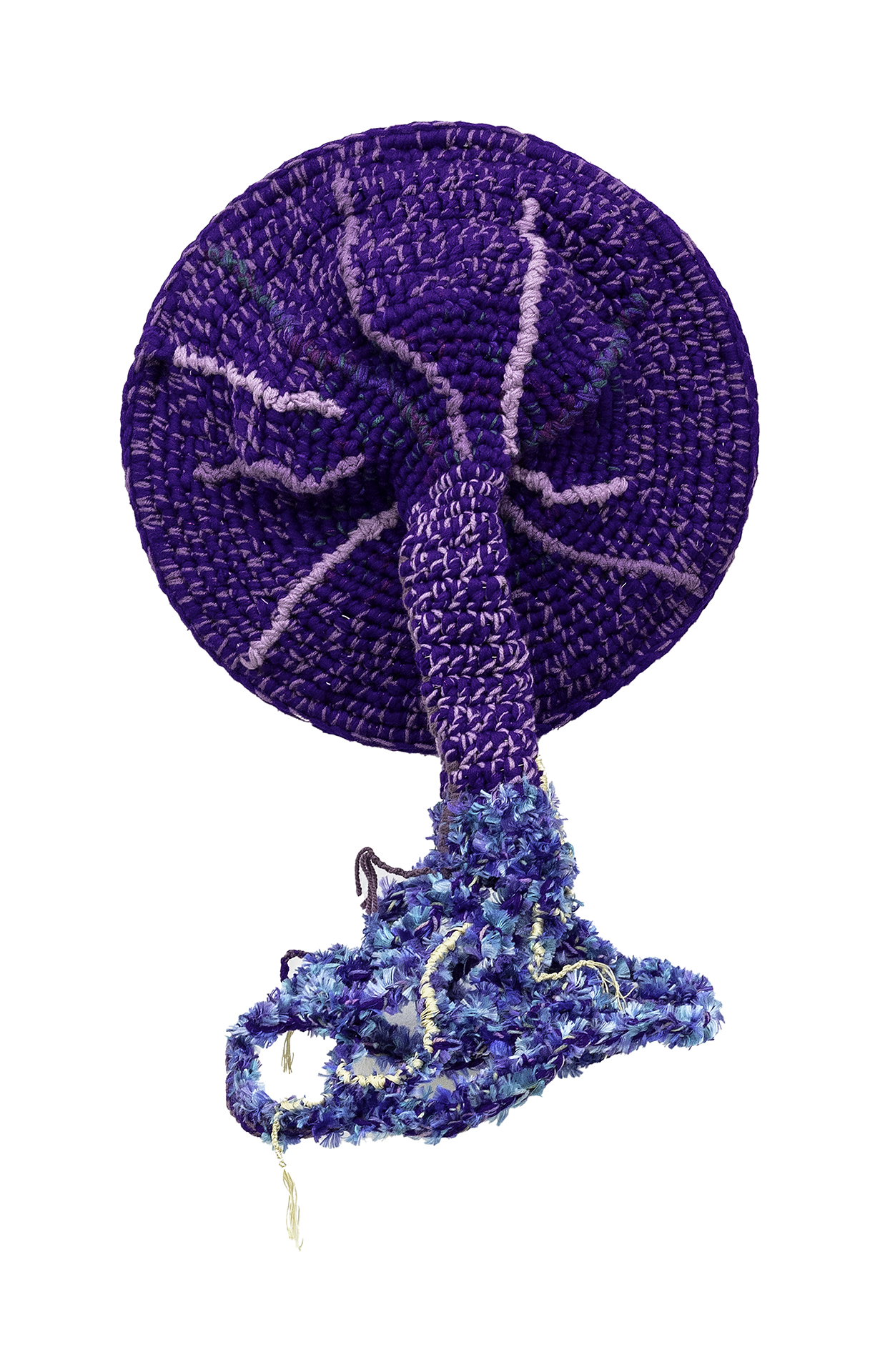
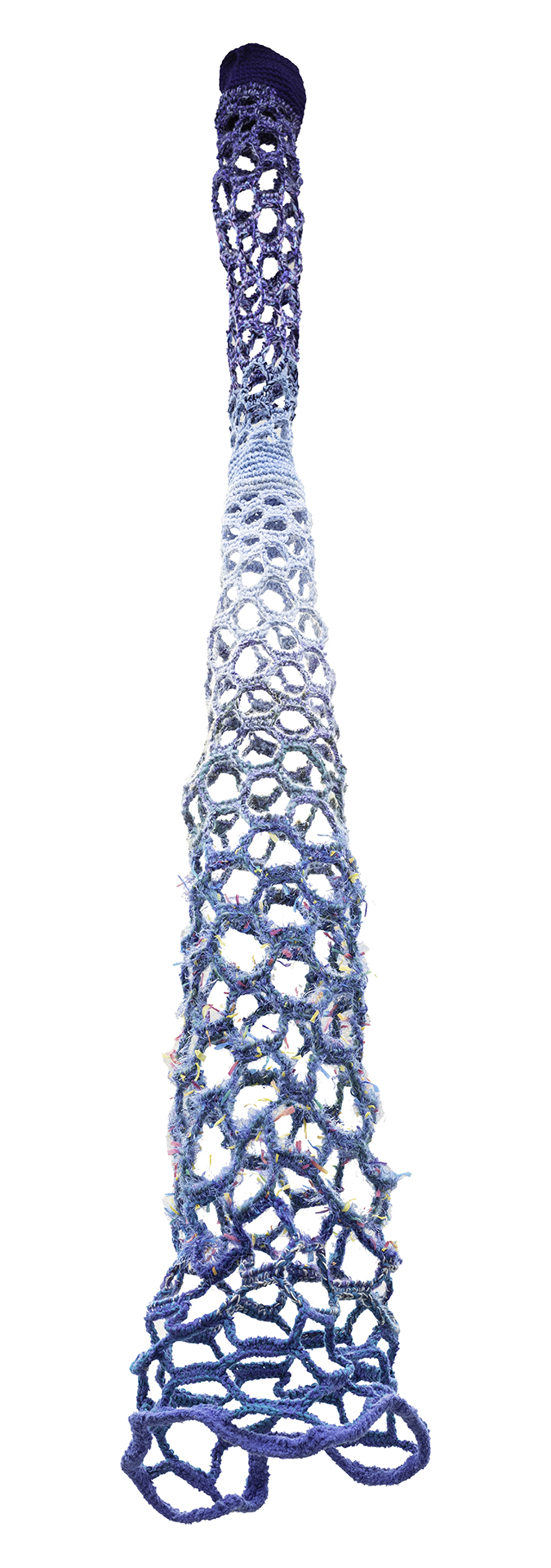
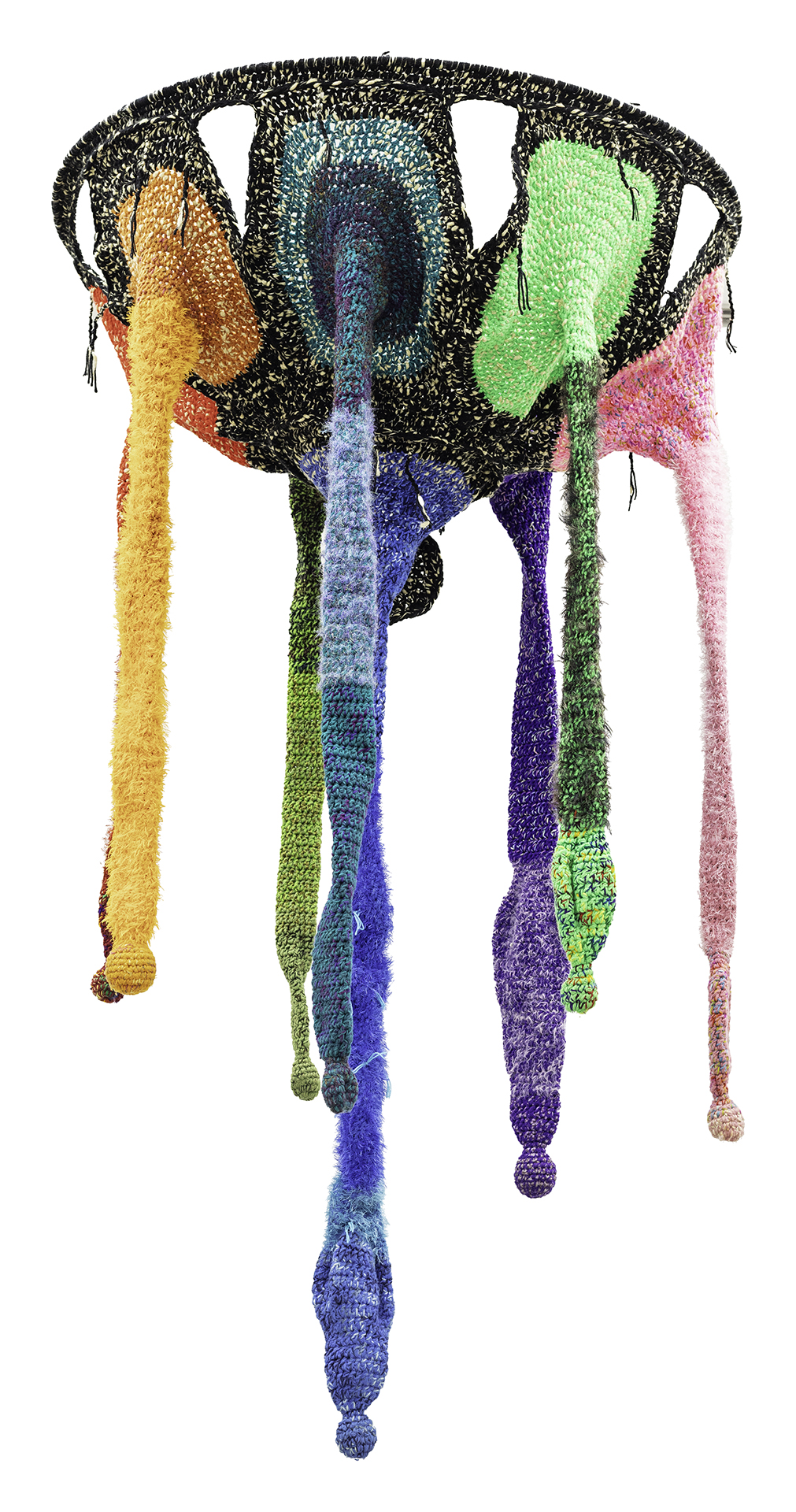
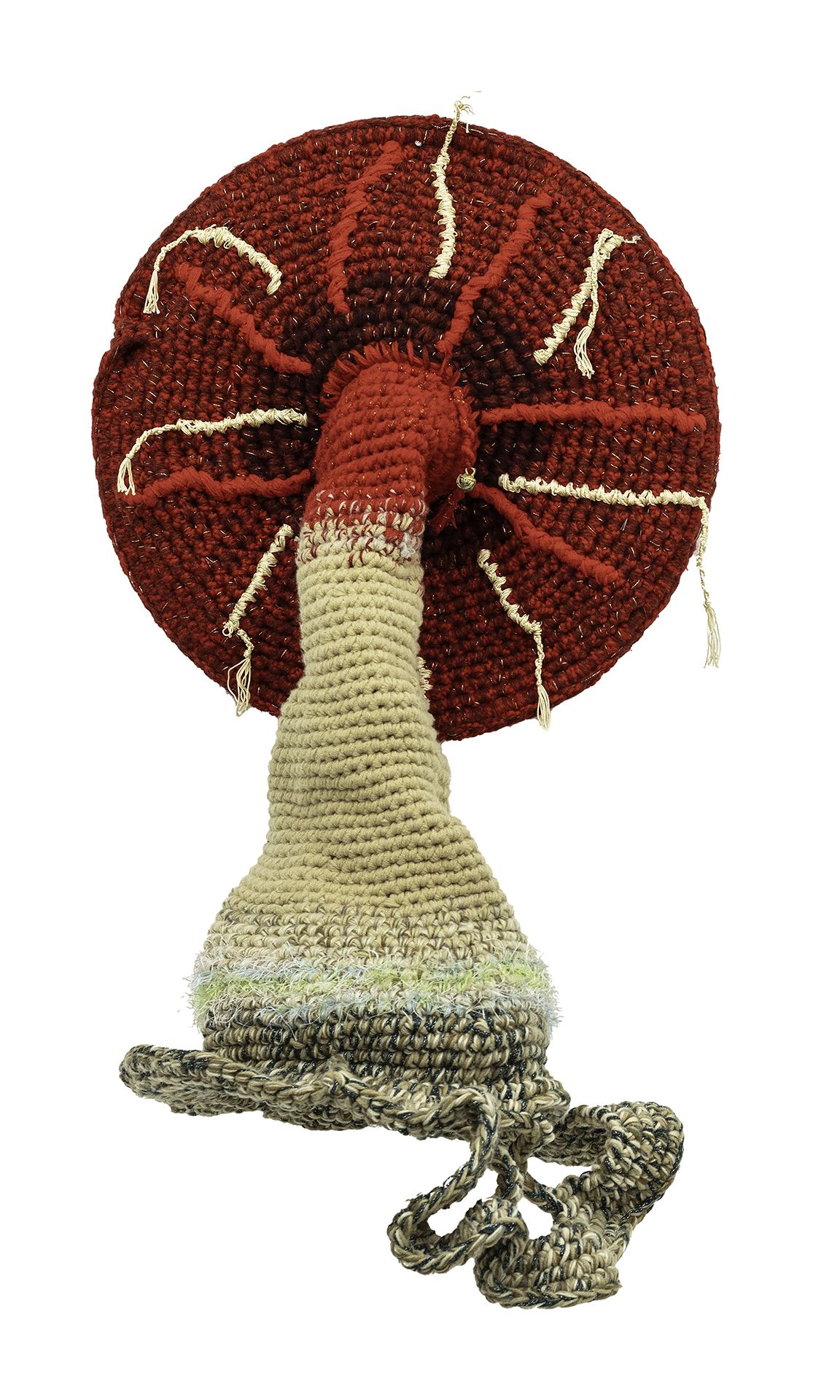
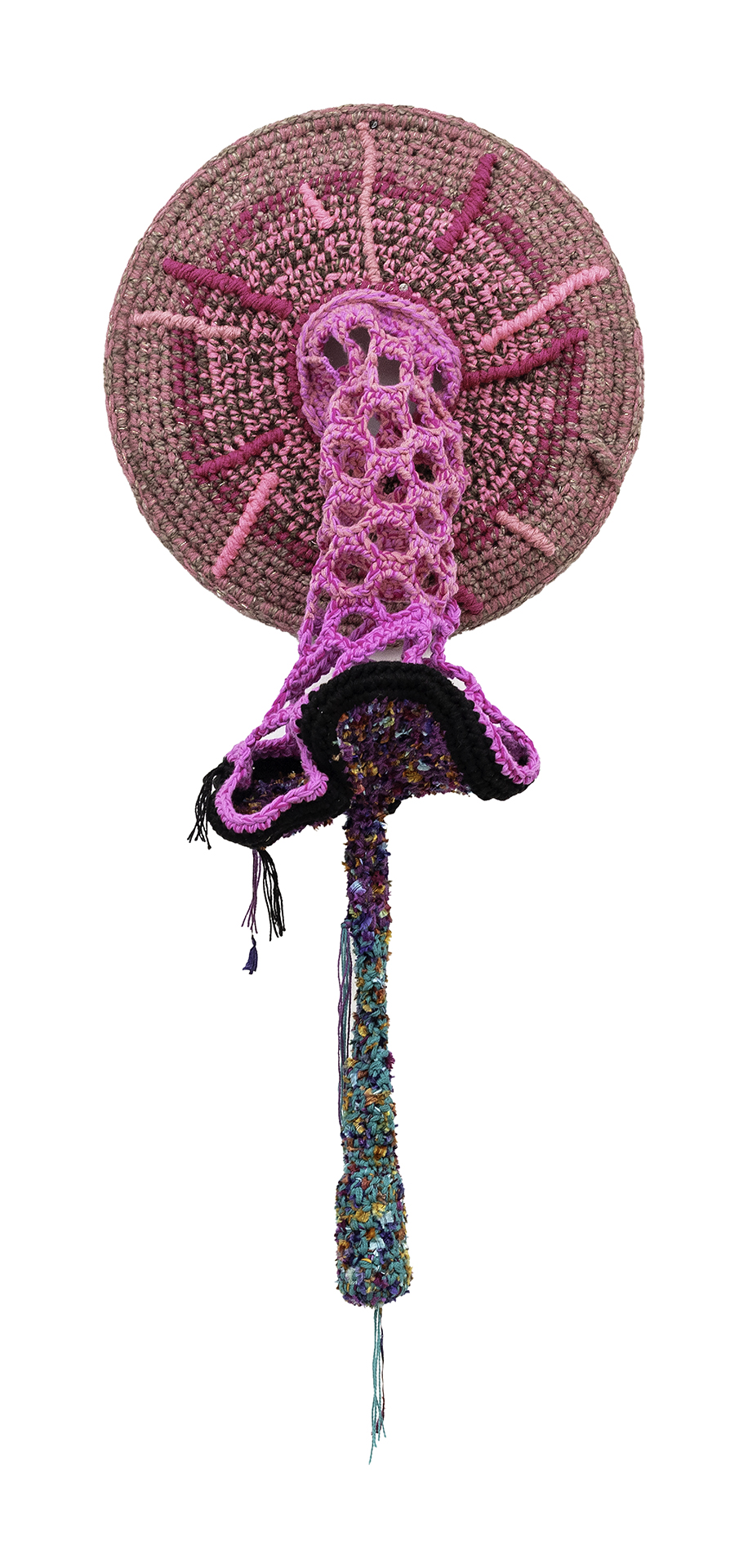
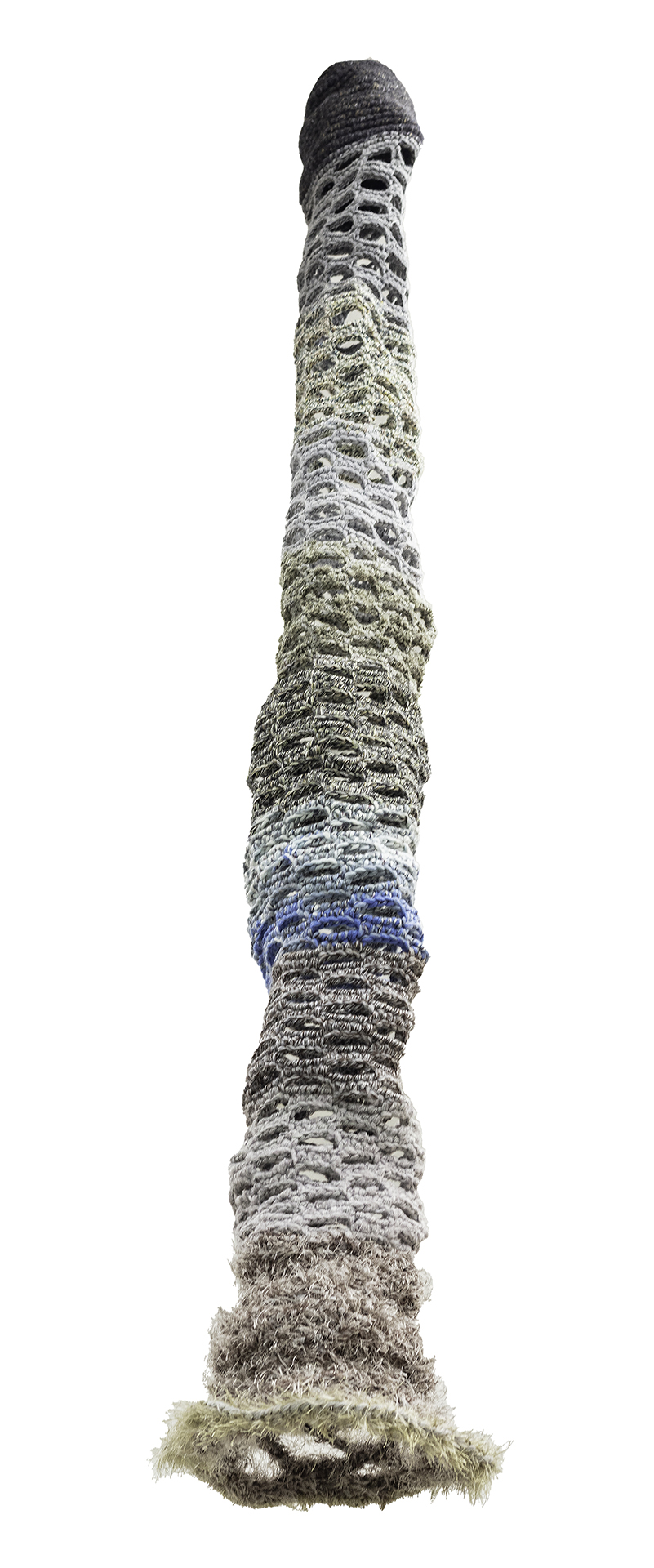
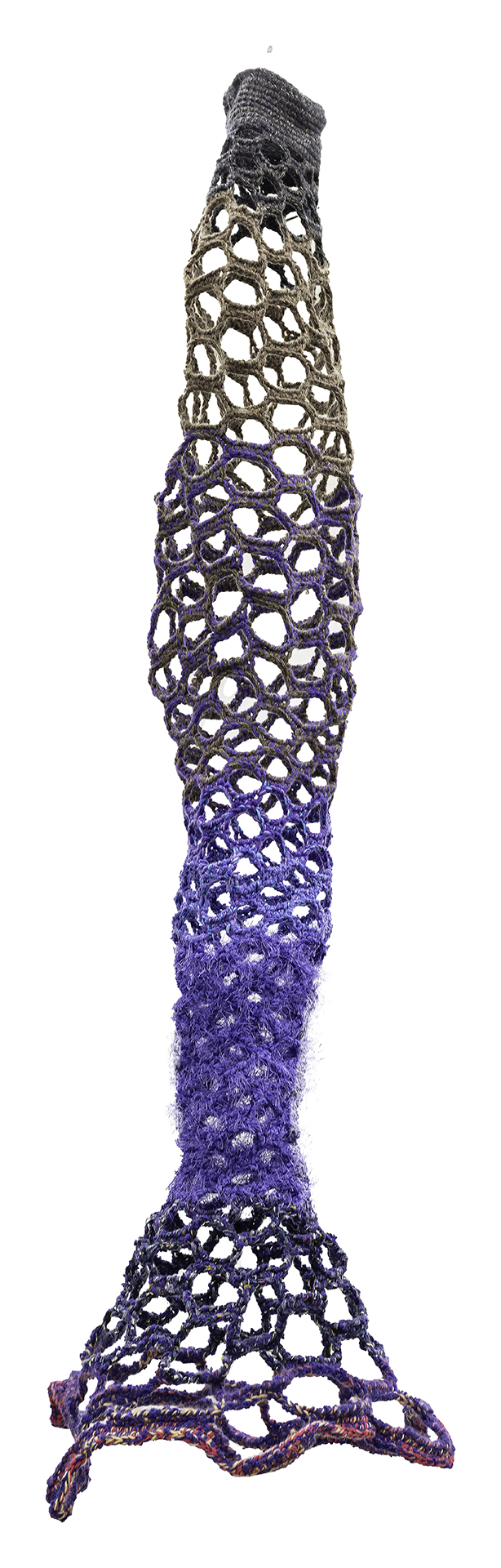
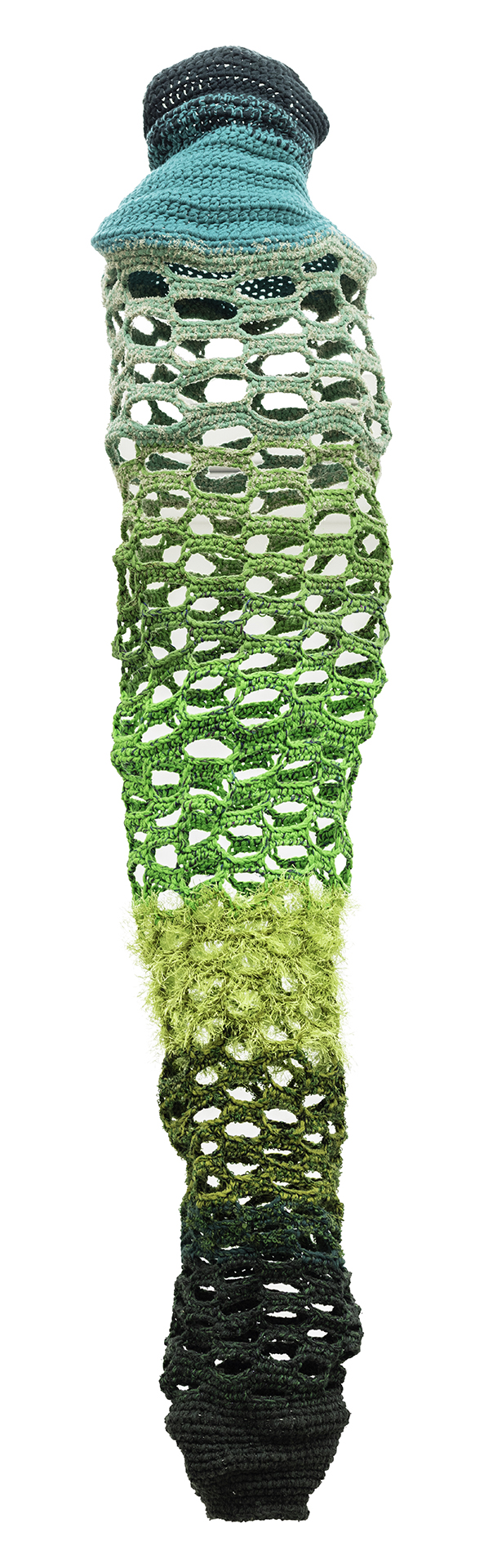
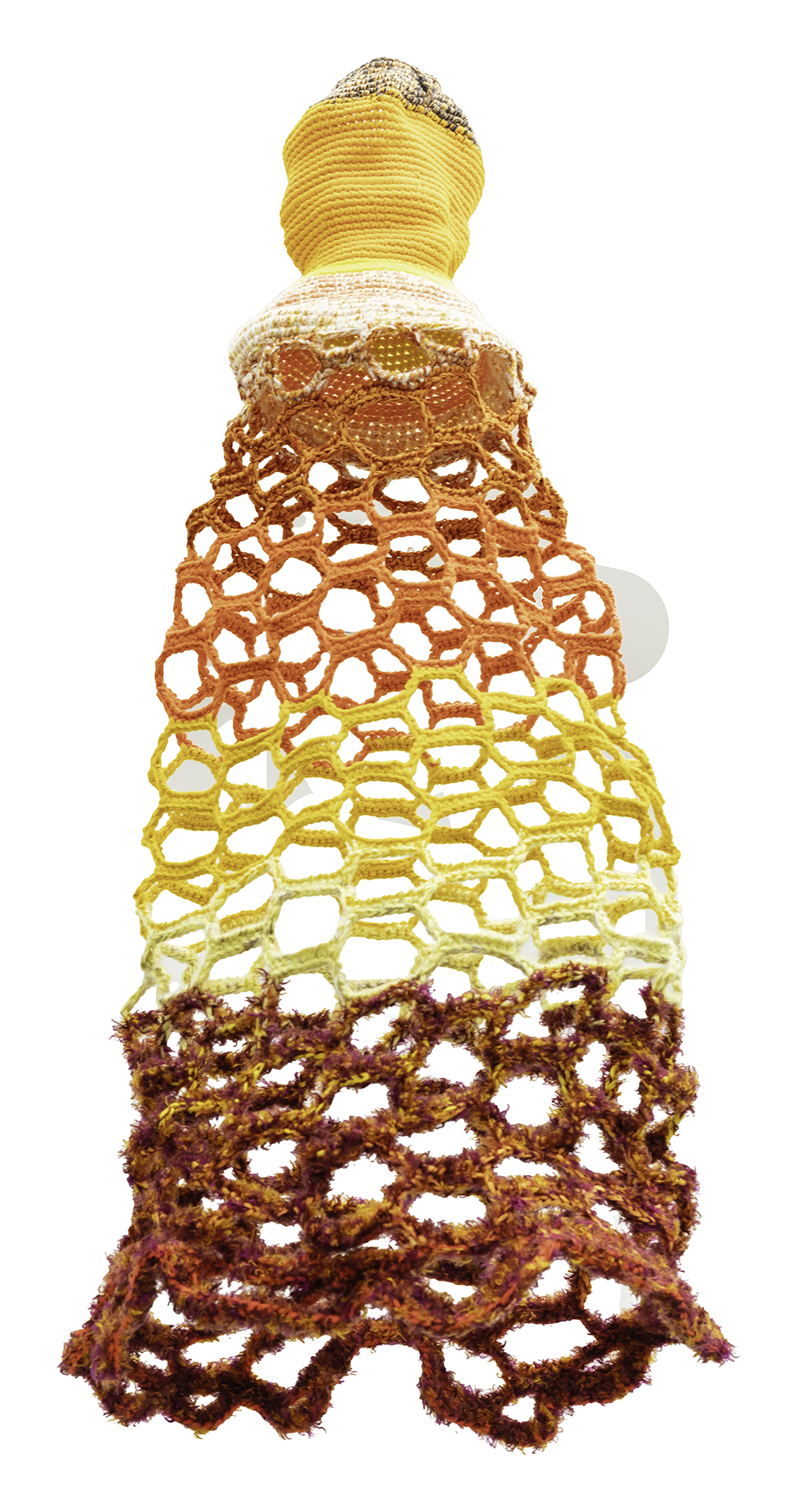
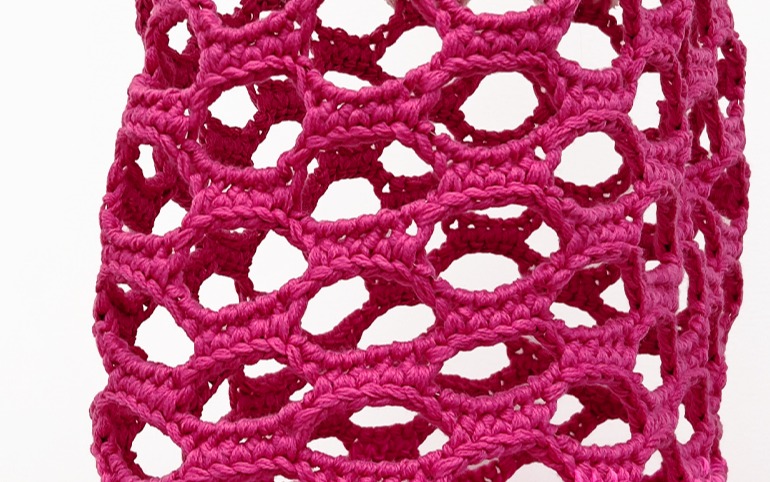
The works of Aze Ong bring a tangible materiality to the postcolonial notions of place and place-making that Verzosa’s and Wofford’s works lay out. As Verzosa’s photographs capture the all-too-familiar spatiality of the basketball court, Ong’s meticulously crafted fiber sculptures become both testament to and metaphor of how the site has become deeply threaded into the ways we dwell and the ways we gather. So deeply embedded are these threads into the fabric of everyday life that play, as gleaned in this site, becomes no longer merely about how we resourcefully make do for the sake of survival, nor is it merely a collective space for recreation and gathering. Ong’s sculptures recall Wofford’s abstractions by fragmenting landscape into a vibrant and tangible terrain that collects in material, meaning, and memory. Through a tactile means of place-making, Ong physically transforms the space into something more that is both here and elsewhere: a place for catching dreams, shooting for stars, and weaving brighter futures— a playground for collective imagination.
Words by Pie Tiausas
Aze Ong (b. 1977) wills fiber into forms of delicate structures that take lives of their own or that flourish into environments or bloom as installations. Her process is intricate as it is intuitive, shaped by thresholds of physical endurance or determinations of duration.
Jake Verzosa (b. 1979, Philippines) is a freelance photographer based in Manila. His work as a successful fashion and commercial photographer in his early years has given him a chance to expand his craft and has taken him to outside destinations around the region. After taking a documentary workshop class under mentor Phillip Jones Griffiths, Jack Picone and Steve Coleman in 2007, he started doing personal works which focuses on local life, youth stories, social issues and shifting cultures. With the lack of channels to show these kind of works, he put up his website and the artist-run Manila Collective photospace and café as is a venue for exhibitions, talks and slideshows.
In 2007, Verzosa has been commissioned by the ASEAN to document forty inspiring stories of youth all over Southeast Asia for the book “Young Southeast Asia”. He came out with his second commissioned book project in 2009 entitled “Where The Children Are” where he documented the different situations of youth in the Philippines. He is now currently working on documenting the last tattooed women of Kalinga province near his hometown Cagayan. His works have been exhibited in Manila, Tokyo, Singapore, Amsterdam and Paris.
Jenifer K Wofford is a San Francisco-based artist and educator. She is also 1/3 of the Filipina-American artist trio Mail Order Brides/M.O.B.
Her work has been exhibited in the Bay Area at the Berkeley Art Museum, Oakland Museum of California, Yerba Buena Center for the Arts, Southern Exposure, and Kearny Street Workshop. Further afield, she has shown at New Image Art (Los Angeles), Wing Luke Museum (Seattle), DePaul Museum (Chicago), Manila Contemporary (Philippines), VWFA (Malaysia), and Osage Gallery (Hong Kong).
Wofford’s awards include the Eureka Fellowship, the Murphy Fellowship, and grants from the Art Matters Foundation, the Center for Cultural Innovation, UCIRA, and the Pacific Rim Research Program. She has also been artist-in-residence at The Living Room, Philippines, Liguria Study Center, Italy and KinoKino, Norway.
A well-known arts educator, Wofford is part-time faculty in Fine Arts and Philippine Studies at the University of San Francisco. She also teaches at UC Berkeley, San Francisco Art Institute, California College of the Arts and San Francisco State University. She holds degrees from the San Francisco Art Institute (BFA) and UC Berkeley (MFA).
Born in San Francisco and raised in Hong Kong, Dubai, Malaysia and California, Wofford has also lived in Oakland, New Orleans and Prague. She currently lives and works in San Francisco.
Installation Views
Works