About


Silverlens is pleased to return to Art Basel Miami Beach for its fourth participation, presenting Wawi Navarroza, Jen Liu, and Mit Jai Inn in the Nova Sector Booth N16 at Miami Beach Convention Center. Together, the three artists share an interest in histories that survive in disguise.
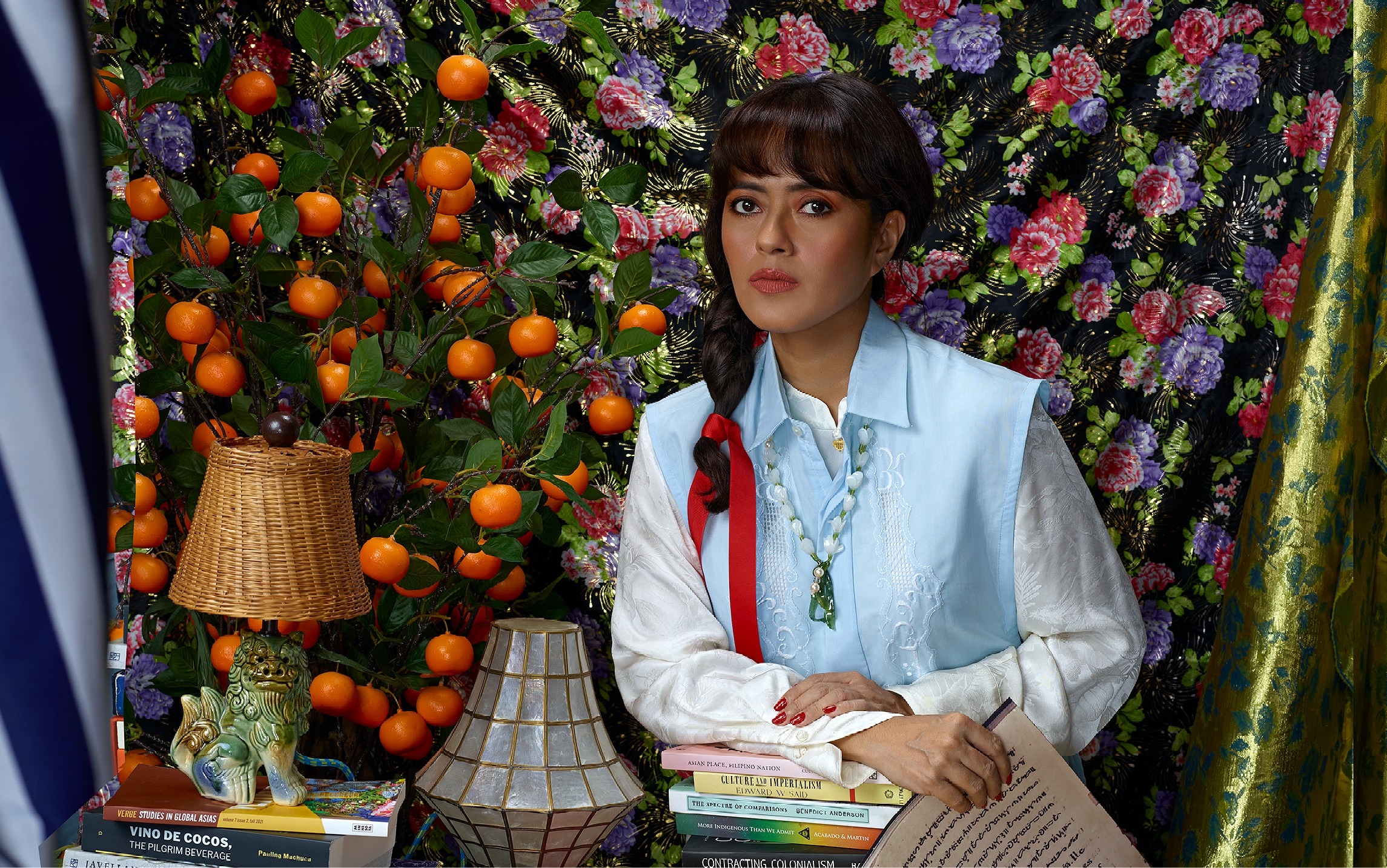
Wawi Navarroza (b. 1979, Manila, Philippines) exhibits three staged self-portraits whose fabric-clad frames spill out to become sculptural objects. Drawn from The Orchid Pavilion, the first part of her trilogy The Double-Naveled, The Triple-Tongued, a Tropical Gothic Troika, these tableaux blend porcelain, Yakan weaves, and Manila Galleon texts to explore historical Philippine-Chinese ties. Using her body like a precolonial babaylan, Navarroza reflects on hybrid cultural identity. Part II of the trilogy, ULTRAMAR, opens April 28, 2027, at New York’s Hispanic Society Museum & Library.
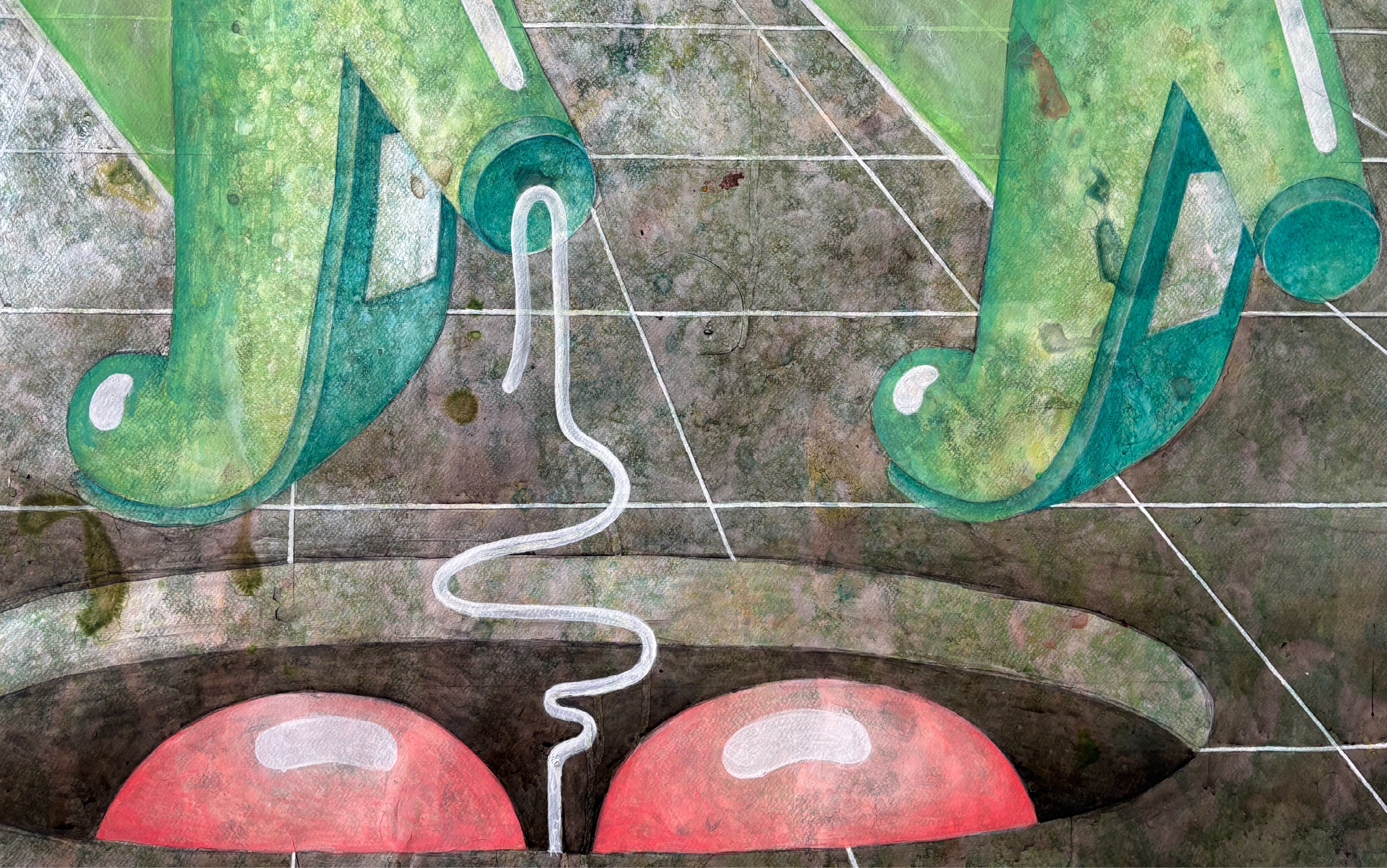
Expanding The Mercury Project, Jen Liu (b. 1976, New York, NY, USA) presents graphic gouache paintings made with e-waste pigments to examine hidden histories of labor. Depicting only the backs of women's heads styled in late Qing fashion, Liu references Port of San Francisco immigration files where women recited scripted birth stories to secure entry. Following MoMA's acquisition of two works in March 2026, Liu will feature in the 2027 Yokohama Triennale and Henie Onstad Triennial, before opening a solo exhibition at Silverlens New York in November 2027.
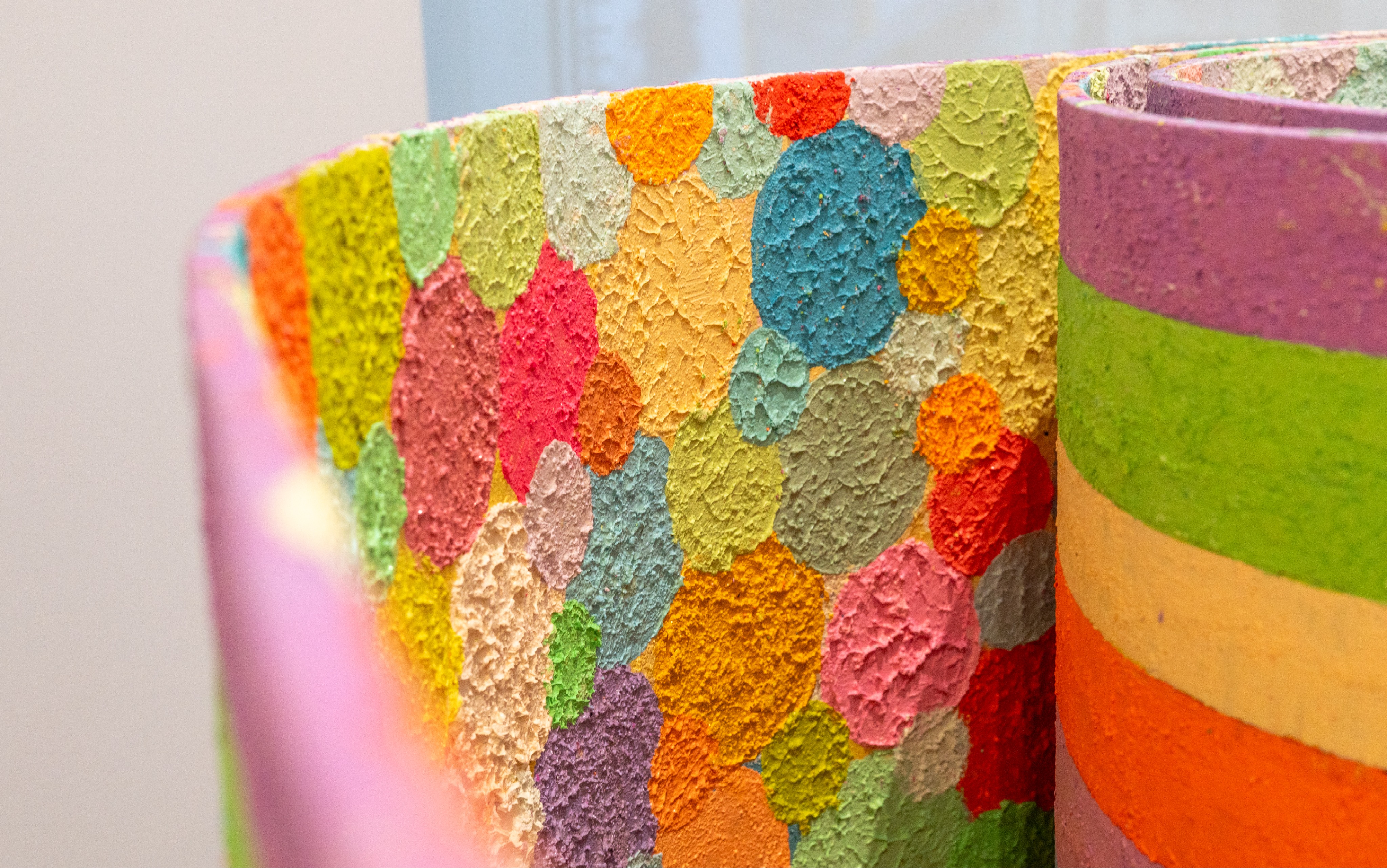
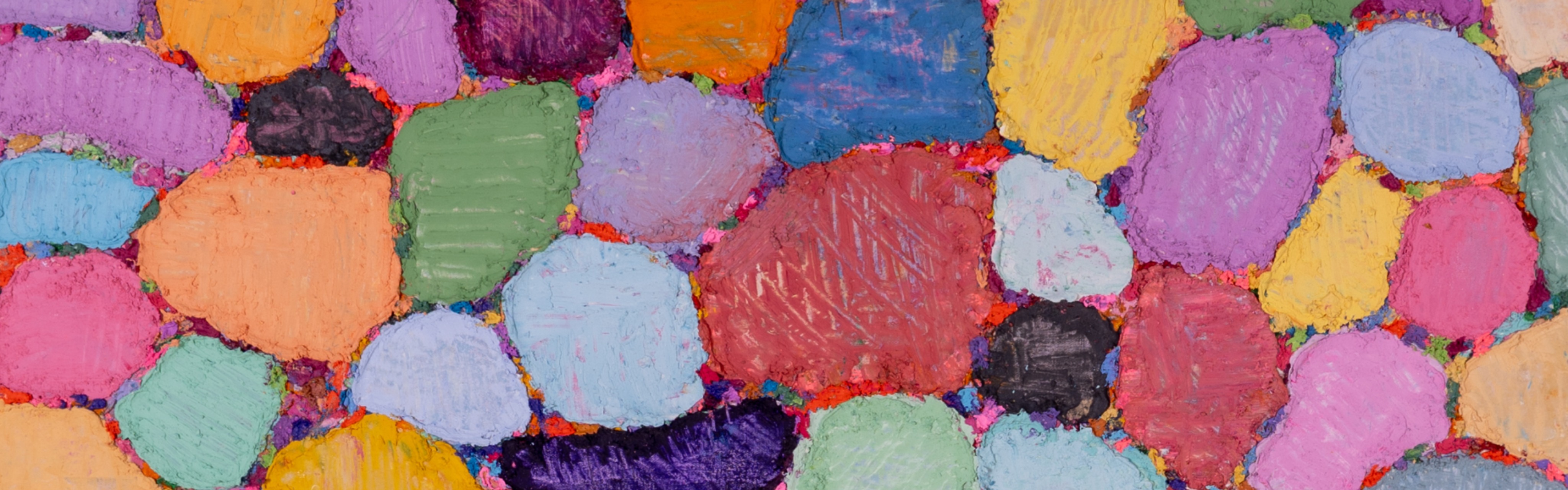
Mit Jai Inn (b. 1960, Buak Khang, Thailand) embeds political dissent within vibrant abstract paintings built using fingers and palette knives. In Miami, Jai Inn packs canvases with amoeba-like circles echoing bai sema (temple boundary stones) to position sacred spaces as resistance to censorship. A leading Southeast Asian figure who co-founded Chiang Mai Social Installation in 1992 and later the Bangkok Biennale, Jai Inn will present a solo exhibition at Silverlens Manila in January 2027.
Wawi Navarroza is a Filipina lens-based artist recognized for her vibrant large-format photographic tableaus and self-portraits, which comment on the plurality of identity, photography, and place.
Informed by material history, post-colonial dialogue, globalization, and her experiences as transnational, female, Southeast Asian, and Filipina, Navarroza creates multi-layered in-studio bricolage with camera and lighting techniques that unapologetically reclaim the heritage of polychrome in Oriental art. Navarroza's visual language emphasizes the often-overlooked power of symbolic allegory and folk memory through her rich lexicon of crisscrossing cultural references and riddles. Her work serves as a testament to the various facets and stages of the woman's narrative, underlining woman as world-maker and active participant in history. She champions textiles, interiors, and "women's work" in her materials and uses her own corporeal body as an artistic medium, underlining sovereign self-representation and agency through self-portraits—revealing the female artist not just behind the camera, but bravely in front of it.
With more than two decades of art practice primarily using photography, she has witnessed—not once, but several times—the paradigm shifts of this ever-changing field, with its triumphs, challenges, and difficult positions in contemporary art discourse. Alongside this, mirrored by a body of work that charts a call-and-response to the artist's own crests and troughs, Navarroza chose to abide by the medium and transform with it.
Recently, she received the prestigious Alexander Tutsek Stiftung Photography Grant (2025) and was Runner-up for the Objectifs Singapore Women in Focus Art Awards (2025). Other awards include the Asian Cultural Council Fellowship Grant, New York; the Lucas Artists Fellowship Award for Visual Arts, San Francisco; and national awards such as the Cultural Center of the Philippines' Thirteen Artists Award and the Ateneo Art Awards, as well as a nomination for the Leica Oskar Barnack Award.
Navarroza's works are in the collections of The Getty Museum (Los Angeles), the International Center of Photography (New York), the Lumi Photography Museum (Finland), the Central Bank of the Philippines, the Metropolitan Museum of the Philippines, the Ateneo Art Gallery, Menarco Vertical Museum, Monsoon Southeast Asia, the Ayala Art Collection, and the Akeroyd Collection (HK/UK).
She has been exhibited internationally in museums including the National Gallery of Singapore, the National Museum of Fine Arts (Taiwan), the Fries Museum of Contemporary Art & Museum Belvedere (Netherlands), and the Danubiana Museum (Slovakia), as well as in galleries in the USA, Australia, Japan, Malaysia, Singapore, London, Spain, Italy, and Russia. Her art has been surveyed in books such as Photography Today (Phaidon), Contemporary Photography in Asia (Prestel), and Photography in Southeast Asia by Zhuang Wubin (NUS Press).
Navarroza is also a staunch advocate for photographic education and visual literacy. She has served as lecturer, educator, masterclass workshop teacher, and juror for several national awards and international festivals. She is the founder of THOUSANDFOLD, Manila's first photobook library and a platform for contemporary photography education and support for emerging Filipino photographic artists (2015–2020), and a co-founder of FOTOMOTO PH, a non-profit for the promotion and exhibition of Philippine photography (2021–ongoing). She has published two artist books and is often invited to speak on photography and visual culture. Navarroza is a graduate of De La Salle University Manila, with continuing education at the International Center of Photography (ICP), New York, and a Master's in Contemporary Photography from Istituto Europeo di Design (IED), Madrid.
Wawi Navarroza is currently based in Manila, Philippines; previously in Madrid, Spain, and İstanbul, Türkiye. She is represented by Silverlens Gallery (Manila/New York) and Kristin Hjellegjerde Gallery (London/Berlin/Palm Beach).
Jen Liu is a New York-based visual artist working in video, painting, biomaterial, programming, and performance, looking at histories of labor, diasporic Asian identities, and the ways in which technology features in both. Her most recently completed body of work, Pink Slime Caesar Shift, centered stories of political resistance, and was built on a proposal to use the domestic food distribution network in China as a covert information network for labor activists. Liu worked with biologists to genetically alter beef cells to store encrypted texts on labor and protest, then preserve these cells in sculptures. She also used the materials and methods of genetic engineering as conceptual starting points for hybrid films, paintings on paper, and performances.
Liu’s current body of work, Future Perfect 888666, is structured on the fluidity of elemental mercury, in which various histories of invisible labor converge – Chinese American sex workers in the 19th century, AI microlaborers, and xenobots. In this project she continues to collage together nonfiction texts to reveal the underlying dreamlike logic of entanglement capitalism. She is a recent recipient of the Creative Capital Grant, LACMA Art + Technology Lab, Guggenheim Fellowship in Film/Video, \Art Award from Cornell Tech, Anonymous Was a Woman Award, and Hewlett 50 Arts Commission in Media Performance.
Mit Jai Inn (b. 1960, Buak Khang, Thailand; lives and works in Chiang Mai) is a prominent contemporary artist celebrated for his distinctive color-based artworks. Employing palette knives, hands, and fingers, Mit creates vibrant, densely layered pieces that defy conventional boundaries of painting, embodying both manual and optical labor.
Rooted in a rigorous physicality, his works serve as a channel for responding to aesthetic, social, and political contexts. His practice reflects a diverse range of histories, from traditional divisions between 'Western' and 'Eastern' painting to Thailand's shifting political landscape. Since returning to Thailand in 1992, Jai Inn has been involved in socially and politically engaged art campaigns. He was a co- founder of three non-institutional initiatives central to Thai art practice and discourse: Chiang Mai Social Installation, the Midnight University and The Land Foundation. In 2015, he founded Cartel Artspace in Bangkok, a gallery that gives free space to artists reflecting on the country and region's political history and current context. In 2017, he co-initiated the independent Bangkok Biennale.
His traveling institutional solo show, Dreamworld #dreammantra, is on view at MAIIAM Contemporary Art Museum (Chiang Mai) through April 2024; the exhibition was previously on view at Ikon Gallery (Birmingham), England, and the Jim Thompson Art Center (Bangkok). Mit Jai Inn’s work has been included in international solo and group exhibitions at TKG+ (Taipei), Kaohsiung Museum of Fine Arts (Kaohsiung), Mori Art Museum (Tokyo), and Palais de Tokyo (Paris). He has also participated in the Aichi Triennale in Japan, the 21st Biennale of Sydney, Cockatoo Island in Australia, the Singapore Biennale, and the Yokohama Triennale.