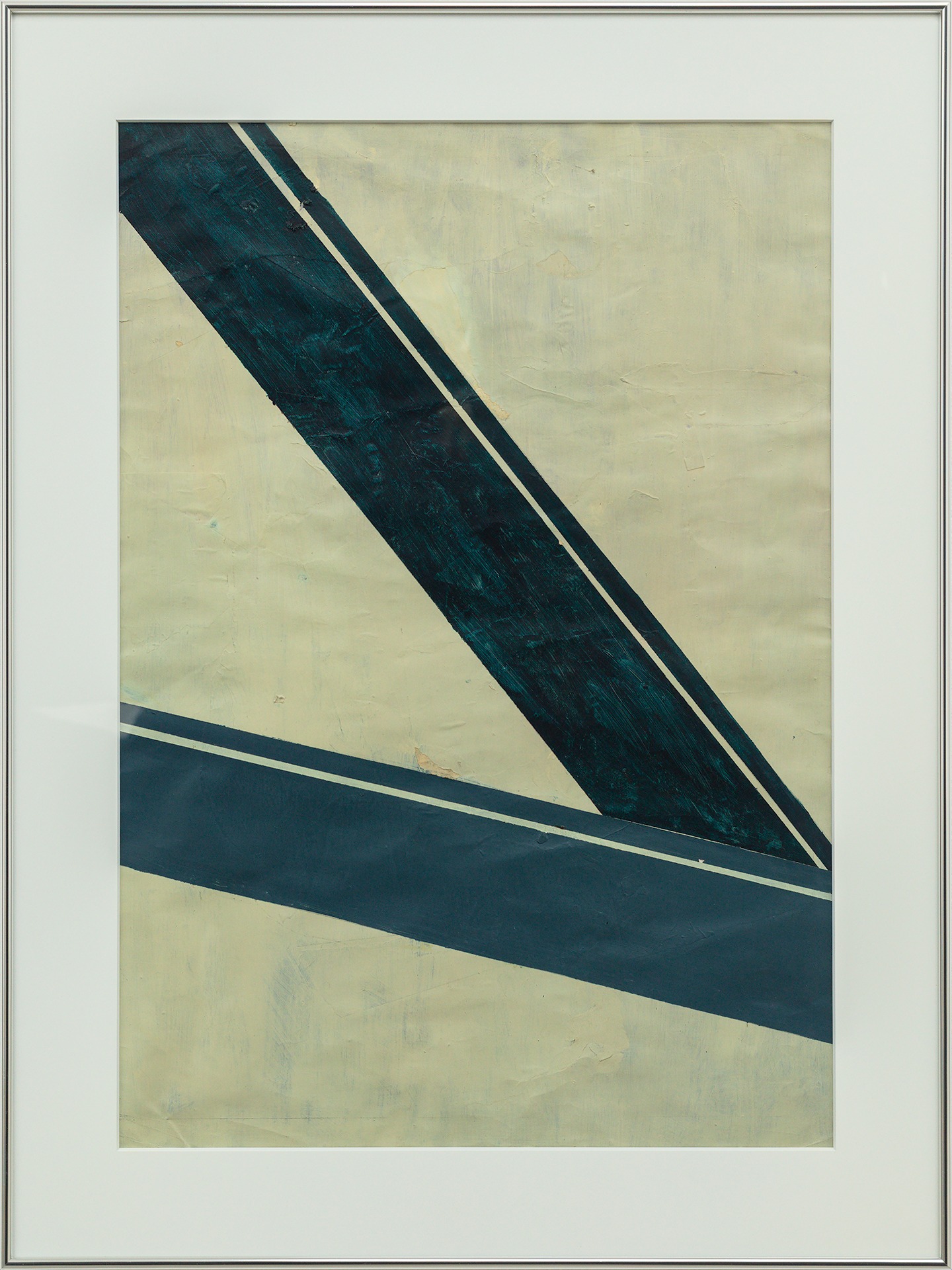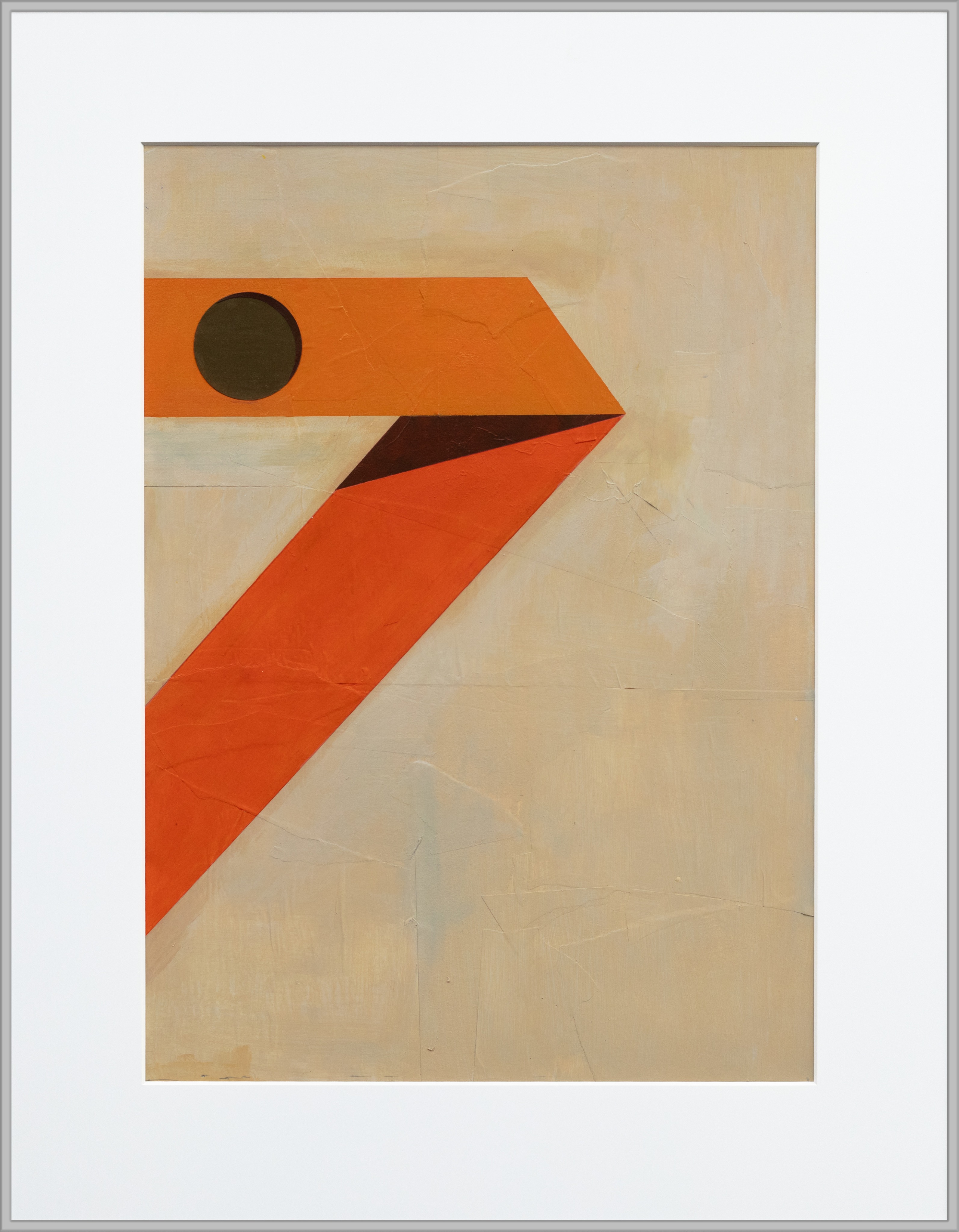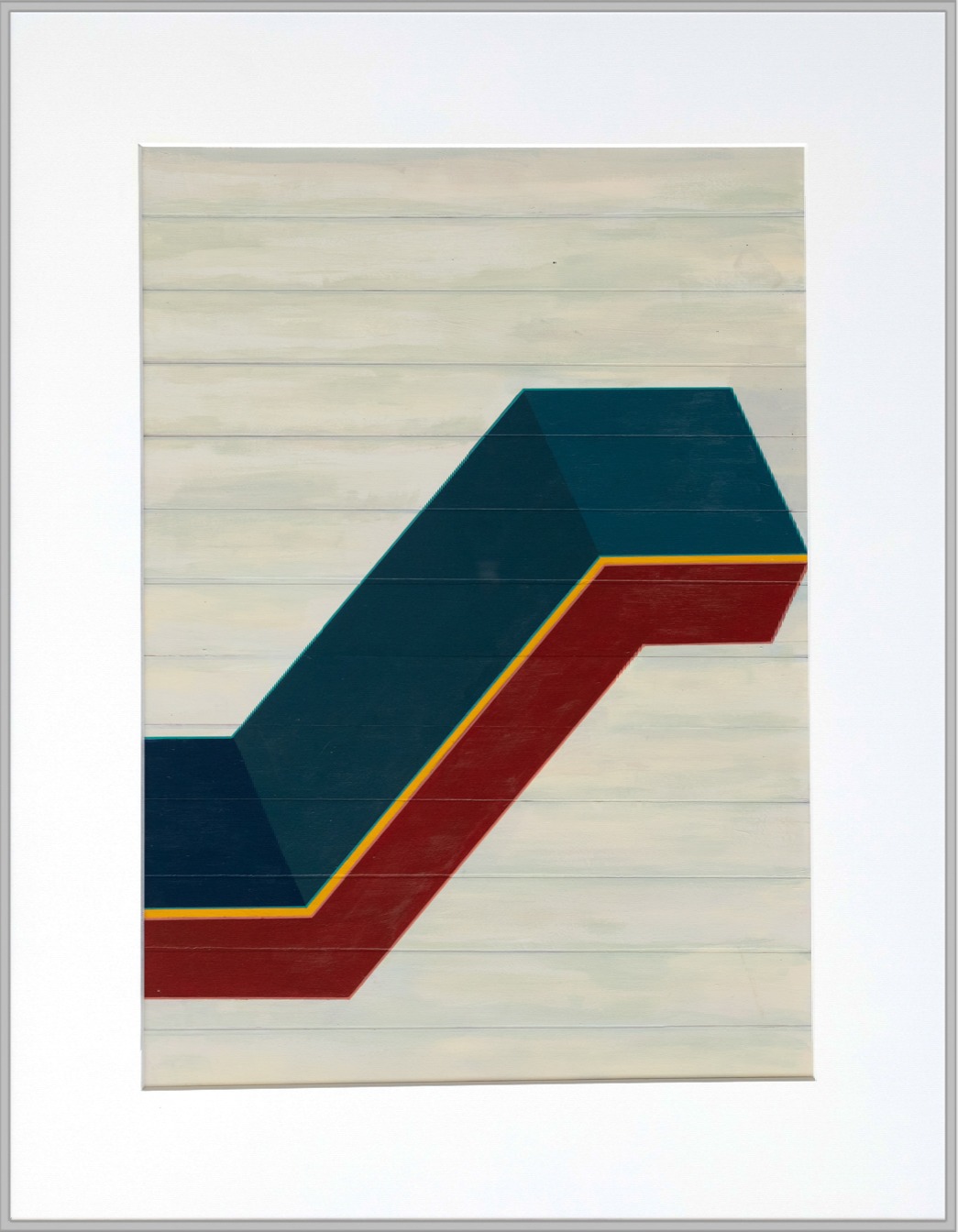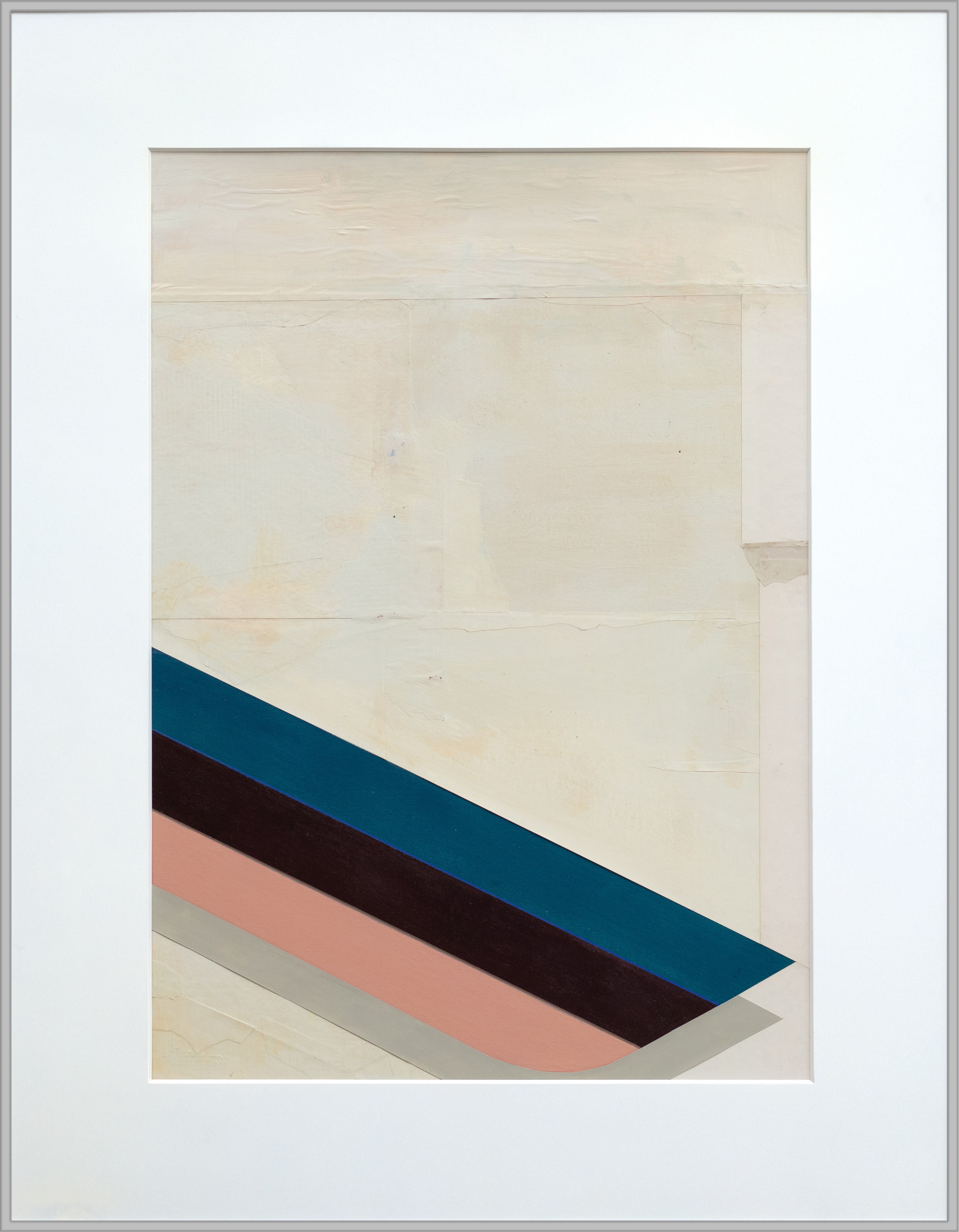
sign, signal, shadow
Gary-Ross Pastrana
Silverlens, Manila
About

In attempting to define collage over the years, Gary-Ross Pastrana has fortuitously stumbled upon the evolution of his own practice. The result has become a clear indication of not just forms and images being developed but a kind of language in its own right—his own. One that is communicated through the act of cutting and pasting pieces of paper and, in some cases, a return to painting—either combined with his collage compositions or purely on canvas.
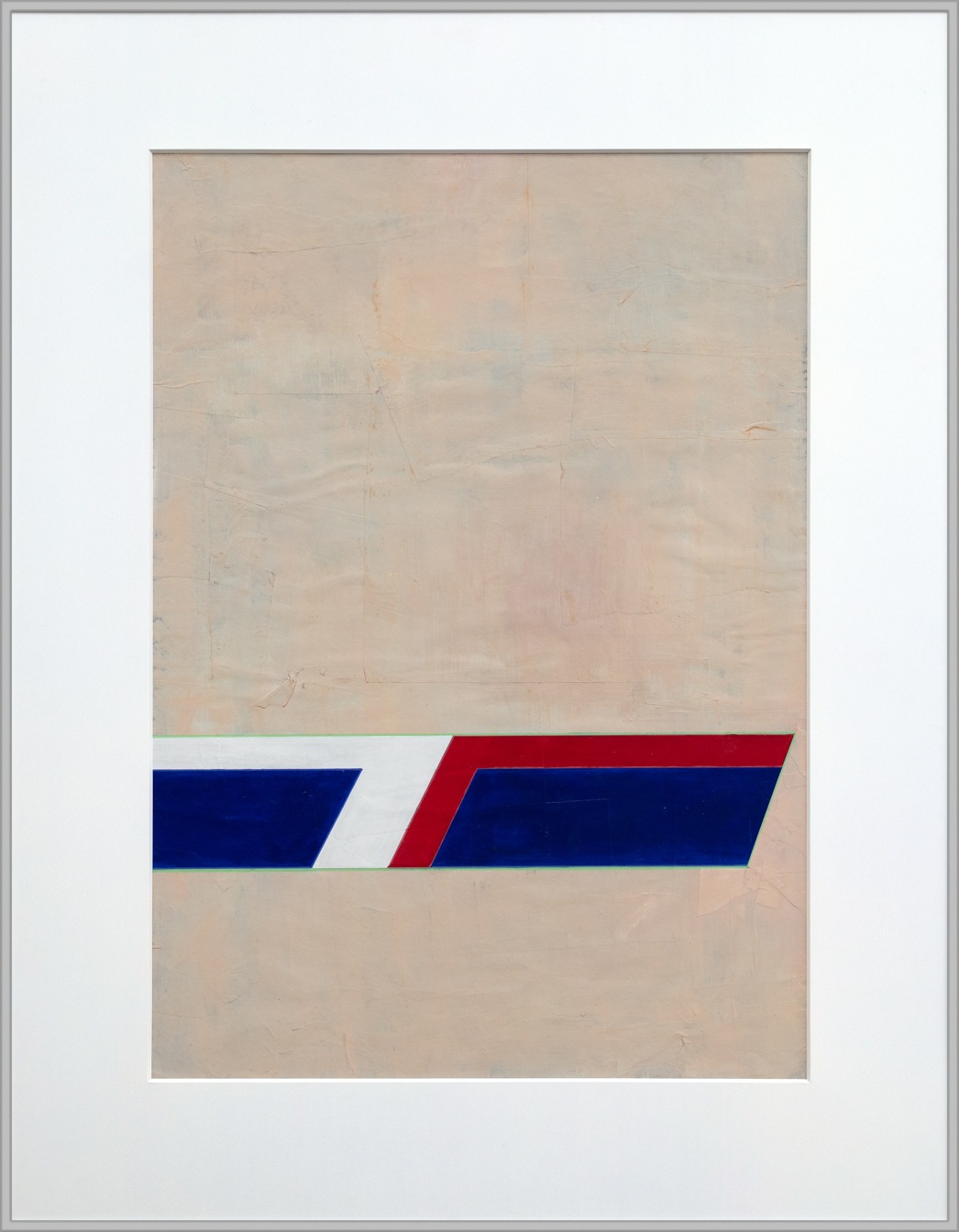
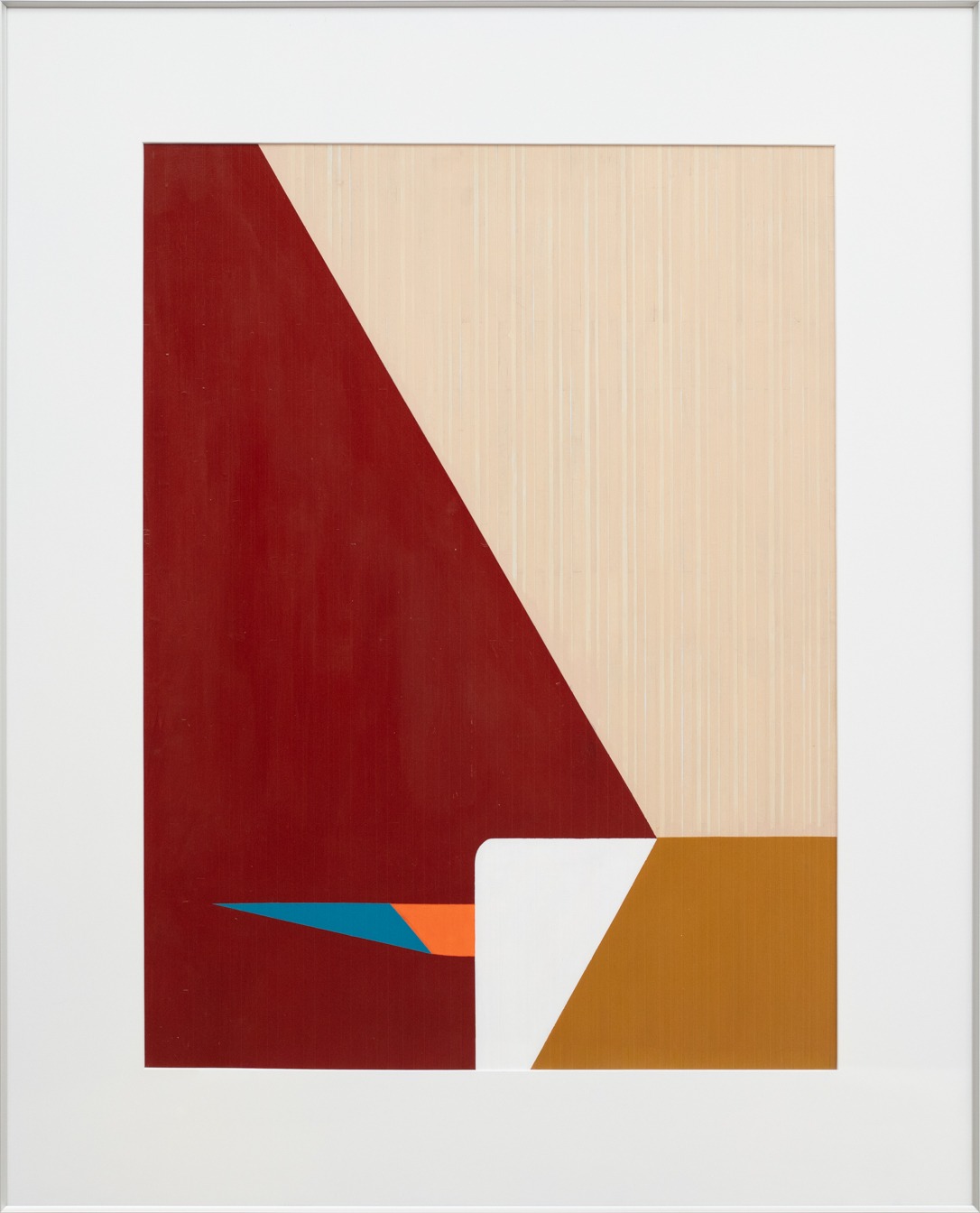
In this latest exhibition he calls sign, signal, shadow, he forays deeper into the language collage has created for him in an attempt to seek out what is primal: where it could fundamentally start as a symbol or ‘logos’ before it could possibly speak of something more explicit or determinate. It is, after all, for Pastrana, the beginning of all utterances, of latent sign systems—the attempt to signify something without anything yet definitive to communicate.
But apart from the symbolic and constructivist nature of the exhibition, the collection of works also speak decisively about Pastrana’s commitment to exploring the art of collage. And for whatever kind of language is articulated through the presumed straightforwardness of images and compositions, we could derive from them the different stages through which Gary-Ross Pastrana developed his vision, while reflecting on the show’s own logocentric nature: that although collage is constructed through fragments, everything was once derived from a single thought.
The exhibition takes shape in three strains that branch out from Pastrana’s visual language, namely: False Flags; sign, signal, shadow; and First Forms. Looking closely at these sections provides a deeper understanding of how different approaches give birth to different types of images.
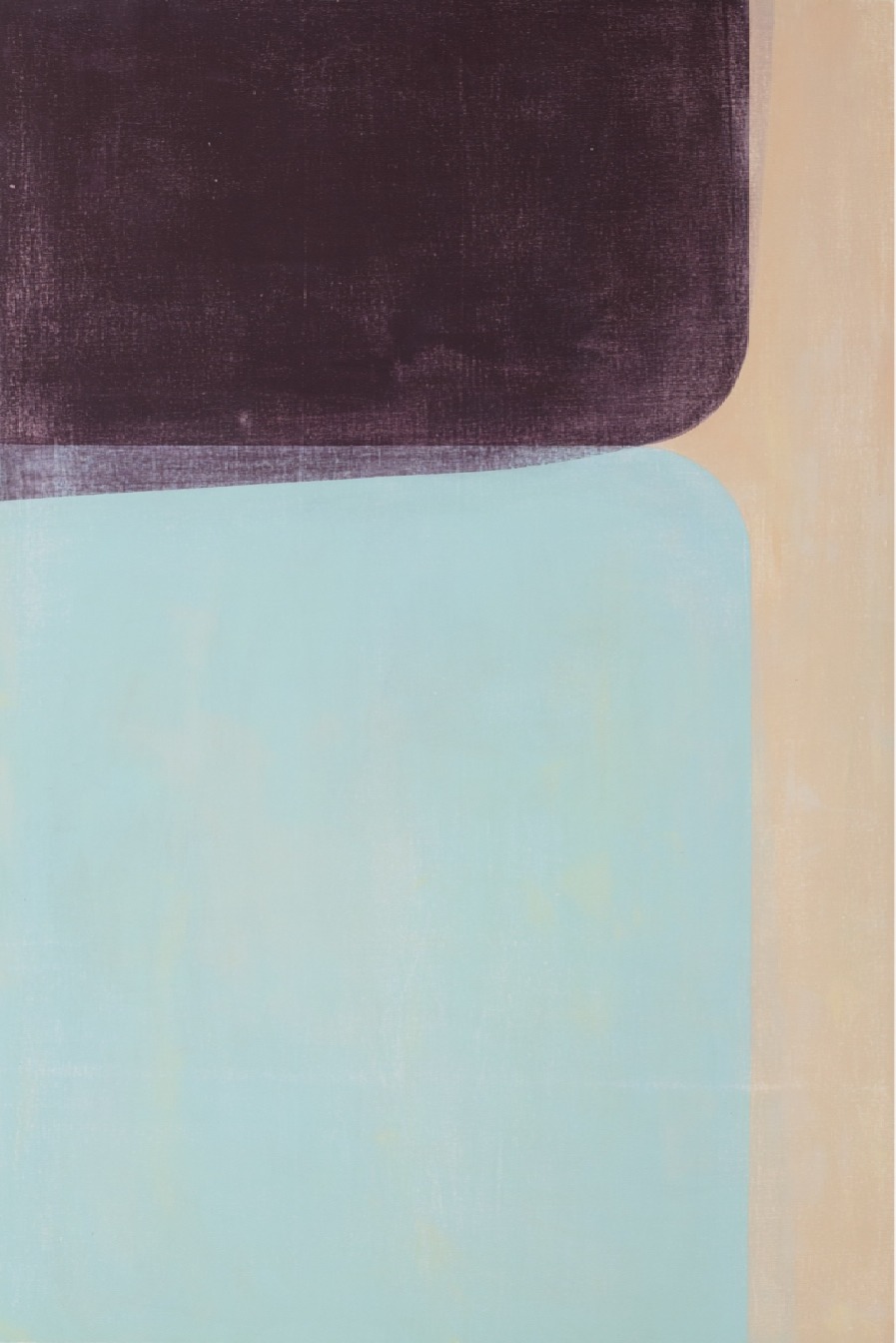
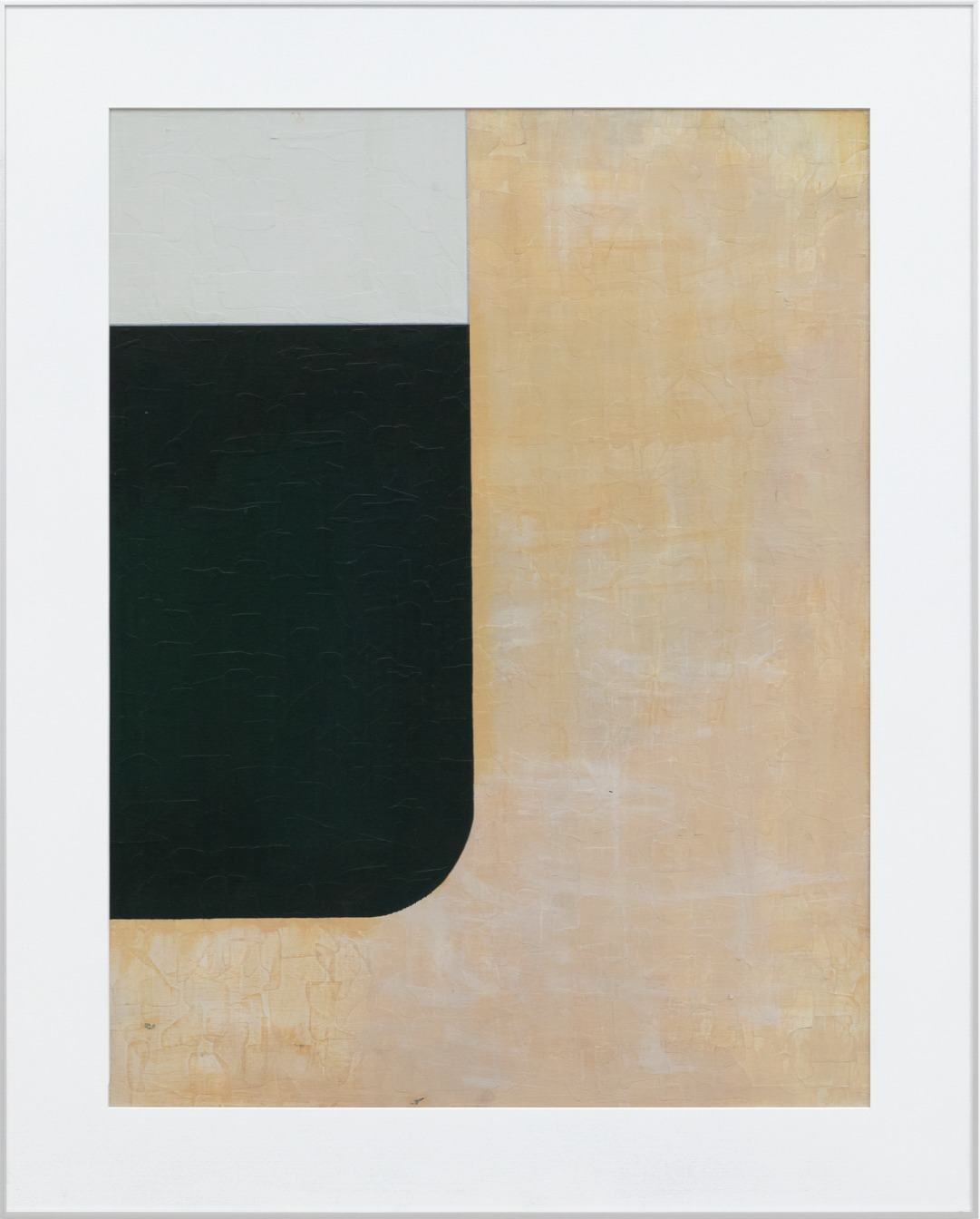
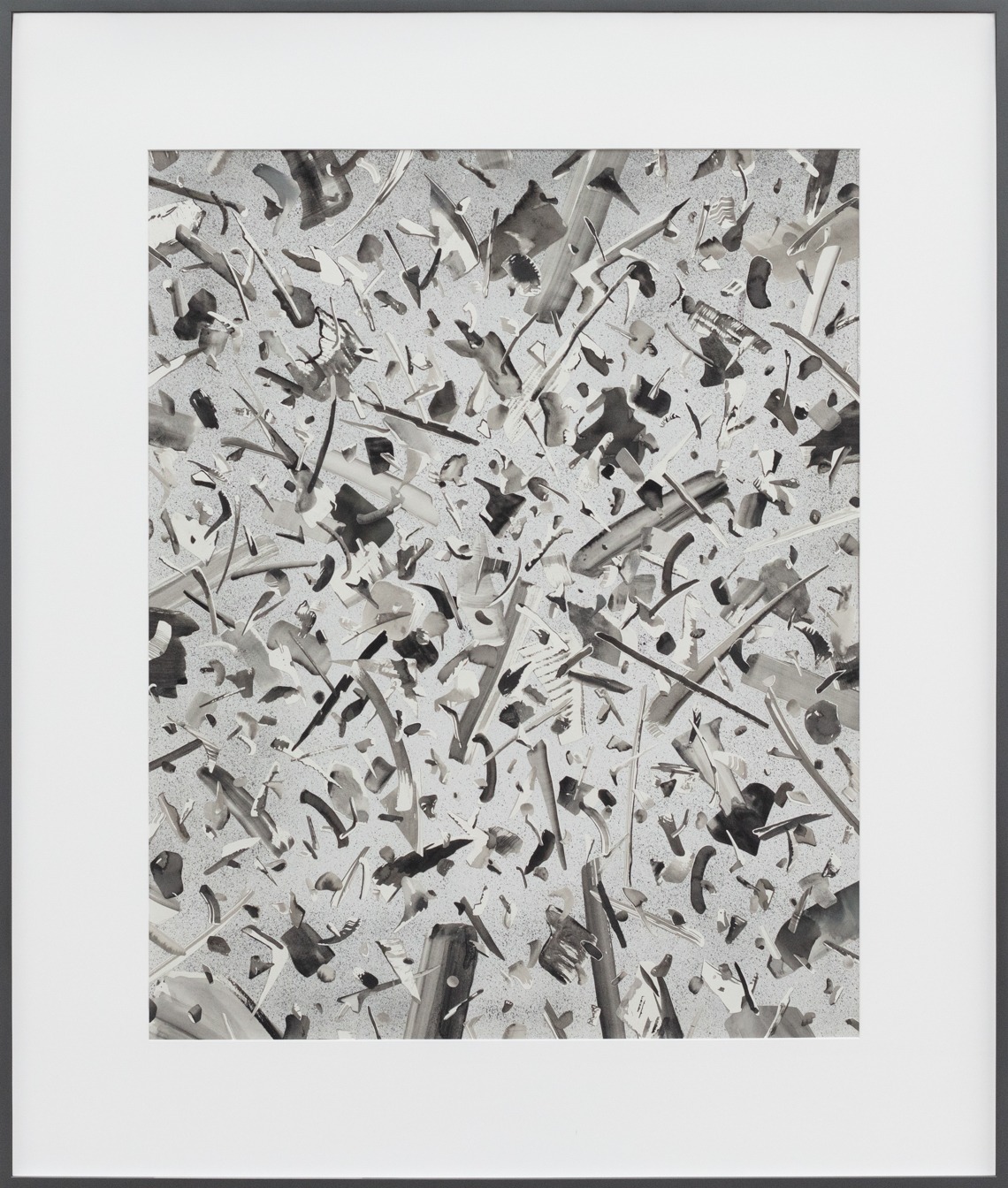
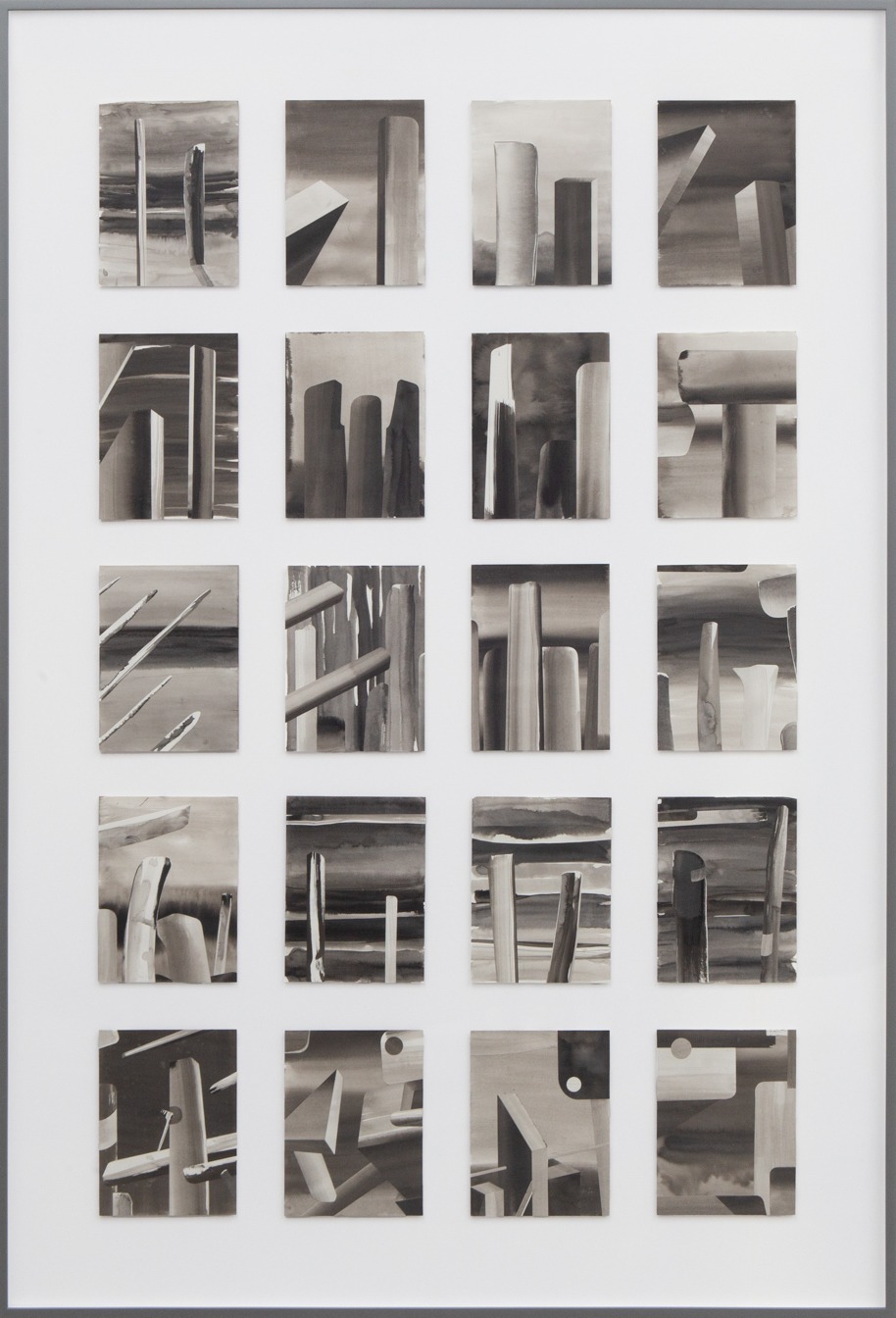
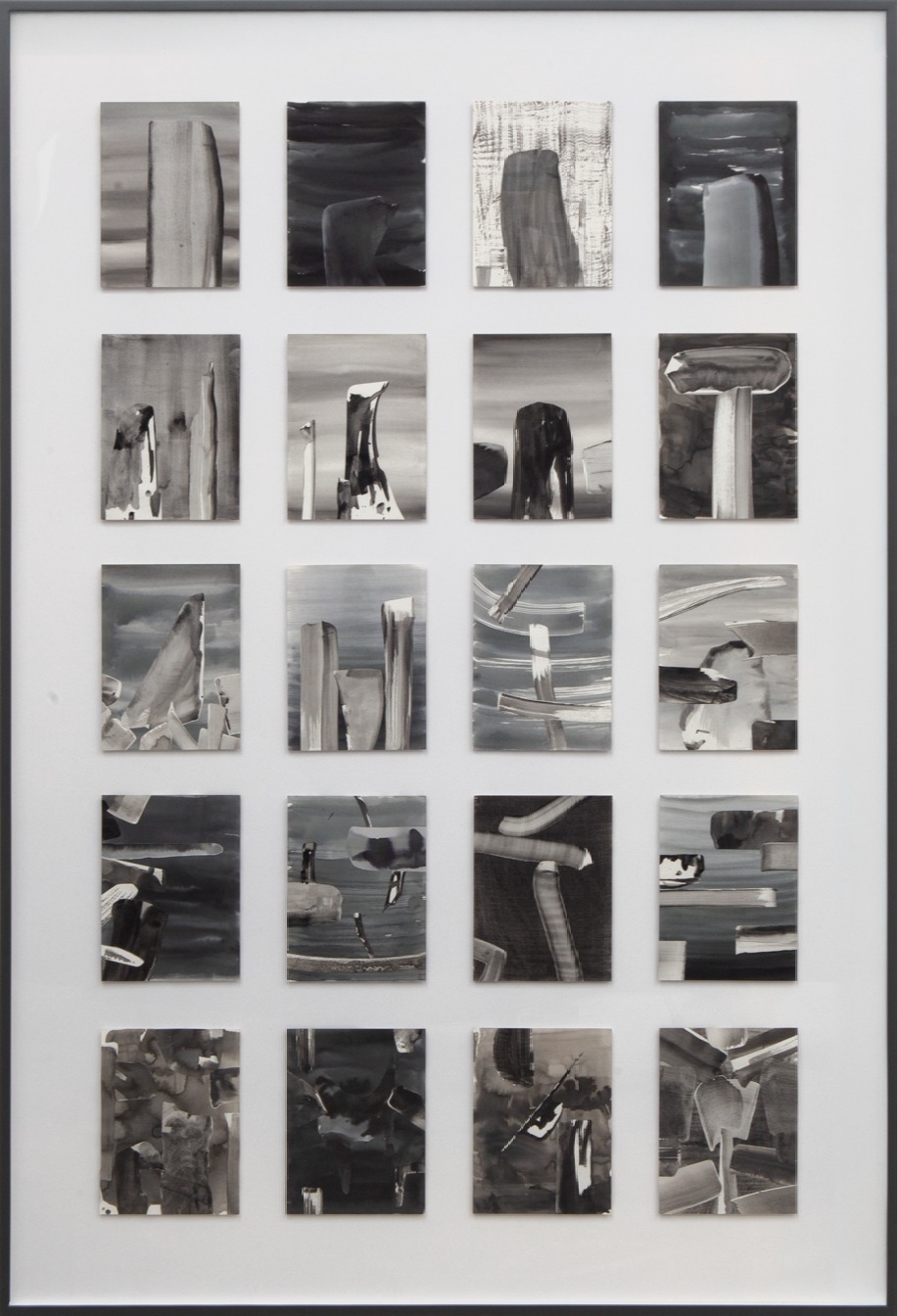
In First Forms, the series is almost exclusively monochromatic. These are collages that are cut from markings on paper using ink. If there seems to be a painted quality in these works, it is precisely because the process primarily begins with random gestures, creating variations of shades through the interaction of ink with water, before they are cut into pieces and are composed together. In this seemingly counterintuitive yet elaborate process—of drawing, dismantling, and then piecing together, Pastrana assigns the idea of collage as a fluid medium that occupies the concepts of both sketching and cutting. The overall compositions are organic, loose, and more freeforming. And Pastrana attributes these to the first utterance, or to the primal stages of trying to communicate. There is a primitive quality to them—when the attempts to create signs and symbols were still based on natural elements like stones, land formations, the sky, and water.
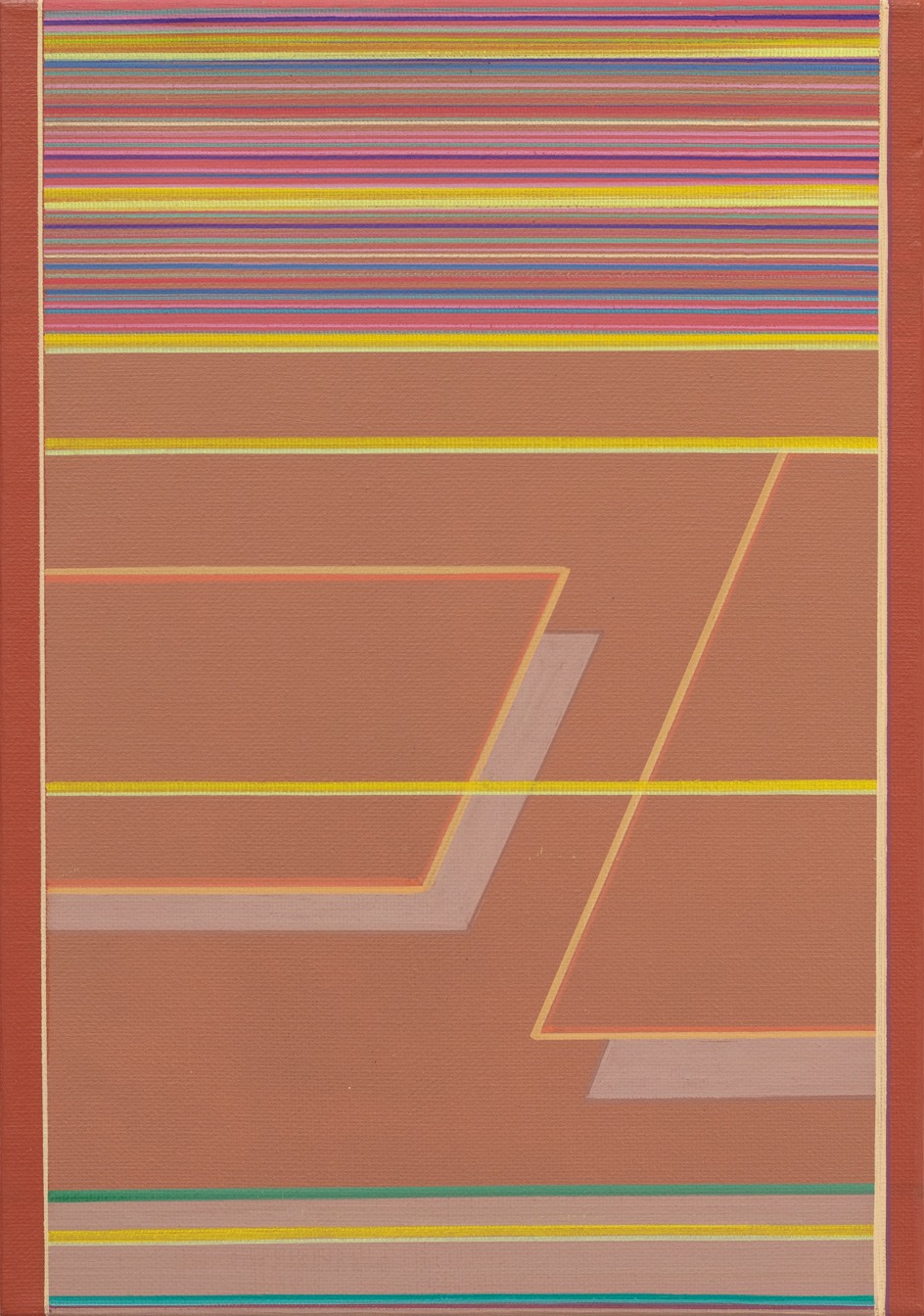
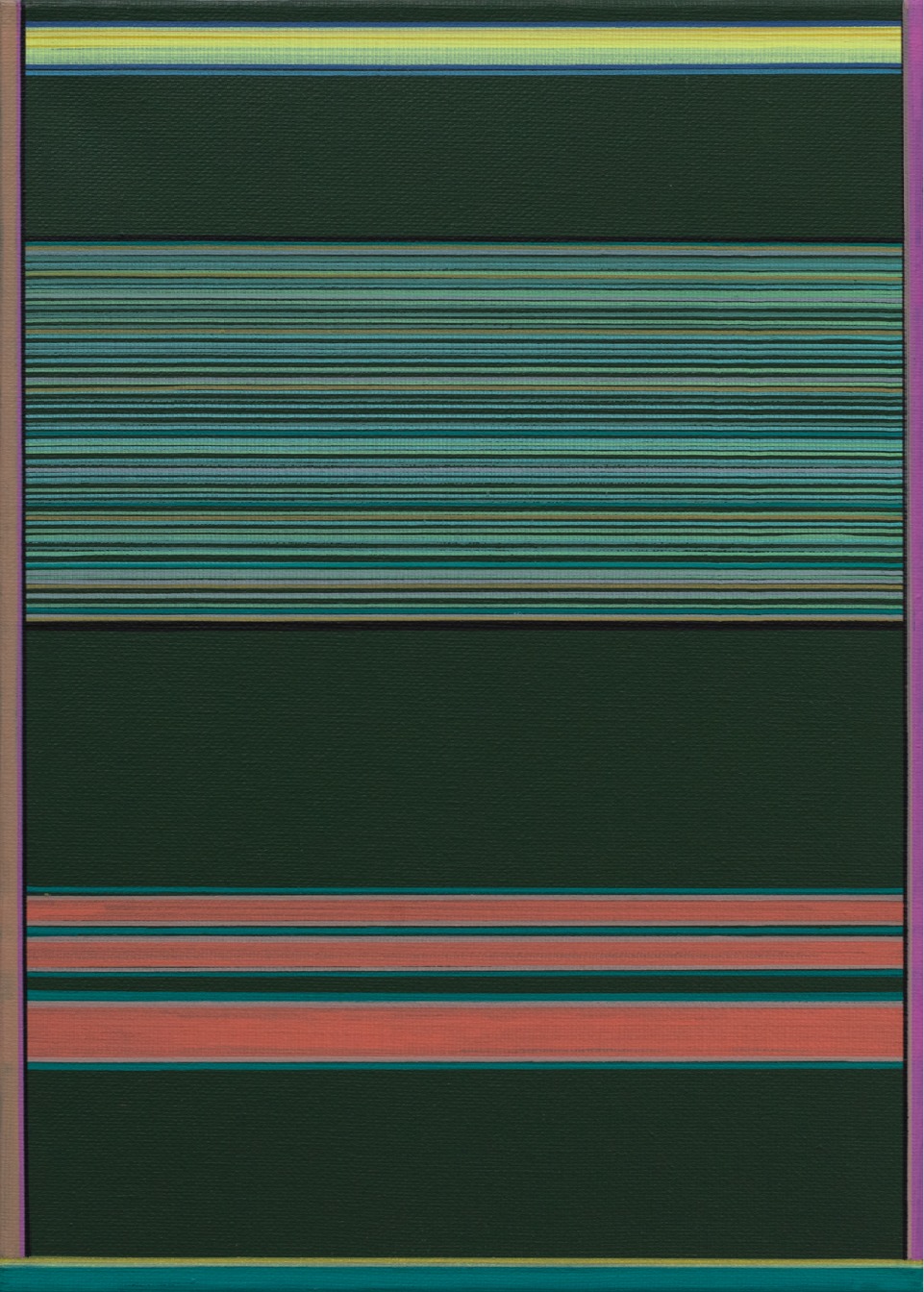
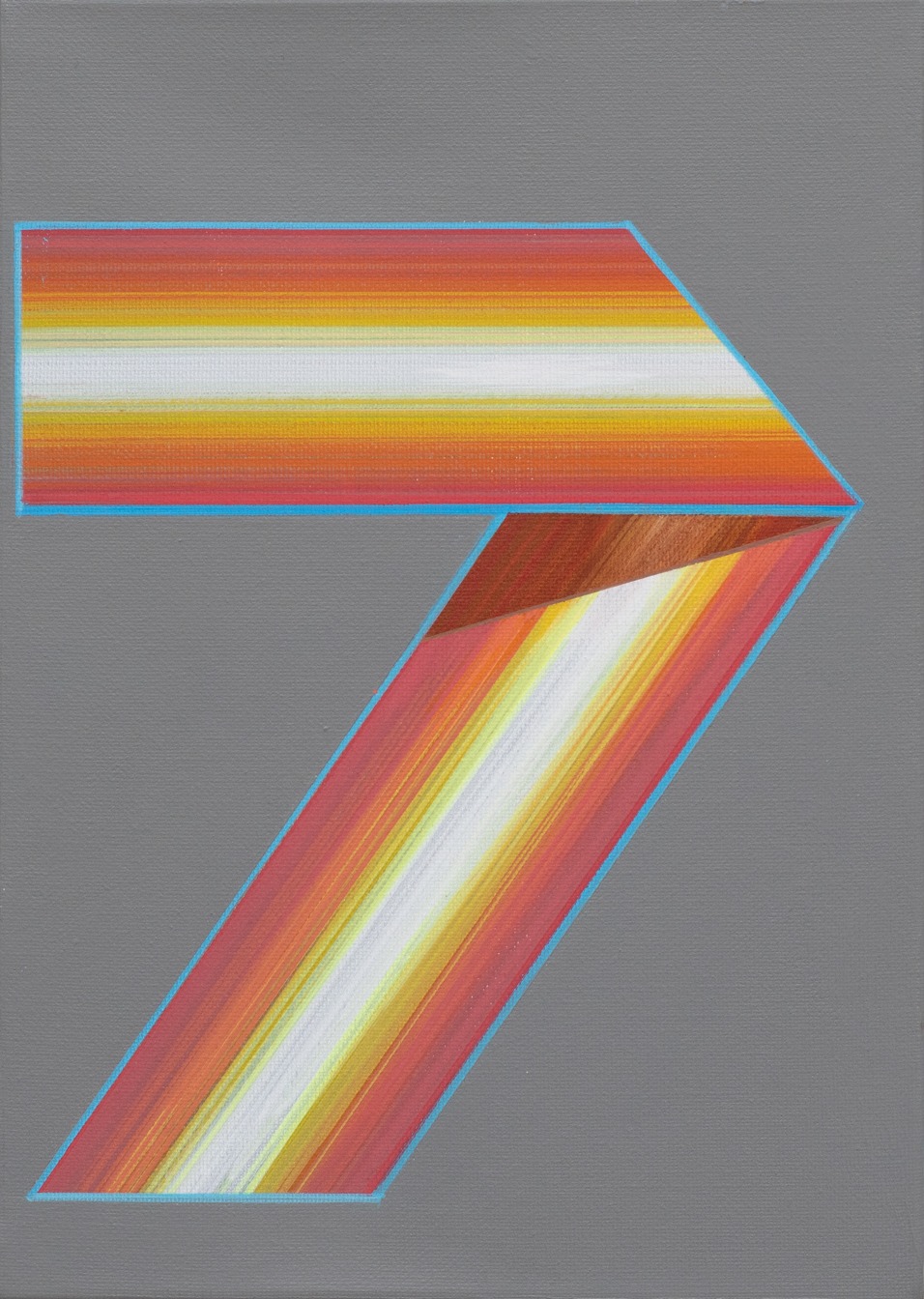
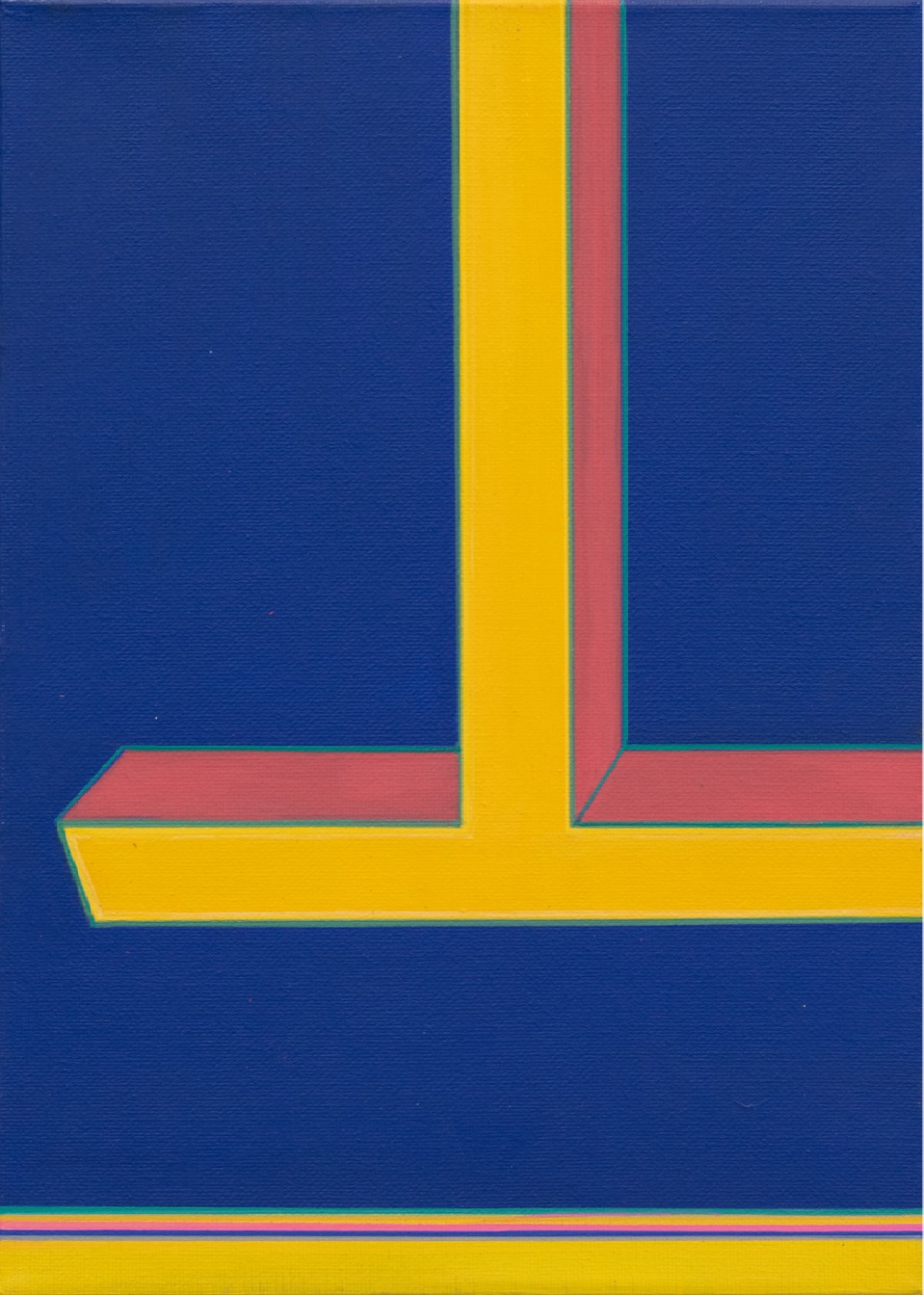
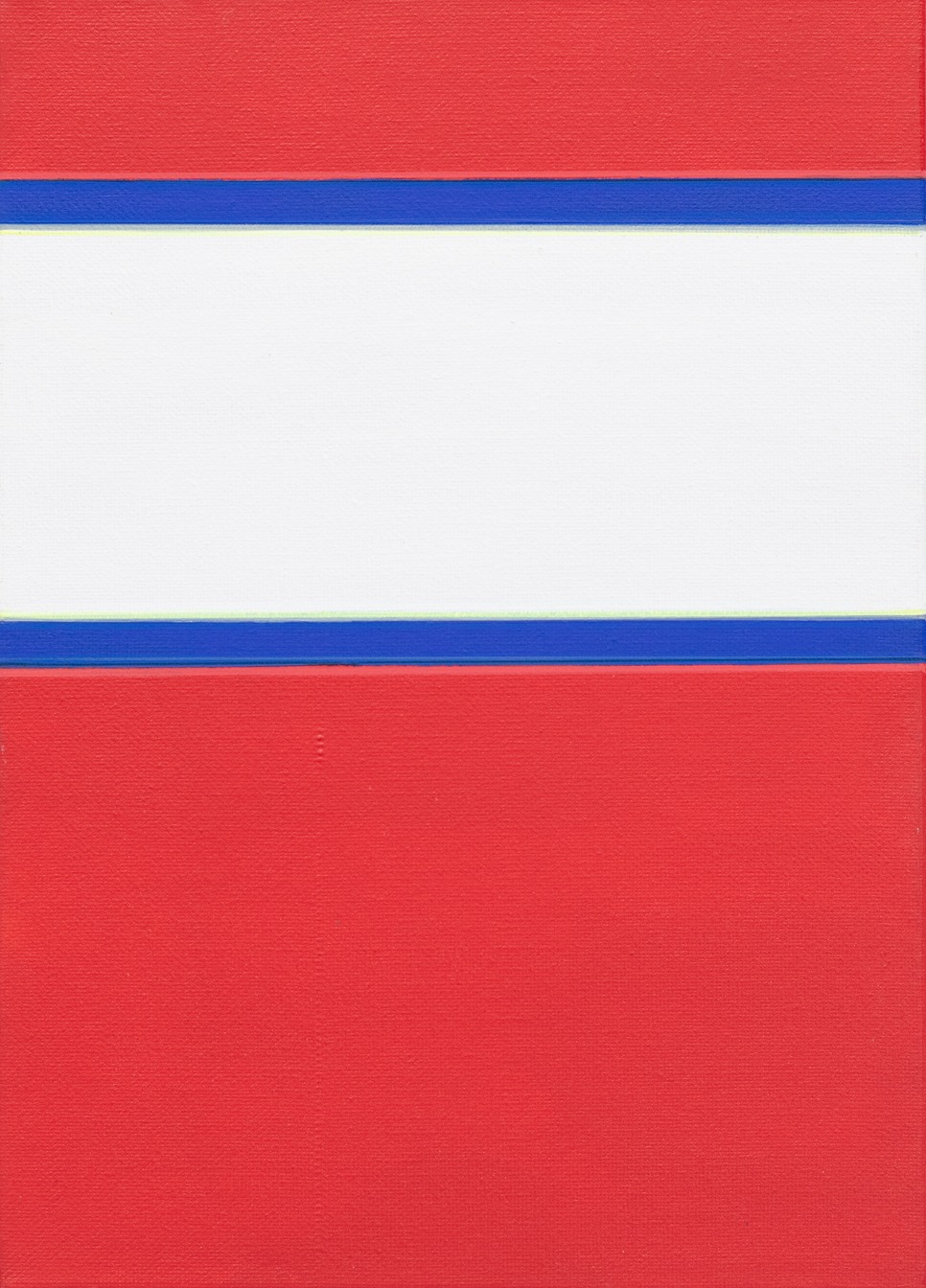
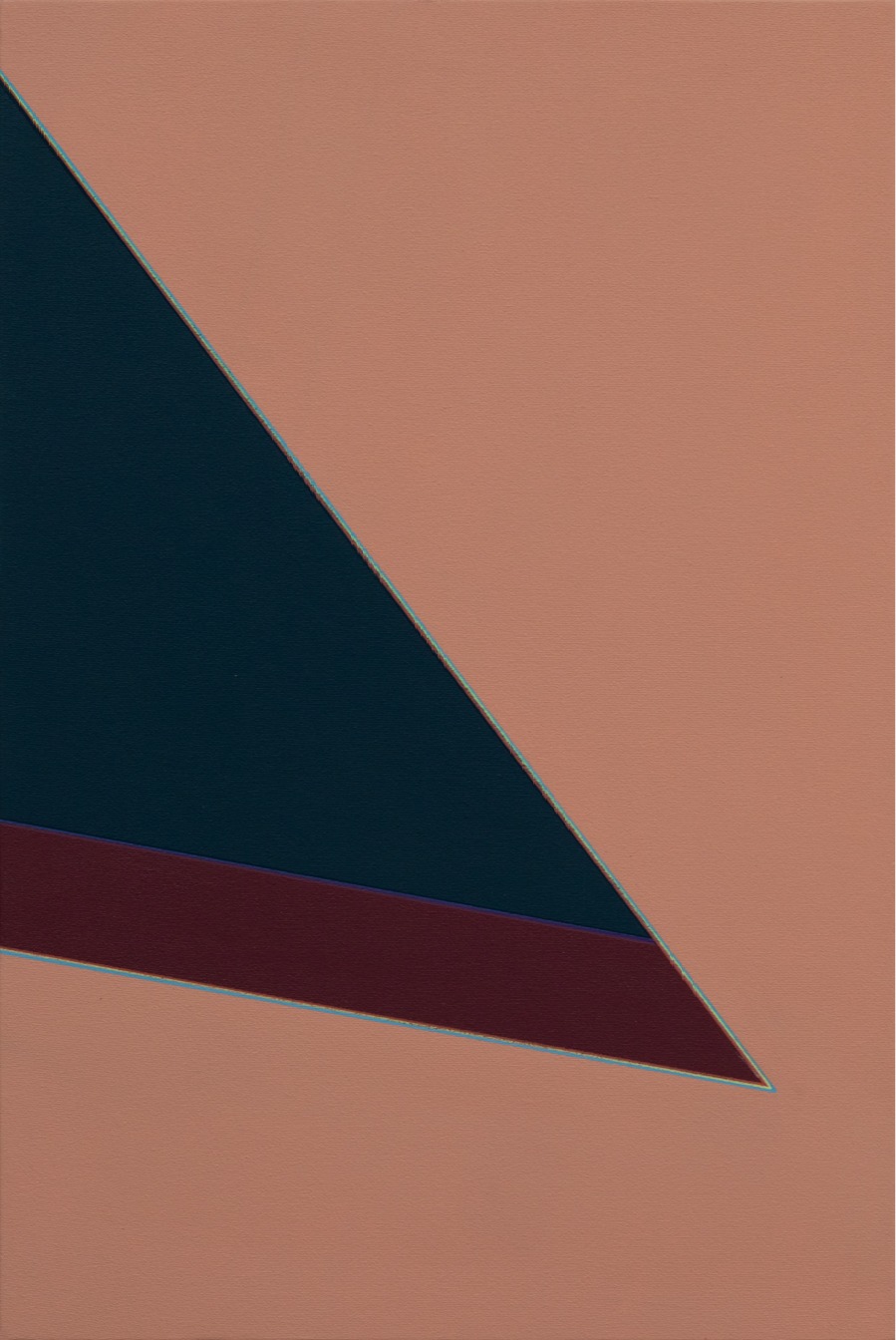
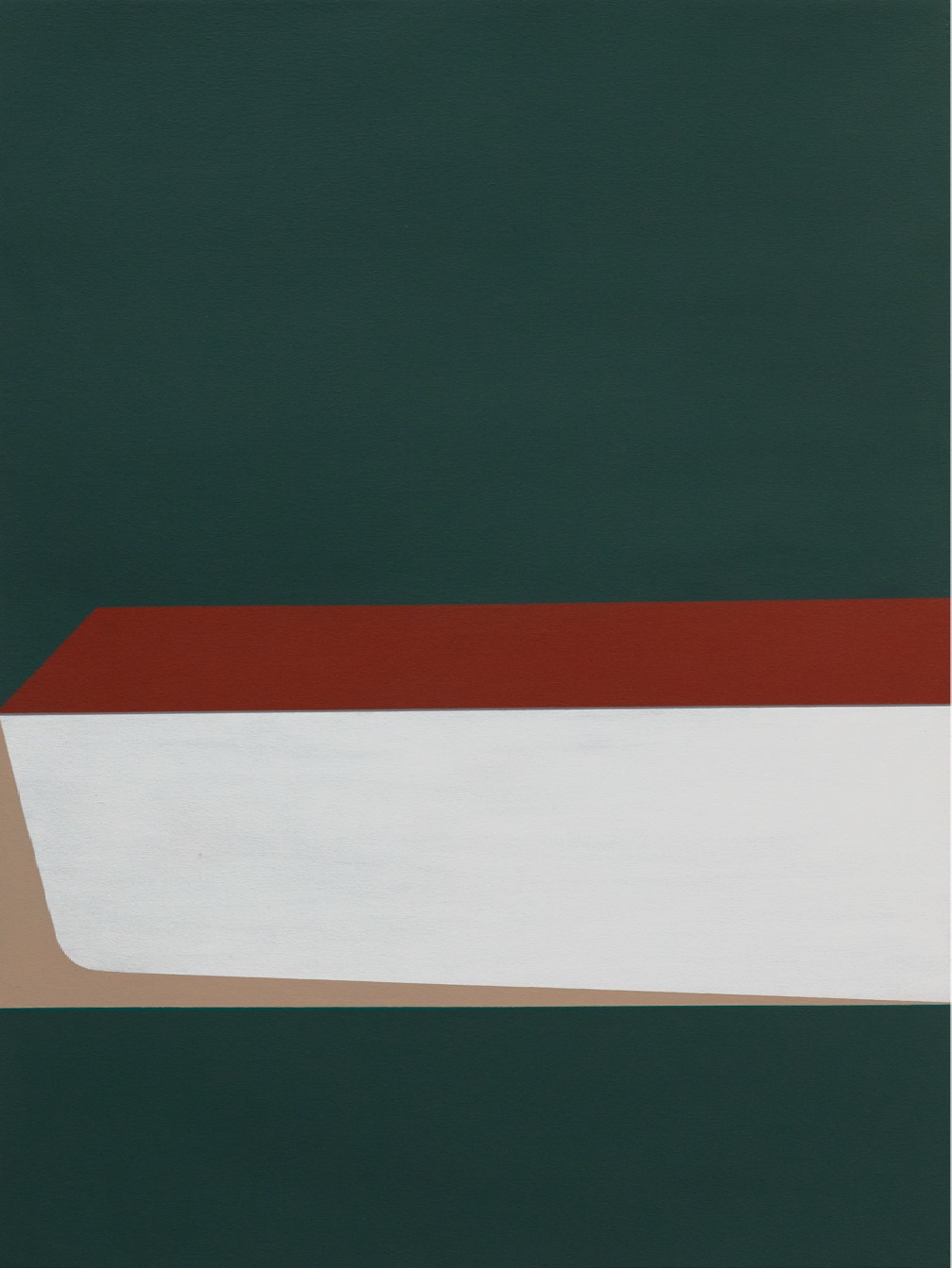
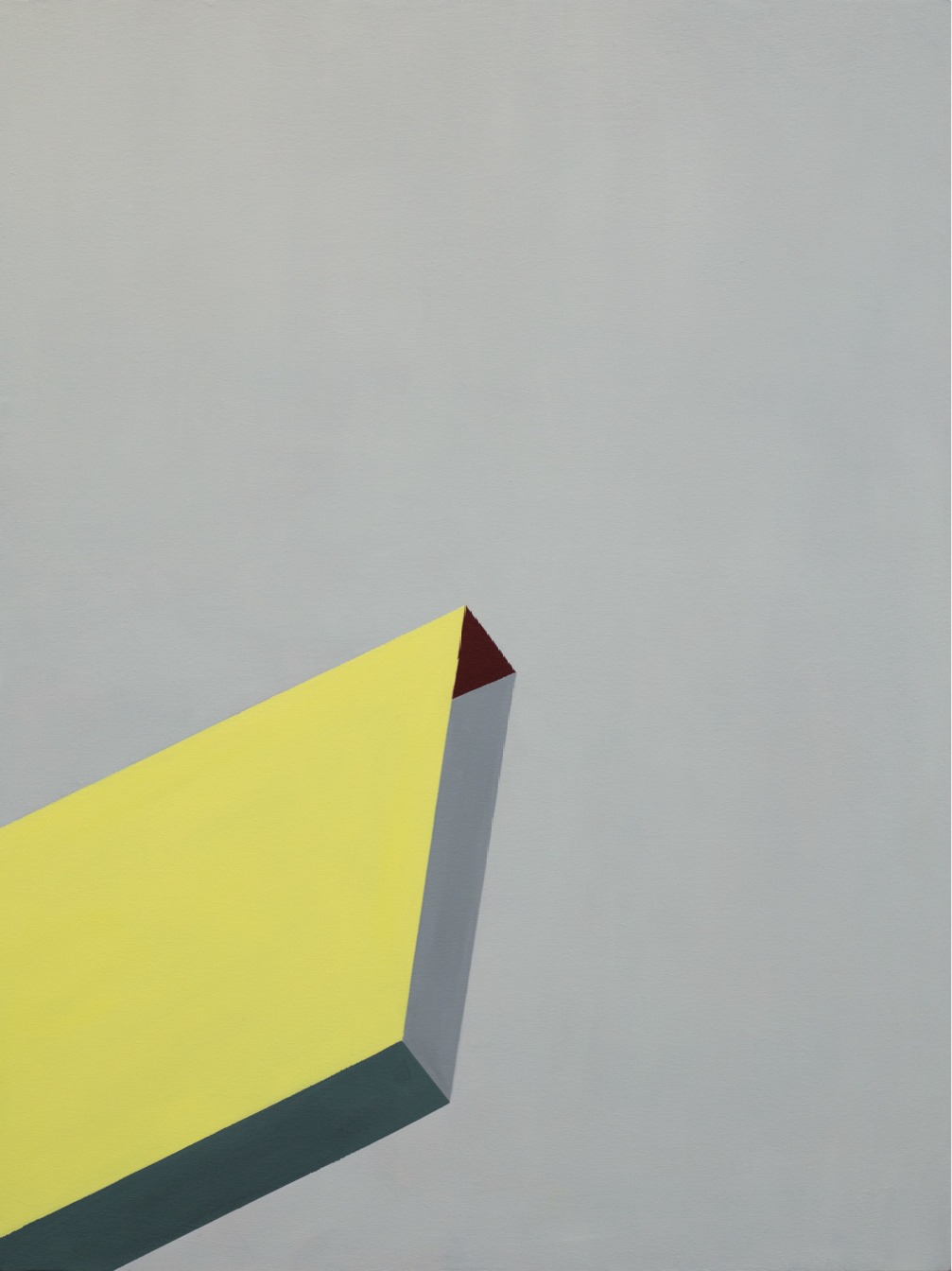
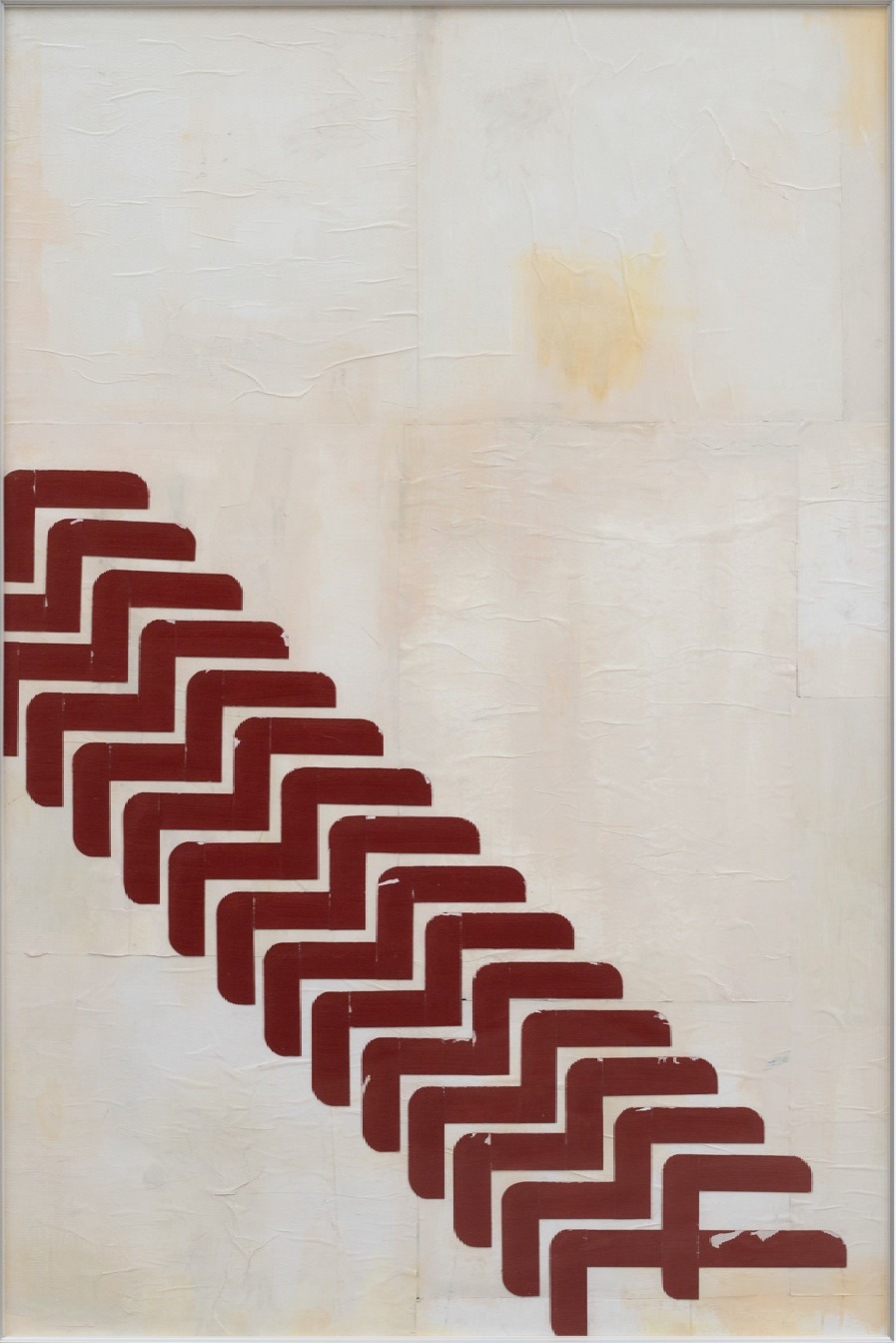
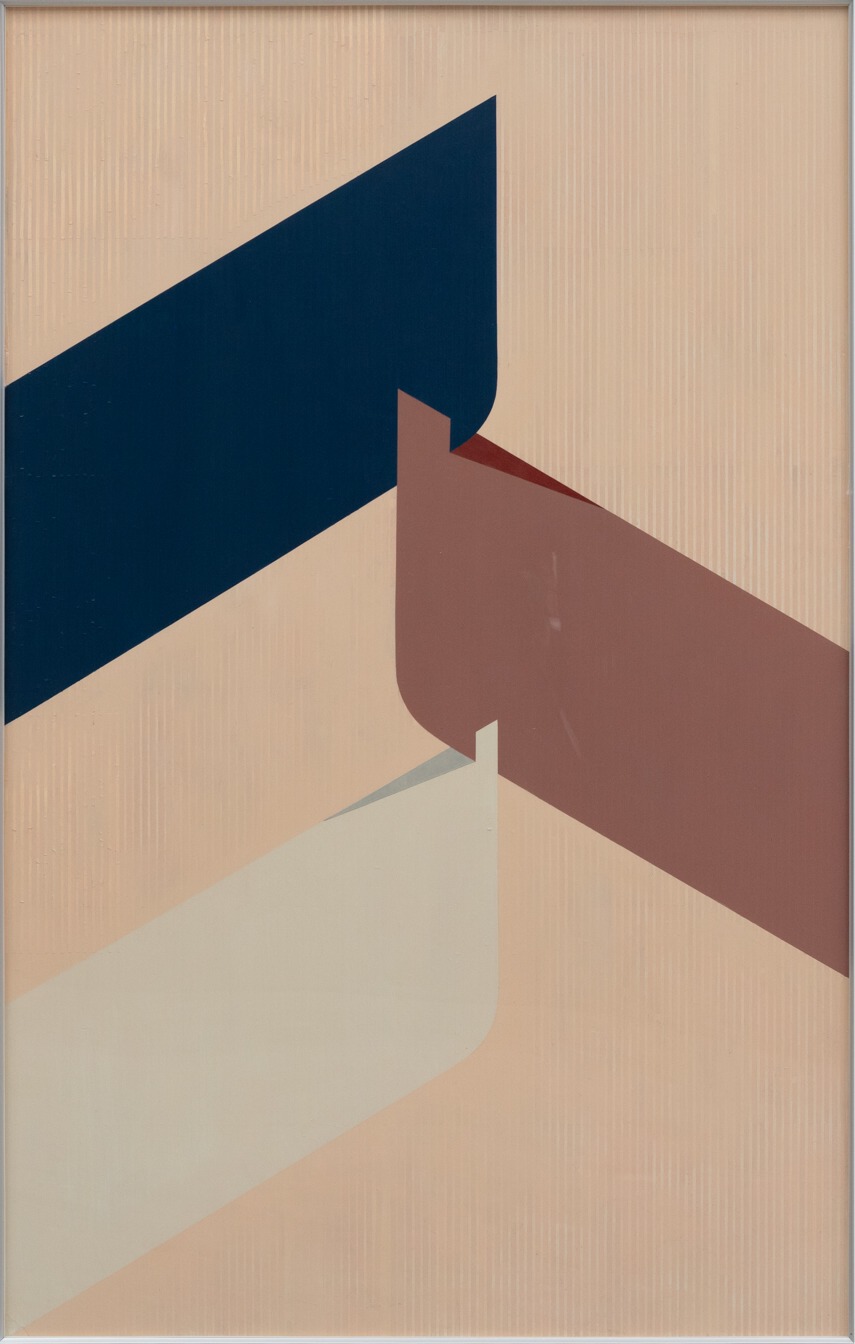
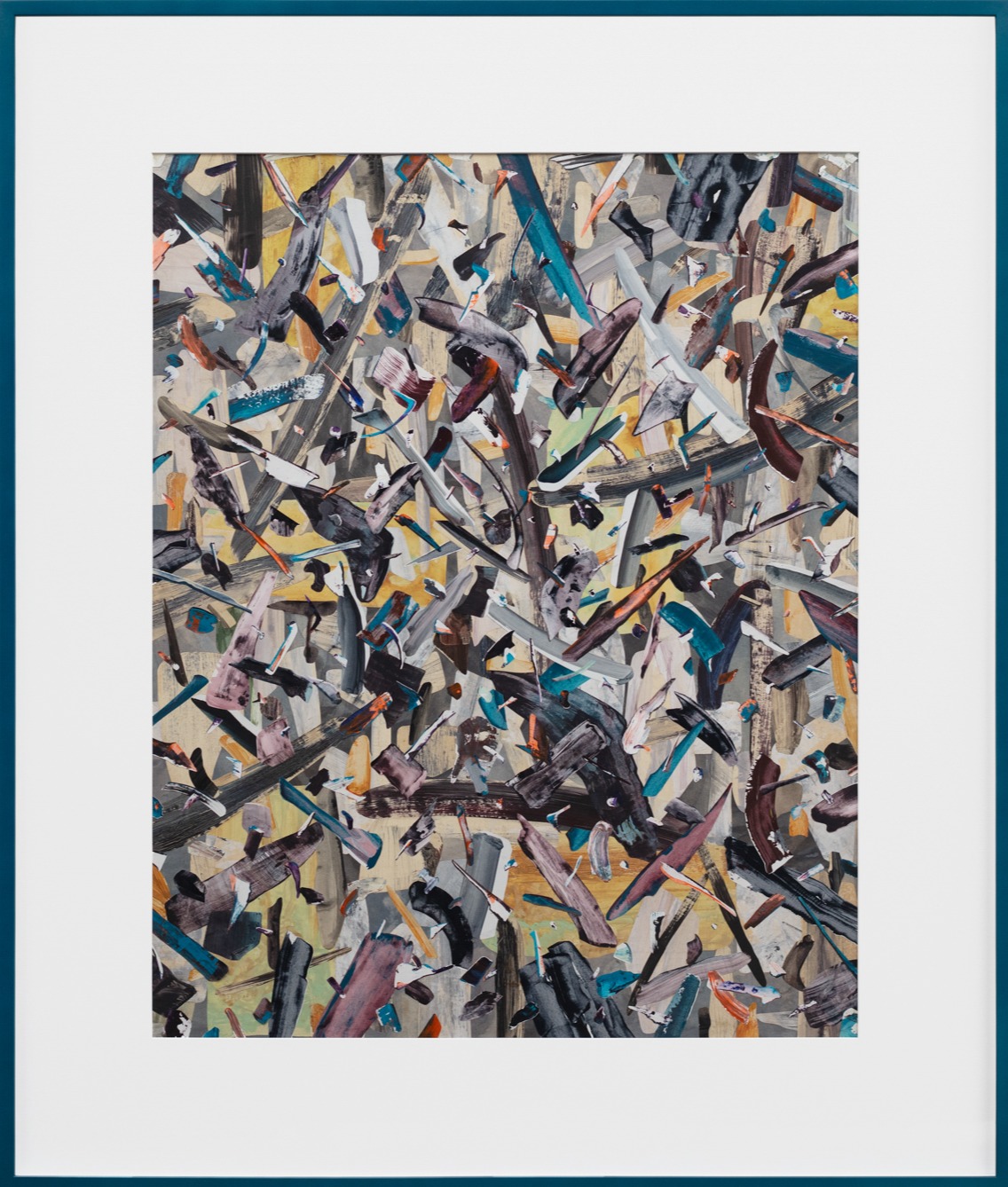
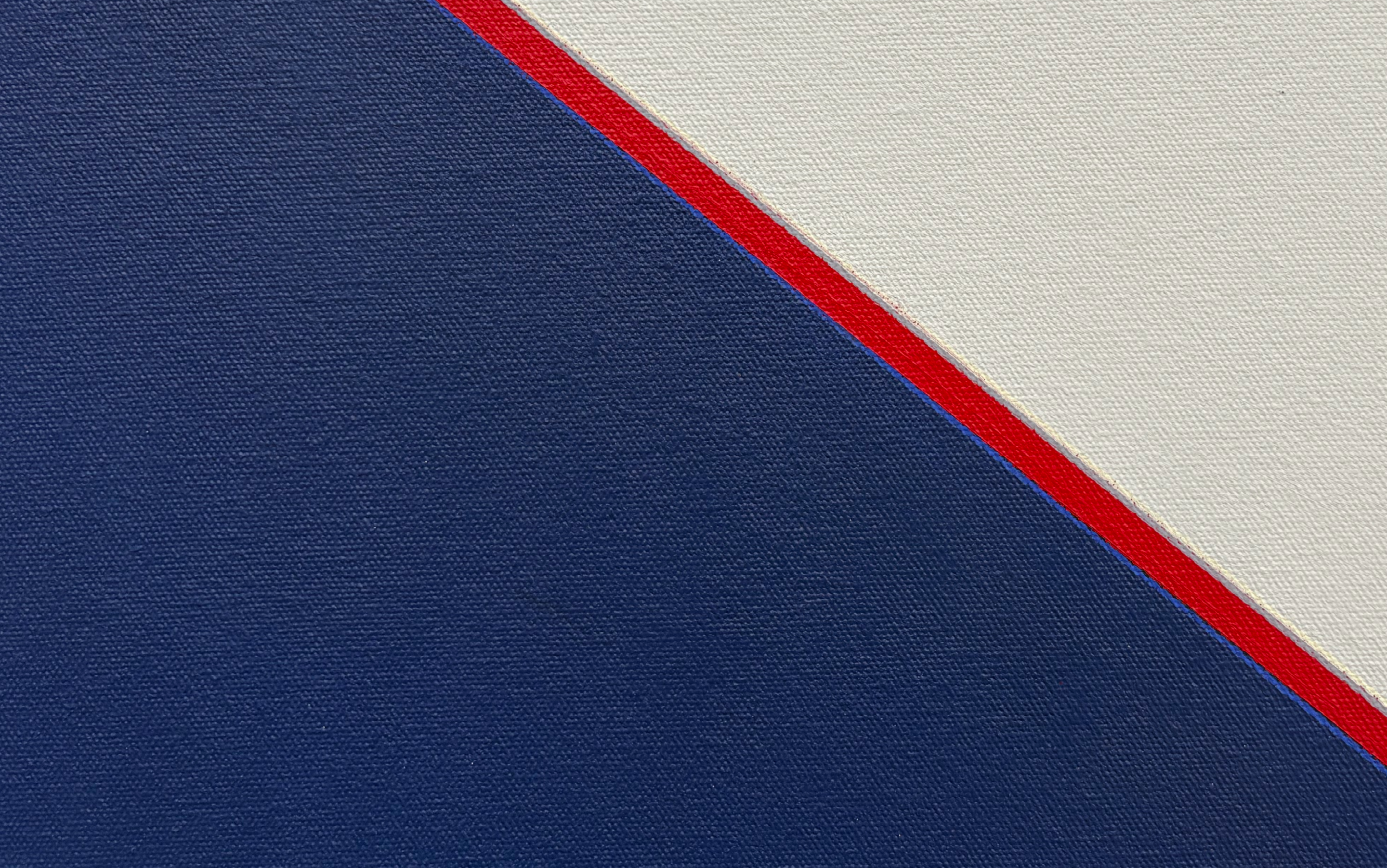
In False Flags, he returns to the idea of pure painting, which goes as far back to the time when he was a student, during some of his art residencies, and other rare occasions while ruminating on the medium. But the distinct language is still there while shifting to acrylic paint on canvas. And in some of the paintings’ details, the combinations with collage are still present. In his return to the medium, we can sense that the artist is also looking for the primal modes of communication in a more modern context. He goes back to some of the fundamental ways a system of language or signs can develop in the present world—detecting some of their purest forms, so to speak, amidst the chaos of overabundance and overstimulation.
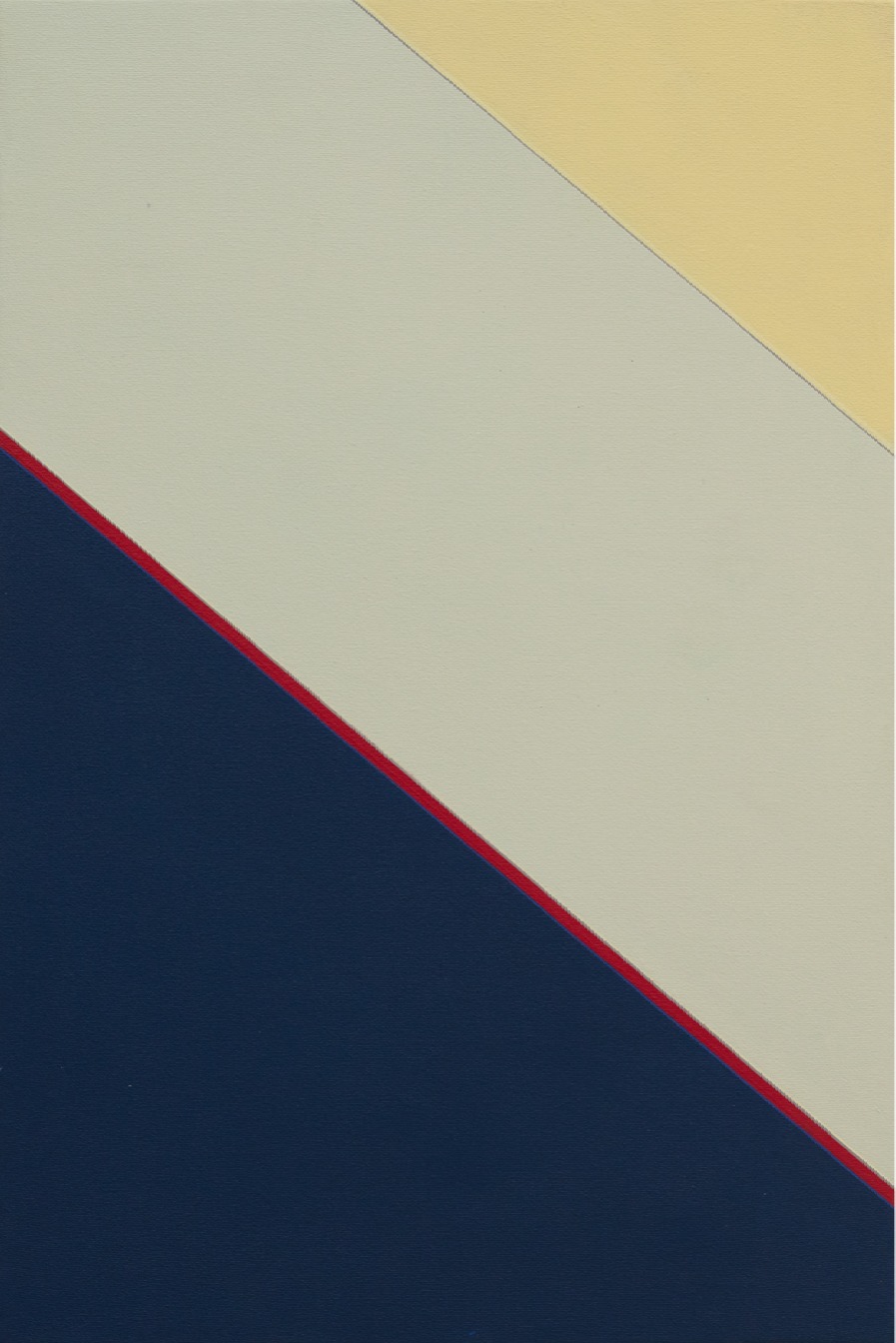
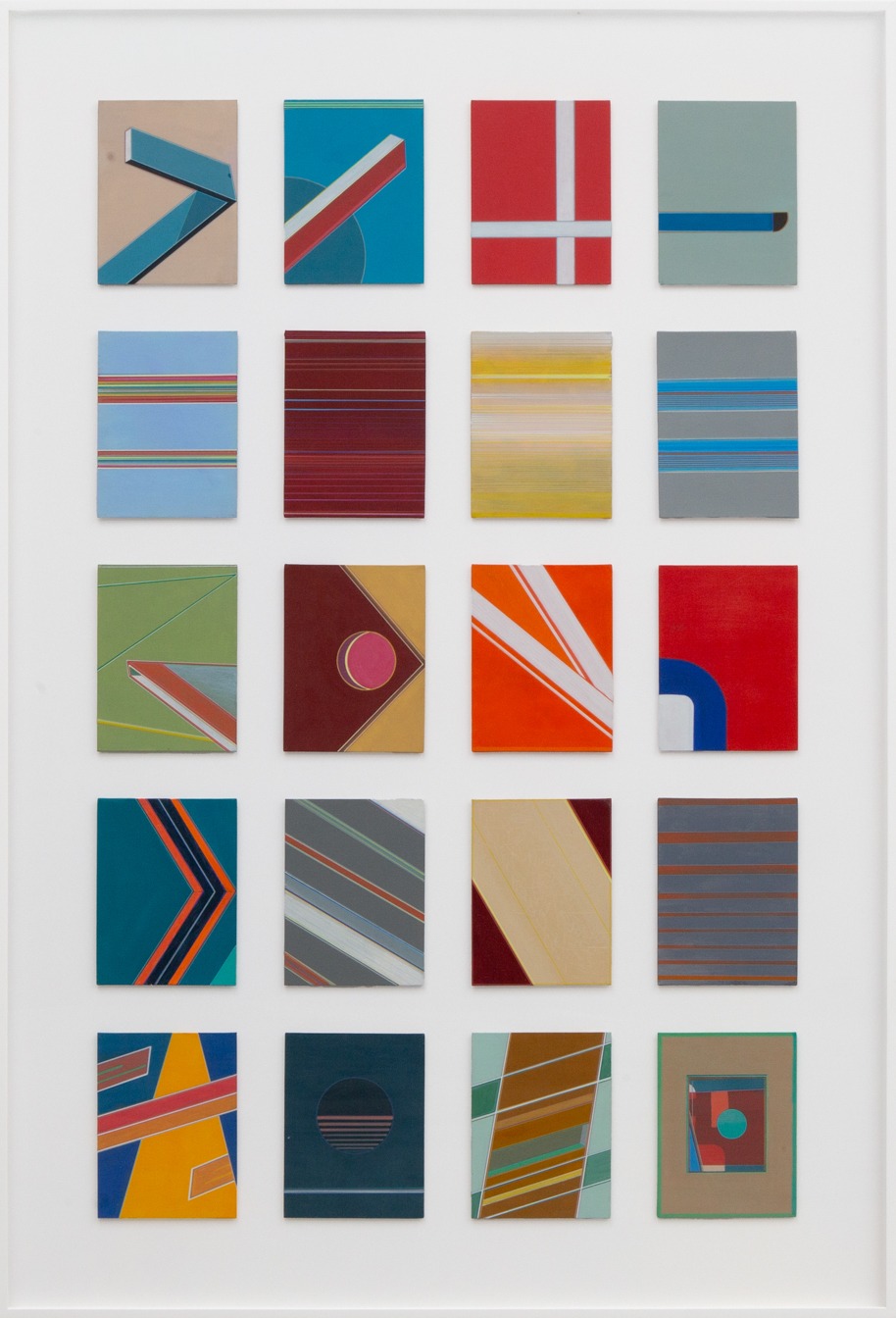
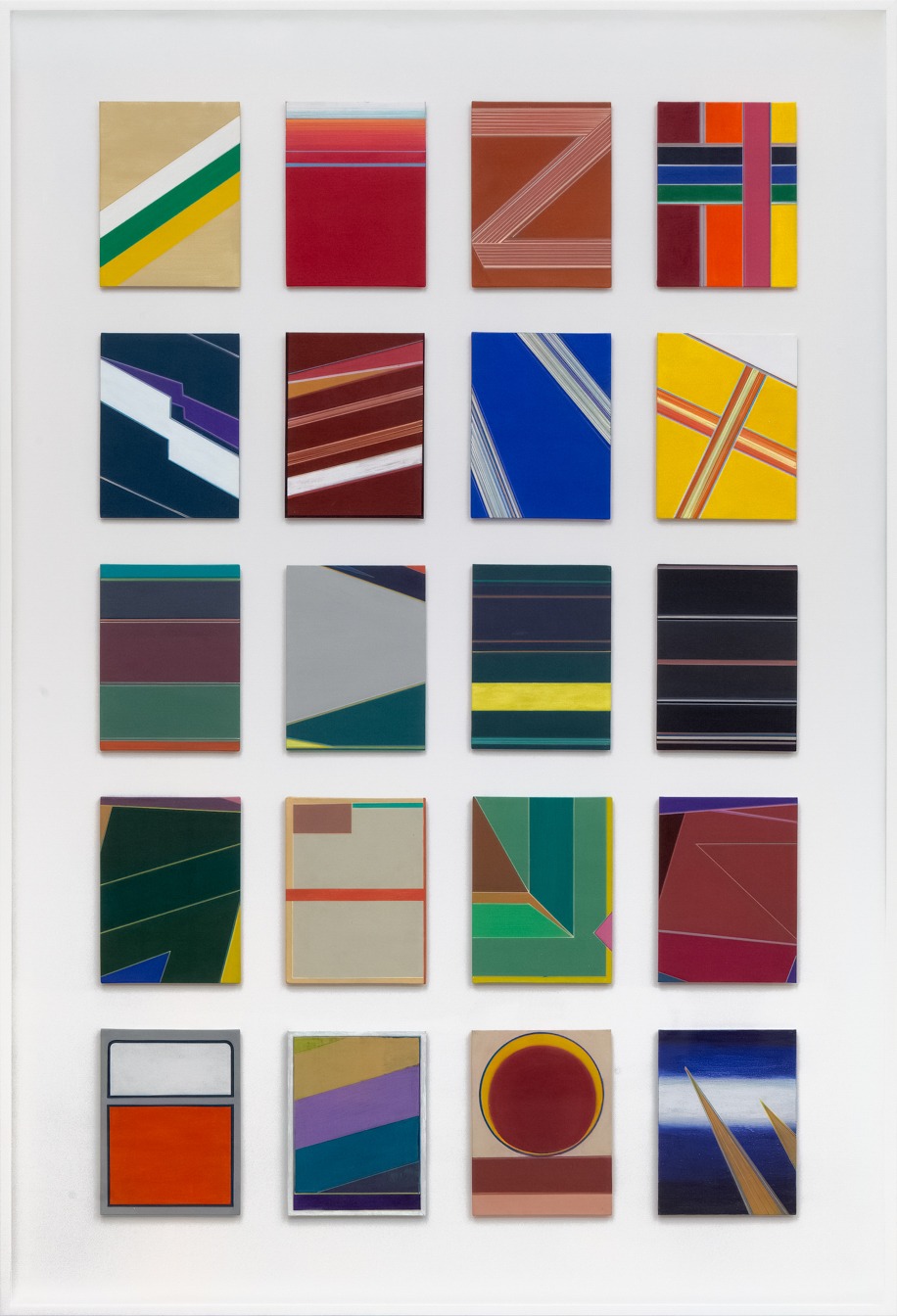
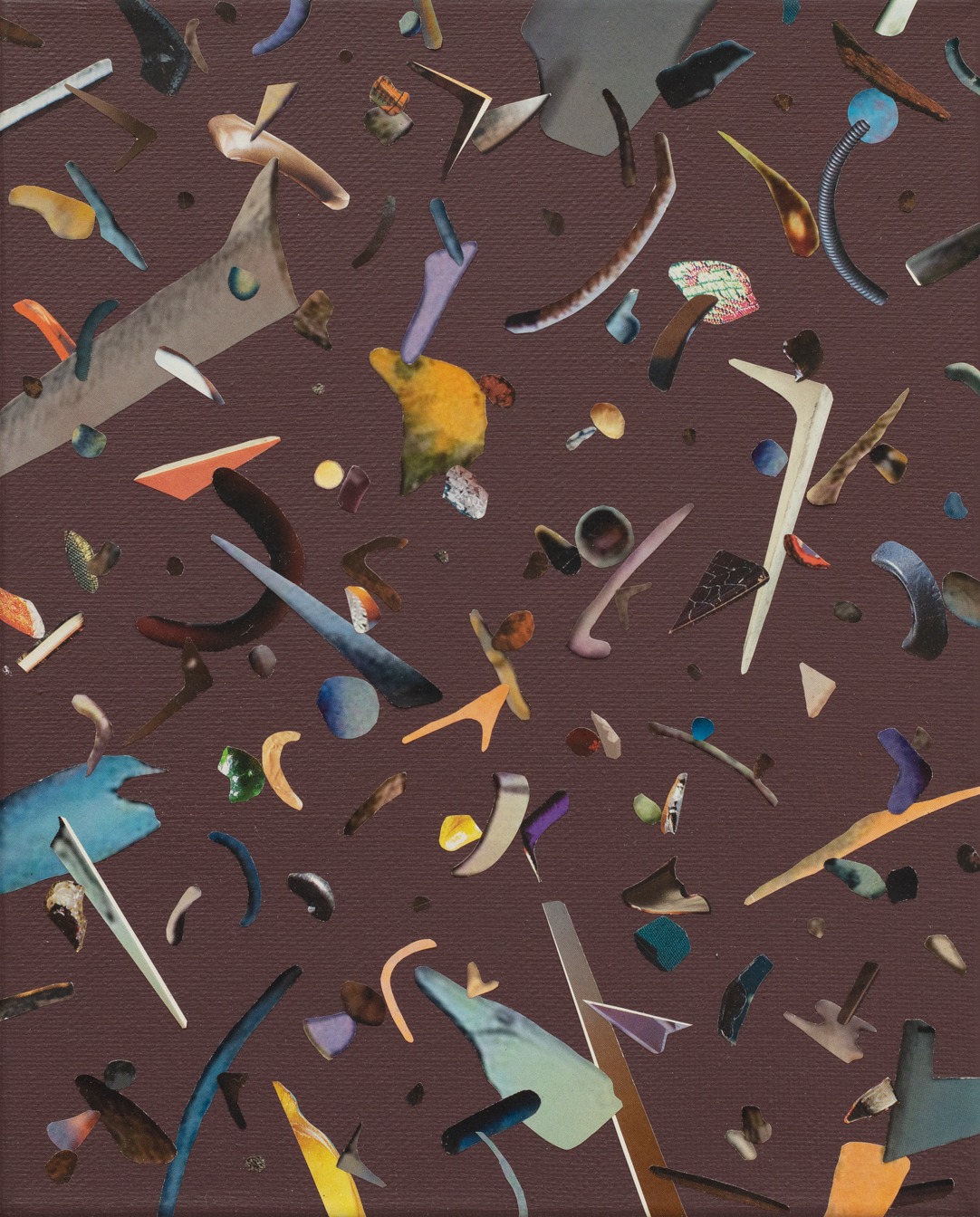
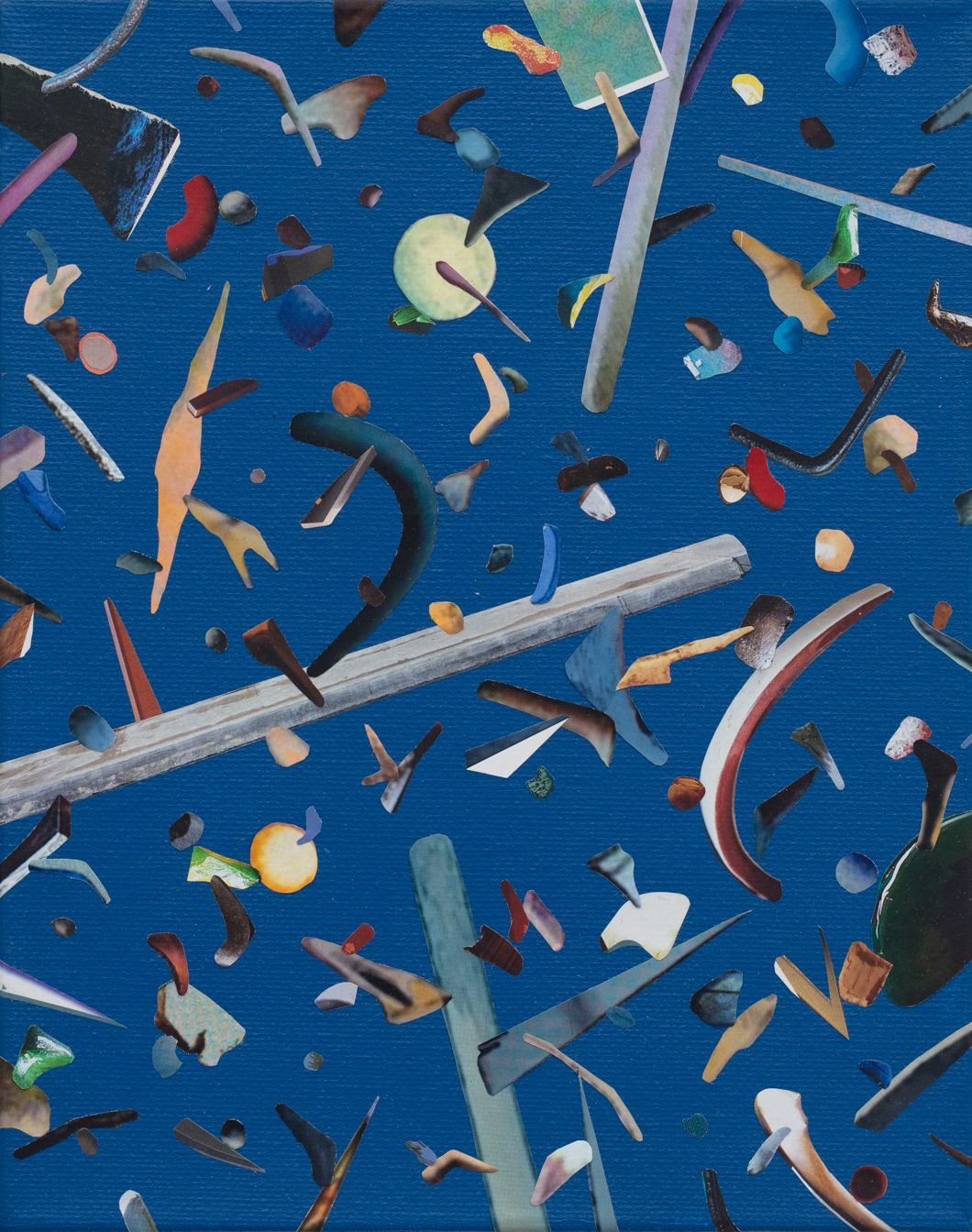
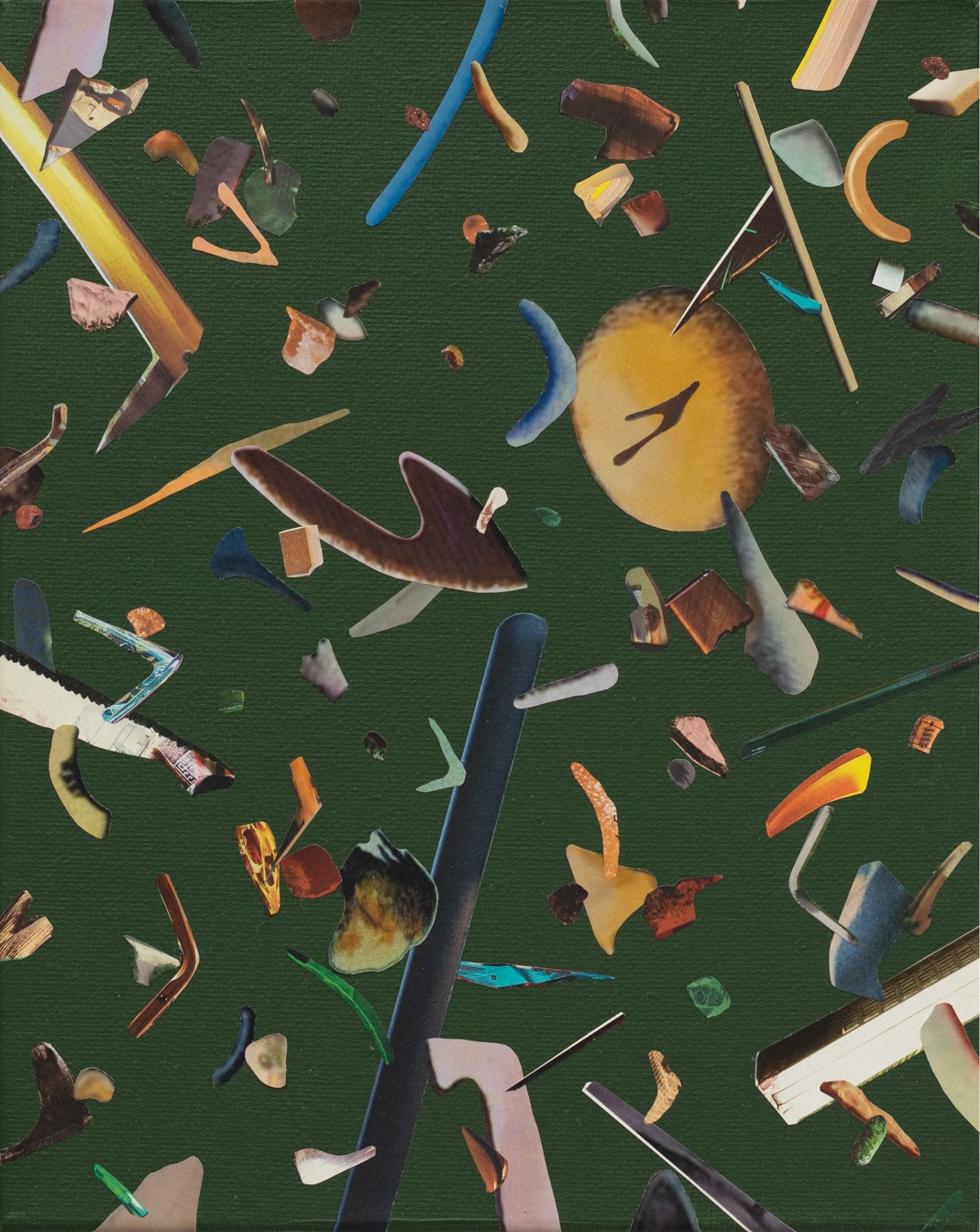
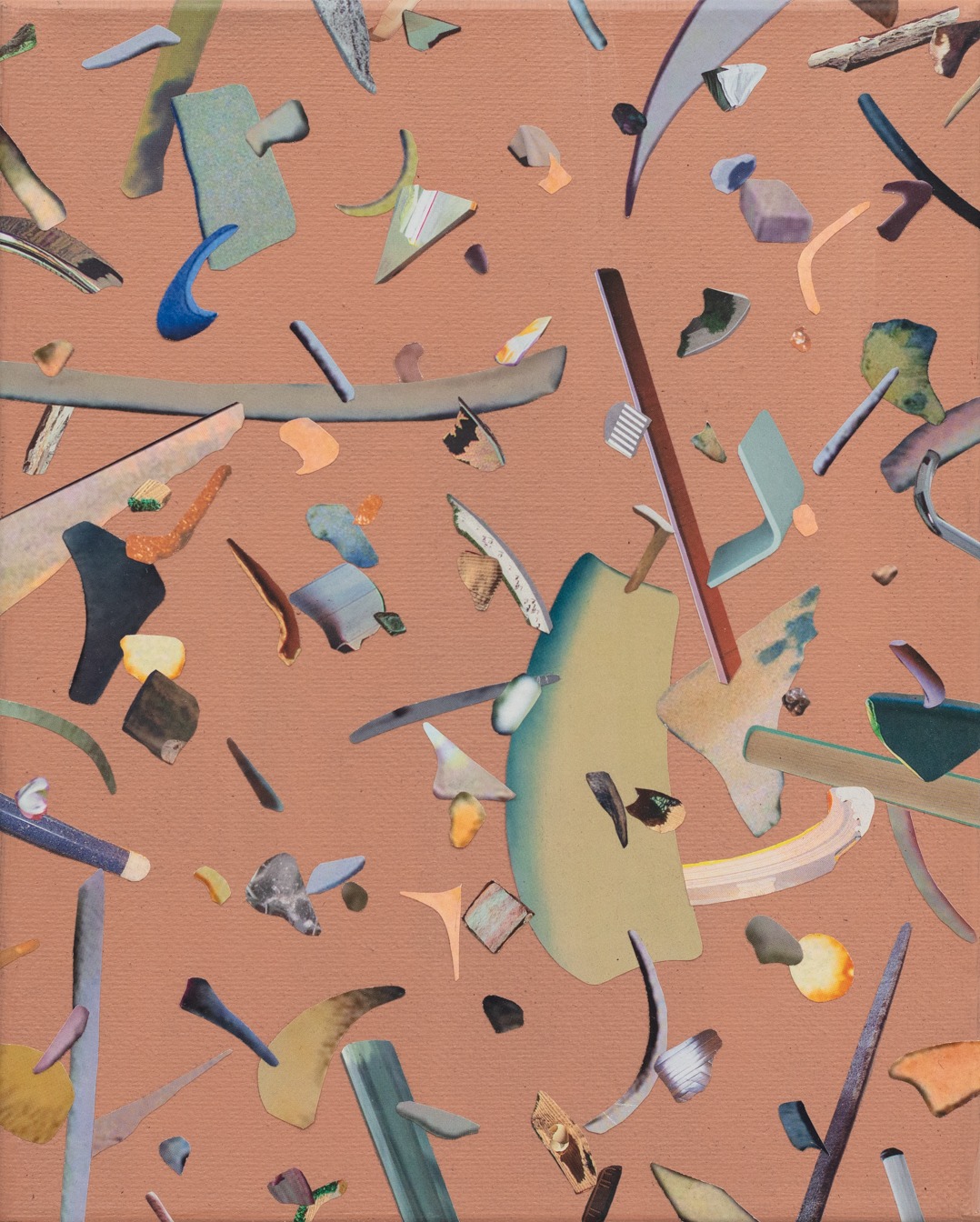
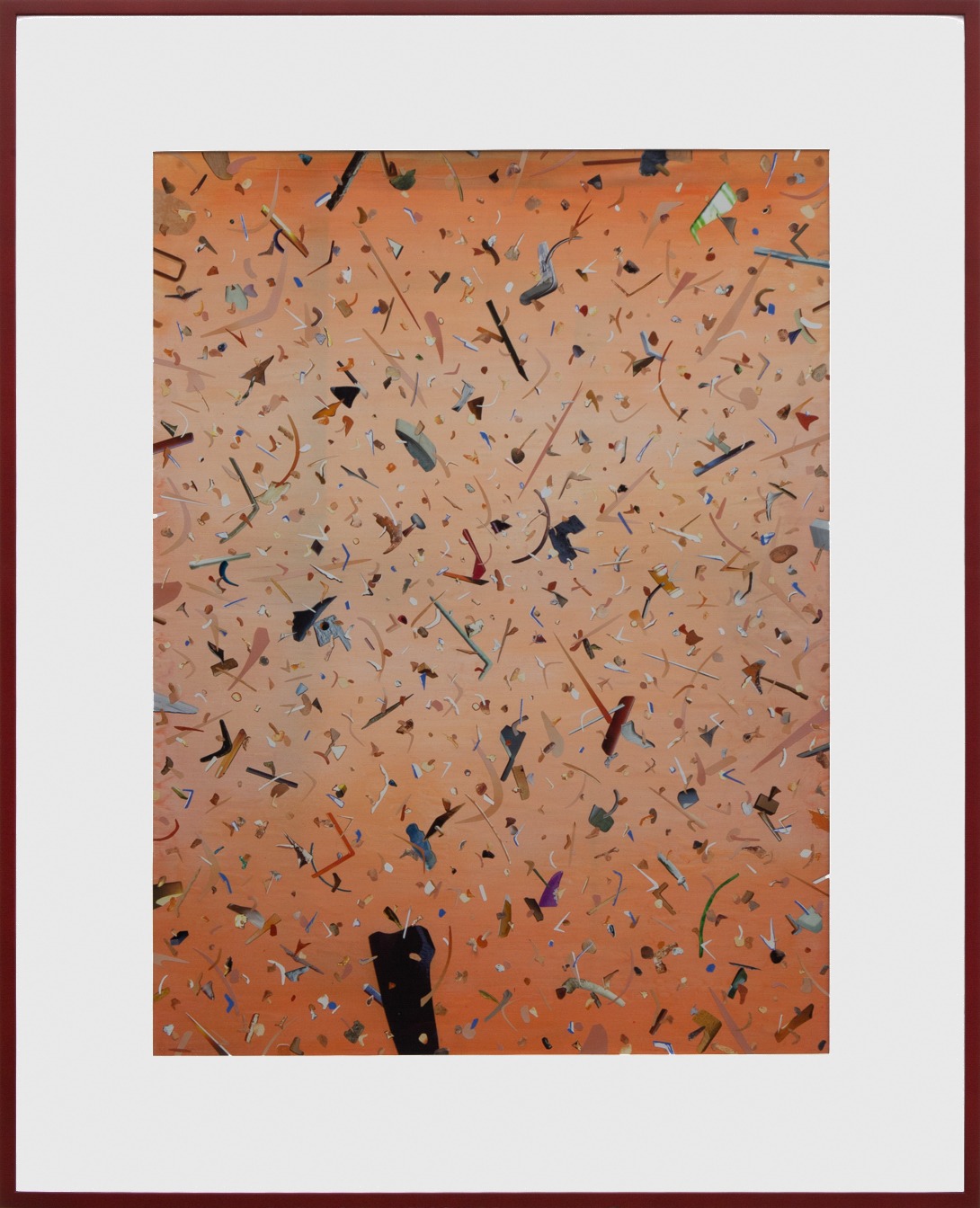
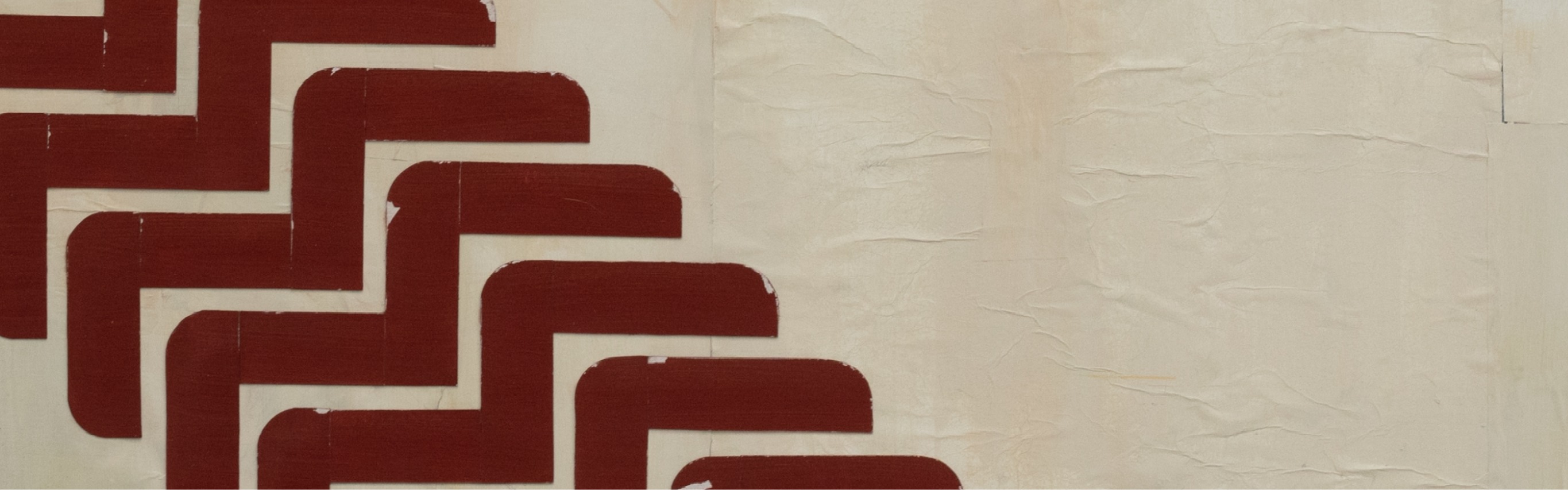
In the series with the eponymous title, sign, signal, shadow, he continues the same operation through collage, turning them into more developed sign systems that would become more associated with his style—especially on how it was influenced by graphic design in both its deliberate and accidental forms in everyday life. Books, carton packagings, commercial signages, old posters—Pastrana displays the ability to home in on some of the elements that comprise their imagery and extract the parts to create a new syntax from within. Furthermore, there are the chance encounters with mundane designs, which Pastrana describes as striking visuals he had unexpectedly encountered in faded signs, peeled surfaces of paint, brands and emblems—all these account for materials that can be mined in order to present a new symbol.
Taken together, the three sections of sign, signal, shadow locate Pastrana’s practice within a sustained inquiry into the conditions of his own collage tendencies, and in understanding how they are different from his other object-oriented works. Rather than treating collage as a fixed procedure, the exhibition positions it as a generative system—one that allows fragments to create their own contexts and new symbolic relationships. Across drawing, painting, found imagery, paper, and constructed forms, Pastrana moves between the recognizable and the indeterminate, revealing how signs can shift between language and abstraction. In this regard, the works resist the impulse to resolve themselves into definitive symbols; instead, they remain suspended at the threshold between image and meaning. Where they appear as almost ‘flags and symbols.’ Where they stand to almost communicate something—-where sometimes almost sends out the most complete message we can ever decipher.
Words by Cocoy Lumbao Jr.
Gary-Ross Pastrana (b. 1977, Manila, Philippines; lives and works in Manila) is an artist deeply immersed in the philosophies surrounding concepts, objects, and art. His highly conceptual pieces, rich with poetic intensity, maintain an unobtrusive subtlety. Incorporating dynamic and nonsequential images along with other modes of study such as music and science, his creations form a new textual narrative.
In 2006, Pastrana received the Cultural Center of the Philippines’ Thirteen Artists Award. Since then, he has shown at the Singapore Art Museum, Metropolitan Museum of the Philippines, the Jorge B. Vargas Museum, and was part of the 2019 The Art Encounters Biennial in Romania, 2019 Singapore Biennale, 2012 New Museum Triennial in New York, 2010 Aichi Triennale, and 2008 Busan Biennale. In 2004, he co-founded Future Prospects art space. In addition to his artistic career, Pastrana curates and organizes exhibitions in Manila and abroad. Exhibitions include Erstwhile Maps, CASE Space Revolution, Bangkok, Thailand (2020); Every Step in the Right Direction, Singapore Biennale, Singapore (2019); The Art Encounters Biennial, Romania (2019); An Opera for Animals, Para Site, Hong Kong (2019), Rockbund Art Museum, Shanghai (2019); Utopia Hasn’t Failed Me Yet, Silverlens, Manila (2018, solo); The Extra, Extra Ordinary, Museum of Contemporary Art and Design, Manila (2018); The Other Face of the Moon, Asia Culture Center, Gwangju (2017); Clock, Map, Knife, Mirror, ROH Projects, Jakarta, (2016, solo); Summa, Vargas Museum, Manila (2014, solo). Pastrana received his Bachelor’s degree in Painting from the University of the Philippines, where he was awarded the Dominador Castañeda Award for Best Thesis. He has gained considerable experience and exposure within the region, with residencies in Bandung, Kyoto, Bangkok, and Singapore.
Works