Art Basel Hong Kong 2026

Pacita Abad, Imelda Cajipe Endaya, Patricia Perez Eustaquio, Yee I-Lann, Bernardo Pacquing, Leo Valledor, Geraldine Javier
Hong Kong Convention and Exhibition Centre: Booth 1B12, Kabinett, and Encounters EN10 | Preview: 25–26 March 2026 Public Days: 27–29 March 2026

About

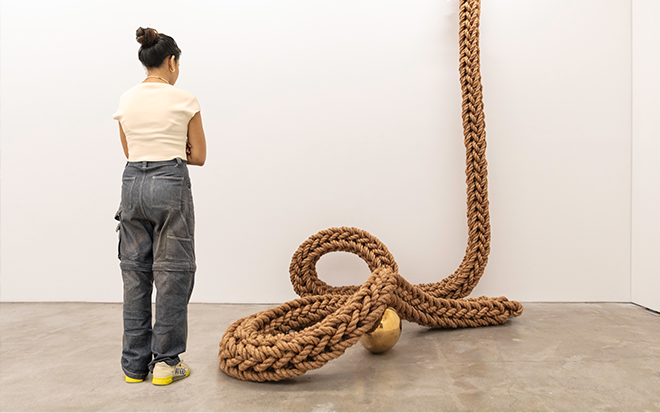
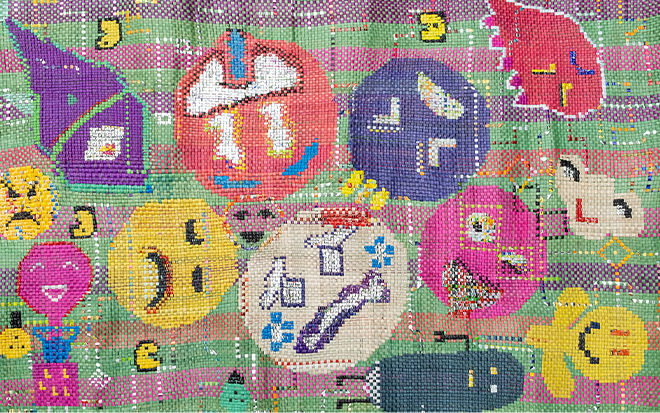
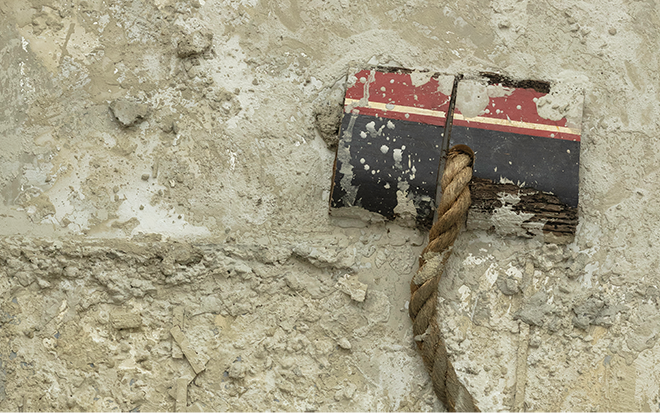
    Silverlens returns to Art Basel Hong Kong, 25–29 March 2026, with a presentation that brings together artists whose practices have defined contemporary art in the Philippines and Southeast Asia. Across Booth 1B12, Kabinett, and Encounters EN10, the Manila and New York based gallery articulates a dialogue between historic and current positions, foregrounding formal rigor, material innovation, and critical acuity within an international context.

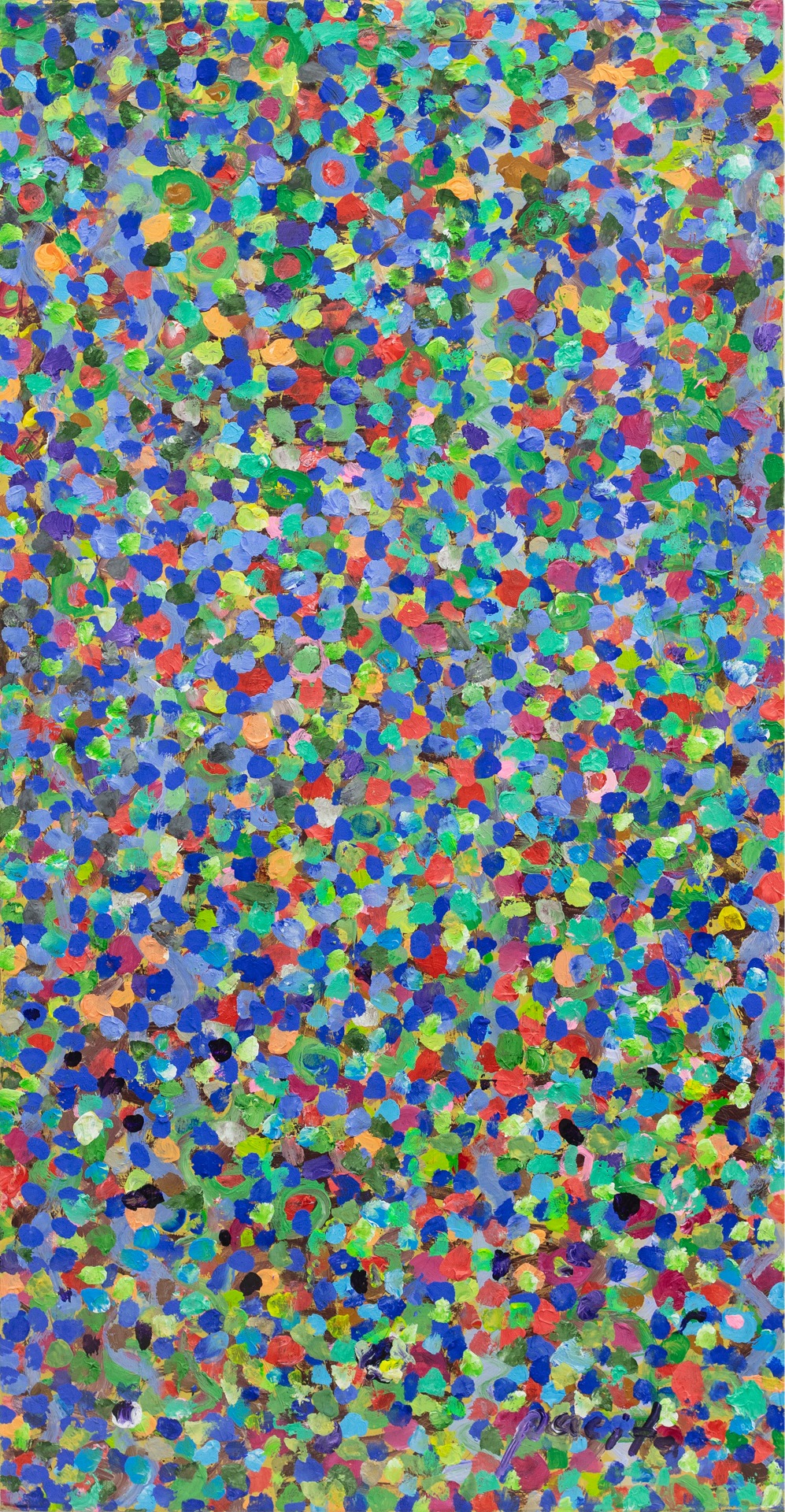
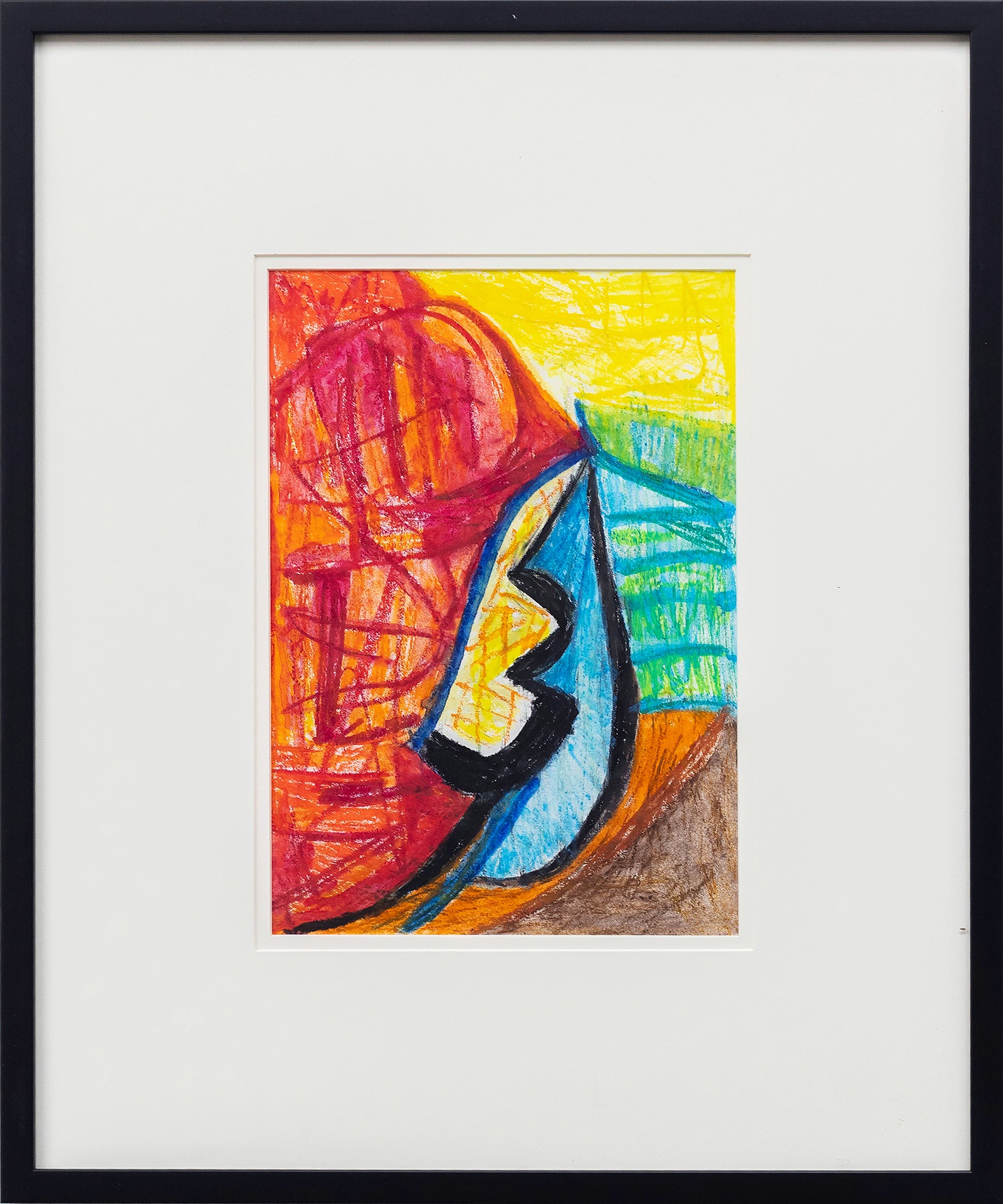
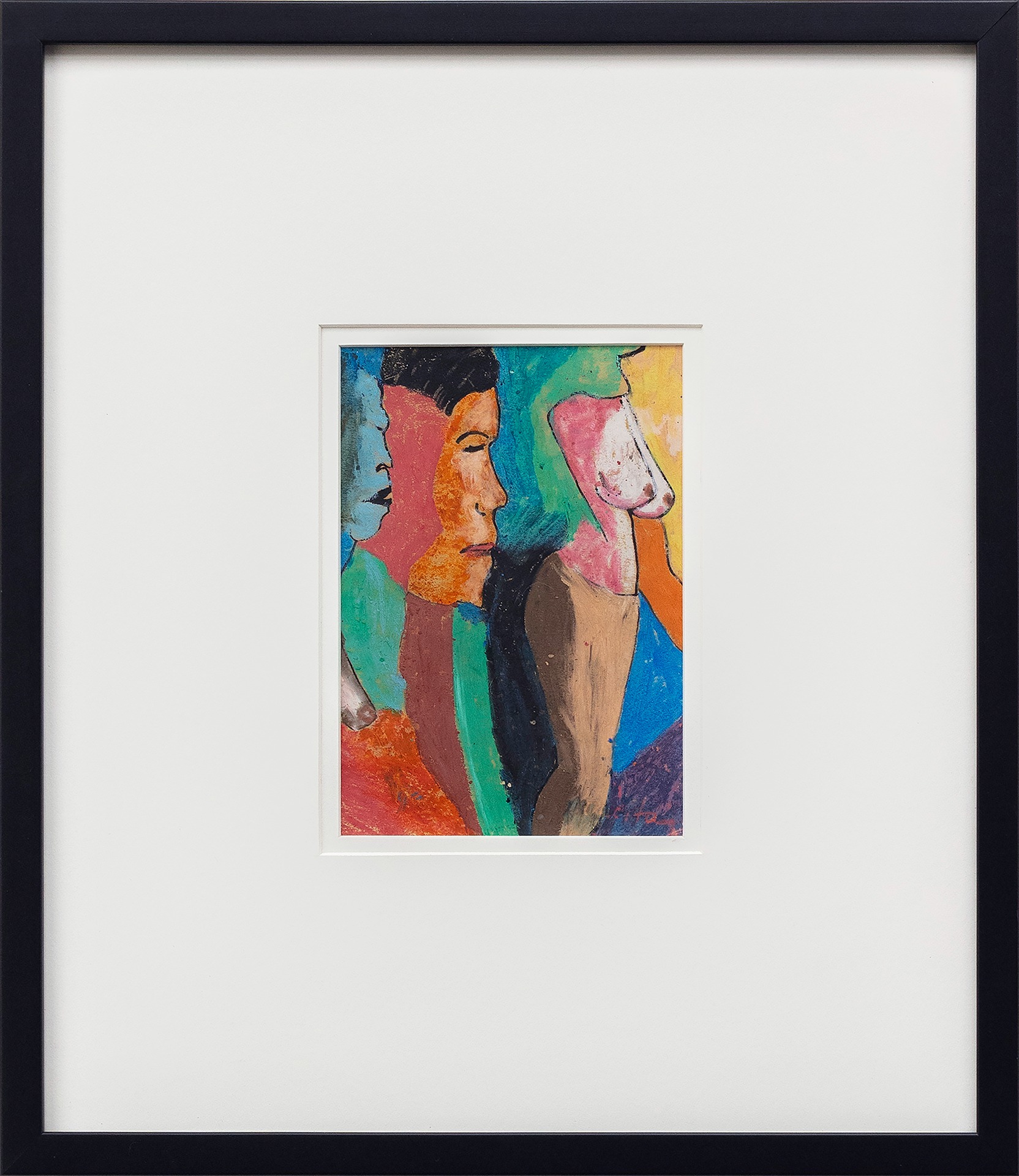
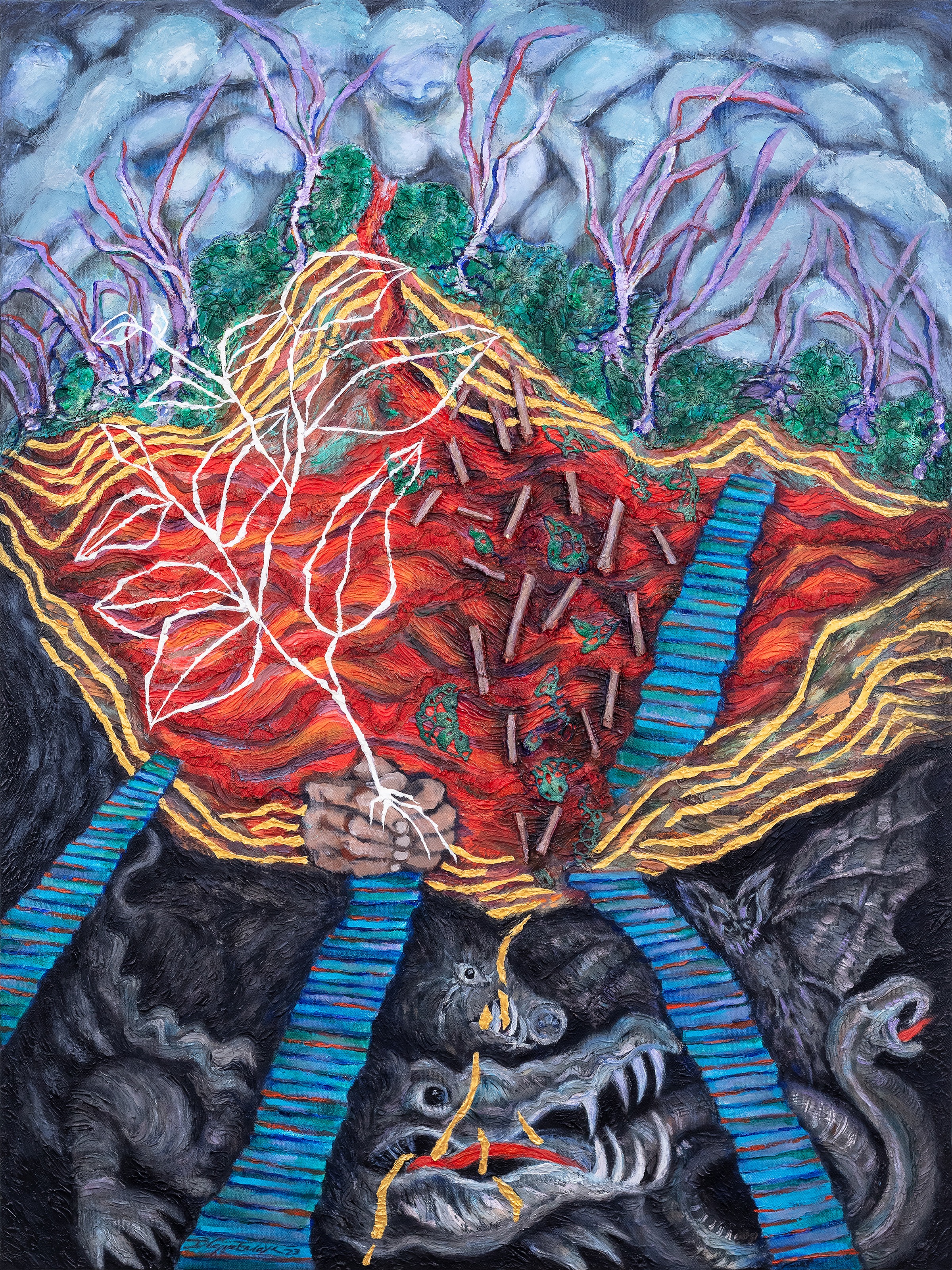
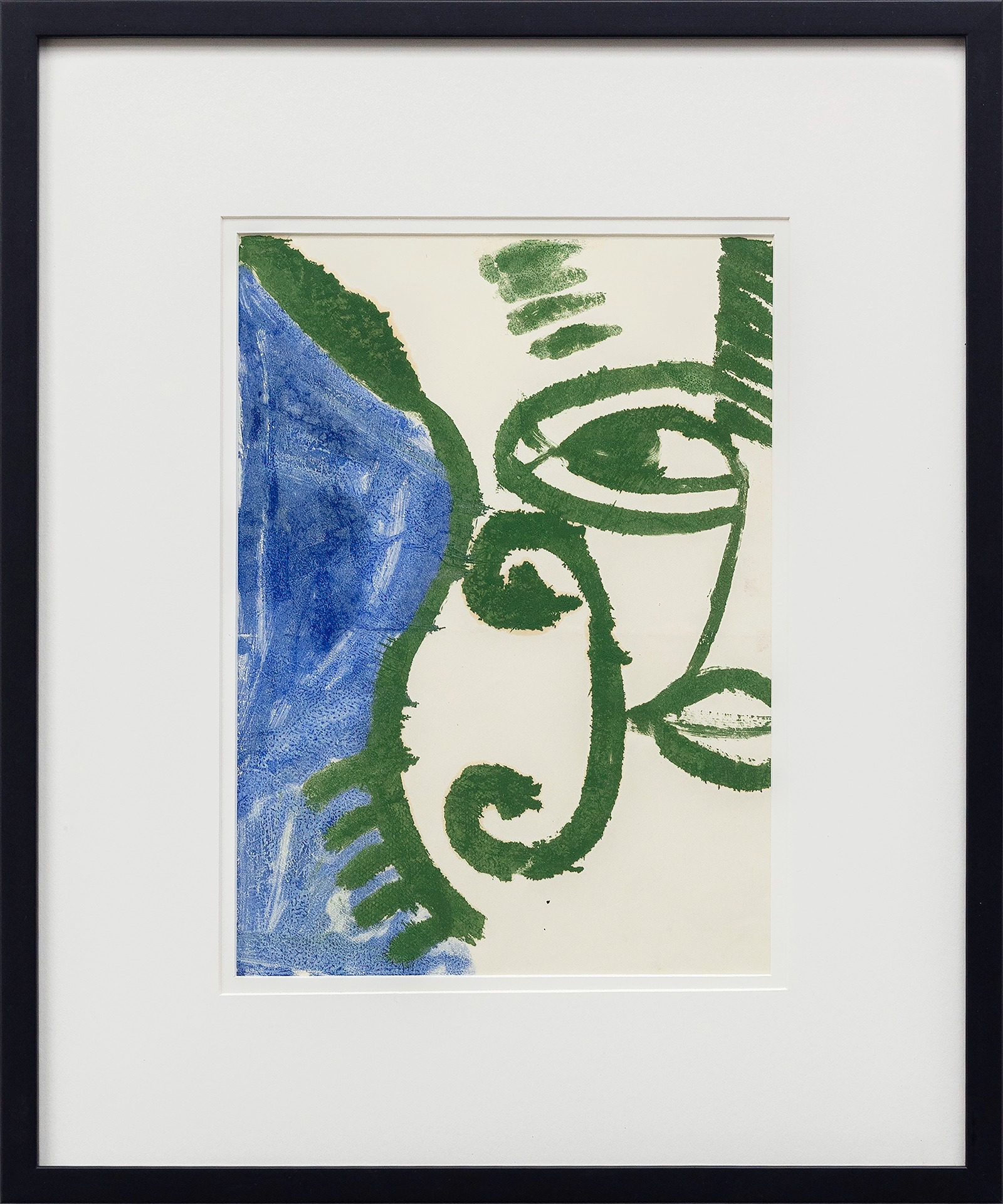
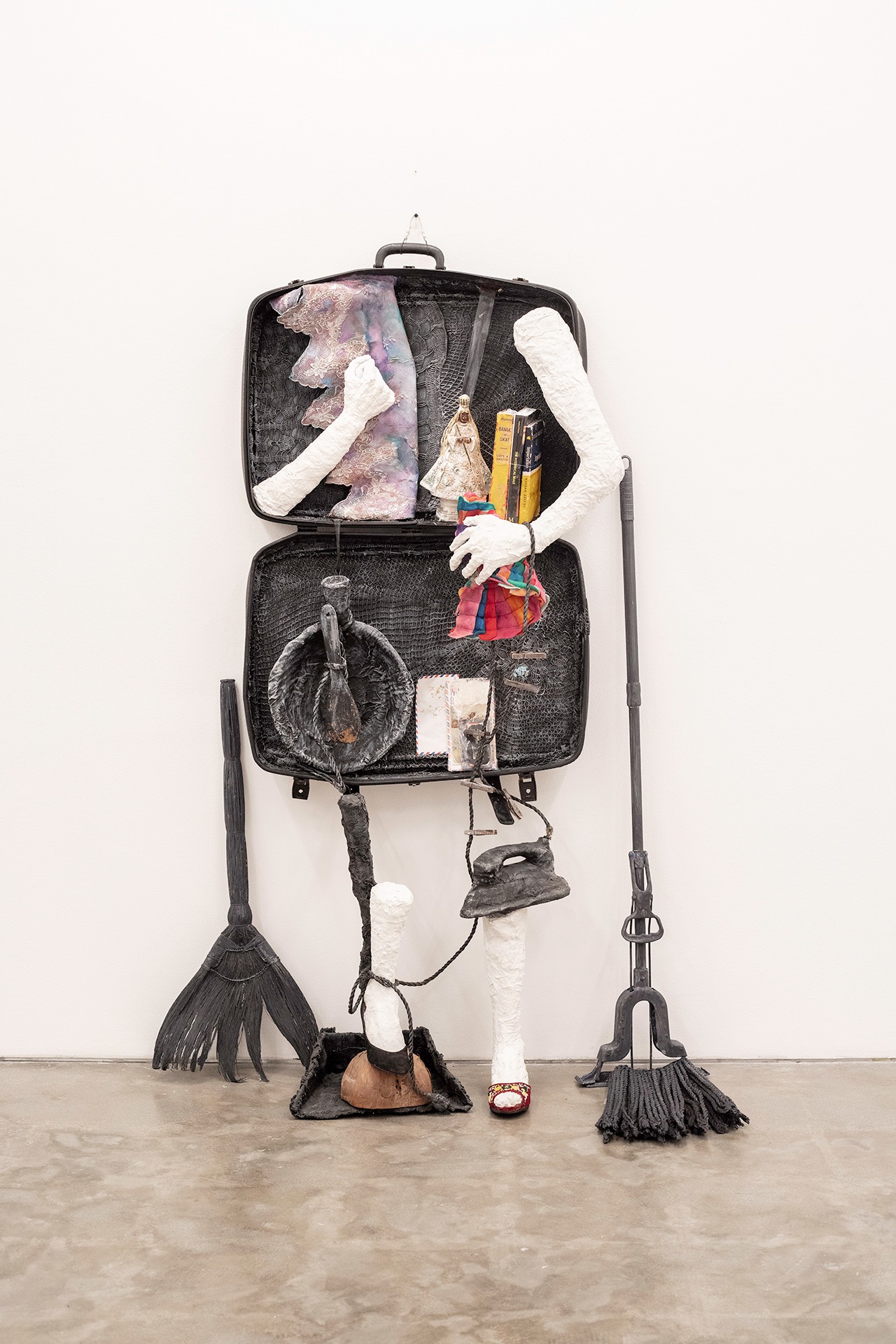
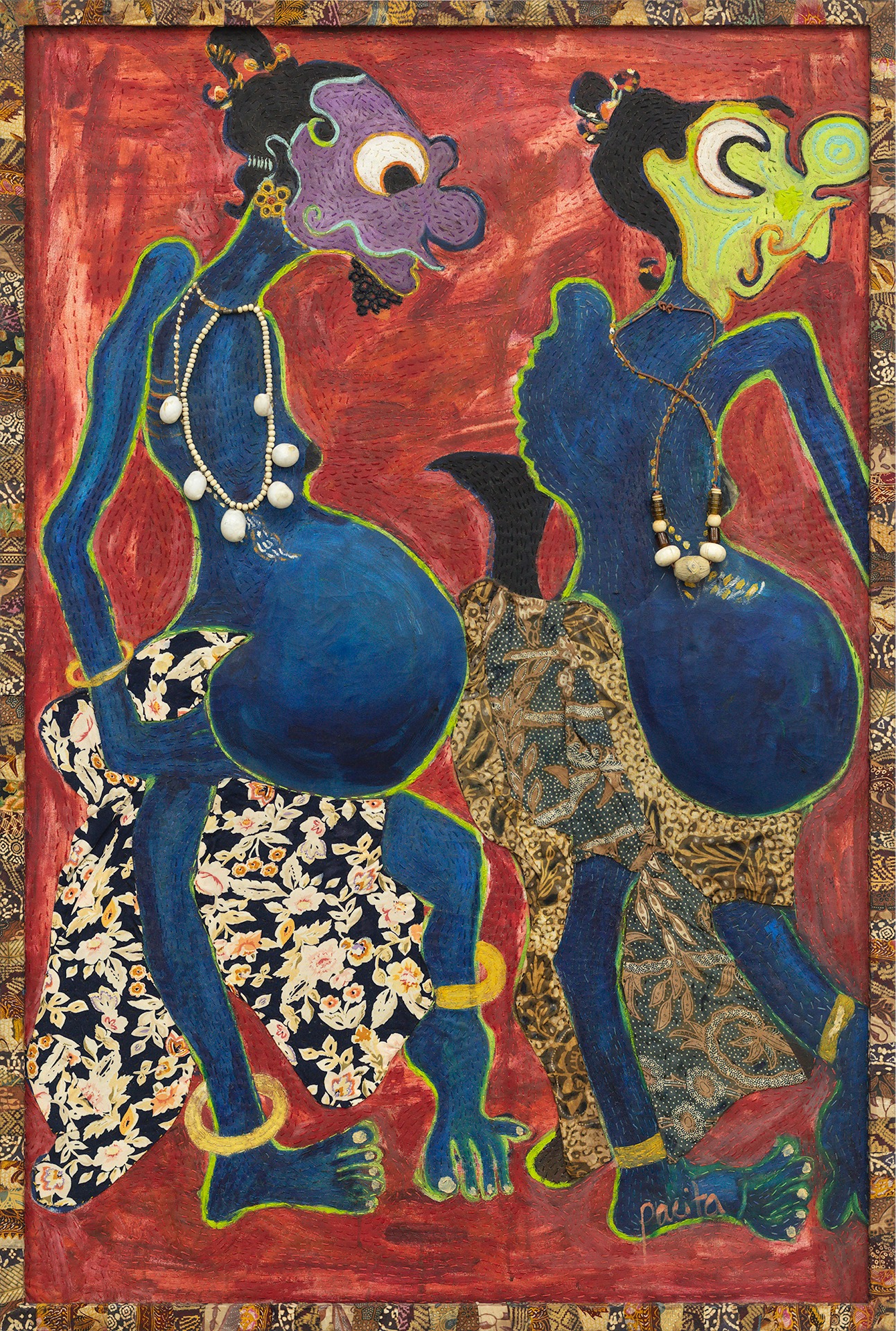
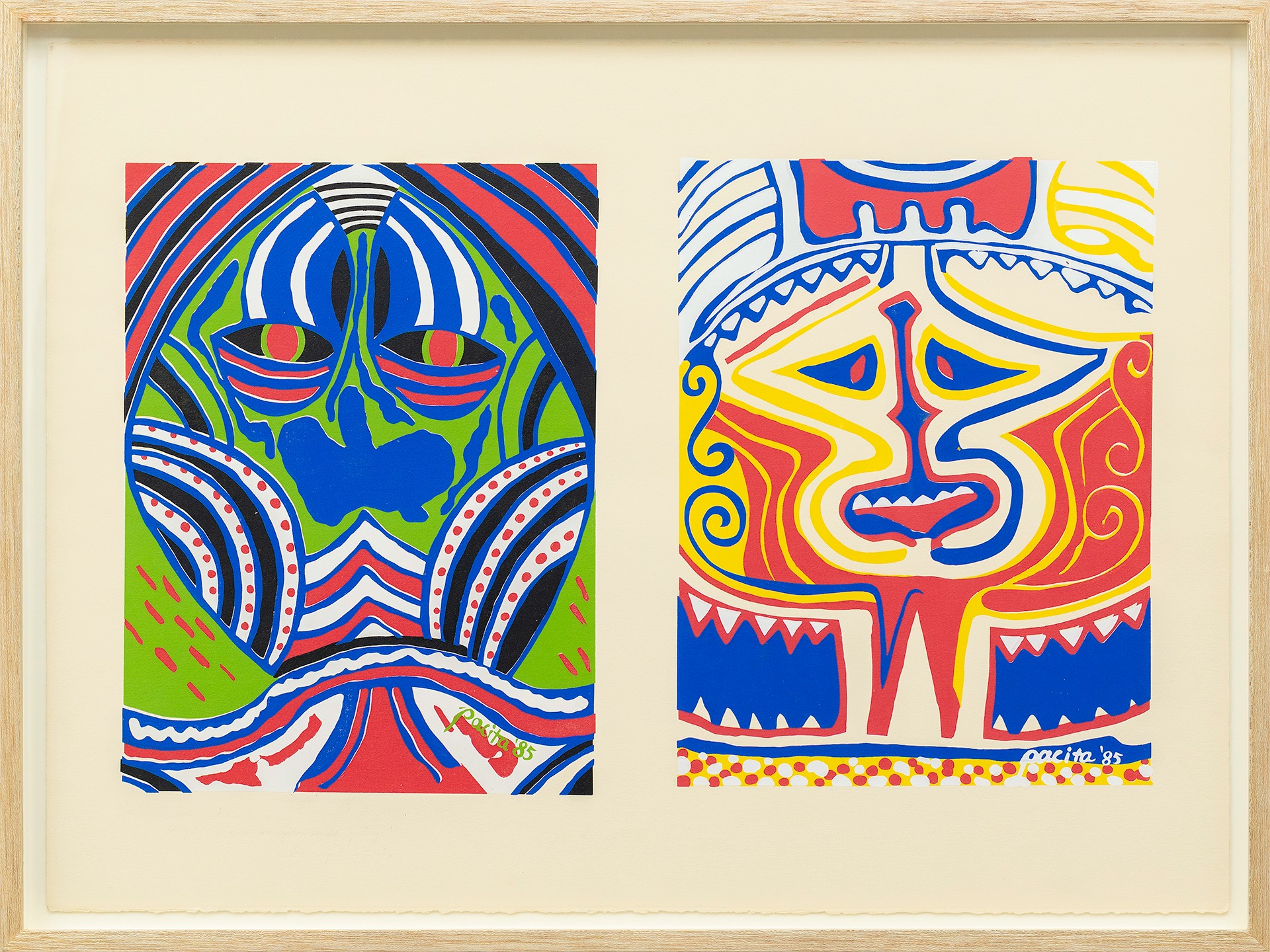
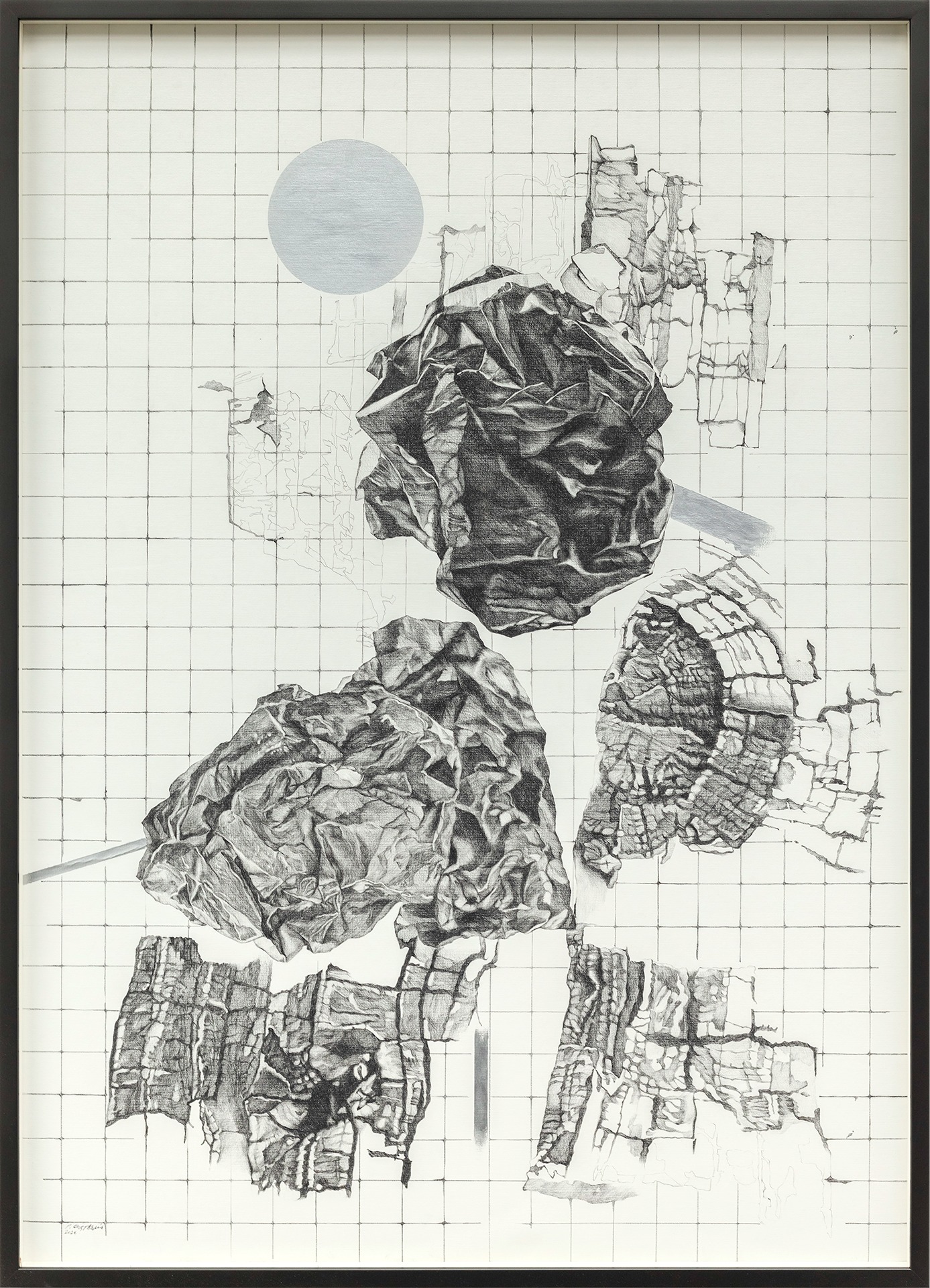
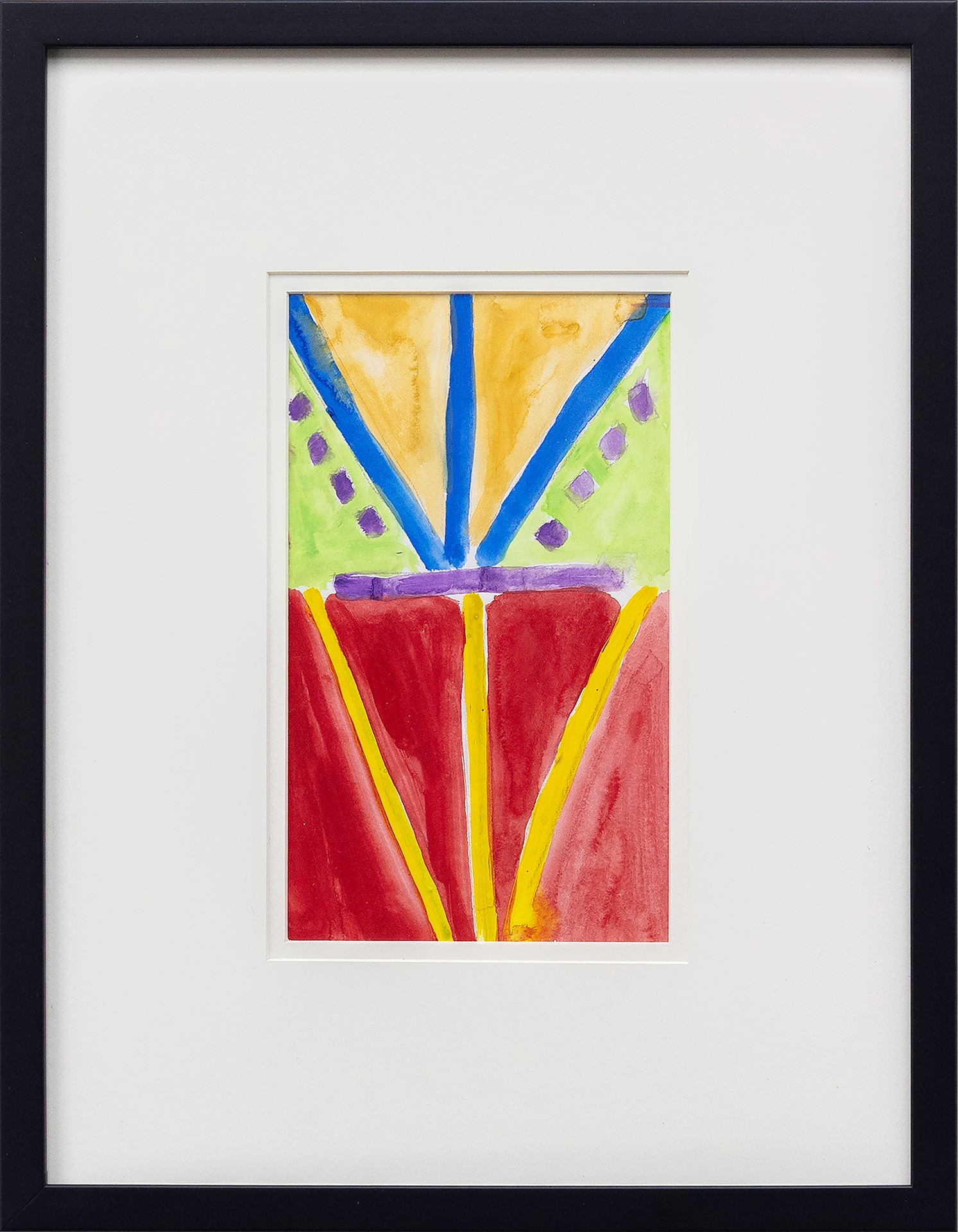
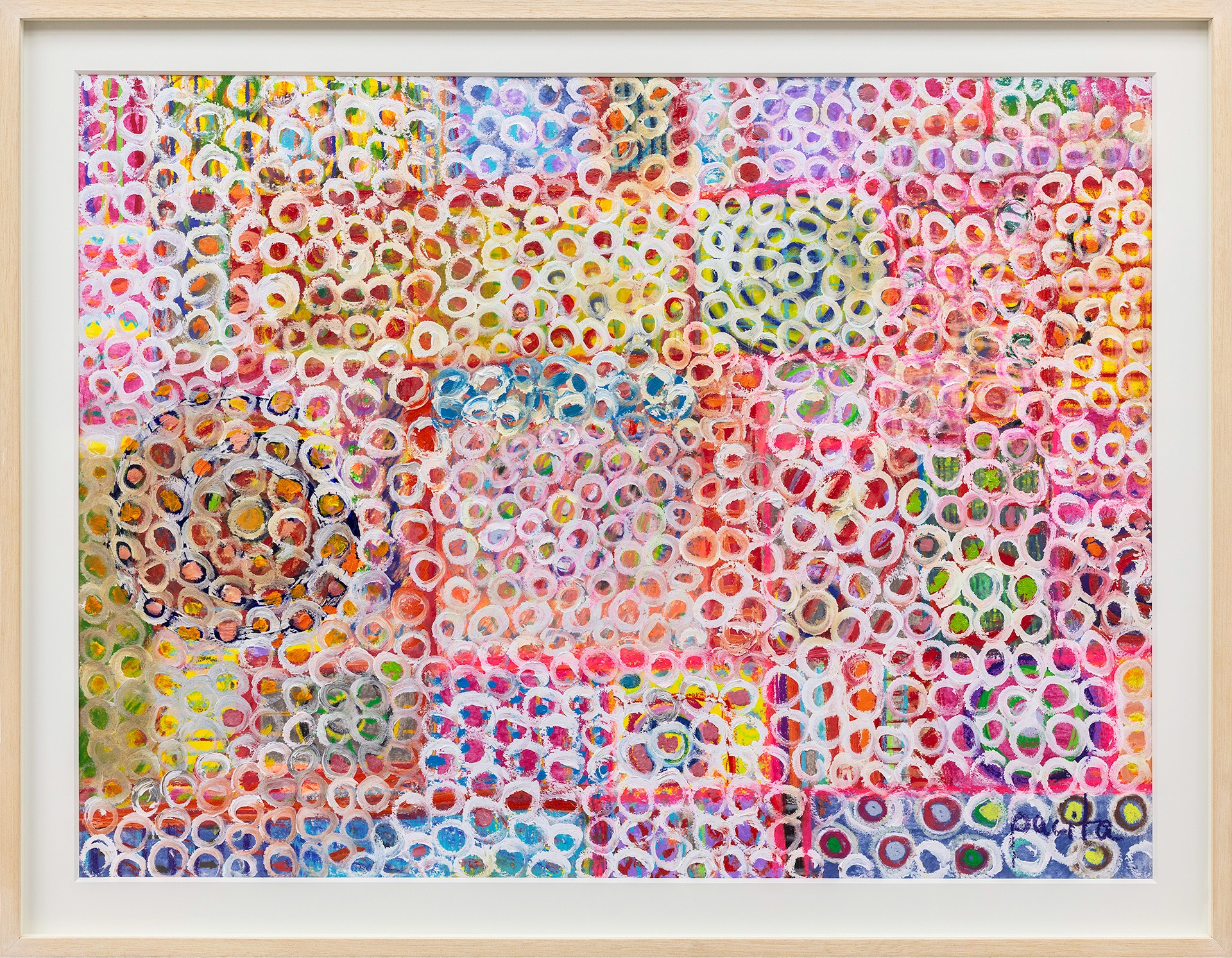
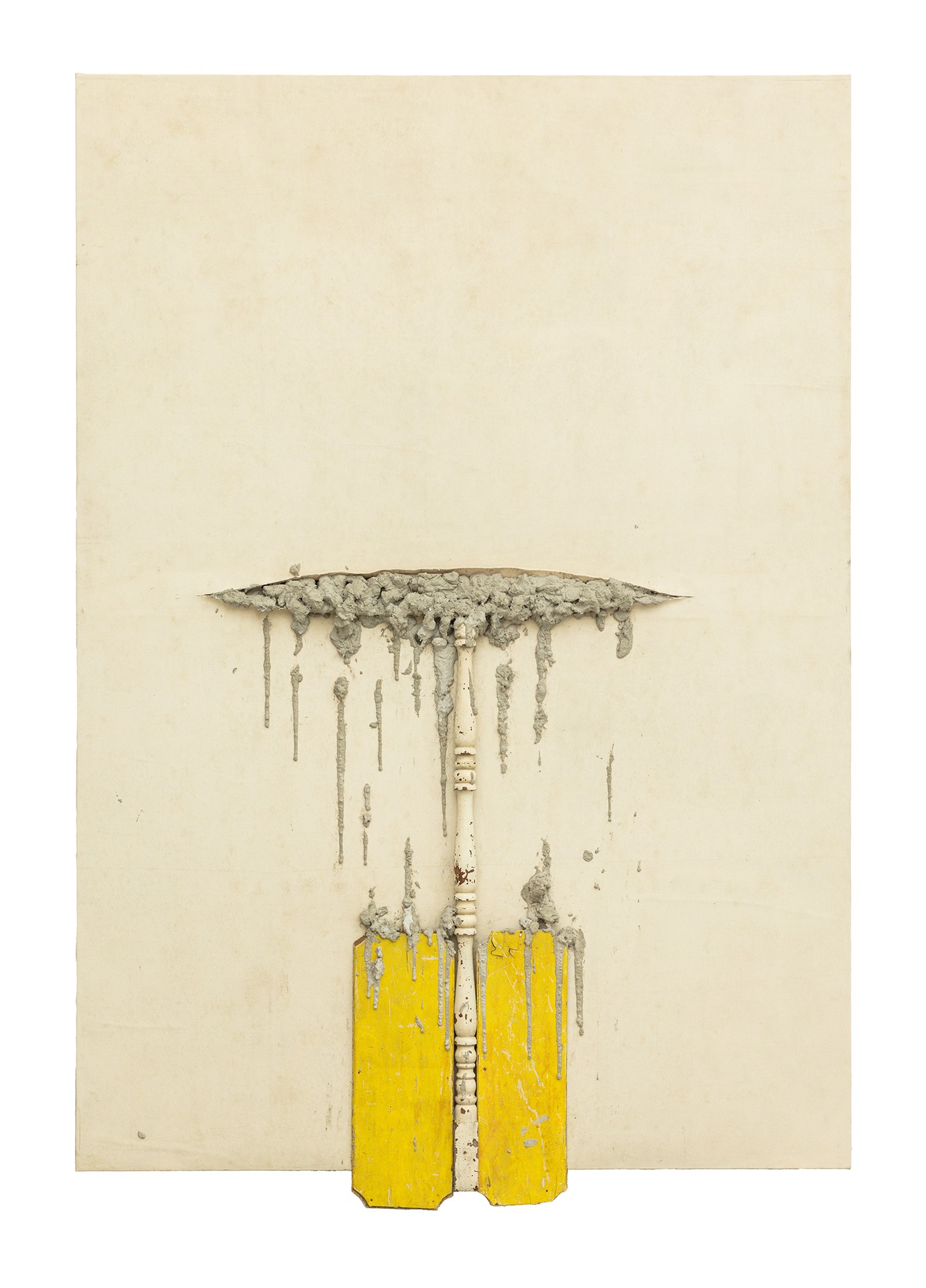
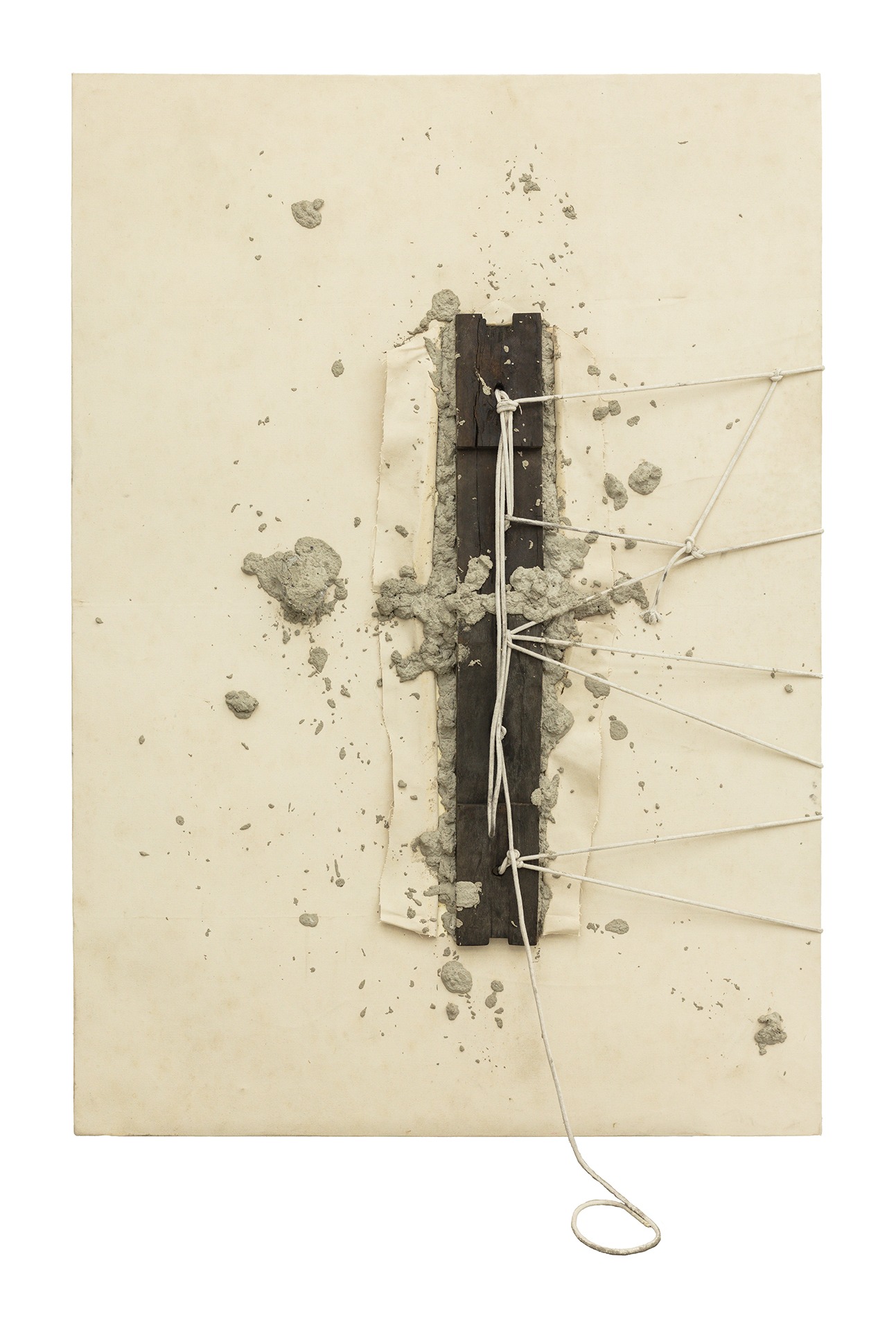
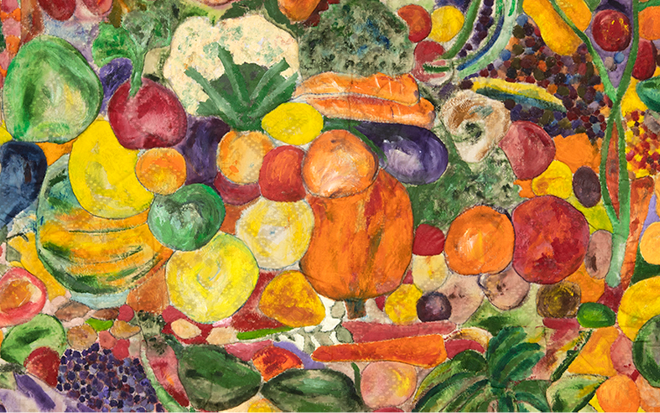
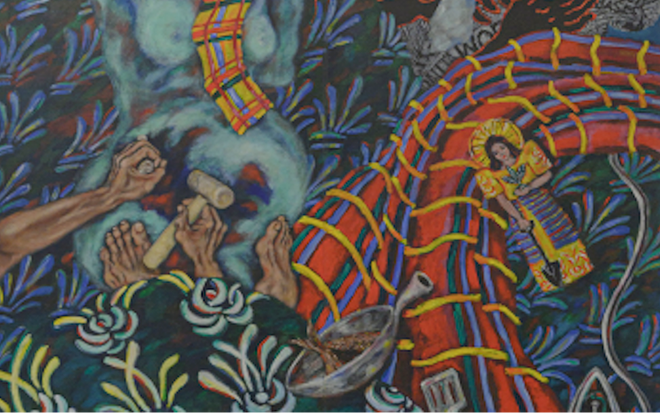
    At Booth 1B12, works by Pacita Abad (1946–2004), Imelda Cajipe Endaya (b. 1949, Manila, Philippines; lives and works in Manila), Patricia Perez Eustaquio (b. 1977, Cebu, Philippines; lives and works in Benguet Province, Philippines), Geraldine Javier (b. 1970, Makati City, Philippines; lives and works in Batangas, Philippines), Bernardo Pacquing (b. 1967, Tarlac, Philippines; lives and works in Parañaque City, Philippines and Singapore), and Yee I-Lann (b. 1971, Kota Kinabalu, Sabah, Malaysia; lives and works in Kota Kinabalu) highlight a shared commitment to expanding the possibilities of abstraction and figuration. Abad’s commanding chromatic structures, Cajipe Endaya’s incisive political narratives, and Eustaquio’s exacting material investigations unfold alongside Javier’s layered meditations on memory and ecology. Pacquing reasserts painting’s physical and conceptual force, while Yee I-Lann situates image-making within a broader Southeast Asian discourse that is both critical and expansive.

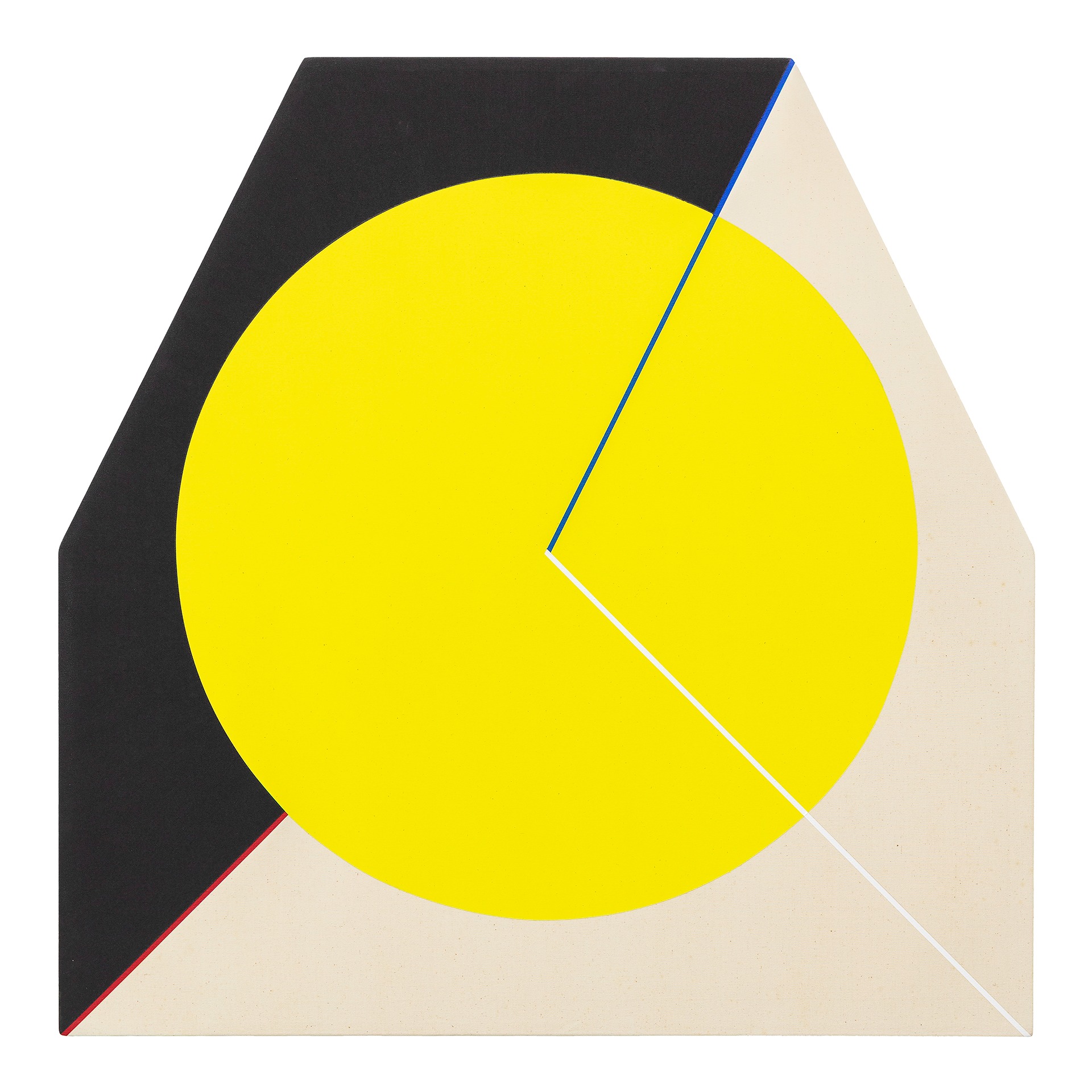
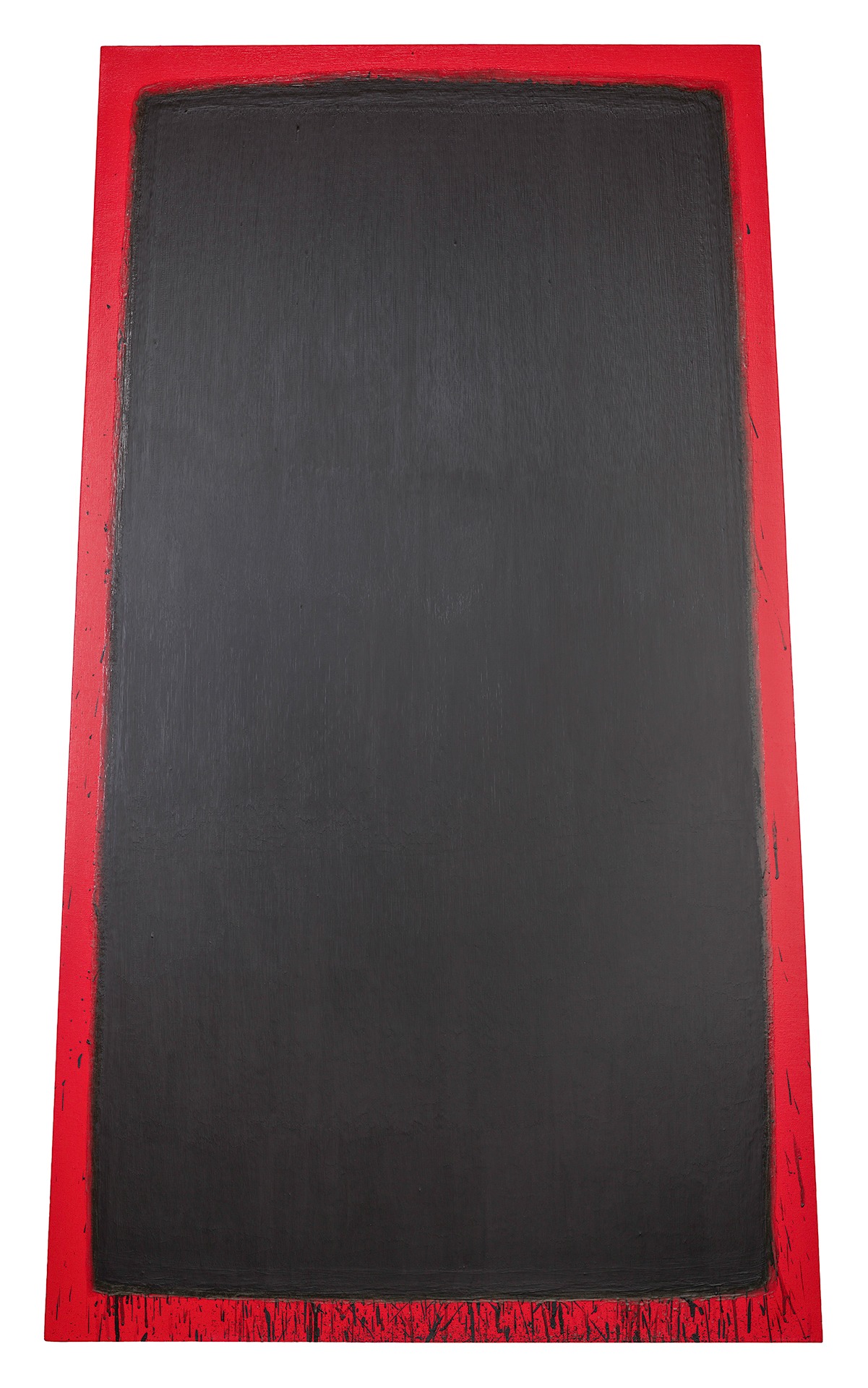
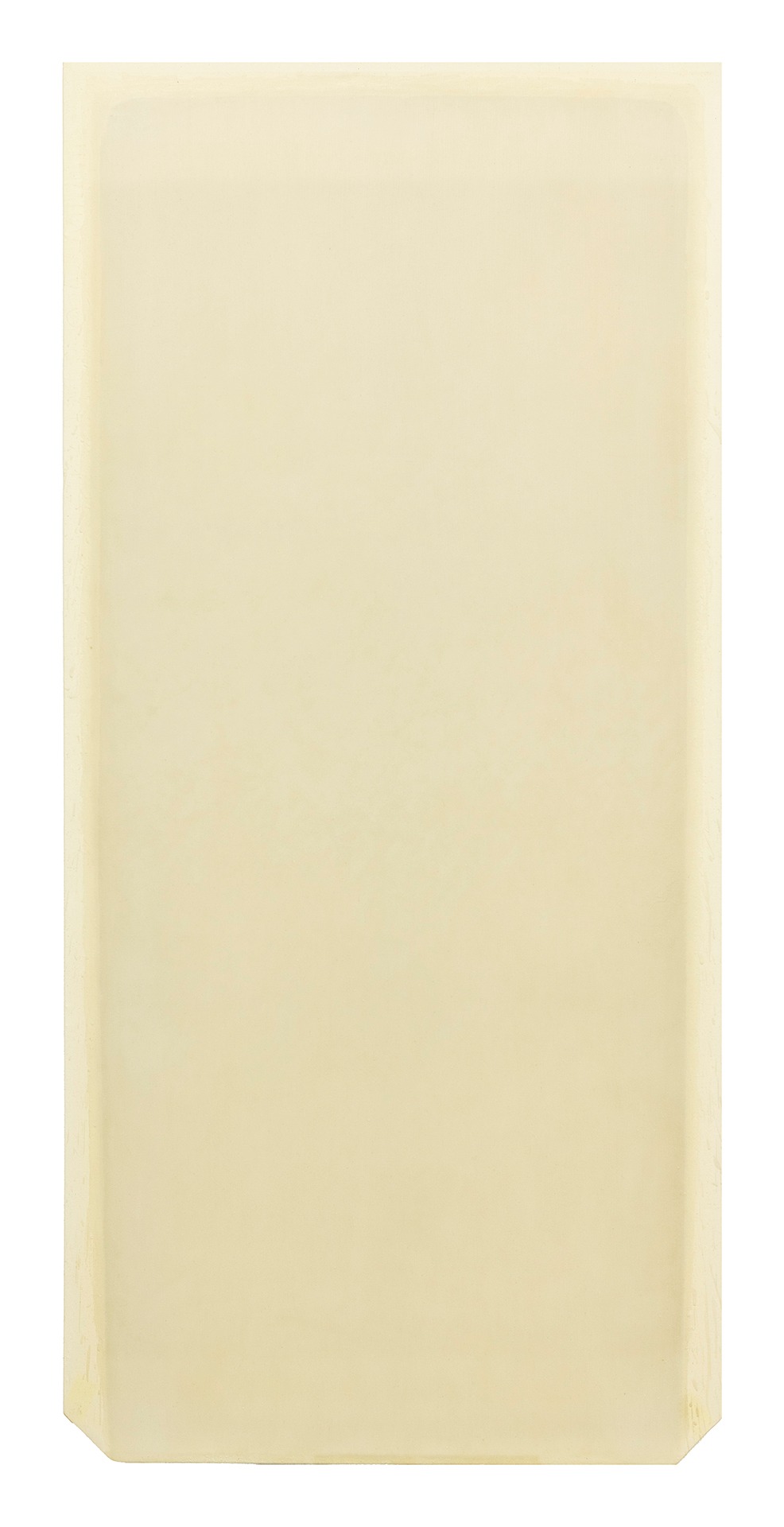
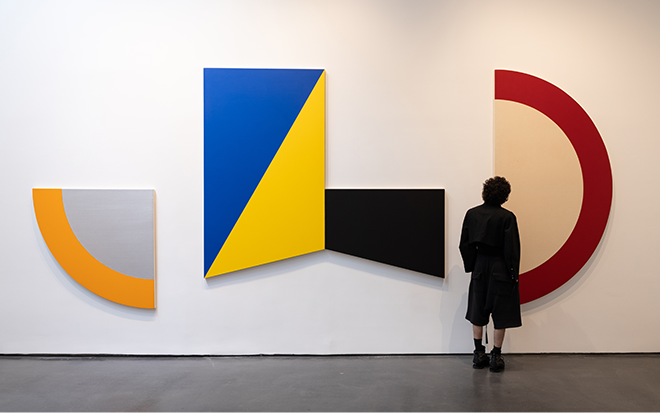
    Within the booth, Silverlens dedicates its Kabinett, a space architecturally delineated for focused presentations, to three works by Leo Valledor (b. 1936 - d. 1989, San Francisco, USA). As a pioneer of the Filipino-American avant-garde and a founding member of New York’s Park Place Gallery, Valledor fused his West Coast roots and the syncopation of jazz with the intellectual rigor of 1960s abstraction. In works such as Cubibop (1980), Exit (1970), and Desire (1971), his shaped canvases serve as perceptual devices rather than mathematical doctrines. By unsettling the stability of the picture plane, Valledor recalibrates the surrounding tempo and establishes a lingering tension between the physical surface and the act of seeing.

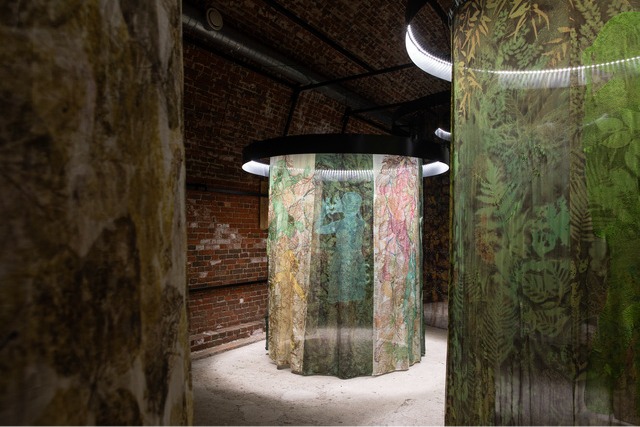
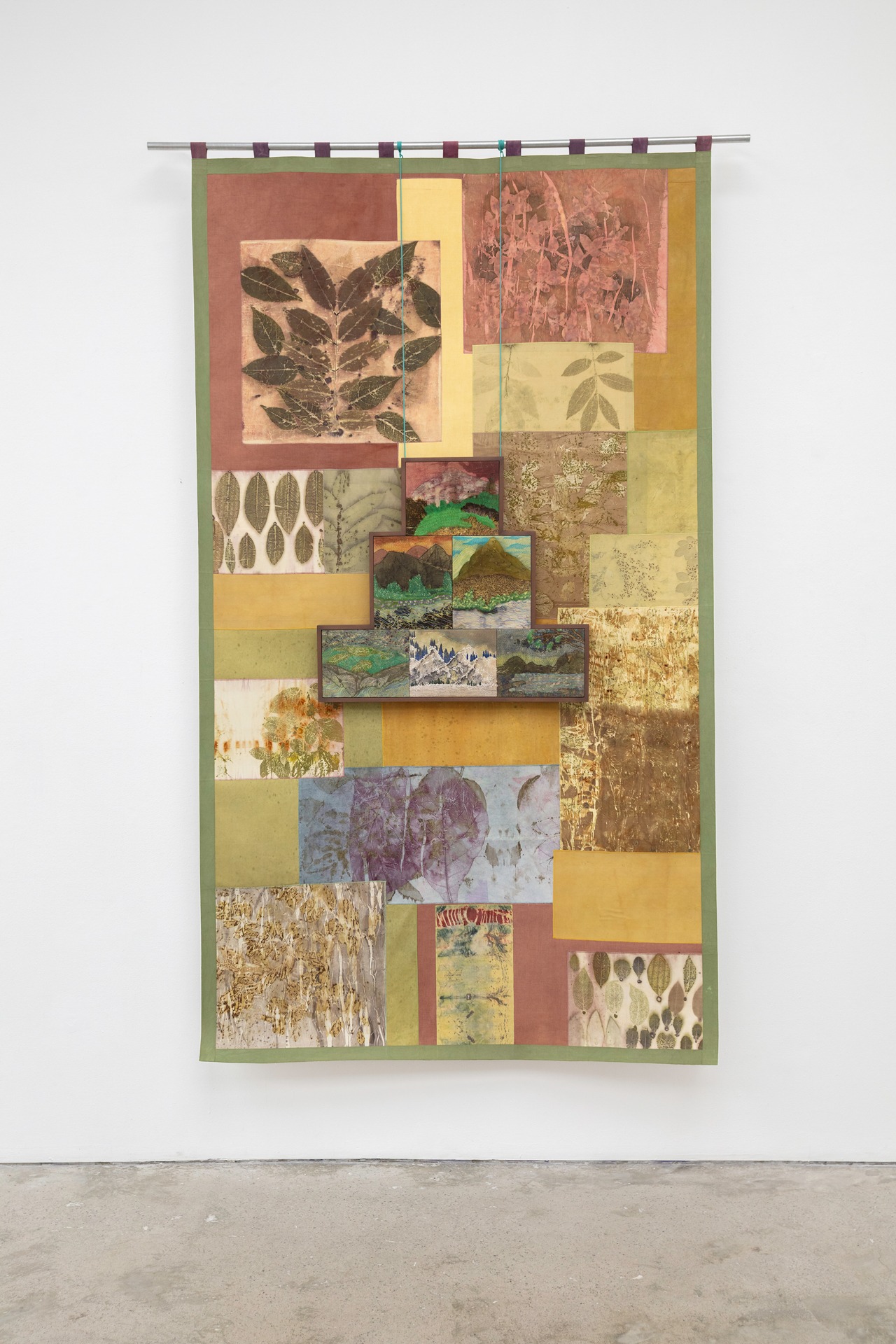
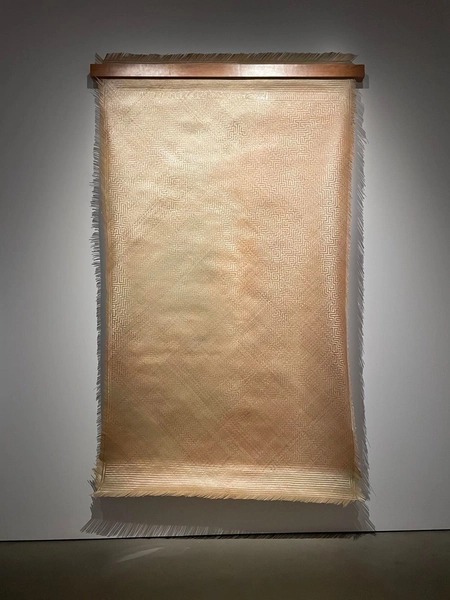
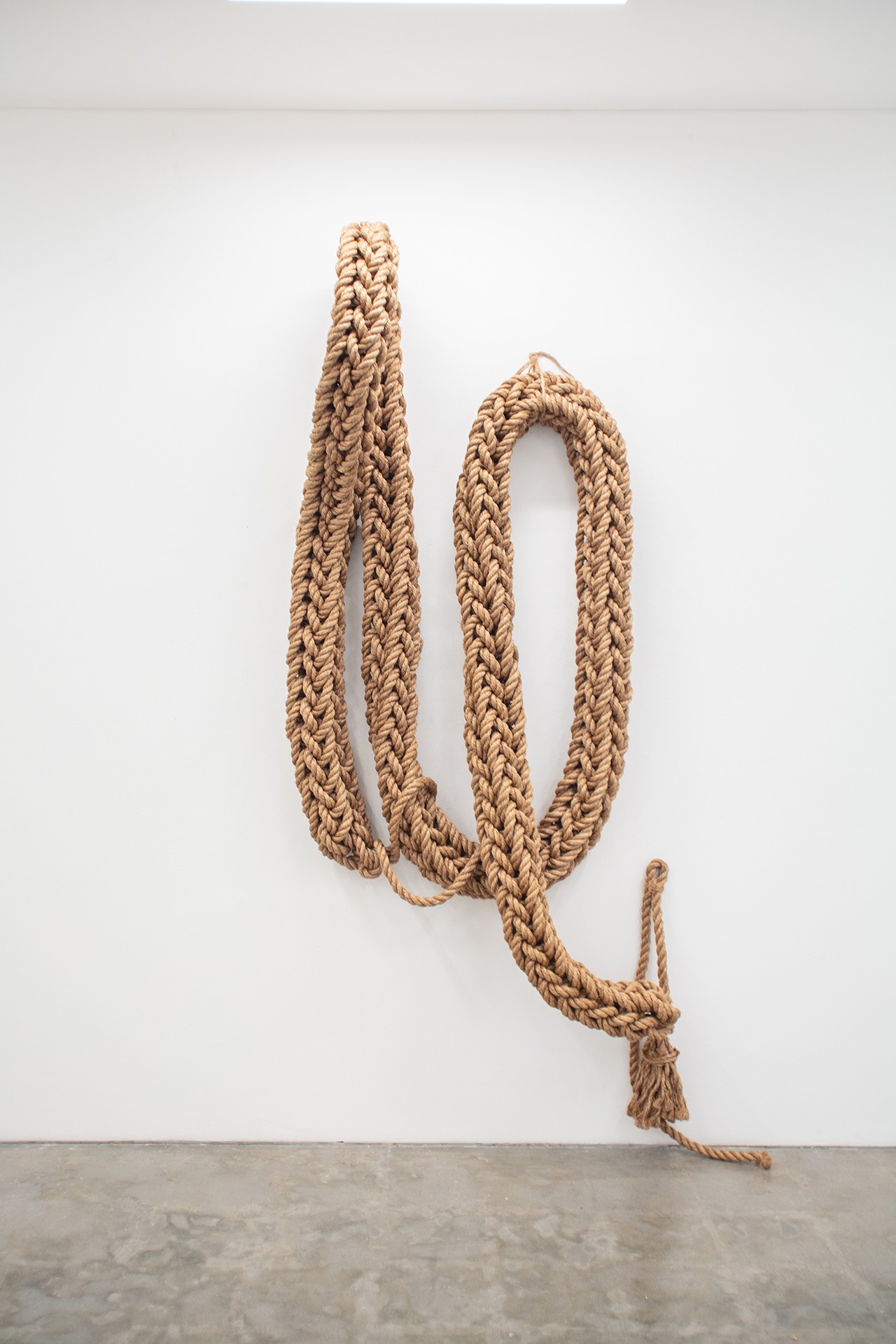
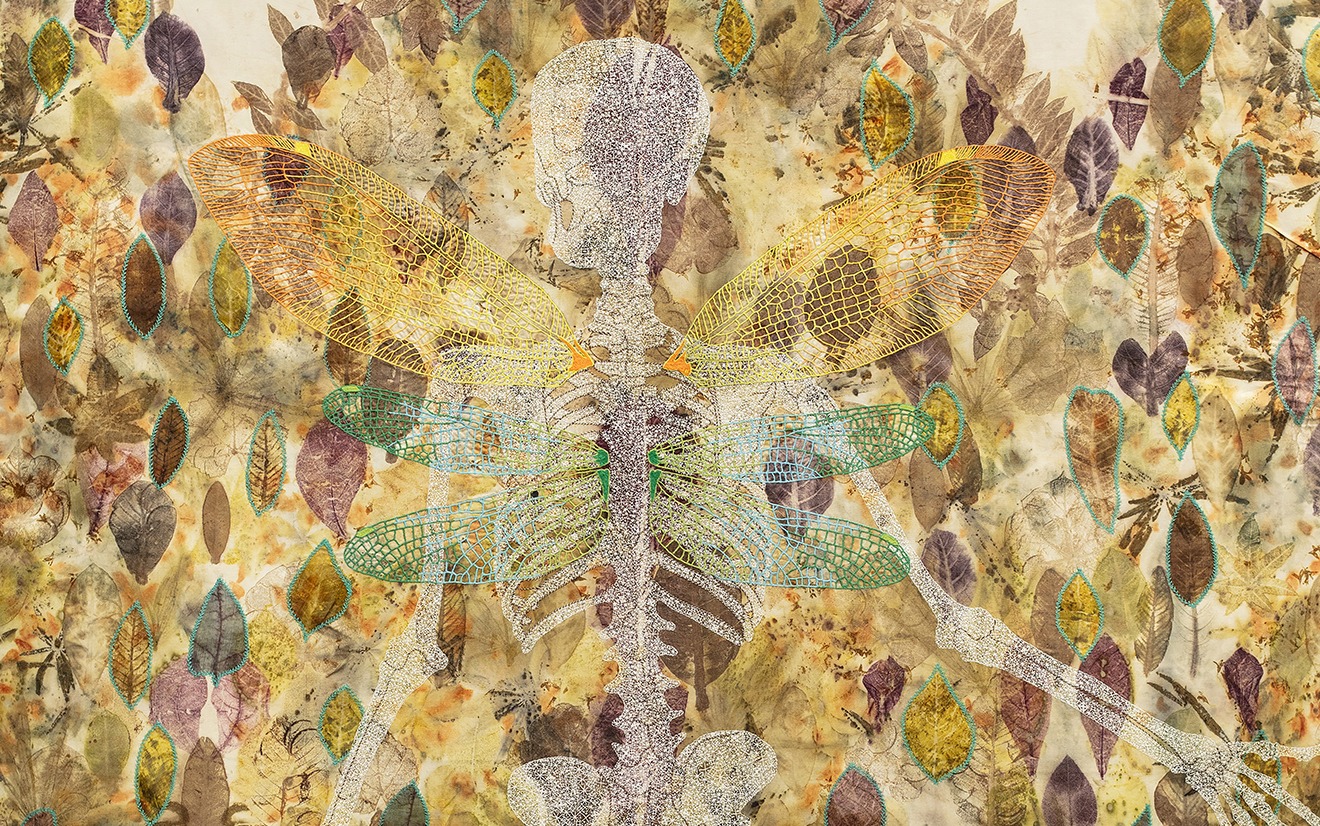
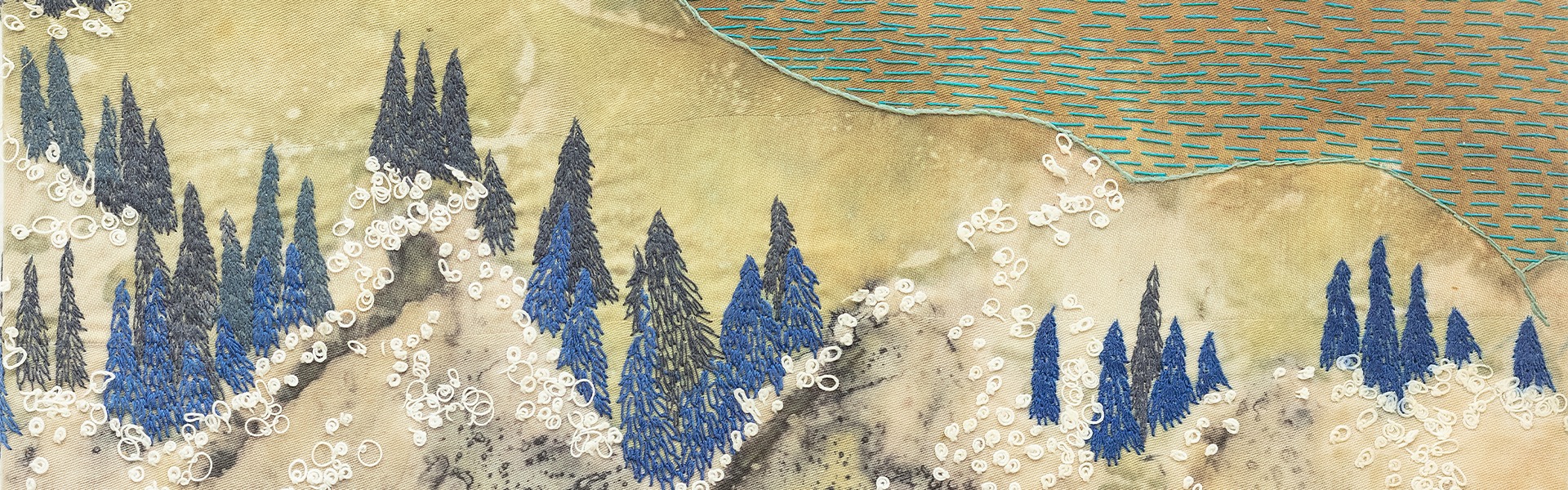
    For Encounters EN10, Silverlens presents Witness, an immersive environment by Geraldine Javier recently featured at the Helsinki Biennial 2025 on Vallisaari Island. This installation consists of eco-printed textile columns resembling trees, utilizing a sustainable process where plant matter is steamed to merge material and memory on the surface of cloth. By transforming natural pigments into a monumental sculptural form, Javier reimagines the dialogue between architecture and ecology. These fabric sentinels stand as quiet witnesses to climate change, imagining landscapes both with and without human presence. The work holds space for nature’s capacity to endure while reflecting on a world in flux.

    Silverlens’ participation in Art Basel Hong Kong 2026 underscores its commitment to championing contemporary art from the Philippines and the Asian diaspora, presenting artists whose work commands global attention. Explore the presentations at Booth 1B12, Kabinett, and Encounters EN10, 25–29 March 2026, at the Hong Kong Convention and Exhibition Centre.

    The fair programming includes Conversations: What Can Art Fairs Do for Curating? on Friday, 27 March 2026, 12:30–1:15 pm HKT, Auditorium N101B, Level 1, Hong Kong Convention & Exhibition Centre. Mami Kataoka, director of Mori Art Museum, moderates a panel with Ari Bayuaji, Geraldine Javier, and Kongkee, exploring curating in non-institutional spaces and the tension between commerce and exhibition-making. The discussion frames Bayuaji’s community-driven textiles, Javier’s nature-infused installations, and Kongkee’s interdisciplinary video work within Encounters, the fair’s two-floor sector inspired by Asia’s ‘five elements’.


    Silverlens 再度參展巴塞爾藝術展香港展會(2026 年 3 月 25 至 29 日),呈獻匯聚多位藝術家的展覽計劃,展現其創作如何形塑菲律賓與東南亞當代藝術的重要面貌。

    Silverlens立足馬尼拉與紐約,本次參展橫跨展位 1B12、「策展角落」(Kabinett)及「藝聚空間」(Encounters)EN10 三個展區。透過歷史與當代立場的對話,在國際語境相互交織與延展中突顯形式之嚴謹、材料之創新與批判之敏銳。

    於展位1B12,Silverlens 將呈獻以下藝術家的作品。這些藝術家的創作雖各具面貌,卻共同致力於拓展抽象與具象表現之間的可能性。

    Pacita Abad(帕西妲·阿巴德,1946–2004)
    Imelda Cajipe Endaya(伊梅爾達·卡希佩·恩達亞,1949 年生於菲律賓馬尼拉)
    Patricia Perez Eustaquio(派翠西亞·伊斯塔柯,1977 年生於菲律賓宿霧)
    Geraldine Javier(杰拉爾丁·哈維爾,1970 年生於菲律賓馬卡蒂市)
    Bernardo Pacquing(貝爾納多·帕斯桂,1967 年生於菲律賓塔拉克)
    Yee I-Lann(於一蘭,1971 年生於馬來西亞沙巴州亞庇)

    Abad 以鮮明的色彩結構見稱; Cajipe Endaya 的創作則以銳利而深刻的政治敘事著稱; Eustaquio 對材料的細緻探索,與Javier 關於記憶與生態的沉思相互呼應。

    Pacquing 的創作重新強調繪畫媒介所蘊含的物理與概念力量,而於一蘭的錄像創作置於更廣闊的東南亞文化脈絡,開展兼具批判與開放視野的討論。

    Silverlens亦會在展位内的「策展角落」(Kabinett)展出Leo Valledor(1936–1989,三藩市)的三件作品。作為菲裔美籍前衛藝術的重要先驅,亦為紐約 Park Place Gallery 的創始成員之一,Valledor 的創作融合其美國西岸文化背景與爵士樂富節奏張力的切分律動,同時呼應60 年代抽象藝術的理性、嚴謹思辨結構。

    在 《Cubibop》(1980)、《Exit》(1970)與《Desire》(1971) 等作品中,他以不規則畫布構成的繪畫形式,引導觀者的視覺感知,而非依循幾何結構的既定法則。這些畫布突破傳統矩形畫面的框架,使繪畫在空間中的存在更為直接而具體。

    透過打破畫面平面的穩定結構,Valledor 重新調整觀者觀看的節奏,在畫布的物質表面與觀看行為之間,形成持續而微妙的張力。

    Silverlens在「藝聚空間」(Encounters)EN10呈獻Geraldine Javier的沉浸式裝置《Witness》。此作品曾於 2025 年赫爾辛基雙年展在壁壘島(Vallisaari Island)展出。裝置由多根以植物移印(eco-printing) 製成的紡織柱體構成,宛如林間樹木。藝術家     採用一種可持續的工法,藉由蒸煮植物原料,使自然物質與記憶交融於織物表面。

    Javier 將這些自然色彩轉化為宏大的雕塑形態,重新思考建築空間與生態環境之間的關係。這些如樹般佇立的紡織柱,彷彿沉默的守望者,無聲見證著氣候變遷,想像著有無人跡的未來景觀。在流轉不息的世界中,作品為自然的頑強生命力留白,同時引導觀者反思人類與環境之間不斷變化的關係。

    Silverlens 參與2026 年巴塞爾藝術展香港展會,進一步彰顯畫廊長期致力推動菲律賓及亞洲離散社群的當代藝術創作,呈現多位在國際藝術舞台上備受關注的藝術家。

    展會將於 2026 年 3 月 25 至 29 日在香港會議展覽中心舉行,誠邀觀眾蒞臨展位 1B12、「策展角落」(Kabinett)及「藝聚空間」(Encounters)EN10,探索 Silverlens 的展覽。

    本屆展會的公眾項目「與巴塞爾藝術展對話」(Conversations)將舉辦名為《藝術展會如何助力藝術策展?》的講座。講座將於2026年3月27日(星期五)香港時間下午 12 時 30 分至 1 時 15 分,在 香港會議展覽中心一樓 N101B 演講廳舉行。届時將由東京森美術館館長片岡真實主持,聯同參展藝術家Ari Bayuaji(阿里.貝瓦吉)、Geraldine Javier(杰拉爾丁·哈維爾)及江記,探討在機構體系以外的空間進行策展的可能,及藝術市場與展覽籌備實踐之間的張力。

    講座討論將結合「藝聚空間」(Encounters)的策展框架,從不同創作實踐出發:包括 Bayuaji 以社群合作為核心的紡織作品、Javier 融合自然元素的裝置創作,以及江記的跨媒介影像創作實踐。「藝聚空間」展區橫跨兩層展廳空間,並以亞洲(哲學中)的「五行」概念為策展靈感。

    Pacita Abad (b. 1946, Batanes, Philippines - d. 2004, Singapore) is known for her large-scale quilted trapunto paintings characterized by vibrant color and accumulated materials. Marked by vivid colors and intricate materials, her expansive paintings span a broad spectrum of themes, drawn in form and concept from a number of ethnic traditions of craft and thought. From portraying tribal masks and social scenes to intricate underwater landscapes and abstract forms, Abad's work transcended borders.

    In 2023, Abad was the subject of a major retrospective exhibition at The Walker Art Center, which traveled later to SFMOMA. The exhibition will then travel to MoMA PS1 and Art Gallery Ontario in 2024–2025. Her work has been featured in solo exhibitions at the National Museum, Jakarta, Indonesia; Hong Kong Arts Centre, Hong Kong, The Museum of Philippine Art, Manila; Cultural Center of the Philippines, Manila; Bhirasri Museum of Modern Art, Bangkok, Thailand; Singapore Tyler Print Institute, Singapore; The National Museum for Women in the Arts, Washington, D.C.; and the National Center of Afro-American Artists, Boston, among others. She has participated in numerous group exhibitions, including: Beyond the Border: Art by Recent Immigrant, Bronx Museum of the Arts, New York; Asia/ America: Identities in Contemporary Asian American Art, a traveling exhibition organized by the Asia Society, New York; Olympiad of Art, National Museum of Modern Art, Seoul, Korea; 2nd Asian Art Show, Fukuoka Art Museum, Fukuoka, Japan; and La Bienal de Habana, Havana, Cuba.

    Imelda Cajipe Endaya’s (b. 1949, Manila, Philippines; lives and works in Manila, Philippines) artistic career has been devoted to contemporary social issues from the viewpoint of women empowerment. In her art, she has dealt with issues such as cultural identity, human rights, migration, family, reproductive health, globalization, children’s rights, environment, and peace. Her mixed media paintings and installations are richly colored and textured with crochet, laces, textiles, window, flatiron, suitcases, papier mache craft, and found objects from home and popular culture. In so doing she developed a visual language that is distinctly womanly and Filipino.

    Endaya is also a writer, curator, and art projects organizer. She co-founded KASIBULAN, a collective of women artists, and Pananaw: Philippine Journal of Visual Arts, an initiative in contemporary art discourse. She was affiliated with the Philippine Association of Printmakers from 1970 to 1976 and the National Commission for Culture and the Arts Committee on Visual Arts from 1995 to 2001.

    Endaya’s works are in the collection of Bangko Sentral ng Pilipinas, Cultural Center of the Philippines, Philippine National Art Gallery, National Gallery of Singapore, Metropolitan Museum Manila, Okinawa Prefectural Museum, and Fukuoka Asian Art Museum. Among her awards are Ani ng Dangal from the National Commission for Culture and the Arts in 2009, Republic of the Philippines CCP Centennial Honors in 1999, Araw ng Maynila Award in 1998, and the CCP Thirteen Artists Award in 1991. An art educator in the non-formal set-up, she conducts lectures and art workshops.

    Patricia Perez Eustaquio (b. 1977, Cebu, Philippines; lives and works in Benguet Province, Philippines) is known for works that span different mediums and disciplines—from paintings, drawings, and sculptures, to the fields of fashion, décor, and craft. She reconciles these intermediary forms through her constant exploration of notions that surround the integrity of appearances and the vanity of objects. Images of detritus, carcasses, and decay are embedded into the handiwork of design, craft, and fashion, while merging the disparate qualities of the maligned and marginalized with the celebrated and desired. From her ornately shaped canvases to sculptures shrouded by fabric, their arrival as fragments, shadows, or memories, according to Eustaquio, underline their aspirations, their vanity, this ‘desire to be desired.’ Her wrought objects (ranging from furniture, textile, brass, and glasswork in manufactured environments) demonstrate these contrasting sensibilities and provide commentary on the mutability of perception, as well as on the constructs of desirability and how it influences life and culture.

    Geraldine Javier (b. 1970 in Makati City, Philippines; lives and works in Batangas, Philippines) is one of the Philippines’ most important and collected contemporary artists. With a Nursing degree from the University of the Philippines that included a top rank in the licensure exams, she took a second university degree in Fine Arts, and pursued an art practice. Since 1995, she has held more than 30 solo exhibitions in the Philippines, Malaysia, South Korea, Singapore, Germany, and China. From 1999 to 2003 she was a member of the Surrounded By Water collective. Much of her early work was in collage form, but it was with paintings that she established her reputation as an inventive artist. These were characterized by either melancholy or wit: death and childhood were frequent subject matters. By 2008, she was making fabric works with the paintings and combining them in installations; exhibitions were a mixture of paintings, installations and objects. Paintings would often have collaged elements, notably preserved beetles and butterflies. In 2013, she moved south from Manila to the countryside in the district of Batangas. Her work increasingly dealt with our relationship with nature. Current projects often involve the participation of the women in the community where she lives. In 2019 she exhibited at the Havana Biennial. Around this time, she began exploring two new forms of painting: palimpsestic and encaustic (with use of blowtorch).

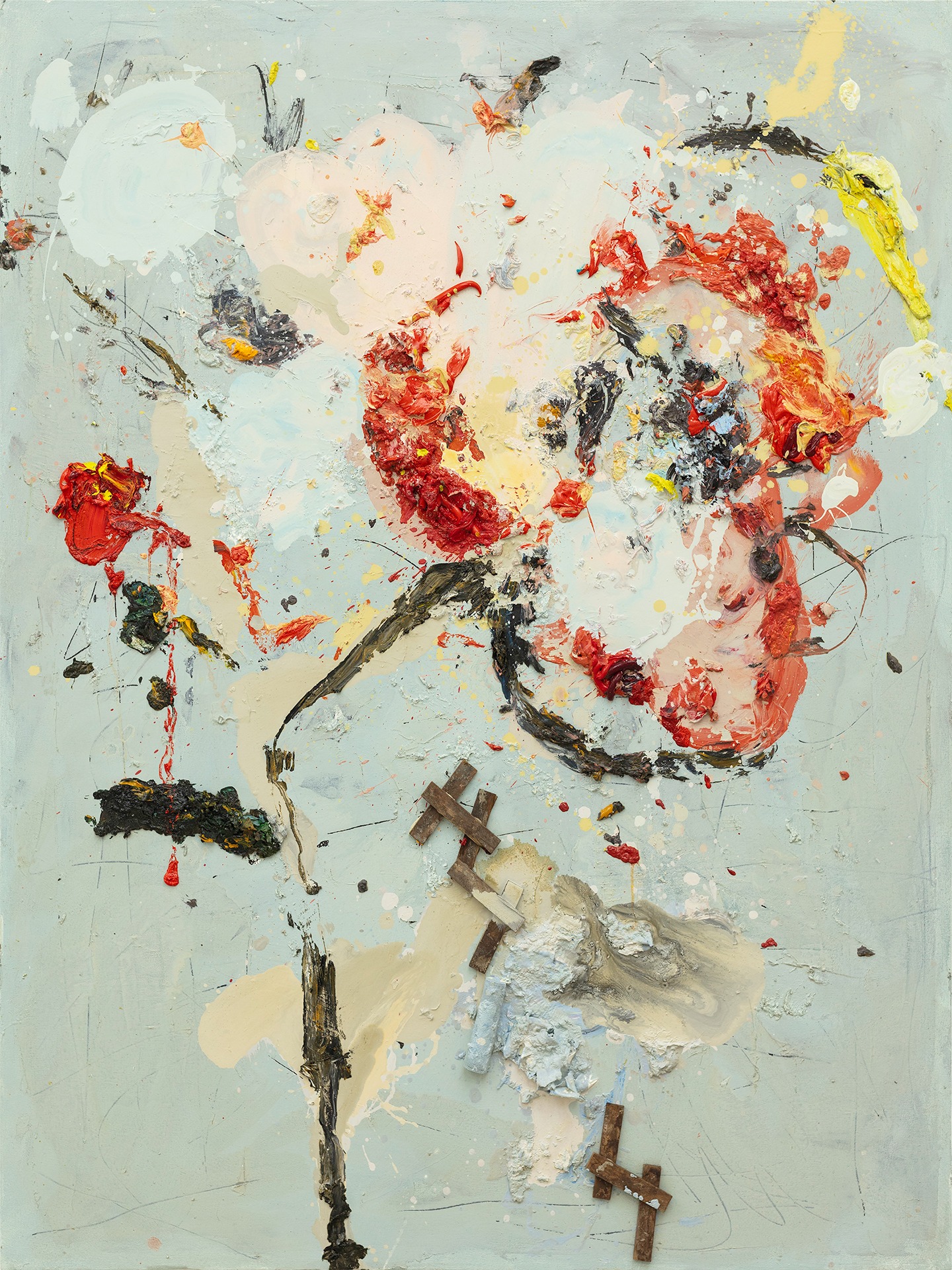
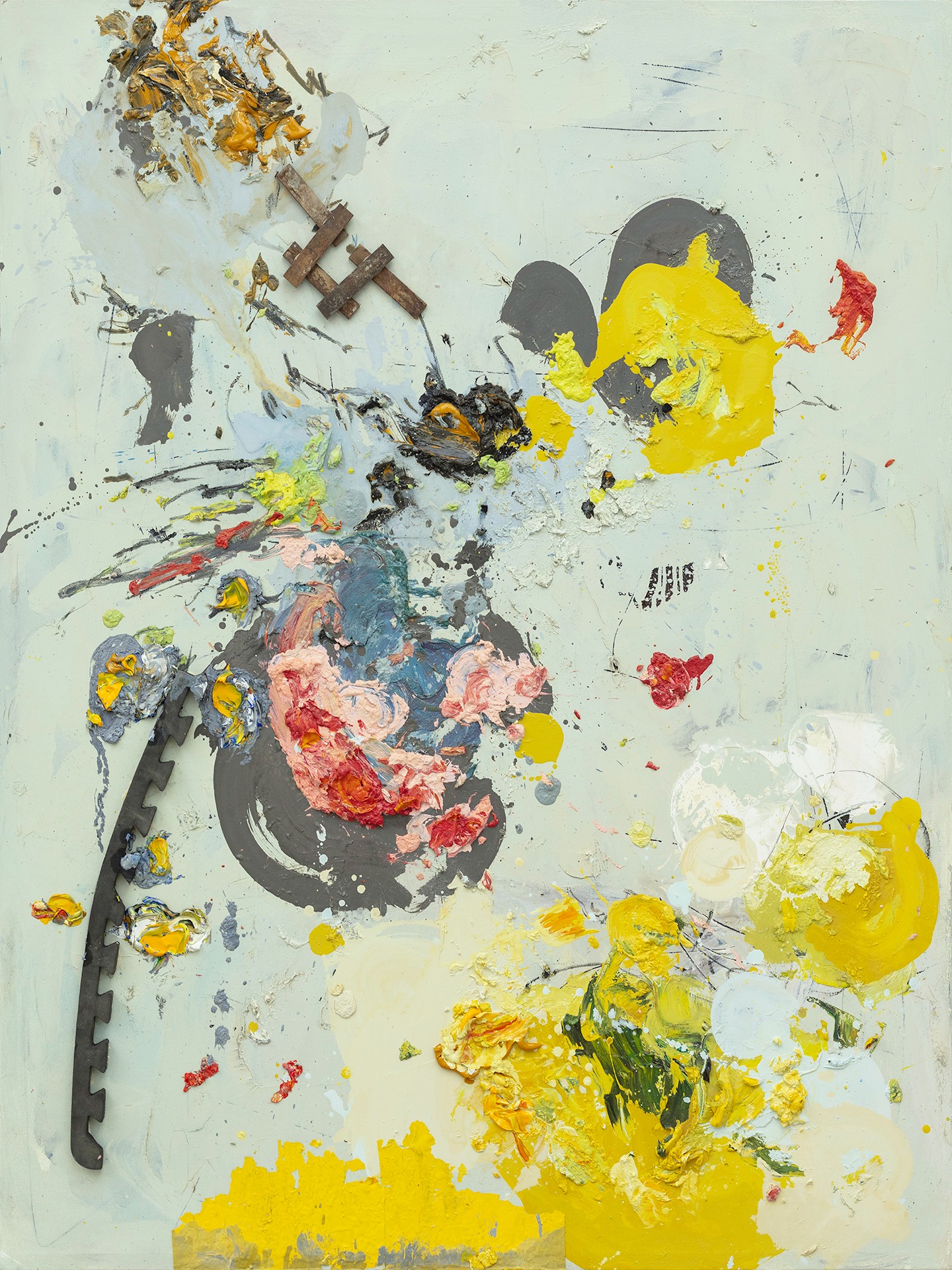
    Bernardo Pacquing (b. 1967, Tarlac, Philippines; lives and works in Parañaque City, Philippines and Singapore) is an artist broadening the expressive possibilities of abstraction in painting and sculpture. Incorporating diverse found objects that challenge conventional perceptions of aesthetic representation, form, and value, his work displaces the idea of unequivocal forms, introducing possibilities for the coexistence of affirmations and denials.

    He was twice awarded the Grand Prize for the Art Association of the Philippines Open Art Competition (Painting, Non-Representation) in 1992 and 1999. He is also a recipient of the Cultural Center of the Philippines Thirteen Artists Award in 2000, an award given to exemplary artists in the field of contemporary visual art. Pacquing received a Freeman Fellowship Grant for a residency at the Vermont Studio Center in the United States.

    Leo Valledor (b. 1936 - d. 1989, San Francisco, USA) was a San Francisco-born, New York- based abstractionist and founding member of downtown Manhattan’s trailblazing Park Place Gallery, an artist collective and exhibition venue founded by ten emerging artists, many of whom are now recognized as among the most influential Modernists in American history.

    Valledor’s strong understanding of color optics, geometric planes and dimensional illusion combined with shaped canvases to engage the viewing space in powerful ways. Influenced by luminaries such as Ellsworth Kelly and Frank Stella, Valledor’s work resonated with the color- field and minimalist aesthetics, distinguished by his inventive manipulation of space, shape, and color.

    Valledor’s artistic legacy continues to reverberate through collections nationwide, with works in prominent collections including The Whitney Museum of American Art in New York, the San Francisco Museum of Modern Art, and the Philadelphia Museum of Art. Leo Valledor’s work has been exhibited at the San Francisco Museum of Modern Art, Daniel Weinberg Gallery, M. H. de Young Memorial Museum, and the Los Angeles Museum of Contemporary Art.

    Yee I-Lann (b. 1971, Kota Kinabalu, Sabah, Malaysia; lives and works in Kota Kinabalu) is a leading contemporary artist recognized for her predominantly photomedia-based practice. With acuity and wit, her digital photo collages delve into the evolving intersection of power, colonialism, and neo-colonialism in Southeast Asia, shedding light on the influence of historical memory in social experiences. Often centering on counter-narratives or ‘histories from below,’ she has recently begun collaborative work with sea-based and land-based communities, as well as indigenous mediums in Sabah, Malaysia.

    Yee has exhibited widely in museums in Asia, Europe, Australia, and the United States, with notable retrospectives including Fluid World, a 2011 survey of her major works at Adelaide’s Contemporary Art Centre of South Australia; and Yee I-Lann: 2005-2016 in 2016 at the Ayala Museum in Manila, the Philippines. Selected recent solo exhibitions include: ZIGAZIG ah!, Silverlens, Manila, Philippines (2019); Yee I-Lann & Collaborators: Borneo Heart, Sabah International Convention Centre, Kota Kinabalu, Malaysia (2021) and Yee I-Lann: Until We Hug Again, CHAT (Centre for Heritage, Arts & Textile), Hong Kong (2021), and At the Roof of the Mouth, Silverlens New York (2022). In 2023, she worked with RogueArt and six spaces in the city to mount the project Borneo Heart in Kuala Lumpur, with support from Silverlens.

Silverlens returns to Art Basel Hong Kong, 25–29 March 2026, with a presentation that brings together artists whose practices have defined contemporary art in the Philippines and Southeast Asia. Across Booth 1B12, Kabinett, and Encounters EN10, the Manila and New York based gallery articulates a dialogue between historic and current positions, foregrounding formal rigor, material innovation, and critical acuity within an international context.

At Booth 1B12, works by Pacita Abad (1946–2004), Imelda Cajipe Endaya (b. 1949, Manila, Philippines; lives and works in Manila), Patricia Perez Eustaquio (b. 1977, Cebu, Philippines; lives and works in Benguet Province, Philippines), Geraldine Javier (b. 1970, Makati City, Philippines; lives and works in Batangas, Philippines), Bernardo Pacquing (b. 1967, Tarlac, Philippines; lives and works in Parañaque City, Philippines and Singapore), and Yee I-Lann (b. 1971, Kota Kinabalu, Sabah, Malaysia; lives and works in Kota Kinabalu) highlight a shared commitment to expanding the possibilities of abstraction and figuration. Abad’s commanding chromatic structures, Cajipe Endaya’s incisive political narratives, and Eustaquio’s exacting material investigations unfold alongside Javier’s layered meditations on memory and ecology. Pacquing reasserts painting’s physical and conceptual force, while Yee I-Lann situates image-making within a broader Southeast Asian discourse that is both critical and expansive.

Within the booth, Silverlens dedicates its Kabinett, a space architecturally delineated for focused presentations, to three works by Leo Valledor (b. 1936 - d. 1989, San Francisco, USA). As a pioneer of the Filipino-American avant-garde and a founding member of New York’s Park Place Gallery, Valledor fused his West Coast roots and the syncopation of jazz with the intellectual rigor of 1960s abstraction. In works such as Cubibop (1980), Exit (1970), and Desire (1971), his shaped canvases serve as perceptual devices rather than mathematical doctrines. By unsettling the stability of the picture plane, Valledor recalibrates the surrounding tempo and establishes a lingering tension between the physical surface and the act of seeing.

For Encounters EN10, Silverlens presents Witness, an immersive environment by Geraldine Javier recently featured at the Helsinki Biennial 2025 on Vallisaari Island. This installation consists of eco-printed textile columns resembling trees, utilizing a sustainable process where plant matter is steamed to merge material and memory on the surface of cloth. By transforming natural pigments into a monumental sculptural form, Javier reimagines the dialogue between architecture and ecology. These fabric sentinels stand as quiet witnesses to climate change, imagining landscapes both with and without human presence. The work holds space for nature’s capacity to endure while reflecting on a world in flux.

Silverlens’ participation in Art Basel Hong Kong 2026 underscores its commitment to championing contemporary art from the Philippines and the Asian diaspora, presenting artists whose work commands global attention. Explore the presentations at Booth 1B12, Kabinett, and Encounters EN10, 25–29 March 2026, at the Hong Kong Convention and Exhibition Centre.

The fair programming includes Conversations: What Can Art Fairs Do for Curating? on Friday, 27 March 2026, 12:30–1:15 pm HKT, Auditorium N101B, Level 1, Hong Kong Convention & Exhibition Centre. Mami Kataoka, director of Mori Art Museum, moderates a panel with Ari Bayuaji, Geraldine Javier, and Kongkee, exploring curating in non-institutional spaces and the tension between commerce and exhibition-making. The discussion frames Bayuaji’s community-driven textiles, Javier’s nature-infused installations, and Kongkee’s interdisciplinary video work within Encounters, the fair’s two-floor sector inspired by Asia’s ‘five elements’.


Silverlens 再度參展巴塞爾藝術展香港展會(2026 年 3 月 25 至 29 日),呈獻匯聚多位藝術家的展覽計劃,展現其創作如何形塑菲律賓與東南亞當代藝術的重要面貌。

Silverlens立足馬尼拉與紐約,本次參展橫跨展位 1B12、「策展角落」(Kabinett)及「藝聚空間」(Encounters)EN10 三個展區。透過歷史與當代立場的對話,在國際語境相互交織與延展中突顯形式之嚴謹、材料之創新與批判之敏銳。

於展位1B12,Silverlens 將呈獻以下藝術家的作品。這些藝術家的創作雖各具面貌,卻共同致力於拓展抽象與具象表現之間的可能性。

Pacita Abad(帕西妲·阿巴德,1946–2004)
Imelda Cajipe Endaya(伊梅爾達·卡希佩·恩達亞,1949 年生於菲律賓馬尼拉)
Patricia Perez Eustaquio(派翠西亞·伊斯塔柯,1977 年生於菲律賓宿霧)
Geraldine Javier(杰拉爾丁·哈維爾,1970 年生於菲律賓馬卡蒂市)
Bernardo Pacquing(貝爾納多·帕斯桂,1967 年生於菲律賓塔拉克)
Yee I-Lann(於一蘭,1971 年生於馬來西亞沙巴州亞庇)

Abad 以鮮明的色彩結構見稱; Cajipe Endaya 的創作則以銳利而深刻的政治敘事著稱; Eustaquio 對材料的細緻探索,與Javier 關於記憶與生態的沉思相互呼應。

Pacquing 的創作重新強調繪畫媒介所蘊含的物理與概念力量,而於一蘭的錄像創作置於更廣闊的東南亞文化脈絡,開展兼具批判與開放視野的討論。

Silverlens亦會在展位内的「策展角落」(Kabinett)展出Leo Valledor(1936–1989,三藩市)的三件作品。作為菲裔美籍前衛藝術的重要先驅,亦為紐約 Park Place Gallery 的創始成員之一,Valledor 的創作融合其美國西岸文化背景與爵士樂富節奏張力的切分律動,同時呼應60 年代抽象藝術的理性、嚴謹思辨結構。

在 《Cubibop》(1980)、《Exit》(1970)與《Desire》(1971) 等作品中,他以不規則畫布構成的繪畫形式,引導觀者的視覺感知,而非依循幾何結構的既定法則。這些畫布突破傳統矩形畫面的框架,使繪畫在空間中的存在更為直接而具體。

透過打破畫面平面的穩定結構,Valledor 重新調整觀者觀看的節奏,在畫布的物質表面與觀看行為之間,形成持續而微妙的張力。

Silverlens在「藝聚空間」(Encounters)EN10呈獻Geraldine Javier的沉浸式裝置《Witness》。此作品曾於 2025 年赫爾辛基雙年展在壁壘島(Vallisaari Island)展出。裝置由多根以植物移印(eco-printing) 製成的紡織柱體構成,宛如林間樹木。藝術家     採用一種可持續的工法,藉由蒸煮植物原料,使自然物質與記憶交融於織物表面。

Javier 將這些自然色彩轉化為宏大的雕塑形態,重新思考建築空間與生態環境之間的關係。這些如樹般佇立的紡織柱,彷彿沉默的守望者,無聲見證著氣候變遷,想像著有無人跡的未來景觀。在流轉不息的世界中,作品為自然的頑強生命力留白,同時引導觀者反思人類與環境之間不斷變化的關係。

Silverlens 參與2026 年巴塞爾藝術展香港展會,進一步彰顯畫廊長期致力推動菲律賓及亞洲離散社群的當代藝術創作,呈現多位在國際藝術舞台上備受關注的藝術家。

展會將於 2026 年 3 月 25 至 29 日在香港會議展覽中心舉行,誠邀觀眾蒞臨展位 1B12、「策展角落」(Kabinett)及「藝聚空間」(Encounters)EN10,探索 Silverlens 的展覽。

本屆展會的公眾項目「與巴塞爾藝術展對話」(Conversations)將舉辦名為《藝術展會如何助力藝術策展?》的講座。講座將於2026年3月27日(星期五)香港時間下午 12 時 30 分至 1 時 15 分,在 香港會議展覽中心一樓 N101B 演講廳舉行。届時將由東京森美術館館長片岡真實主持,聯同參展藝術家Ari Bayuaji(阿里.貝瓦吉)、Geraldine Javier(杰拉爾丁·哈維爾)及江記,探討在機構體系以外的空間進行策展的可能,及藝術市場與展覽籌備實踐之間的張力。

講座討論將結合「藝聚空間」(Encounters)的策展框架,從不同創作實踐出發:包括 Bayuaji 以社群合作為核心的紡織作品、Javier 融合自然元素的裝置創作,以及江記的跨媒介影像創作實踐。「藝聚空間」展區橫跨兩層展廳空間,並以亞洲(哲學中)的「五行」概念為策展靈感。

Pacita Abad (b. 1946, Batanes, Philippines - d. 2004, Singapore) is known for her large-scale quilted trapunto paintings characterized by vibrant color and accumulated materials. Marked by vivid colors and intricate materials, her expansive paintings span a broad spectrum of themes, drawn in form and concept from a number of ethnic traditions of craft and thought. From portraying tribal masks and social scenes to intricate underwater landscapes and abstract forms, Abad's work transcended borders.

In 2023, Abad was the subject of a major retrospective exhibition at The Walker Art Center, which traveled later to SFMOMA. The exhibition will then travel to MoMA PS1 and Art Gallery Ontario in 2024–2025. Her work has been featured in solo exhibitions at the National Museum, Jakarta, Indonesia; Hong Kong Arts Centre, Hong Kong, The Museum of Philippine Art, Manila; Cultural Center of the Philippines, Manila; Bhirasri Museum of Modern Art, Bangkok, Thailand; Singapore Tyler Print Institute, Singapore; The National Museum for Women in the Arts, Washington, D.C.; and the National Center of Afro-American Artists, Boston, among others. She has participated in numerous group exhibitions, including: Beyond the Border: Art by Recent Immigrant, Bronx Museum of the Arts, New York; Asia/ America: Identities in Contemporary Asian American Art, a traveling exhibition organized by the Asia Society, New York; Olympiad of Art, National Museum of Modern Art, Seoul, Korea; 2nd Asian Art Show, Fukuoka Art Museum, Fukuoka, Japan; and La Bienal de Habana, Havana, Cuba.

Imelda Cajipe Endaya’s (b. 1949, Manila, Philippines; lives and works in Manila, Philippines) artistic career has been devoted to contemporary social issues from the viewpoint of women empowerment. In her art, she has dealt with issues such as cultural identity, human rights, migration, family, reproductive health, globalization, children’s rights, environment, and peace. Her mixed media paintings and installations are richly colored and textured with crochet, laces, textiles, window, flatiron, suitcases, papier mache craft, and found objects from home and popular culture. In so doing she developed a visual language that is distinctly womanly and Filipino.

Endaya is also a writer, curator, and art projects organizer. She co-founded KASIBULAN, a collective of women artists, and Pananaw: Philippine Journal of Visual Arts, an initiative in contemporary art discourse. She was affiliated with the Philippine Association of Printmakers from 1970 to 1976 and the National Commission for Culture and the Arts Committee on Visual Arts from 1995 to 2001.

Endaya’s works are in the collection of Bangko Sentral ng Pilipinas, Cultural Center of the Philippines, Philippine National Art Gallery, National Gallery of Singapore, Metropolitan Museum Manila, Okinawa Prefectural Museum, and Fukuoka Asian Art Museum. Among her awards are Ani ng Dangal from the National Commission for Culture and the Arts in 2009, Republic of the Philippines CCP Centennial Honors in 1999, Araw ng Maynila Award in 1998, and the CCP Thirteen Artists Award in 1991. An art educator in the non-formal set-up, she conducts lectures and art workshops.

Patricia Perez Eustaquio (b. 1977, Cebu, Philippines; lives and works in Benguet Province, Philippines) is known for works that span different mediums and disciplines—from paintings, drawings, and sculptures, to the fields of fashion, décor, and craft. She reconciles these intermediary forms through her constant exploration of notions that surround the integrity of appearances and the vanity of objects. Images of detritus, carcasses, and decay are embedded into the handiwork of design, craft, and fashion, while merging the disparate qualities of the maligned and marginalized with the celebrated and desired. From her ornately shaped canvases to sculptures shrouded by fabric, their arrival as fragments, shadows, or memories, according to Eustaquio, underline their aspirations, their vanity, this ‘desire to be desired.’ Her wrought objects (ranging from furniture, textile, brass, and glasswork in manufactured environments) demonstrate these contrasting sensibilities and provide commentary on the mutability of perception, as well as on the constructs of desirability and how it influences life and culture.

Geraldine Javier (b. 1970 in Makati City, Philippines; lives and works in Batangas, Philippines) is one of the Philippines’ most important and collected contemporary artists. With a Nursing degree from the University of the Philippines that included a top rank in the licensure exams, she took a second university degree in Fine Arts, and pursued an art practice. Since 1995, she has held more than 30 solo exhibitions in the Philippines, Malaysia, South Korea, Singapore, Germany, and China. From 1999 to 2003 she was a member of the Surrounded By Water collective. Much of her early work was in collage form, but it was with paintings that she established her reputation as an inventive artist. These were characterized by either melancholy or wit: death and childhood were frequent subject matters. By 2008, she was making fabric works with the paintings and combining them in installations; exhibitions were a mixture of paintings, installations and objects. Paintings would often have collaged elements, notably preserved beetles and butterflies. In 2013, she moved south from Manila to the countryside in the district of Batangas. Her work increasingly dealt with our relationship with nature. Current projects often involve the participation of the women in the community where she lives. In 2019 she exhibited at the Havana Biennial. Around this time, she began exploring two new forms of painting: palimpsestic and encaustic (with use of blowtorch).

Bernardo Pacquing (b. 1967, Tarlac, Philippines; lives and works in Parañaque City, Philippines and Singapore) is an artist broadening the expressive possibilities of abstraction in painting and sculpture. Incorporating diverse found objects that challenge conventional perceptions of aesthetic representation, form, and value, his work displaces the idea of unequivocal forms, introducing possibilities for the coexistence of affirmations and denials.

He was twice awarded the Grand Prize for the Art Association of the Philippines Open Art Competition (Painting, Non-Representation) in 1992 and 1999. He is also a recipient of the Cultural Center of the Philippines Thirteen Artists Award in 2000, an award given to exemplary artists in the field of contemporary visual art. Pacquing received a Freeman Fellowship Grant for a residency at the Vermont Studio Center in the United States.

Leo Valledor (b. 1936 - d. 1989, San Francisco, USA) was a San Francisco-born, New York- based abstractionist and founding member of downtown Manhattan’s trailblazing Park Place Gallery, an artist collective and exhibition venue founded by ten emerging artists, many of whom are now recognized as among the most influential Modernists in American history.

Valledor’s strong understanding of color optics, geometric planes and dimensional illusion combined with shaped canvases to engage the viewing space in powerful ways. Influenced by luminaries such as Ellsworth Kelly and Frank Stella, Valledor’s work resonated with the color- field and minimalist aesthetics, distinguished by his inventive manipulation of space, shape, and color.

Valledor’s artistic legacy continues to reverberate through collections nationwide, with works in prominent collections including The Whitney Museum of American Art in New York, the San Francisco Museum of Modern Art, and the Philadelphia Museum of Art. Leo Valledor’s work has been exhibited at the San Francisco Museum of Modern Art, Daniel Weinberg Gallery, M. H. de Young Memorial Museum, and the Los Angeles Museum of Contemporary Art.

Yee I-Lann (b. 1971, Kota Kinabalu, Sabah, Malaysia; lives and works in Kota Kinabalu) is a leading contemporary artist recognized for her predominantly photomedia-based practice. With acuity and wit, her digital photo collages delve into the evolving intersection of power, colonialism, and neo-colonialism in Southeast Asia, shedding light on the influence of historical memory in social experiences. Often centering on counter-narratives or ‘histories from below,’ she has recently begun collaborative work with sea-based and land-based communities, as well as indigenous mediums in Sabah, Malaysia.

Yee has exhibited widely in museums in Asia, Europe, Australia, and the United States, with notable retrospectives including Fluid World, a 2011 survey of her major works at Adelaide’s Contemporary Art Centre of South Australia; and Yee I-Lann: 2005-2016 in 2016 at the Ayala Museum in Manila, the Philippines. Selected recent solo exhibitions include: ZIGAZIG ah!, Silverlens, Manila, Philippines (2019); Yee I-Lann & Collaborators: Borneo Heart, Sabah International Convention Centre, Kota Kinabalu, Malaysia (2021) and Yee I-Lann: Until We Hug Again, CHAT (Centre for Heritage, Arts & Textile), Hong Kong (2021), and At the Roof of the Mouth, Silverlens New York (2022). In 2023, she worked with RogueArt and six spaces in the city to mount the project Borneo Heart in Kuala Lumpur, with support from Silverlens.

PHA+PHN0cm9uZz5TSUxWRVJMRU5TPC9zdHJvbmc+IGlzIGNvbW1pdHRlZCB0byBwcm90ZWN0aW5nIHlvdXIgcHJpdmFjeS4gSW4gY29tcGxpYW5jZSB3aXRoIHRoZSBQaGlsaXBwaW5lIFJlcHVibGljIEFjdCwgTm8uIDEwMTczIGJldHRlciBrbm93biBhcyB0aGUgMjAxMiBEYXRhIFByaXZhY3kgQWN0LCB3ZSBjYW4gb25seSB1c2UgdGhlIGluZm9ybWF0aW9uIHRoYXQgd2Ugb2J0YWluIGFib3V0IHlvdSBsYXdmdWxseS4gV2UgbWF5IGNvbGxlY3QgcGVyc29uYWwgaW5mb3JtYXRpb24gYWJvdXQgeW91IHdoZW4geW91IHNpZ24gdXAgZm9yIG91ciBuZXdzbGV0dGVyIG9yIGNvbnRhY3QgdXMgd2l0aCBhbiBpbnF1aXJ5LjwvcD4KPHA+VGhlIHR5cGUgb2YgaW5mb3JtYXRpb24gd2UgbWF5IGNvbGxlY3QgaW5jbHVkZXMgeW91ciA8c3Ryb25nPk5hbWU8L3N0cm9uZz4sIDxzdHJvbmc+RW1haWw8L3N0cm9uZz4sIGFuZCA8c3Ryb25nPkNvbnRhY3QgTnVtYmVyPC9zdHJvbmc+LjwvcD4KPHA+V2UgbWF5IGNvbGxlY3QgcGF5bWVudCBpbmZvcm1hdGlvbiBmcm9tIHlvdSB0byBmdWxmaWxsIHRyYW5zYWN0aW9ucy4gVG8gcHJvY2VzcyBwYXltZW50cywgd2UgbWF5IGNvbGxlY3QgeW91ciBjcmVkaXQgY2FyZCBhbmQgYmFuayBhY2NvdW50IGRldGFpbHMuIFRoaXMgaW5mb3JtYXRpb24gbWF5IGJlIHNoYXJlZCB3aXRoIHRoaXJkIHBhcnR5IHBheW1lbnQgcHJvY2Vzc2luZyBzZXJ2aWNlcy48L3A+CjxwPlRvIGRlbGl2ZXIgeW91ciBwdXJjaGFzZSwgd2UgbWF5IHByb3ZpZGUgeW91ciBwZXJzb25hbCBpbmZvcm1hdGlvbiB0byB0aGlyZC1wYXJ0eSBsb2dpc3RpY3MgY29tcGFuaWVzIHdobyBhc3Npc3QgdXMgd2l0aCBvdXIgZGVsaXZlcmllcyBhbmQgc2hpcG1lbnRzLjwvcD4KPHA+VGhlIHBlcnNvbmFsIGluZm9ybWF0aW9uIHdoaWNoIHdlIGhvbGQgd2lsbCBiZSBoZWxkIHNlY3VyZWx5IGluIGFjY29yZGFuY2Ugd2l0aCBvdXIgaW50ZXJuYWwgc2VjdXJpdHkgcG9saWN5LiBXZSB3aWxsIG5ldmVyIGNvbGxlY3QgaW5mb3JtYXRpb24gYWJvdXQgeW91IHdpdGhvdXQgeW91ciBleHBsaWNpdCBjb25zZW50LjwvcD4KPHA+VGhlIGluZm9ybWF0aW9uIHdlIHN0b3JlIHdpbGwgYmUgYWNjdXJhdGUgYW5kIHVwIHRvIGRhdGUuIFlvdSBjYW4gY2hlY2sgdGhlIGluZm9ybWF0aW9uIHRoYXQgd2UgaG9sZCBhYm91dCB5b3UgYnkgZW1haWxpbmcgdXMuIElmIHlvdSBmaW5kIHRoYXQgdGhlcmUgYXJlIGFueSBpbmFjY3VyYWNpZXMsIHdlIHdpbGwgZGVsZXRlIG9yIGNvcnJlY3QgaXQgcHJvbXB0bHkuPC9wPgo8cD5XZSBtYXkgdXNlIHRlY2hub2xvZ3kgdG8gdHJhY2sgdGhlIHBhdHRlcm5zIG9mIGJlaGF2aW9yIG9mIHZpc2l0b3JzIHRvIG91ciB3ZWJzaXRlLiBUaGlzIG1heSBpbmNsdWRlIHVzaW5nIGEgImNvb2tpZSIgc3RvcmVkIG9uIHlvdXIgYnJvd3NlciB3aGljaCB5b3UgY2FuIHVzdWFsbHkgbW9kaWZ5IHRocm91Z2ggeW91ciBicm93c2VyIHRvIHByZXZlbnQgdGhpcyBmcm9tIGhhcHBlbmluZy48L3A+CjxwPldlIHdpbGwgcmV0YWluIHlvdXIgcGVyc29uYWwgaW5mb3JtYXRpb24gb25seSB3aGlsZSB3ZSBuZWVkIGl0IGZvciB0aGUgcmVhc29ucyBzdGF0ZWQgYWJvdmUgb3IgdW50aWwgeW91IHJlcXVlc3QgdGhhdCB3ZSBkZWxldGUgaXQgb24gb3VyIHJlY29yZHMuPC9wPgo8cD5JZiB5b3UgaGF2ZSBhbnkgcXVlc3Rpb25zIG9yIGNvbW1lbnRzIGFib3V0IG91ciBwcml2YWN5LCBwbGVhc2UgY29udGFjdCB1cyBhdCA8YSBocmVmPSJtYWlsdG86aW5xdWlyeUBzaWx2ZXJsZW5zZ2FsbGVyaWVzLmNvbSI+aW5xdWlyeUBzaWx2ZXJsZW5zZ2FsbGVyaWVzLmNvbTwvYT48L3A+
R2FpbiBhY2Nlc3MgdG8gZXhjbHVzaXZlIGdhbGxlcnkgaW5mb3JtYXRpb24sIGxhdGVzdCBleGhpYml0aW9ucywgPGJyIC8+CmFuZCBhcnRpc3QgdXBkYXRlcyBieSBzaWduaW5nIHVwIGZvciBvdXIgbmV3c2xldHRlciBiZWxvdy4=