Pound of Flesh

Jen Liu
Silverlens, New York

About

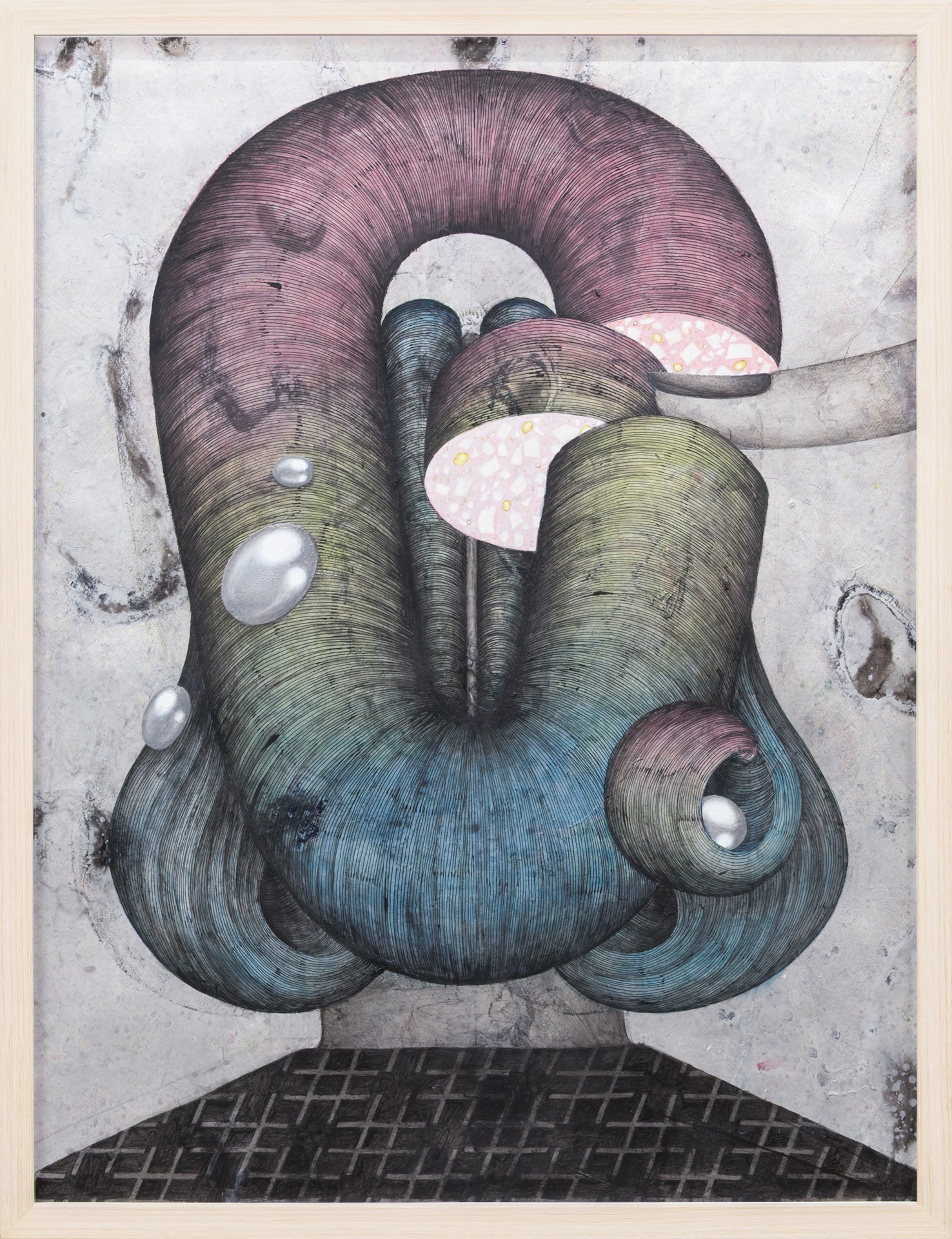
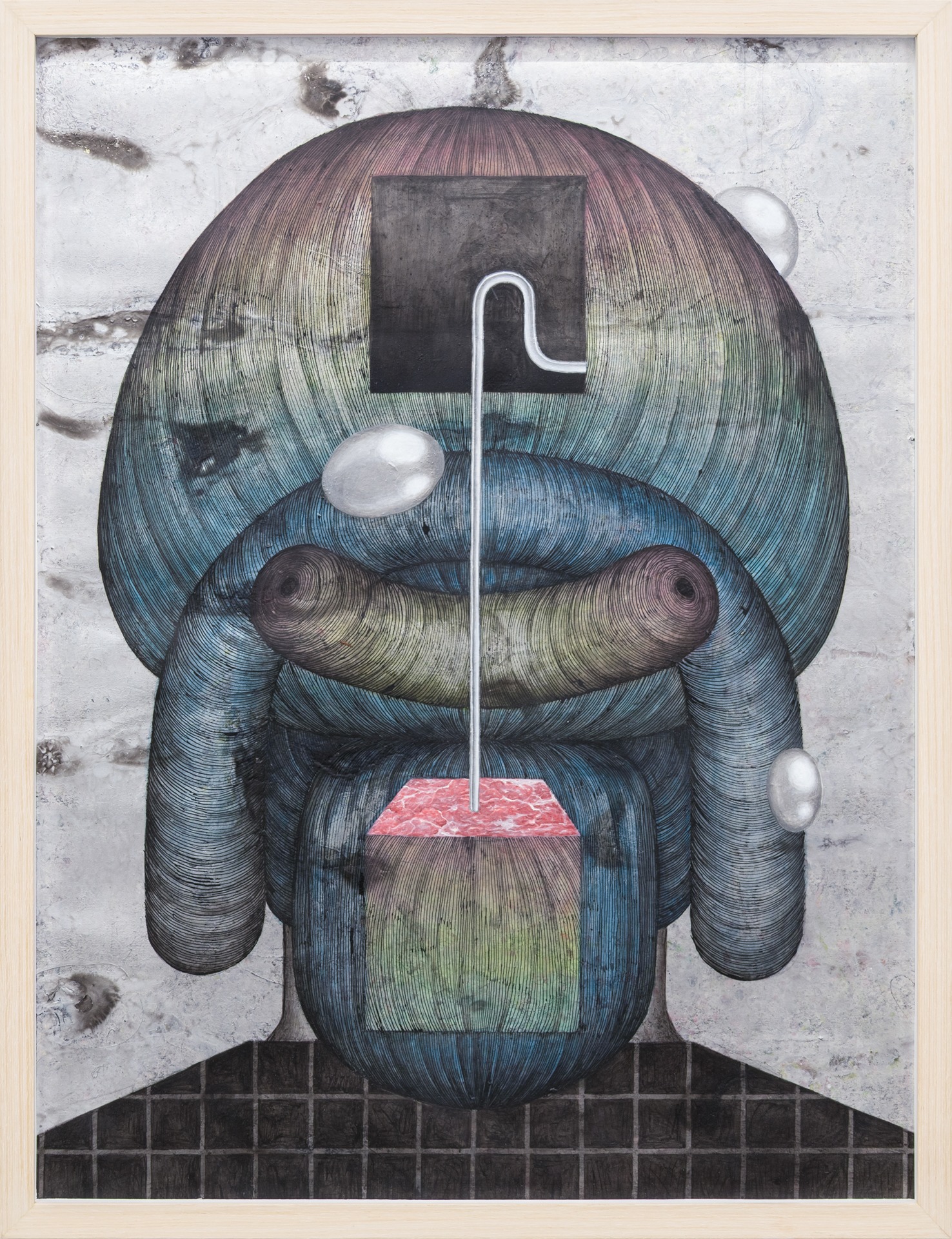
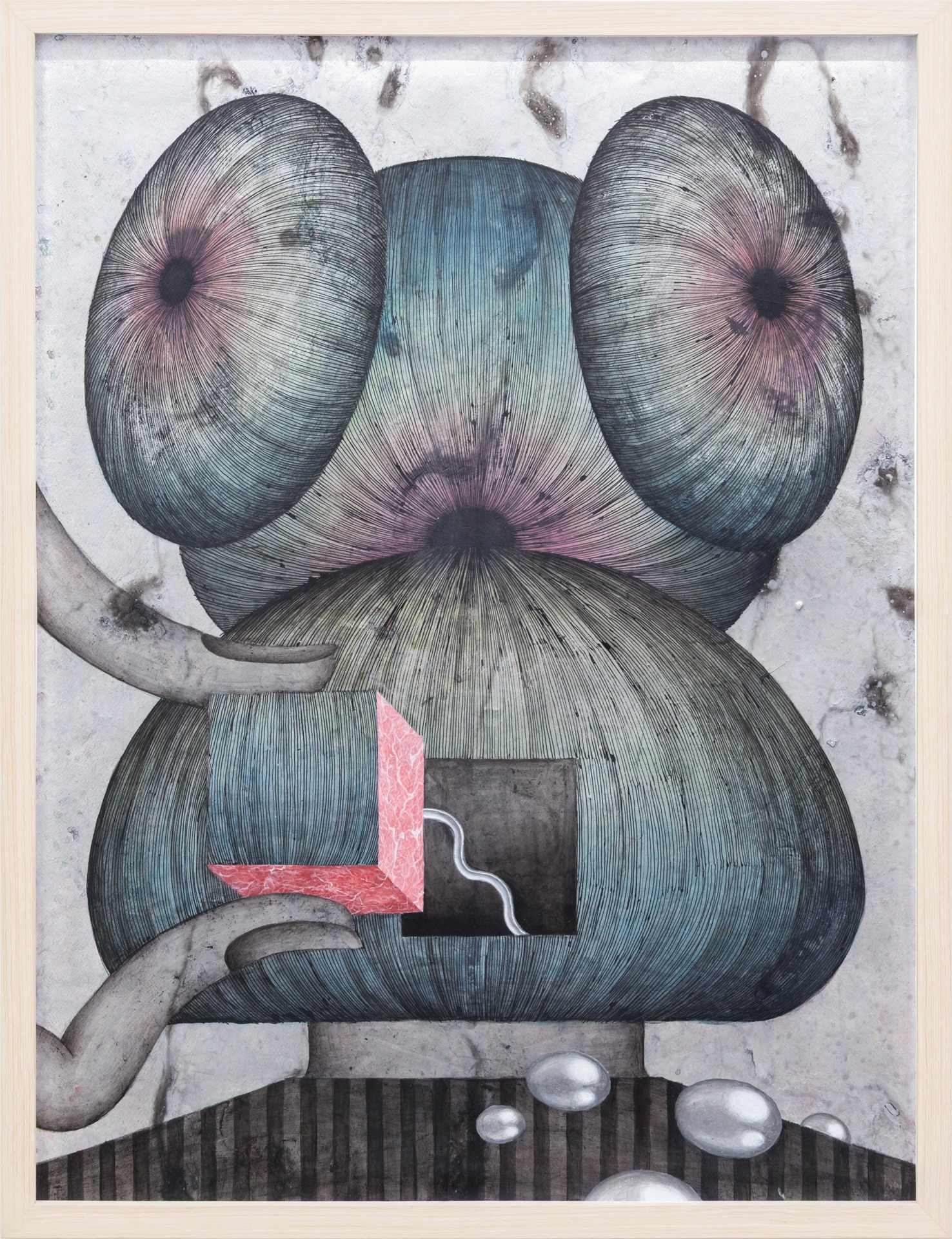
    Jen Liu excavates a haunting parallel: the invisible labor sustaining our digital present finds its mirror in the erased histories of Chinese migrant women who entered the United States between 1850 and 1899. 

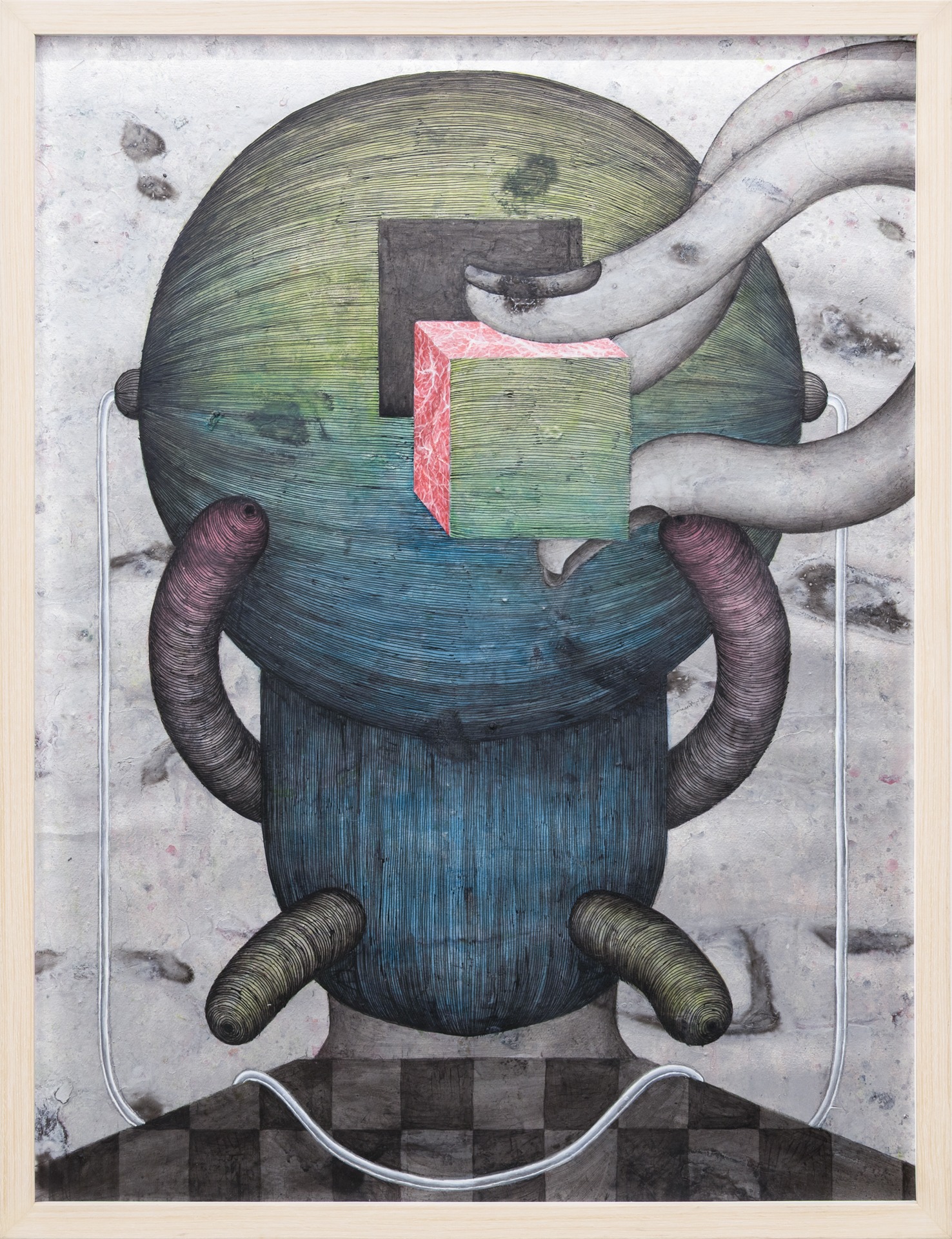
    Liu researches immigration case files from the Port of San Francisco, each containing the same fabricated story—women coached with scripted accounts of being born in San Francisco, visiting China, and now coming home. Their ability to enter and stay in the country depended on their invisibility.. Here, Liu paints portraits that refuse us the face. Instead, we encounter the backs of women’s heads.

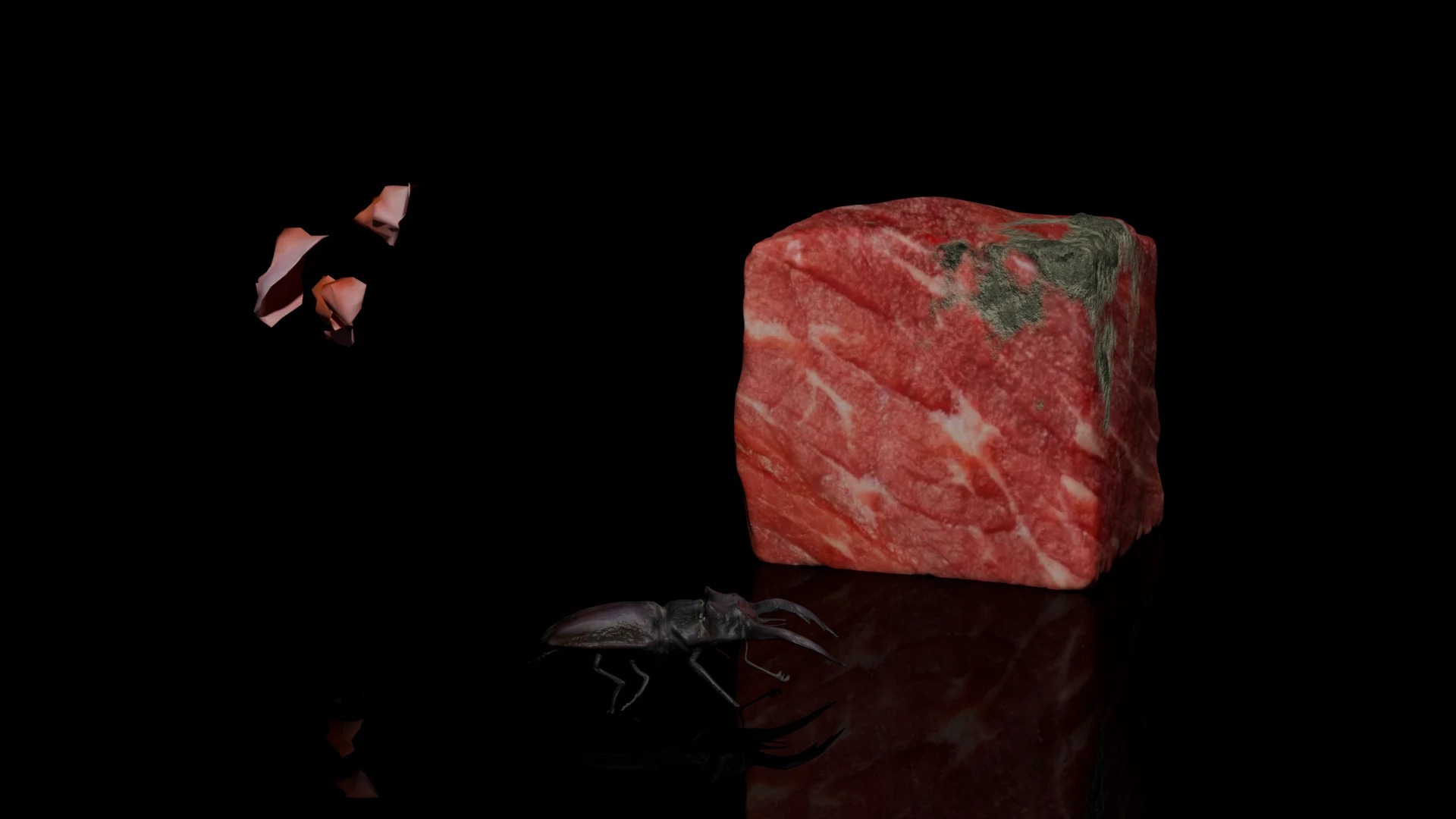
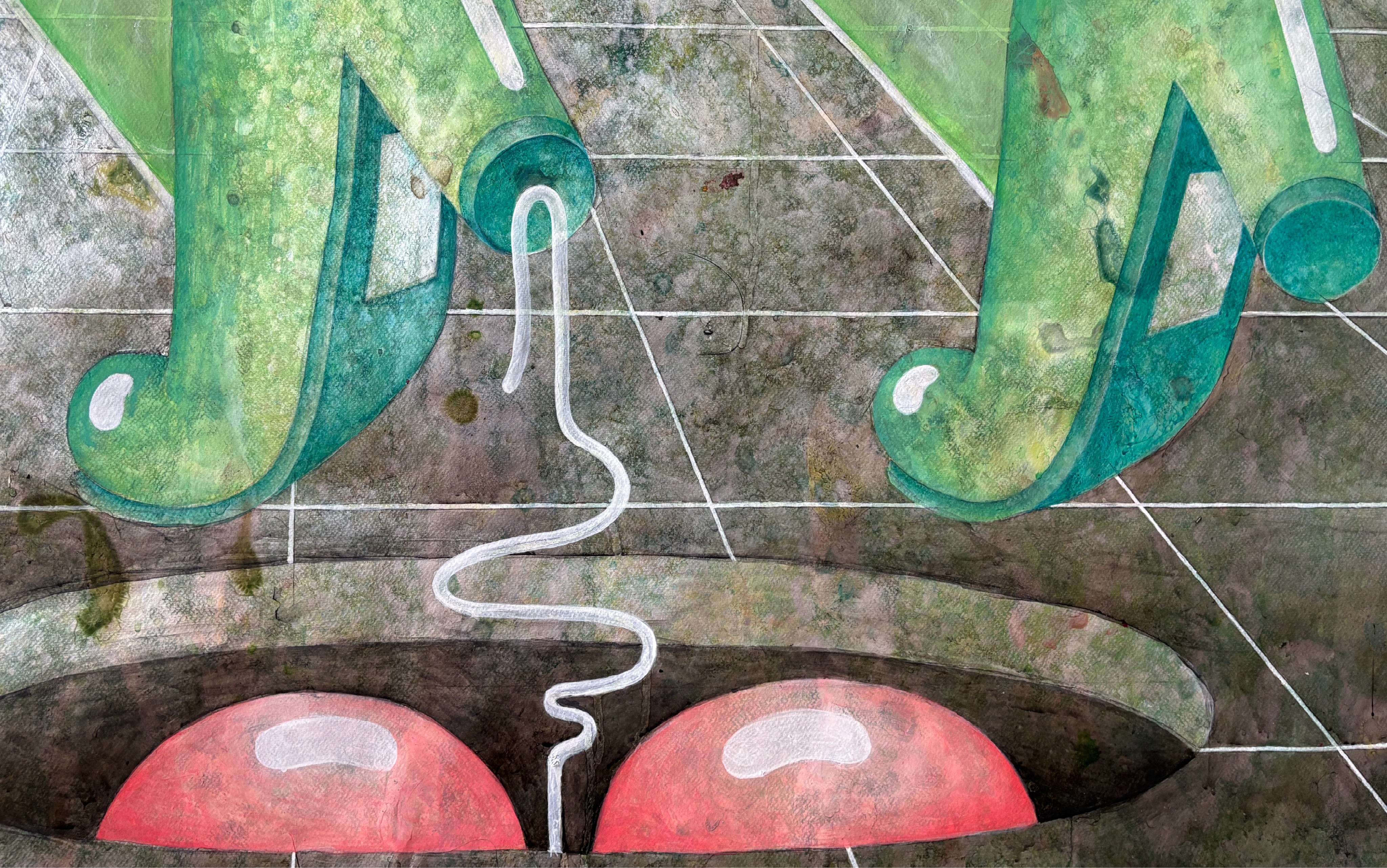
    Contemporary microworkers—the unseen humans training AI—operate under similar conditions of enforced anonymity. Liu surveys these workers, then feeds this data into an animation that displays a body reduced to its single extractable function.

    Both exist within economies that demand their labor while engineering their disappearance. These portraits ask: what does it mean to depict someone who was never meant to be seen?

    Words by Wassan Al-Khudhairi

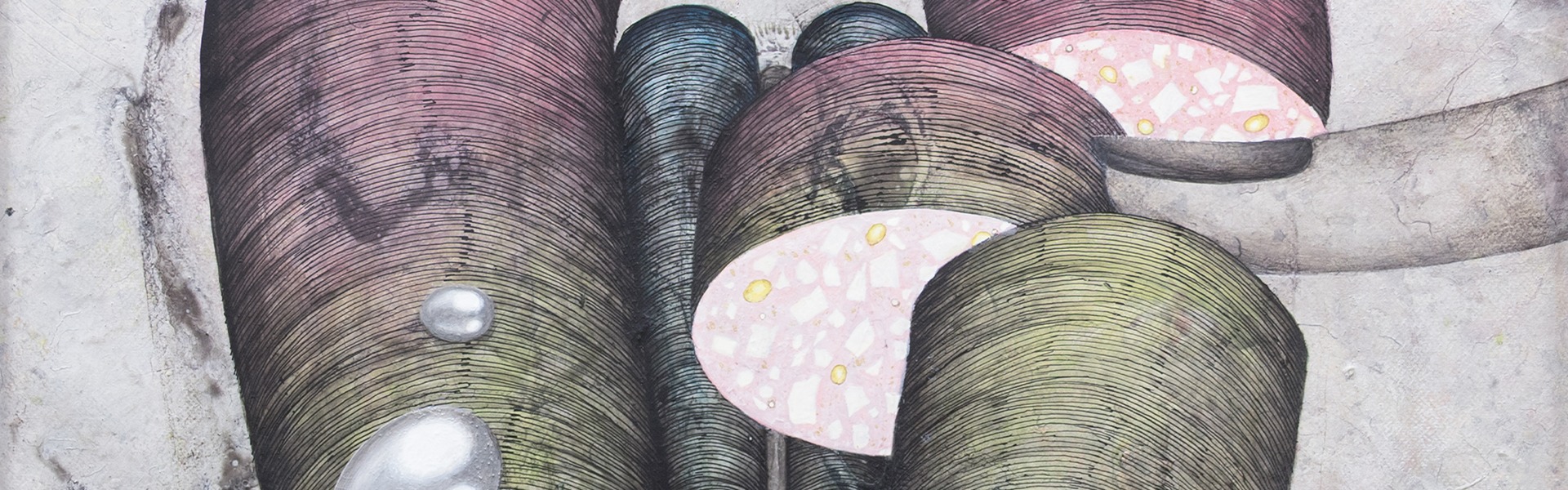
    Jen Liu is a New York-based visual artist working in video, painting, biomaterial, programming, and performance, looking at histories of labor, diasporic Asian identities, and the ways in which technology features in both. Her most recently completed body of work, Pink Slime Caesar Shift, centered stories of political resistance, and was built on a proposal to use the domestic food distribution network in China as a covert information network for labor activists. Liu worked with biologists to genetically alter beef cells to store encrypted texts on labor and protest, then preserve these cells in sculptures. She also used the materials and methods of genetic engineering as conceptual starting points for hybrid films, paintings on paper, and performances. Liu’s current body of work, Future Perfect 888666, is structured on the fluidity of elemental mercury, in which various histories of invisible labor converge – Chinese American sex workers in the 19th century, AI microlaborers, and xenobots. In this project she continues to collage together nonfiction texts to reveal the underlying dreamlike logic of entanglement capitalism. She is a recent recipient of the Creative Capital Grant, LACMA Art + Technology Lab, Guggenheim Fellowship in Film/Video, \Art Award from Cornell Tech, Anonymous Was a Woman Award, and Hewlett 50 Arts Commission in Media Performance.

Jen Liu excavates a haunting parallel: the invisible labor sustaining our digital present finds its mirror in the erased histories of Chinese migrant women who entered the United States between 1850 and 1899. 

Liu researches immigration case files from the Port of San Francisco, each containing the same fabricated story—women coached with scripted accounts of being born in San Francisco, visiting China, and now coming home. Their ability to enter and stay in the country depended on their invisibility.. Here, Liu paints portraits that refuse us the face. Instead, we encounter the backs of women’s heads.

Contemporary microworkers—the unseen humans training AI—operate under similar conditions of enforced anonymity. Liu surveys these workers, then feeds this data into an animation that displays a body reduced to its single extractable function.

Both exist within economies that demand their labor while engineering their disappearance. These portraits ask: what does it mean to depict someone who was never meant to be seen?

Words by Wassan Al-Khudhairi

Jen Liu is a New York-based visual artist working in video, painting, biomaterial, programming, and performance, looking at histories of labor, diasporic Asian identities, and the ways in which technology features in both. Her most recently completed body of work, Pink Slime Caesar Shift, centered stories of political resistance, and was built on a proposal to use the domestic food distribution network in China as a covert information network for labor activists. Liu worked with biologists to genetically alter beef cells to store encrypted texts on labor and protest, then preserve these cells in sculptures. She also used the materials and methods of genetic engineering as conceptual starting points for hybrid films, paintings on paper, and performances. Liu’s current body of work, Future Perfect 888666, is structured on the fluidity of elemental mercury, in which various histories of invisible labor converge – Chinese American sex workers in the 19th century, AI microlaborers, and xenobots. In this project she continues to collage together nonfiction texts to reveal the underlying dreamlike logic of entanglement capitalism. She is a recent recipient of the Creative Capital Grant, LACMA Art + Technology Lab, Guggenheim Fellowship in Film/Video, \Art Award from Cornell Tech, Anonymous Was a Woman Award, and Hewlett 50 Arts Commission in Media Performance.

Artist

PHA+PHN0cm9uZz5TSUxWRVJMRU5TPC9zdHJvbmc+IGlzIGNvbW1pdHRlZCB0byBwcm90ZWN0aW5nIHlvdXIgcHJpdmFjeS4gSW4gY29tcGxpYW5jZSB3aXRoIHRoZSBQaGlsaXBwaW5lIFJlcHVibGljIEFjdCwgTm8uIDEwMTczIGJldHRlciBrbm93biBhcyB0aGUgMjAxMiBEYXRhIFByaXZhY3kgQWN0LCB3ZSBjYW4gb25seSB1c2UgdGhlIGluZm9ybWF0aW9uIHRoYXQgd2Ugb2J0YWluIGFib3V0IHlvdSBsYXdmdWxseS4gV2UgbWF5IGNvbGxlY3QgcGVyc29uYWwgaW5mb3JtYXRpb24gYWJvdXQgeW91IHdoZW4geW91IHNpZ24gdXAgZm9yIG91ciBuZXdzbGV0dGVyIG9yIGNvbnRhY3QgdXMgd2l0aCBhbiBpbnF1aXJ5LjwvcD4KPHA+VGhlIHR5cGUgb2YgaW5mb3JtYXRpb24gd2UgbWF5IGNvbGxlY3QgaW5jbHVkZXMgeW91ciA8c3Ryb25nPk5hbWU8L3N0cm9uZz4sIDxzdHJvbmc+RW1haWw8L3N0cm9uZz4sIGFuZCA8c3Ryb25nPkNvbnRhY3QgTnVtYmVyPC9zdHJvbmc+LjwvcD4KPHA+V2UgbWF5IGNvbGxlY3QgcGF5bWVudCBpbmZvcm1hdGlvbiBmcm9tIHlvdSB0byBmdWxmaWxsIHRyYW5zYWN0aW9ucy4gVG8gcHJvY2VzcyBwYXltZW50cywgd2UgbWF5IGNvbGxlY3QgeW91ciBjcmVkaXQgY2FyZCBhbmQgYmFuayBhY2NvdW50IGRldGFpbHMuIFRoaXMgaW5mb3JtYXRpb24gbWF5IGJlIHNoYXJlZCB3aXRoIHRoaXJkIHBhcnR5IHBheW1lbnQgcHJvY2Vzc2luZyBzZXJ2aWNlcy48L3A+CjxwPlRvIGRlbGl2ZXIgeW91ciBwdXJjaGFzZSwgd2UgbWF5IHByb3ZpZGUgeW91ciBwZXJzb25hbCBpbmZvcm1hdGlvbiB0byB0aGlyZC1wYXJ0eSBsb2dpc3RpY3MgY29tcGFuaWVzIHdobyBhc3Npc3QgdXMgd2l0aCBvdXIgZGVsaXZlcmllcyBhbmQgc2hpcG1lbnRzLjwvcD4KPHA+VGhlIHBlcnNvbmFsIGluZm9ybWF0aW9uIHdoaWNoIHdlIGhvbGQgd2lsbCBiZSBoZWxkIHNlY3VyZWx5IGluIGFjY29yZGFuY2Ugd2l0aCBvdXIgaW50ZXJuYWwgc2VjdXJpdHkgcG9saWN5LiBXZSB3aWxsIG5ldmVyIGNvbGxlY3QgaW5mb3JtYXRpb24gYWJvdXQgeW91IHdpdGhvdXQgeW91ciBleHBsaWNpdCBjb25zZW50LjwvcD4KPHA+VGhlIGluZm9ybWF0aW9uIHdlIHN0b3JlIHdpbGwgYmUgYWNjdXJhdGUgYW5kIHVwIHRvIGRhdGUuIFlvdSBjYW4gY2hlY2sgdGhlIGluZm9ybWF0aW9uIHRoYXQgd2UgaG9sZCBhYm91dCB5b3UgYnkgZW1haWxpbmcgdXMuIElmIHlvdSBmaW5kIHRoYXQgdGhlcmUgYXJlIGFueSBpbmFjY3VyYWNpZXMsIHdlIHdpbGwgZGVsZXRlIG9yIGNvcnJlY3QgaXQgcHJvbXB0bHkuPC9wPgo8cD5XZSBtYXkgdXNlIHRlY2hub2xvZ3kgdG8gdHJhY2sgdGhlIHBhdHRlcm5zIG9mIGJlaGF2aW9yIG9mIHZpc2l0b3JzIHRvIG91ciB3ZWJzaXRlLiBUaGlzIG1heSBpbmNsdWRlIHVzaW5nIGEgImNvb2tpZSIgc3RvcmVkIG9uIHlvdXIgYnJvd3NlciB3aGljaCB5b3UgY2FuIHVzdWFsbHkgbW9kaWZ5IHRocm91Z2ggeW91ciBicm93c2VyIHRvIHByZXZlbnQgdGhpcyBmcm9tIGhhcHBlbmluZy48L3A+CjxwPldlIHdpbGwgcmV0YWluIHlvdXIgcGVyc29uYWwgaW5mb3JtYXRpb24gb25seSB3aGlsZSB3ZSBuZWVkIGl0IGZvciB0aGUgcmVhc29ucyBzdGF0ZWQgYWJvdmUgb3IgdW50aWwgeW91IHJlcXVlc3QgdGhhdCB3ZSBkZWxldGUgaXQgb24gb3VyIHJlY29yZHMuPC9wPgo8cD5JZiB5b3UgaGF2ZSBhbnkgcXVlc3Rpb25zIG9yIGNvbW1lbnRzIGFib3V0IG91ciBwcml2YWN5LCBwbGVhc2UgY29udGFjdCB1cyBhdCA8YSBocmVmPSJtYWlsdG86aW5xdWlyeUBzaWx2ZXJsZW5zZ2FsbGVyaWVzLmNvbSI+aW5xdWlyeUBzaWx2ZXJsZW5zZ2FsbGVyaWVzLmNvbTwvYT48L3A+
R2FpbiBhY2Nlc3MgdG8gZXhjbHVzaXZlIGdhbGxlcnkgaW5mb3JtYXRpb24sIGxhdGVzdCBleGhpYml0aW9ucywgPGJyIC8+CmFuZCBhcnRpc3QgdXBkYXRlcyBieSBzaWduaW5nIHVwIGZvciBvdXIgbmV3c2xldHRlciBiZWxvdy4=